Early Roofing Materials: Nature’s First Protection
The earliest roofs were designed using materials that were readily available in nature. Ancient civilizations relied on natural elements to create shelter and protect structures from the environment.
Some of the earliest
roofing materials included:
- Thatch made from straw or reeds
- Wooden branches and bark
- Mud and clay coverings
- Stone slabs
These early roofing systems provided basic protection from rain and sun, though they often required frequent repairs due to weather damage.
Clay Tiles and the Rise of Durable Roofs
One of the earliest advancements in roofing came with the development of
clay roof tiles. Ancient civilizations such as the Greeks and Romans began using fired clay tiles to create stronger and more weather-resistant roofs.
Clay tiles offered several advantages:
- Improved durability
- Better protection from heavy rain
- Fire resistance compared to thatched roofs
These early innovations helped shape roofing practices that are still used in many parts of the world today.
Wooden Shingles and Colonial Roofing
As settlements expanded in North America,
wood shingles became a common roofing material. Colonists used cedar and other durable woods to create thin shingles that could be layered across rooftops.
Wood shingles offered several benefits:
- Abundant local materials
- Relatively simple installation
- Effective protection against rain and snow
However, wooden roofs were also vulnerable to fire and weather damage, leading to the search for more durable alternatives.
The Introduction of Asphalt Shingles
One of the most significant milestones in the
history of roofing was the invention of
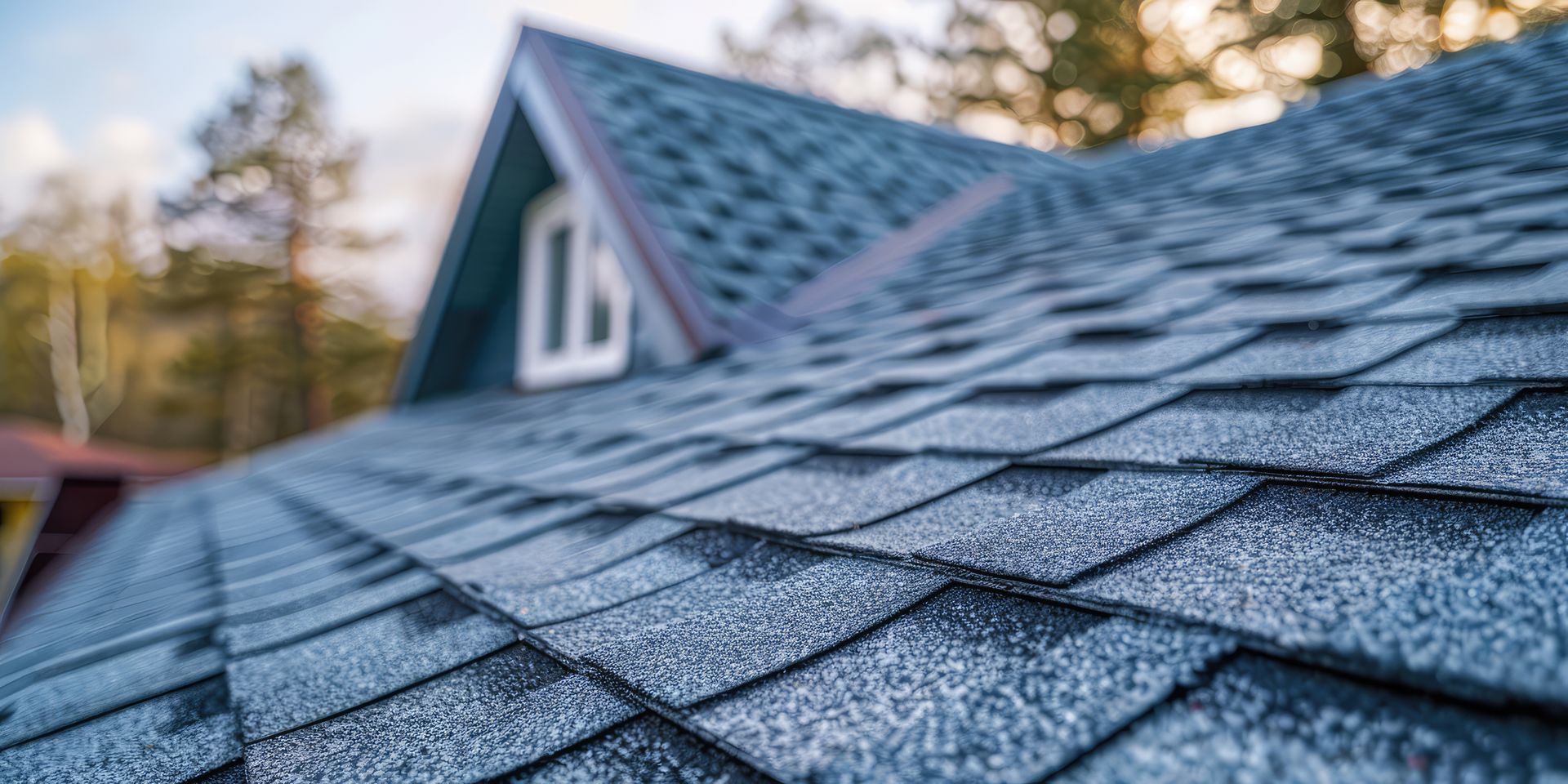
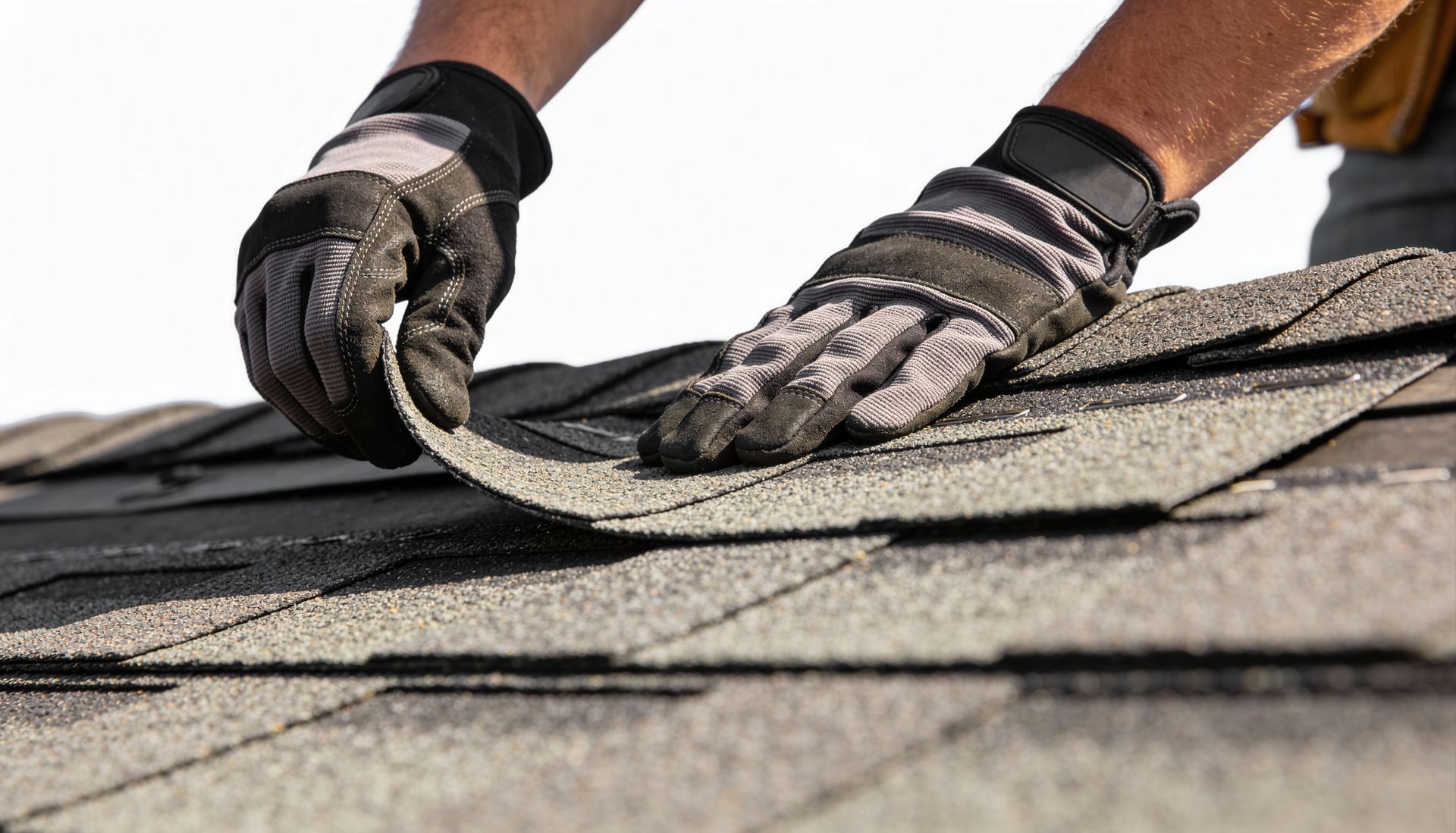
asphalt shingles in the late 19th and early 20th centuries. These shingles quickly became the most widely used roofing material in the United States.
Reasons for the popularity of
asphalt shingle roofing include:
- Affordability
- Durability
- Ease of installation
- Variety of styles and colors
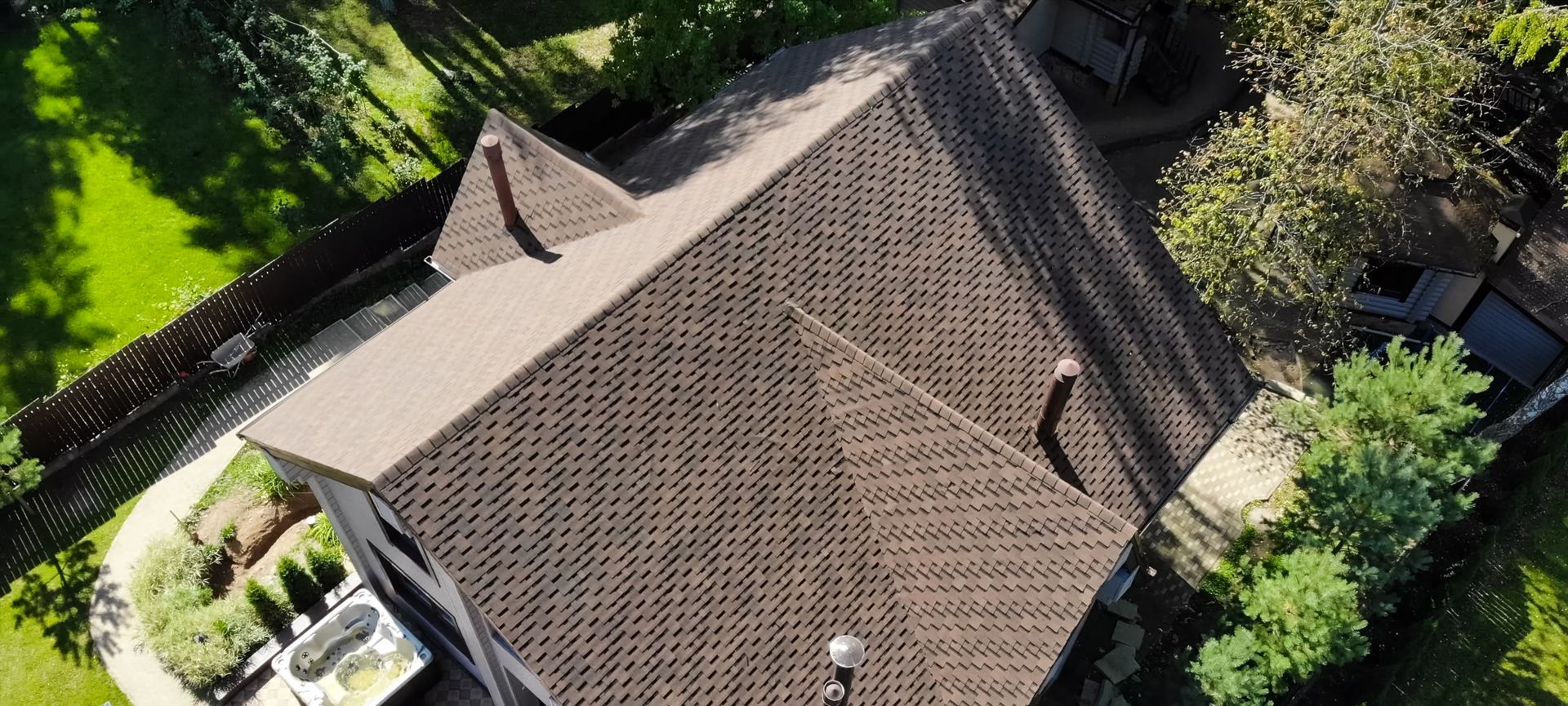
Today, asphalt shingles remain one of the most common choices for residential roofing systems.
Modern Roofing Technology
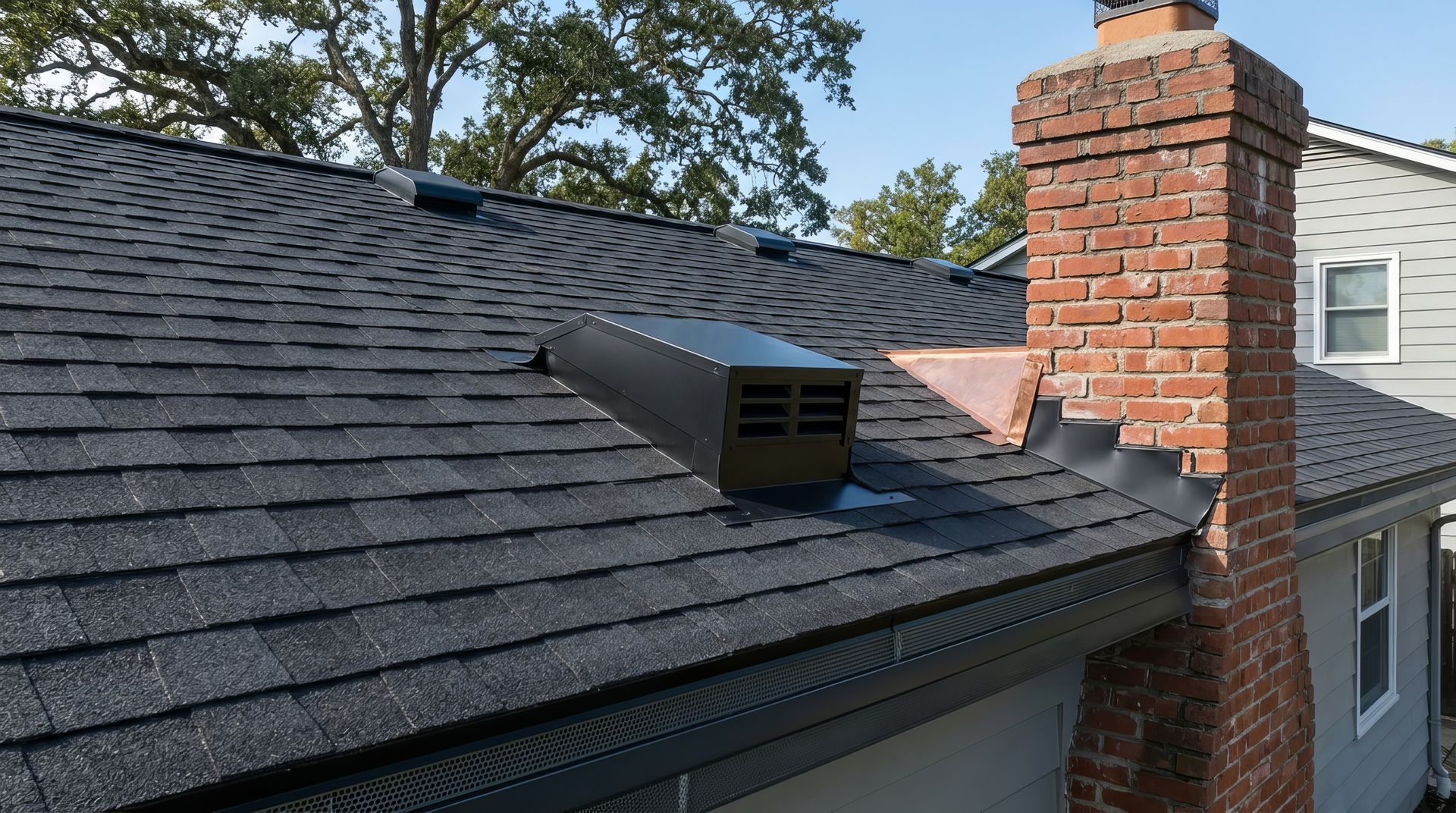
Modern
roofing systems are designed to withstand harsh weather conditions while improving energy efficiency and durability. Roofing materials now include a wide range of advanced options.
Popular modern roofing materials include:
- Architectural asphalt shingles
- Metal roofing panels
- Synthetic roofing materials
- Energy-efficient reflective roofing
Improved installation techniques and better materials have dramatically increased the lifespan of residential roofs.
Roofing in Pennsylvania’s Climate
Homes in Pennsylvania experience a wide range of weather conditions, including heavy snow, strong winds, and seasonal temperature changes. Because of this, modern roofing systems must be designed for durability and long-term performance.
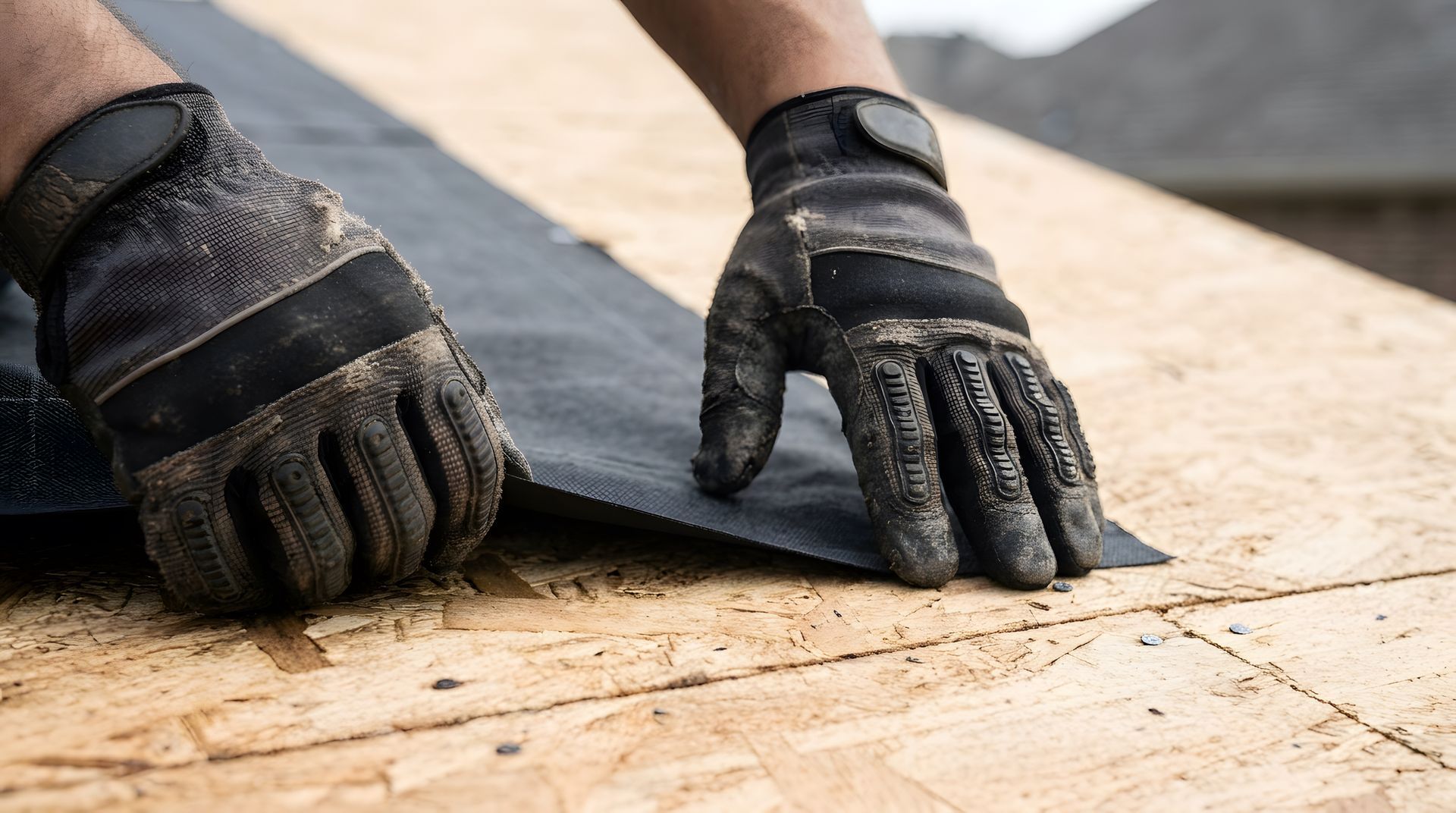
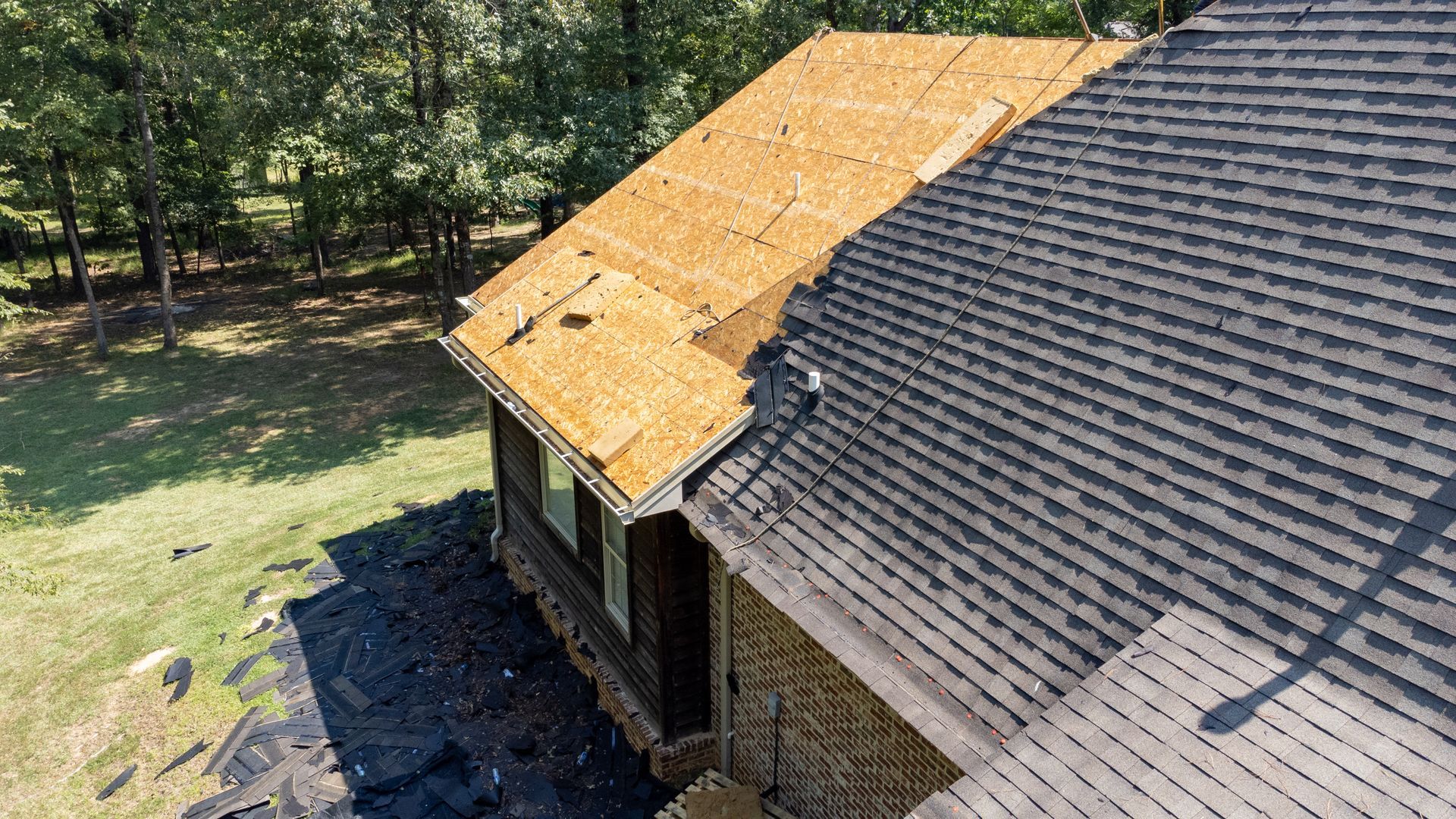
A properly installed
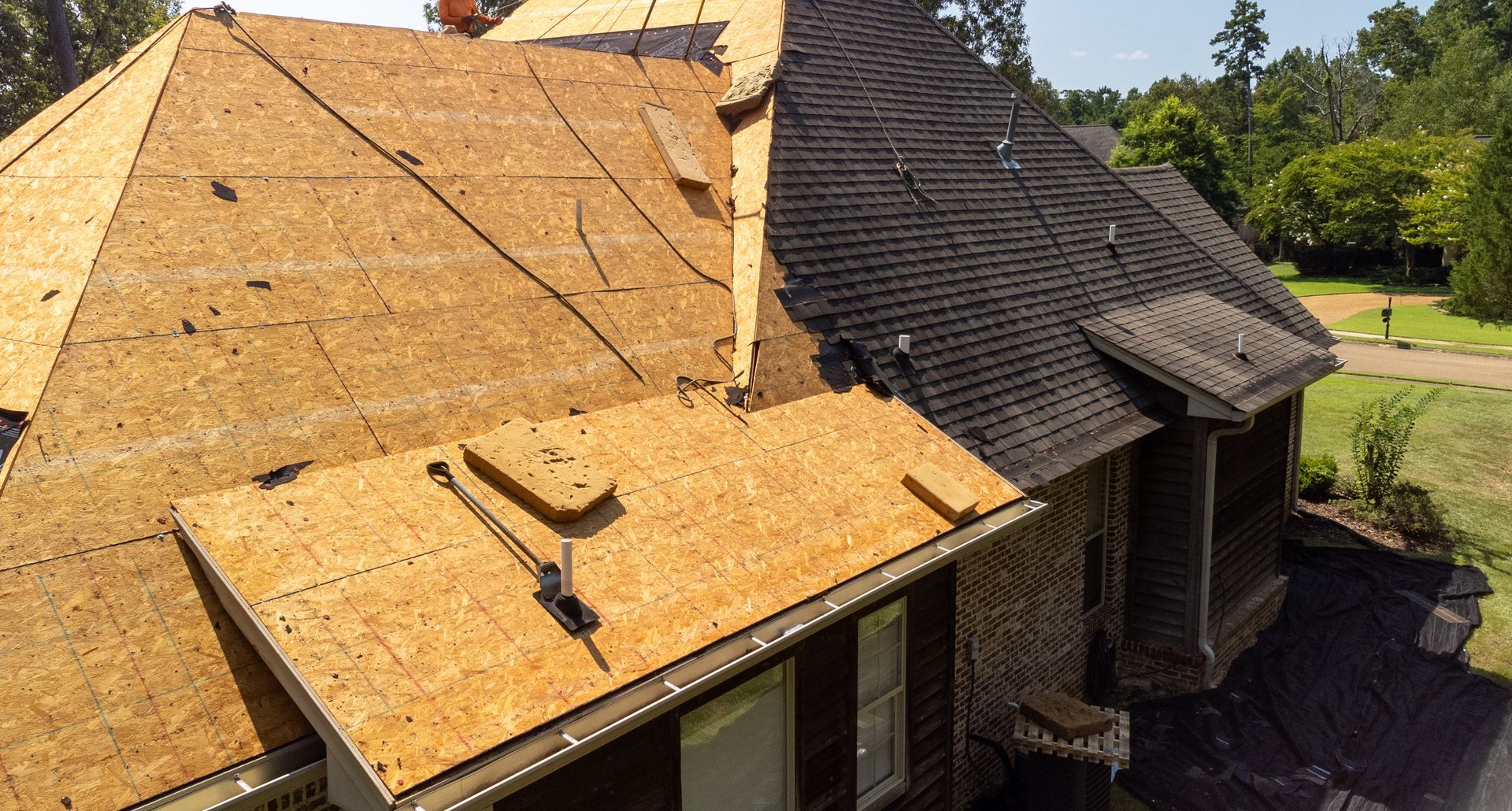
roof replacement or
roof installation helps protect homes from:
- Ice dams and snow buildup
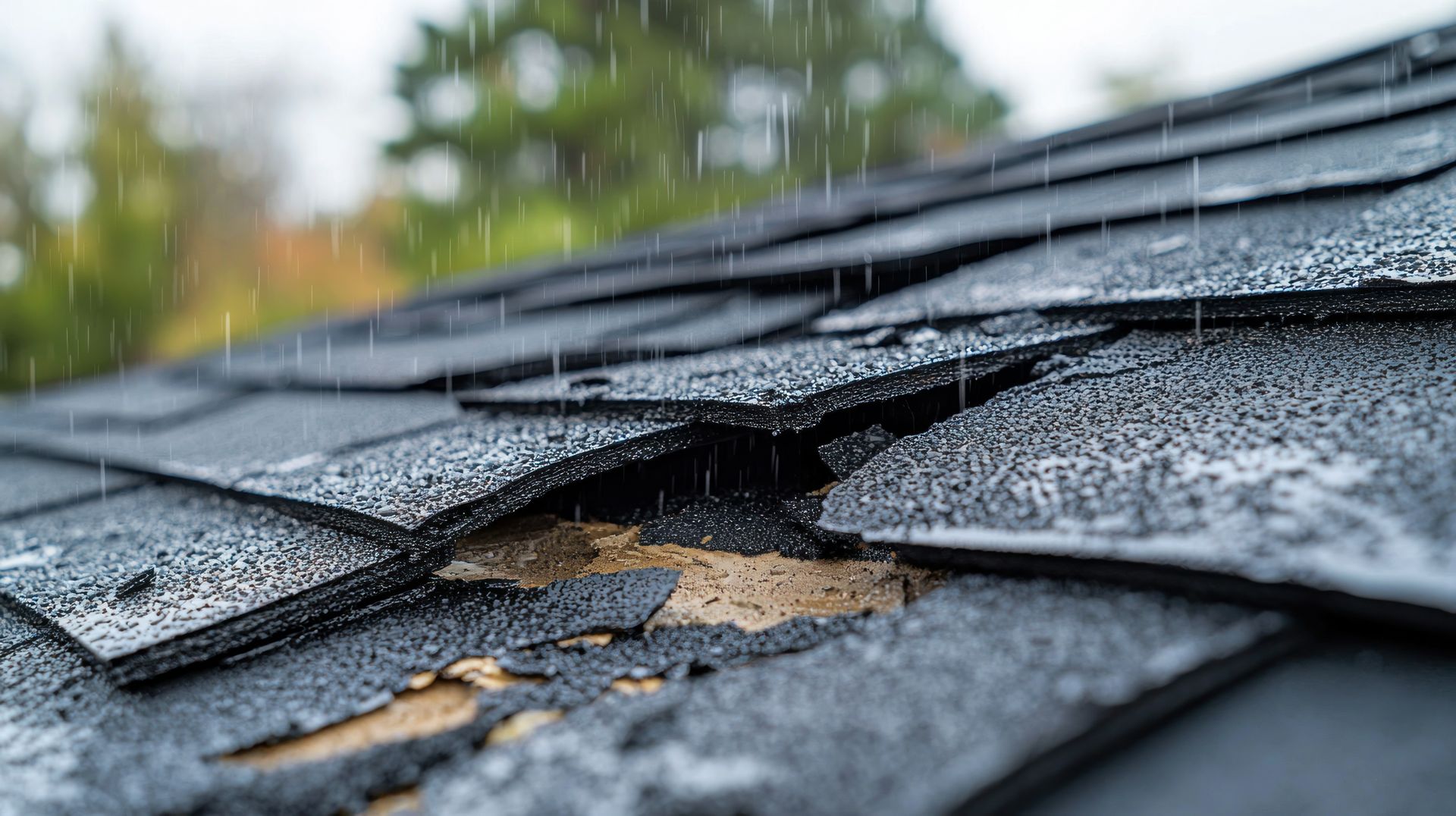
- Heavy rainfall and storm damage
- Wind-related shingle loss
- Temperature-related expansion and contraction
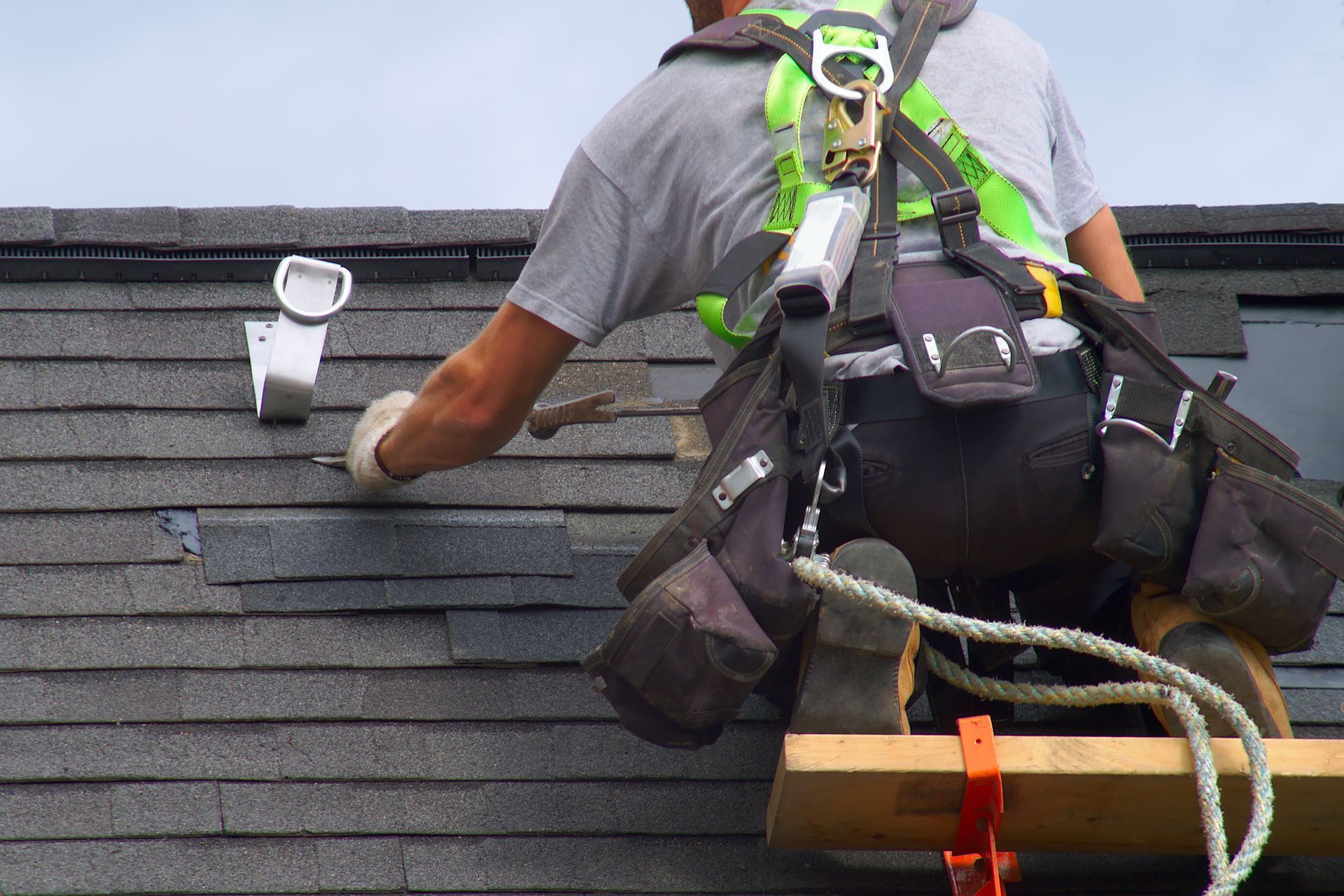
Professional roofing contractors play a crucial role in ensuring roofs are built to withstand these challenges.
Carrying Roofing Traditions Into the Future
The evolution of roofing reflects centuries of innovation and craftsmanship. From simple natural shelters to modern
roofing systems, each advancement has improved durability, safety, and performance.
At
Overmyer Roofing, our team continues this tradition by providing expert
roof installation,
roof replacement, and
roof repair services for homeowners across Pennsylvania. By combining proven techniques with modern materials, we help ensure every roof is built to last.