Asphalt Shingles vs. Metal Roofing: Which is Better for Your Home?
Choosing the right roofing material is one of the most important decisions homeowners make. Your roof affects protection, energy efficiency, long term maintenance, and curb appeal. When comparing asphalt shingles vs. metal roofing, understanding the differences helps homeowners select the option that best fits their home, climate, and budget.

Understanding Asphalt Shingle Roofing
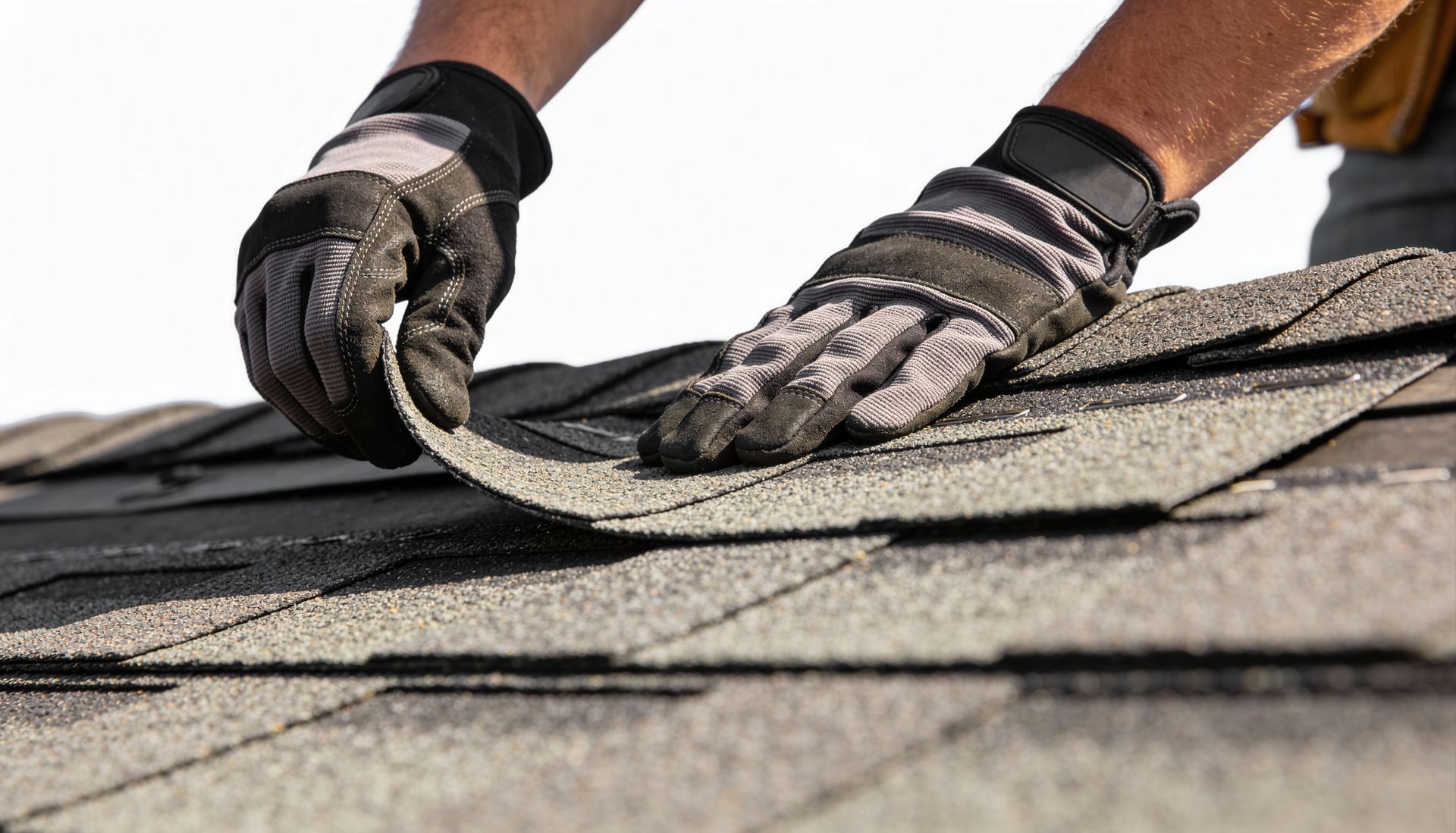
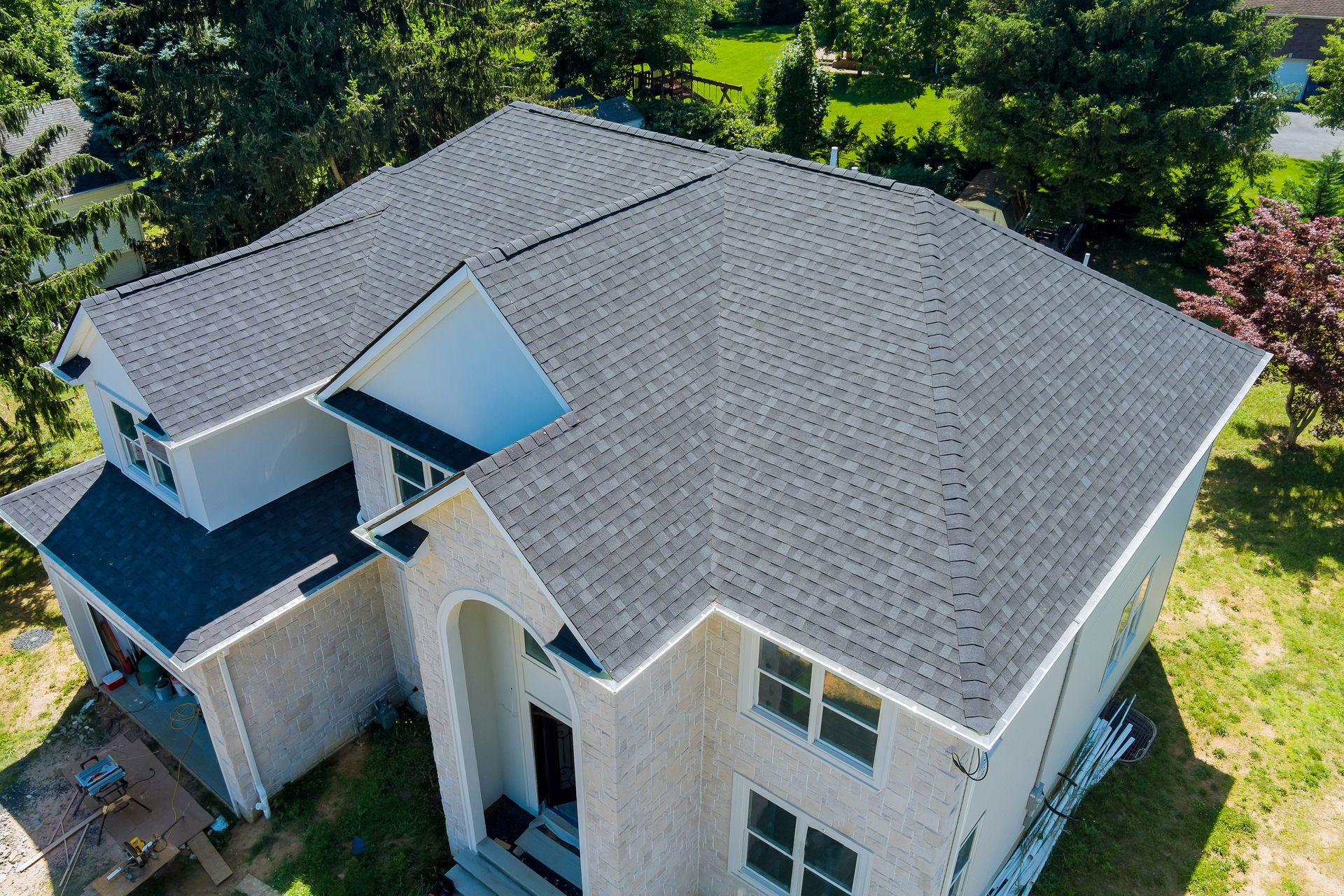
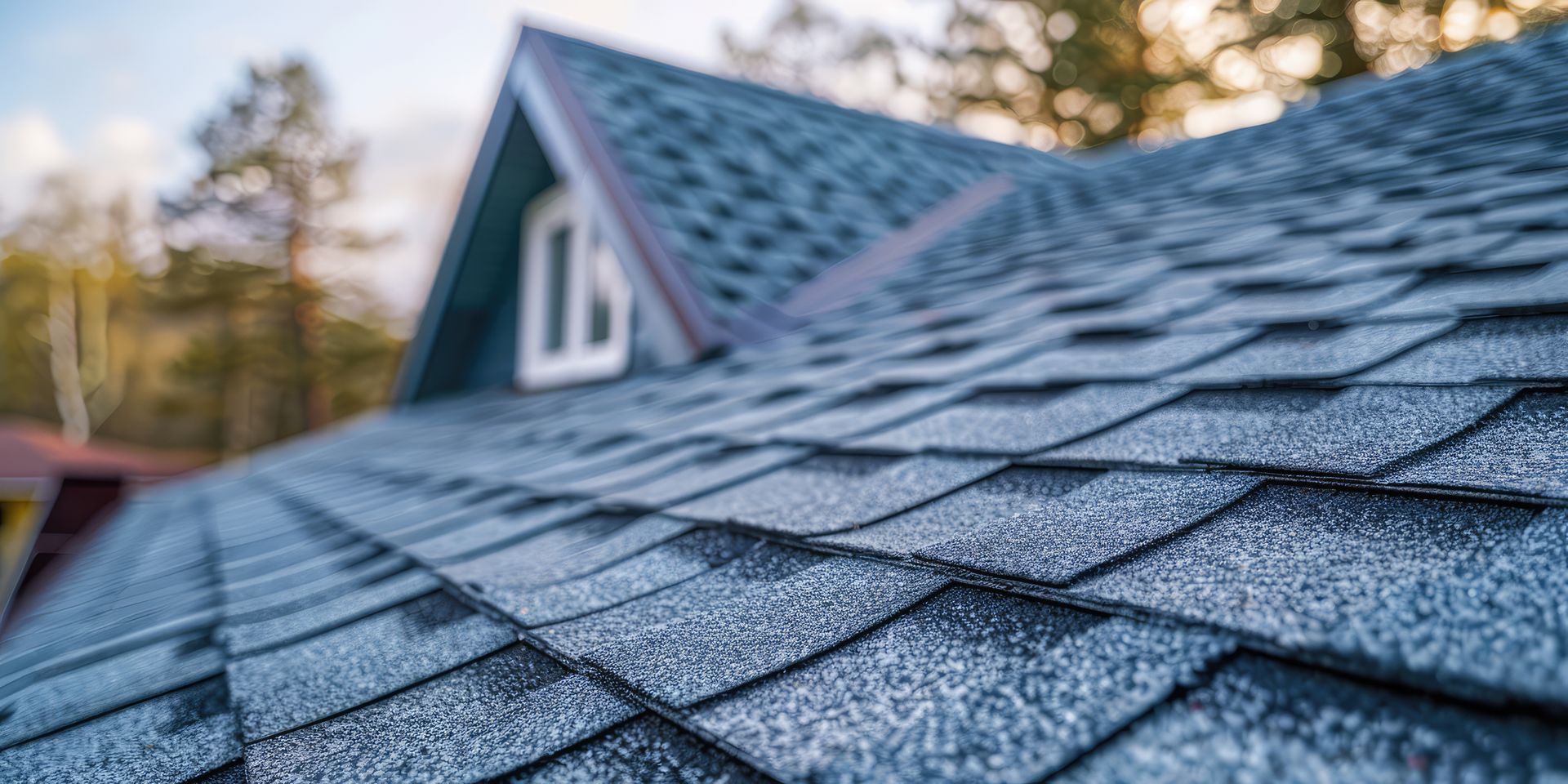
Asphalt shingles are the most common residential roofing material in the United States. They are popular due to affordability, versatility, and ease of installation.
Key benefits of asphalt shingles include:
- lower upfront cost
- wide range of colors and styles
- reliable performance in most climates
- simpler repair process
Asphalt shingles typically last 15 to 30 years depending on quality, installation, and weather exposure.
Understanding Metal Roofing
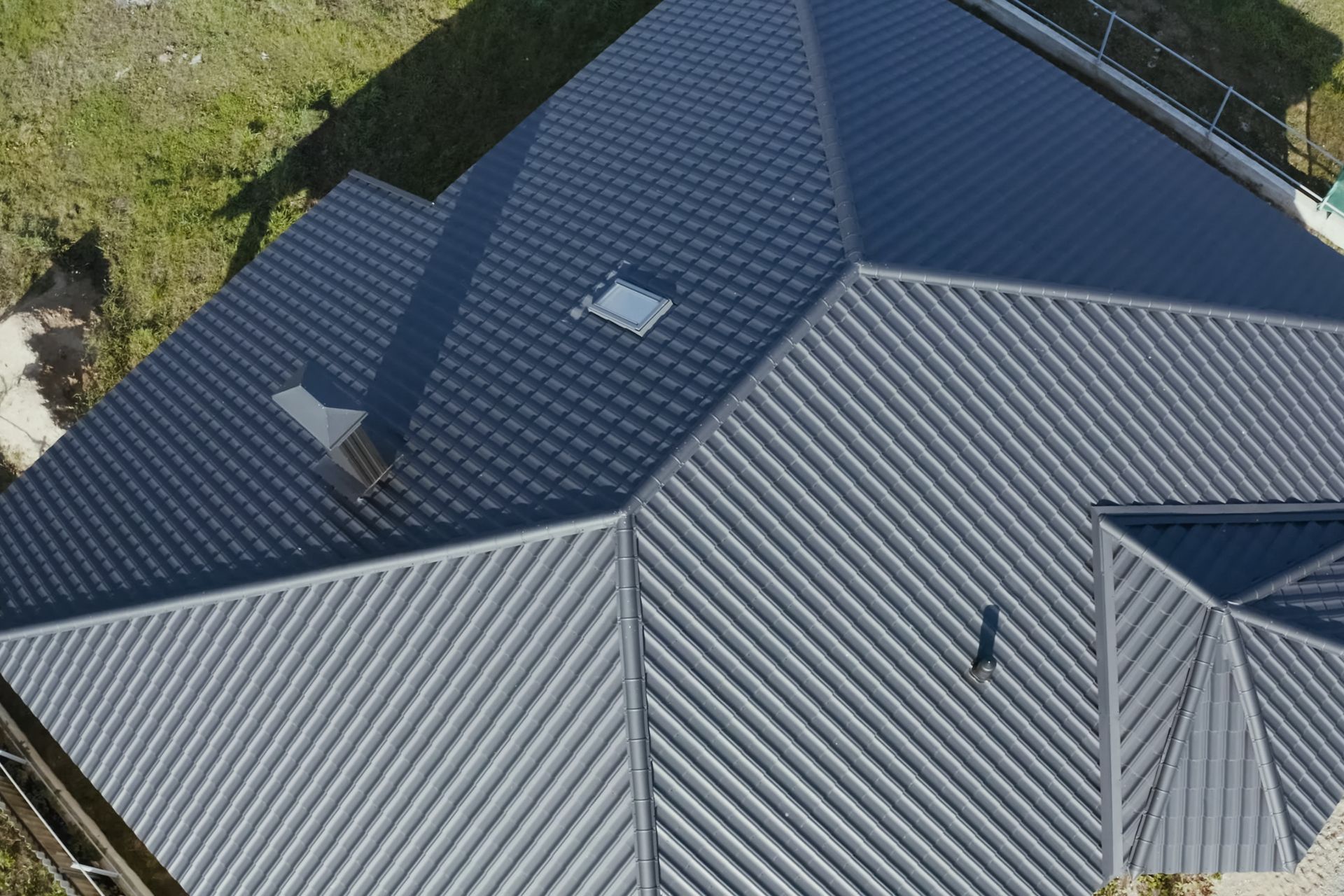
Metal roofing has gained popularity for its durability and modern appearance. Common materials include steel, aluminum, and standing seam systems.
Benefits of metal roofing include:
- long lifespan often 40 to 70 years
- excellent resistance to wind, snow, and fire
- energy efficiency through heat reflection
- minimal maintenance requirements
Metal roofs are especially effective in areas that experience heavy snow or temperature fluctuations.
Durability and Weather Performance
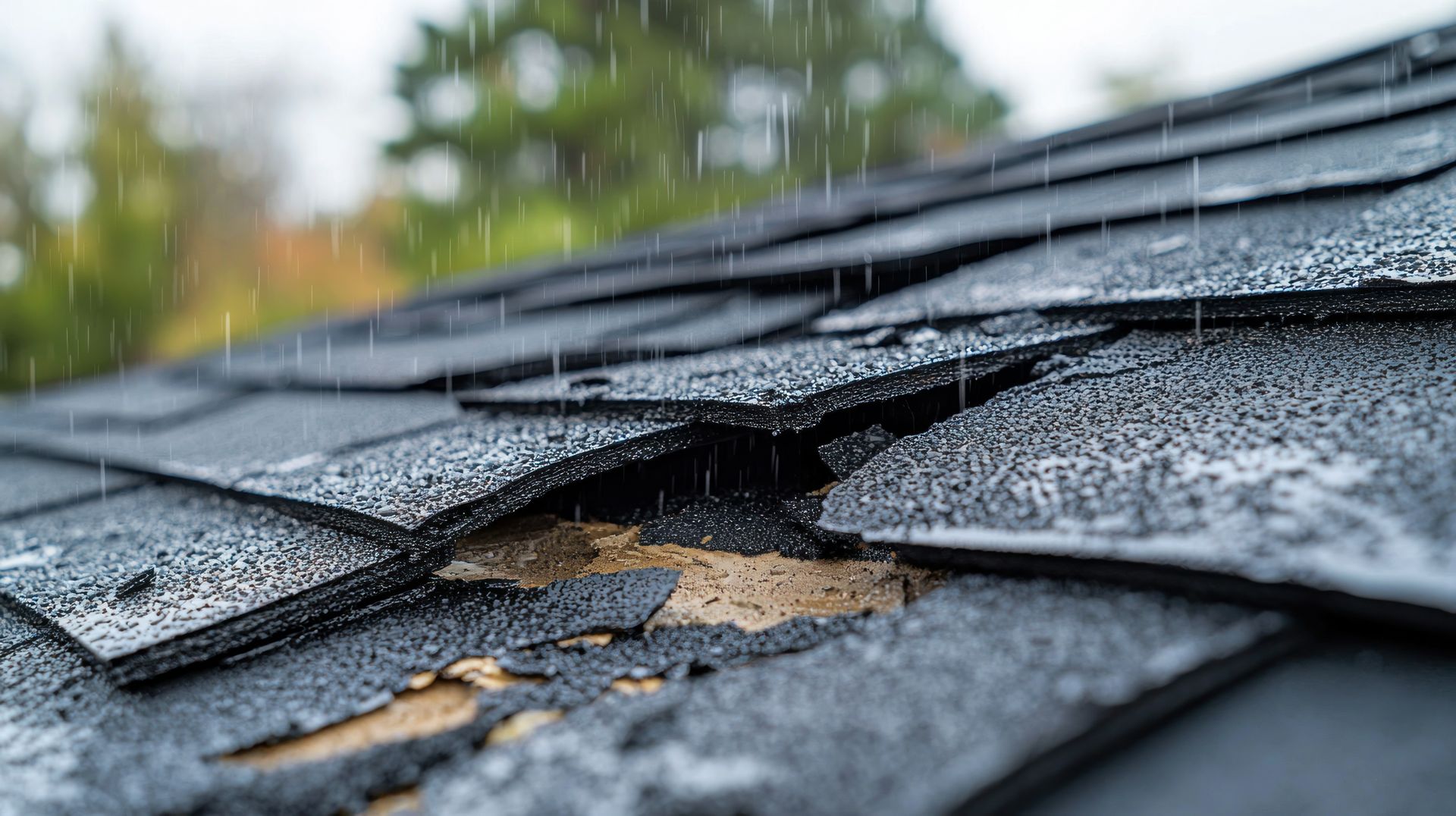
When comparing asphalt shingles vs. metal roofing, durability is a major consideration. Asphalt shingles perform well under normal conditions but can be vulnerable to wind uplift, hail, and ice damage.
Metal roofing excels in extreme weather. Snow slides off more easily, reducing ice dam risk, and metal panels resist cracking and moisture absorption.

Cost Comparison and Long-Term Value
Asphalt shingles are typically more affordable upfront, making them a common choice for budget conscious homeowners.
Metal roofing requires a higher initial investment but often delivers greater long term value due to its extended lifespan and reduced maintenance needs. Over time, fewer replacements may offset the higher installation cost.
Energy Efficiency and Home Comfort
Metal roofs reflect sunlight, helping reduce heat absorption during warmer months. This can contribute to lower cooling costs.
While asphalt shingles absorb more heat, newer products include reflective granules that improve energy efficiency. The right choice depends on home design, insulation, and ventilation.
Maintenance and Repair Considerations
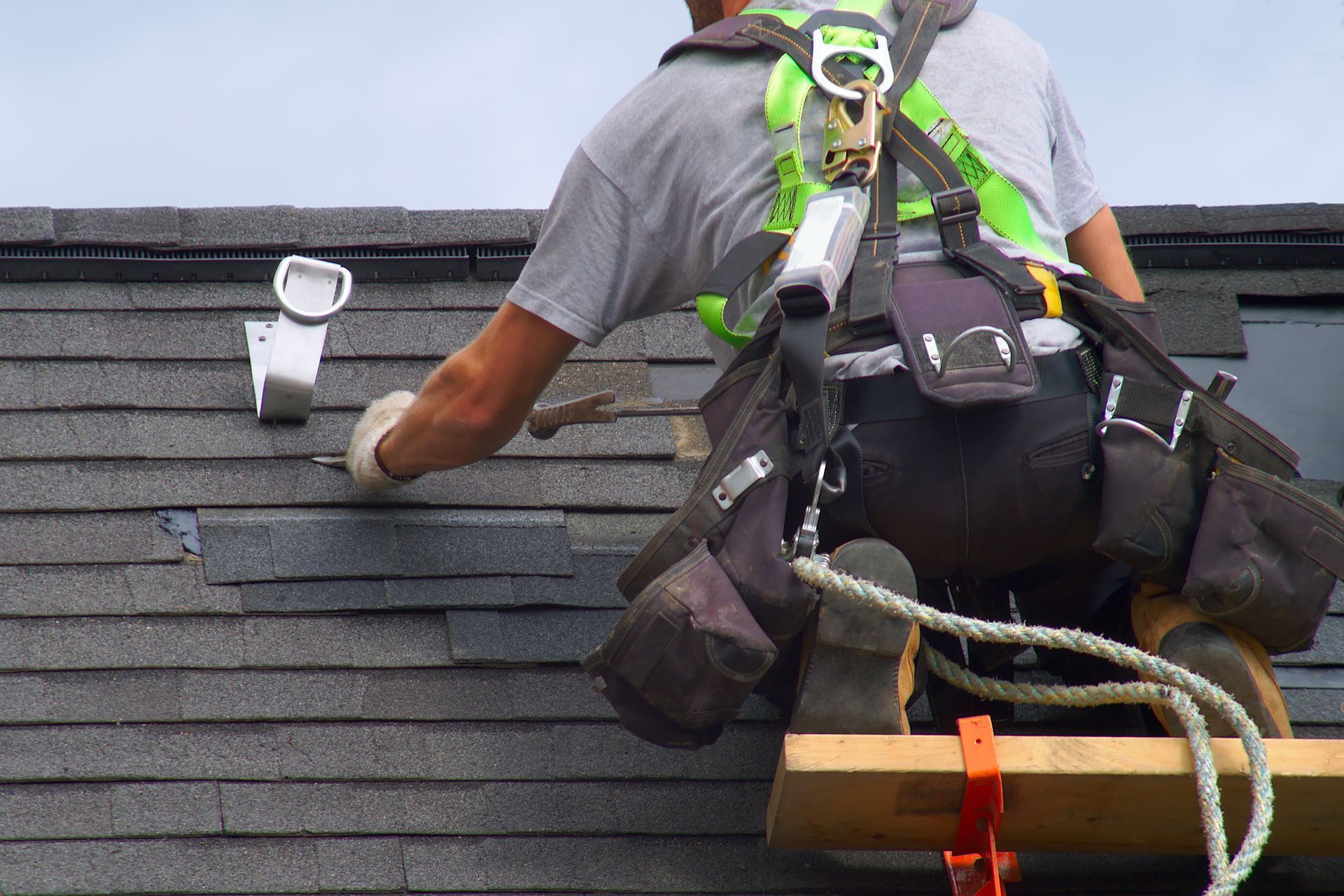
Asphalt shingle roofs may require more frequent repairs due to granule loss, curling, or storm damage. Individual shingles can usually be replaced easily.
Metal roofs require less routine maintenance, though repairs should be handled by experienced professionals to preserve panel integrity.
Appearance and Curb Appeal
Both materials offer strong aesthetic options. Asphalt shingles suit traditional architectural styles, while metal roofing complements modern and rustic designs.
Homeowners should consider neighborhood standards, personal style, and resale value when evaluating roofing material options.
Which Roofing Material Is Better for Your Home
There is no single best choice for every homeowner. The better option depends on:
- budget and long-term plans
- local climate conditions
- desired lifespan
- maintenance preferences
Understanding these factors helps narrow the decision between asphalt shingles vs. metal roofing.
Making the Right Roofing Decision
Choosing between asphalt shingles and metal roofing comes down to balancing cost, durability, and long-term goals. Both materials offer proven performance when properly installed. A professional evaluation helps determine which option aligns best with your home’s structure and environment. Overmyer Roofing provides expert guidance, roof inspections, and professional installation services to help homeowners select the roofing system that delivers lasting protection and value.