Why Do Roofs Commonly Leak Around Chimneys?
A chimney creates a large penetration through the roofing system. Where the chimney and roof meet, several materials and surfaces have to work together to direct rain and melting snow away from the opening.
This makes proper water management particularly important around the chimney.
Flashing is one of the primary defenses.
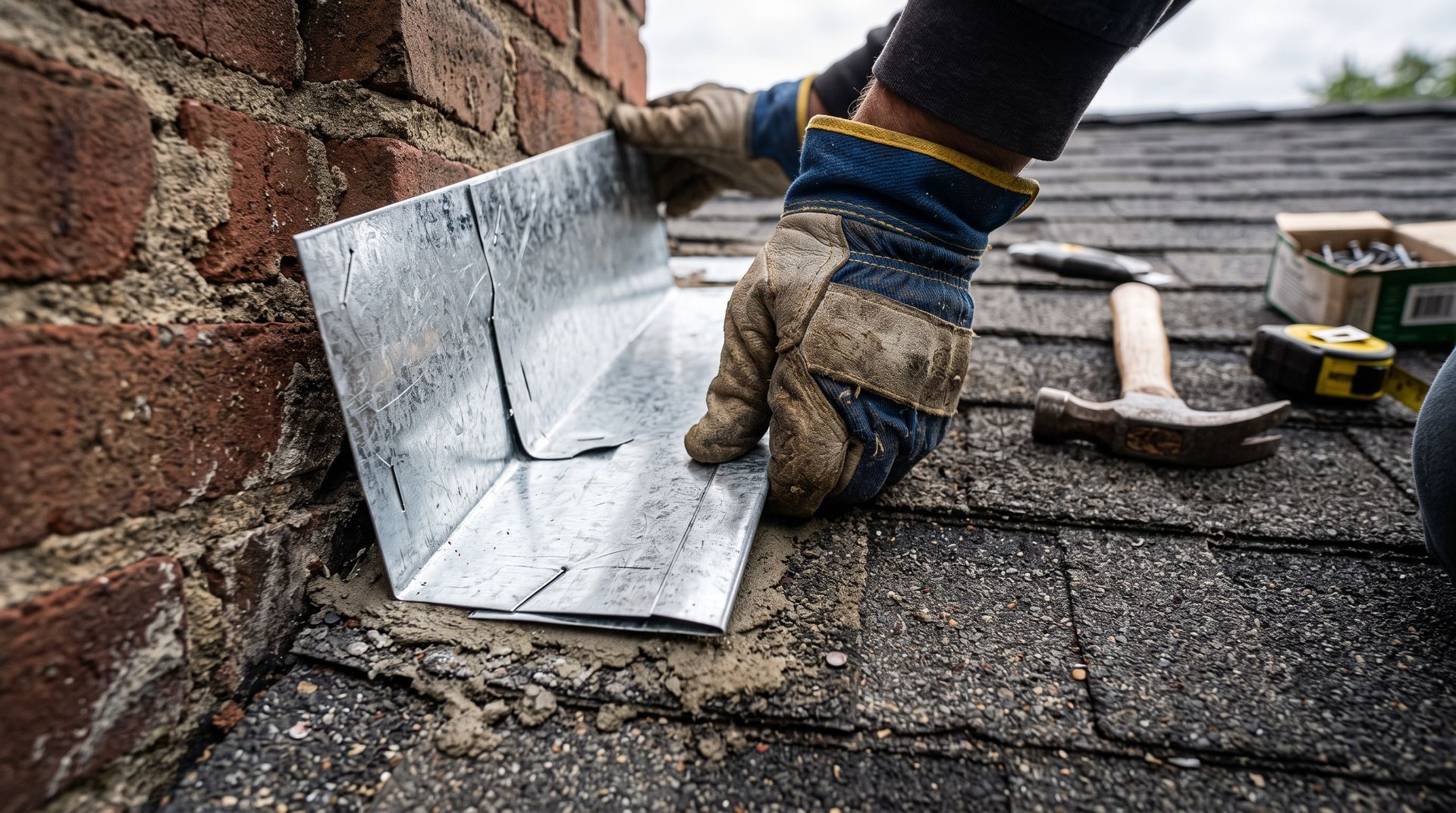
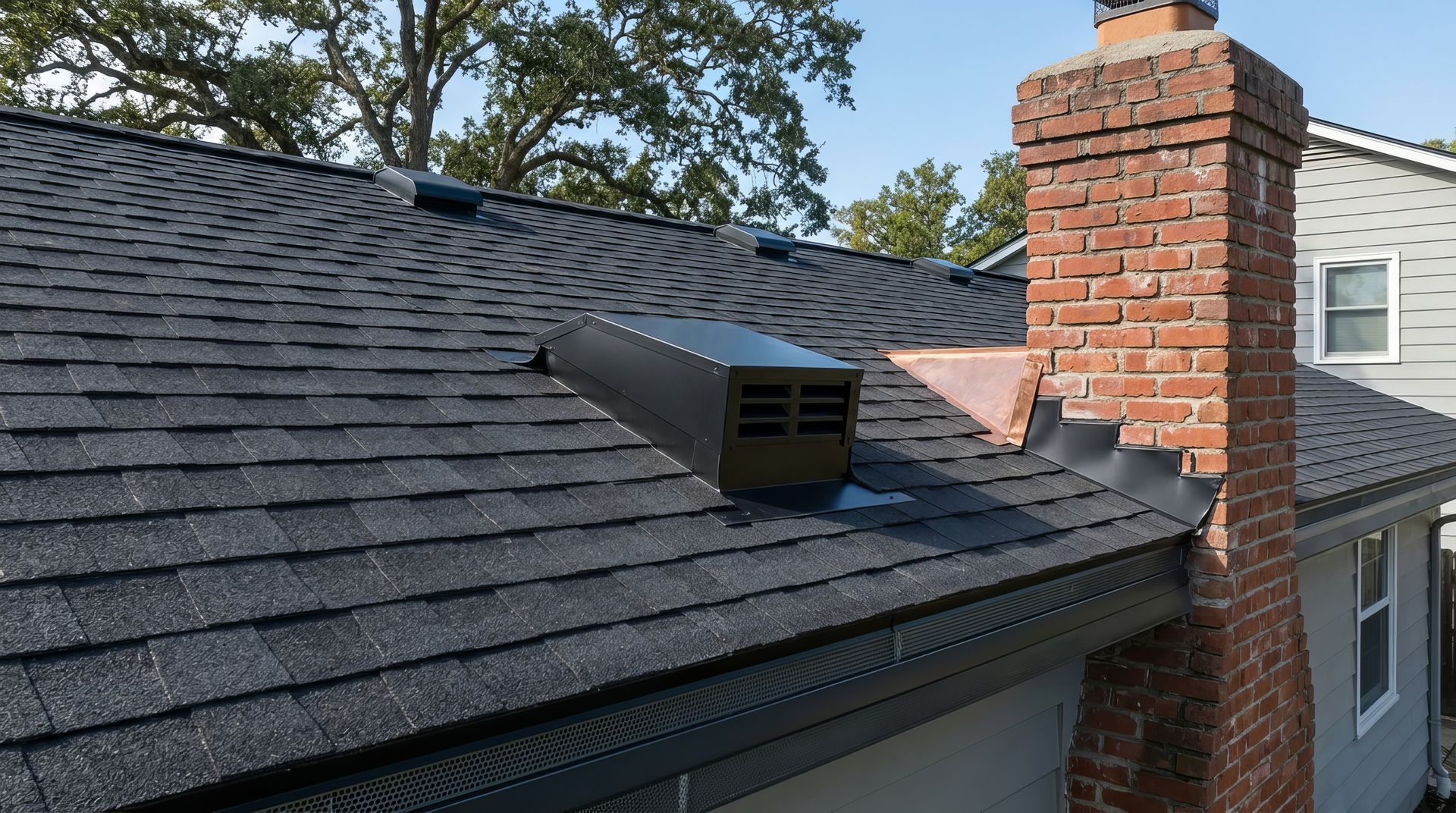
Building Science Education explains that a typical chimney flashing system can include base flashing, step flashing, and counterflashing that work together to transition water away from the connection between the roof and masonry.
When one part of this system deteriorates, separates, or was installed incorrectly, water may find a pathway into the roof assembly.
1. Damaged or Loose Chimney Flashing
Flashing is one of the first areas to investigate when water appears around a chimney.
Depending on the roof and chimney design, the flashing system may include multiple components. Step flashing is typically integrated with courses of asphalt shingles along the sides of the chimney, while counterflashing overlaps it from the masonry side.
Over time, flashing can become:
- Loose
- Bent or displaced
- Corroded
- Separated from adjoining materials
- Damaged during previous roofing work
- Improperly sealed
- Vulnerable because of installation problems
The
National Roofing Contractors Association identifies loose seams and deteriorated flashing among the visible warning signs that roof inspections can uncover.
A flashing problem does not necessarily mean the entire roof needs to be replaced. In many situations, a professional can isolate the source of the leak and determine whether a targeted repair is appropriate.
2. Deteriorated Sealant Around the Chimney
Sealants may be used as part of certain chimney and flashing details, but they do not last forever.
Exposure to sunlight, precipitation, and temperature changes can cause some sealants to crack, shrink, separate, or otherwise deteriorate.
When that happens, gaps may develop around vulnerable joints.
Simply applying another layer of caulk over a leaking area isn't necessarily a permanent solution. The underlying flashing and roofing details still need to manage water correctly.
If a chimney leak keeps returning after repeated patching or sealing, it is important to determine why water is reaching the area rather than continuing to cover the symptom.
3. Damaged Shingles Near the Chimney
Sometimes the flashing isn't the only problem.
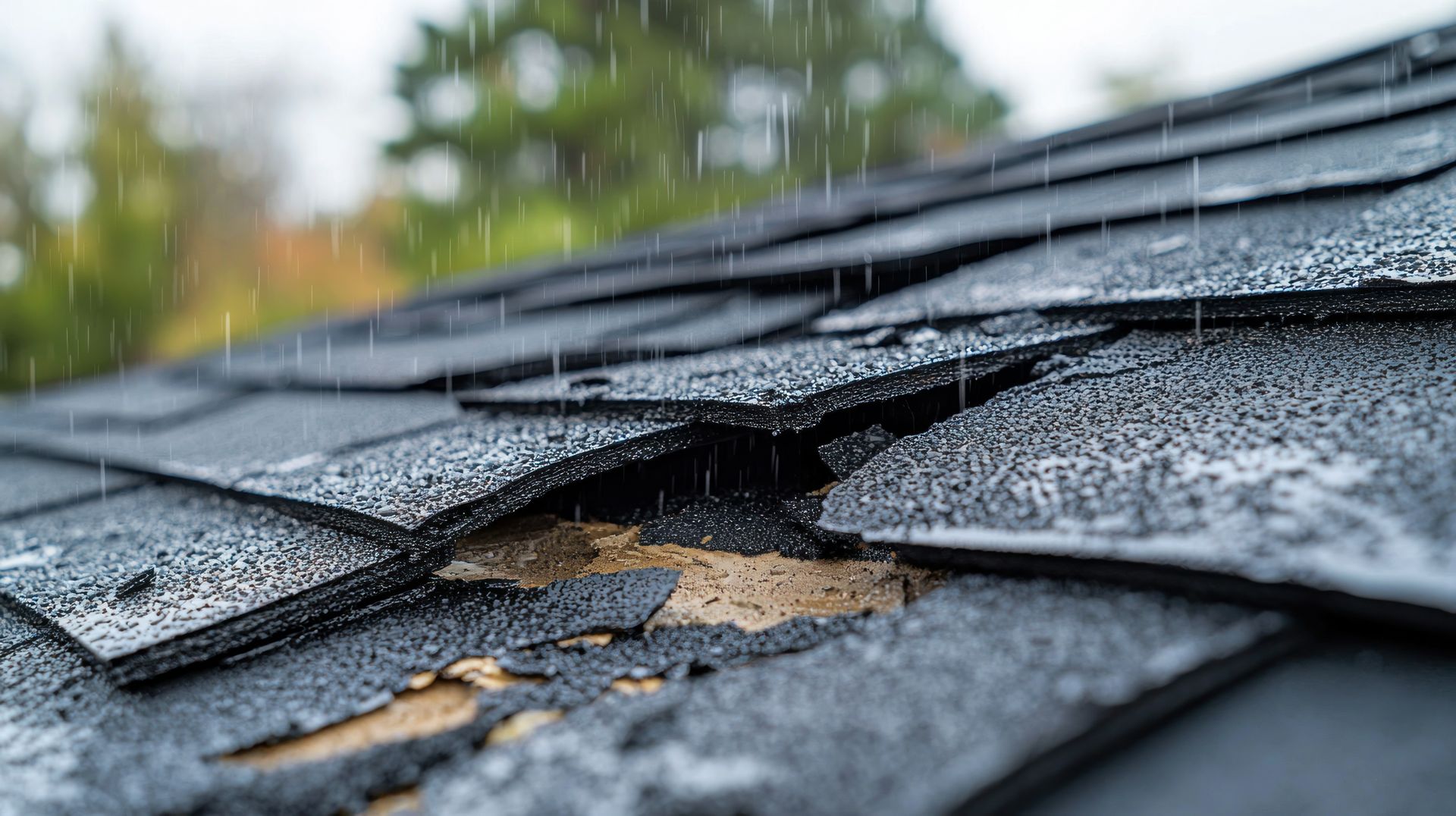
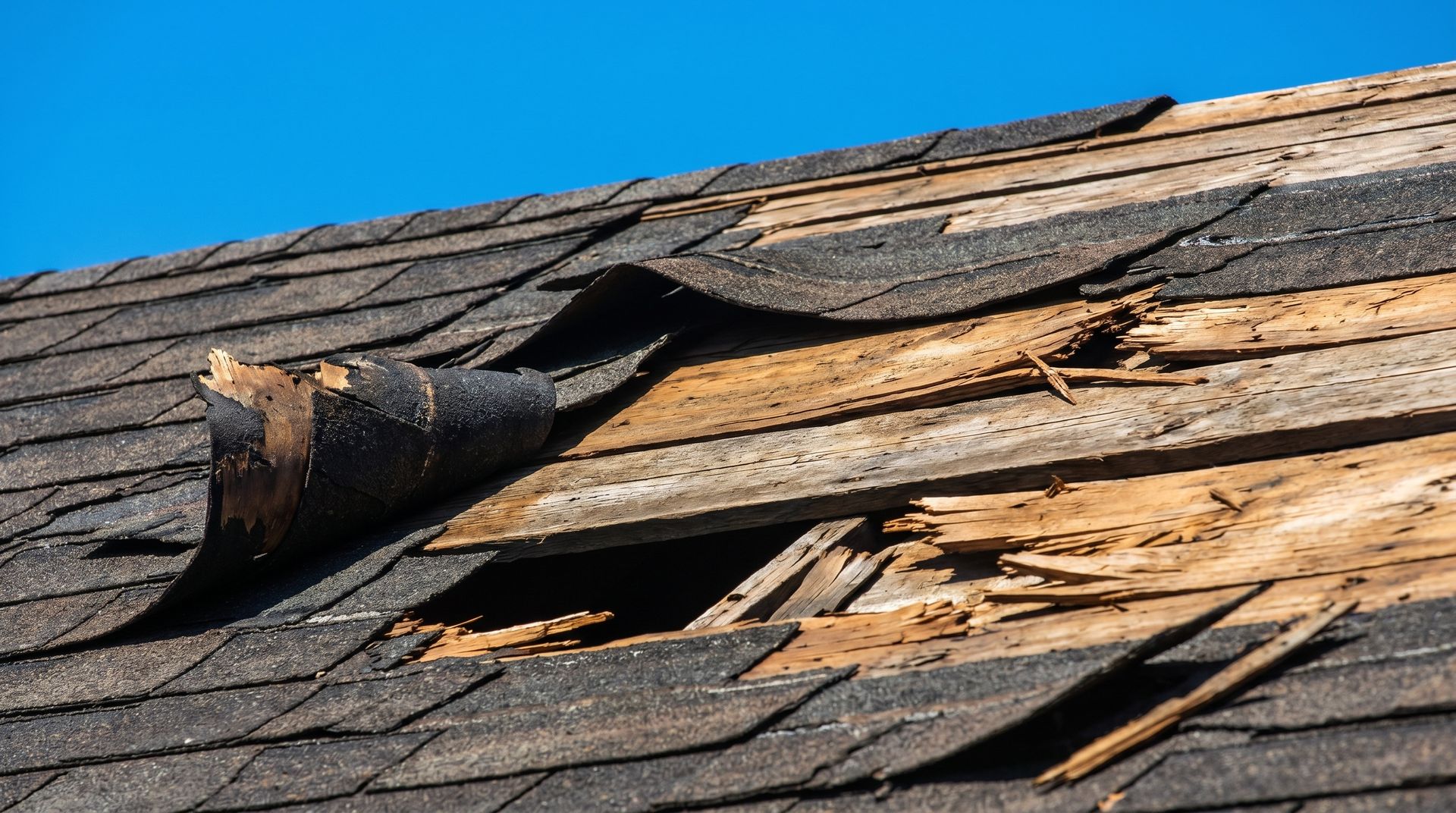
Shingles surrounding a chimney can become cracked, lifted, missing, worn, or otherwise damaged. If the surrounding roofing materials no longer shed water correctly, moisture can reach the roof deck or flashing system beneath them.
Pay attention to shingles that appear:
- Cracked or broken
- Curled or lifted
- Missing
- Loose
- Damaged near flashing
- Different from surrounding shingles because of an old repair
A professional
roof inspection can evaluate both the chimney flashing and surrounding roofing materials rather than assuming the first visible defect is the only source of the leak.
4. Problems With the Chimney Masonry
Not every apparent chimney roof leak originates in the roofing materials.
Brick, stone, mortar joints, chimney crowns, and other masonry components can deteriorate over time. Cracks or other defects may allow moisture into the chimney assembly.
This distinction matters because repairing roof flashing will not correct a water-entry problem that actually originates higher on the chimney.
When diagnosing a leak, the roofer may need to determine whether the water is entering through the roof-to-chimney intersection or whether the chimney itself shows signs of deterioration that should be evaluated by an appropriate masonry or chimney professional.
5. Water Collecting Behind the Chimney
The uphill side of a chimney interrupts the natural path of water moving down the roof.
Depending on the chimney's size and roof configuration, this area needs to be designed so water can move around the chimney instead of collecting behind it.
Some roofs use a chimney cricket or saddle to help divert water around the uphill side of the chimney.
Leaves, pine needles, twigs, and other debris can also accumulate behind a chimney. Debris may slow drainage and hold moisture against roofing and flashing components.
Keeping this area clear is one reason routine
roof maintenance is important, especially for Pennsylvania properties surrounded by mature trees.
6. Problems With Previous Roof or Chimney Repairs
Past repairs can sometimes contribute to current leaks.
A chimney area may have been patched several times over the years without correcting the underlying water-management problem. Roofing materials may also have been replaced without properly integrating new flashing with the existing chimney.
Warning signs of a previous repair problem can include:
- Excessive roofing cement or sealant
- Mismatched flashing pieces
- Loose metal
- Repeated patches in the same area
- Poorly integrated shingles
- A leak that repeatedly returns after repairs
The goal of a professional repair should be to identify the source of water entry rather than simply covering the area where water happens to appear.
How Can You Tell If Chimney Flashing Is Leaking?
Signs of a chimney flashing leak can appear both inside and outside the home.
Homeowners may notice:
- Water stains on the ceiling near the chimney
- Damp drywall or plaster
- Moisture in the attic around the chimney
- Peeling or bubbling paint
- Musty odors
- Visible staining on chimney-adjacent materials
- Water appearing during or shortly after rain
- Loose or visibly damaged flashing
These symptoms can point toward a roofing problem, but they don't prove that flashing is the source.
That's why leak diagnosis matters.
Overmyer Roofing's
roof leak repair service begins with identifying the source of the leak before recommending repair work.
Why Can Chimney Roof Leaks Be Difficult to Find?
Water doesn't always travel straight down from the point where it enters.
After penetrating the exterior roofing system, moisture may travel along roof decking, framing, fasteners, or other materials before it becomes visible on a ceiling or wall.
That means a stain beside the chimney may originate from:
- Chimney flashing
- Nearby shingles
- A roof penetration
- A roof-to-wall intersection
- The chimney itself
- Another defect farther upslope
This is why diagnosing the source is more useful than assuming that the wettest-looking interior area identifies the exterior failure.
Can You Fix a Chimney Roof Leak With Caulk?
Caulk or roofing sealant may be appropriate for specific details as part of a correctly designed repair, but simply applying sealant over an unknown leak is not a reliable diagnosis.
If damaged flashing, shingles, masonry, or another component is causing the problem, covering the visible area with sealant may leave the underlying issue unresolved.
A lasting repair starts by determining:
- Where water is entering
- Why that area is allowing water through
- Which roofing or chimney component has failed
- What repair will restore proper water management
That approach helps avoid repeatedly treating the symptom while moisture continues to enter elsewhere.
Does a Chimney Leak Mean You Need a New Roof?
Not necessarily.
The National Roofing Contractors Association notes that a leaking roof does not automatically require complete replacement. Leaks can result from loose flashing or localized roof damage.
Whether repair or replacement makes sense depends on factors such as the location and extent of the damage, the condition of surrounding materials, the age and overall condition of the roof, and whether problems are isolated or widespread.
If the problem is limited to the chimney area and the rest of the roofing system remains in good condition, a targeted repair may be possible.
If an inspection reveals widespread deterioration or multiple failures, broader work may make more sense.
What Should You Do When Water Is Leaking Around Your Chimney?
If you notice active water intrusion around your chimney, address it promptly.
Start by protecting furniture, flooring, and belongings beneath the affected area if it is safe to do so. Avoid climbing onto a wet, icy, steep, or otherwise unsafe roof to investigate the problem yourself.
Then arrange for a professional evaluation.
A roofer can inspect the roofing components around the chimney and determine whether the source involves flashing, shingles, another roof component, or a condition that may require a chimney or masonry specialist.
NRCA
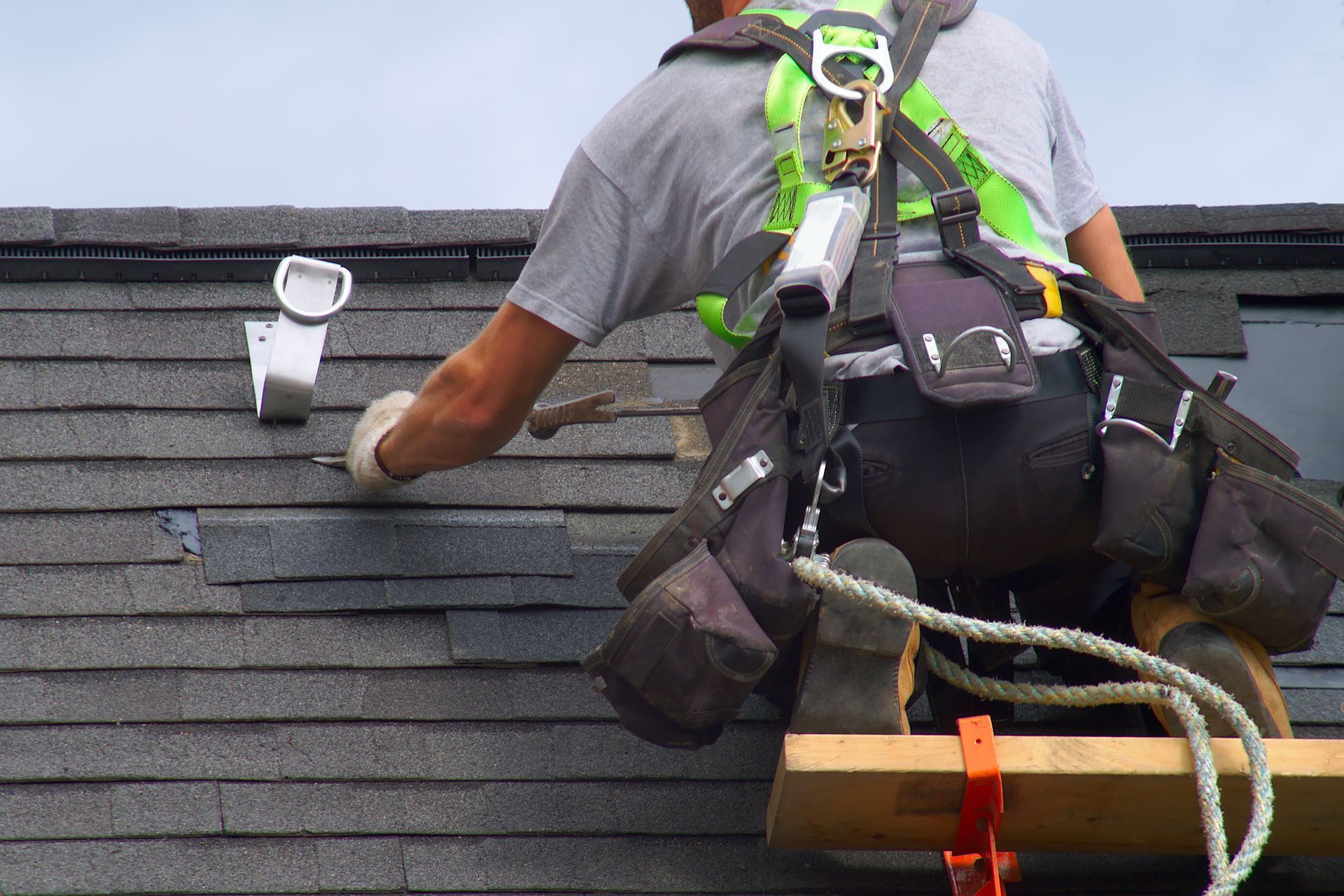
recommends leaving most roofing work to professional roofing contractors because improper techniques can damage the roof and working at height creates serious fall hazards.
Professional Roof Leak Repair in Northeast Pennsylvania
A leak around your chimney is more than an inconvenience. Left unresolved, water intrusion can affect insulation, ceilings, walls, roof decking, and other materials inside your home.
Overmyer Roofing provides professional
roof leak repairs for residential and light commercial properties throughout Monroe and Northampton Counties.
Our process begins with a detailed inspection to locate the source of the leak. We then explain what's causing the problem, recommend the appropriate repair, complete the work, and perform a final walkthrough and leak check.
With experience serving homeowners across Northeast Pennsylvania and the Poconos since 2005, our team understands how local roofs are exposed to rain, snow, wind, ice, and changing seasonal conditions.
If you've noticed water around your chimney, don't wait for the next storm to see whether it happens again. Contact Overmyer Roofing to have the source evaluated and learn what type of repair your roof actually needs.