Can You Replace a Roof in the Winter? What Pennsylvania Homeowners Should Know

October 9, 2026

If your roof starts failing as temperatures drop, you may wonder whether you need to wait until spring to replace it. Fortunately, a roof can often be replaced during the winter, provided weather conditions, temperatures, roofing materials, and manufacturer requirements allow the work to be completed safely and correctly.


For Pennsylvania homeowners, waiting several months isn't always the best option when a roof is actively leaking, severely damaged, or nearing failure. An experienced roofing contractor can evaluate your roof and determine whether winter replacement is appropriate or whether temporary repairs and later replacement make more sense.


Can a Roof Be Replaced During the Winter?

Yes, roofing work can be performed during winter, but conditions matter.


Cold temperatures can affect roofing materials, adhesives, sealants, equipment, and installation methods. Snow, ice, high winds, and freezing precipitation can also make a roof unsafe to work on. Because of these factors, winter roofing requires careful scheduling and attention to the installation requirements of the specific roofing products being used.


A professional roofing contractor should consider the roof's condition, current and forecast weather, material specifications, and jobsite safety before beginning a winter replacement.


When Should You Consider a Winter Roof Replacement?

Not every aging roof needs to be replaced immediately. However, certain problems can make waiting until warmer weather risky.


You may need to consider winter roof replacement if you have:

  • Persistent or significant roof leaks
  • Widespread missing, cracked, or damaged shingles
  • Storm or wind damage that has compromised the roofing system
  • Water entering the attic or living areas
  • Significant deterioration across large portions of the roof
  • A roof that can no longer be effectively repaired


If you're unsure how serious the problem is, scheduling a professional roof inspection can help determine whether repair, replacement, or continued monitoring is appropriate.

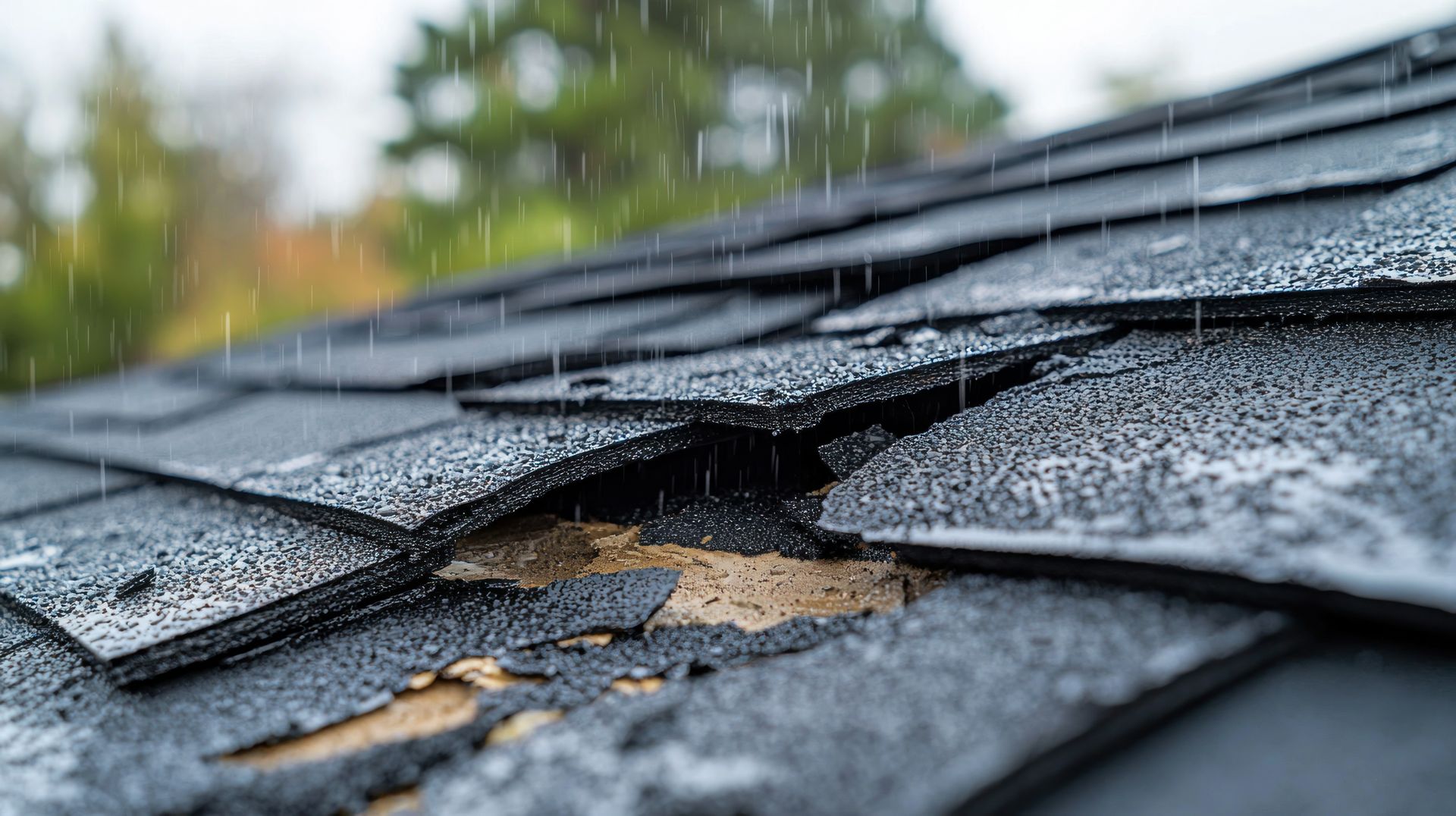
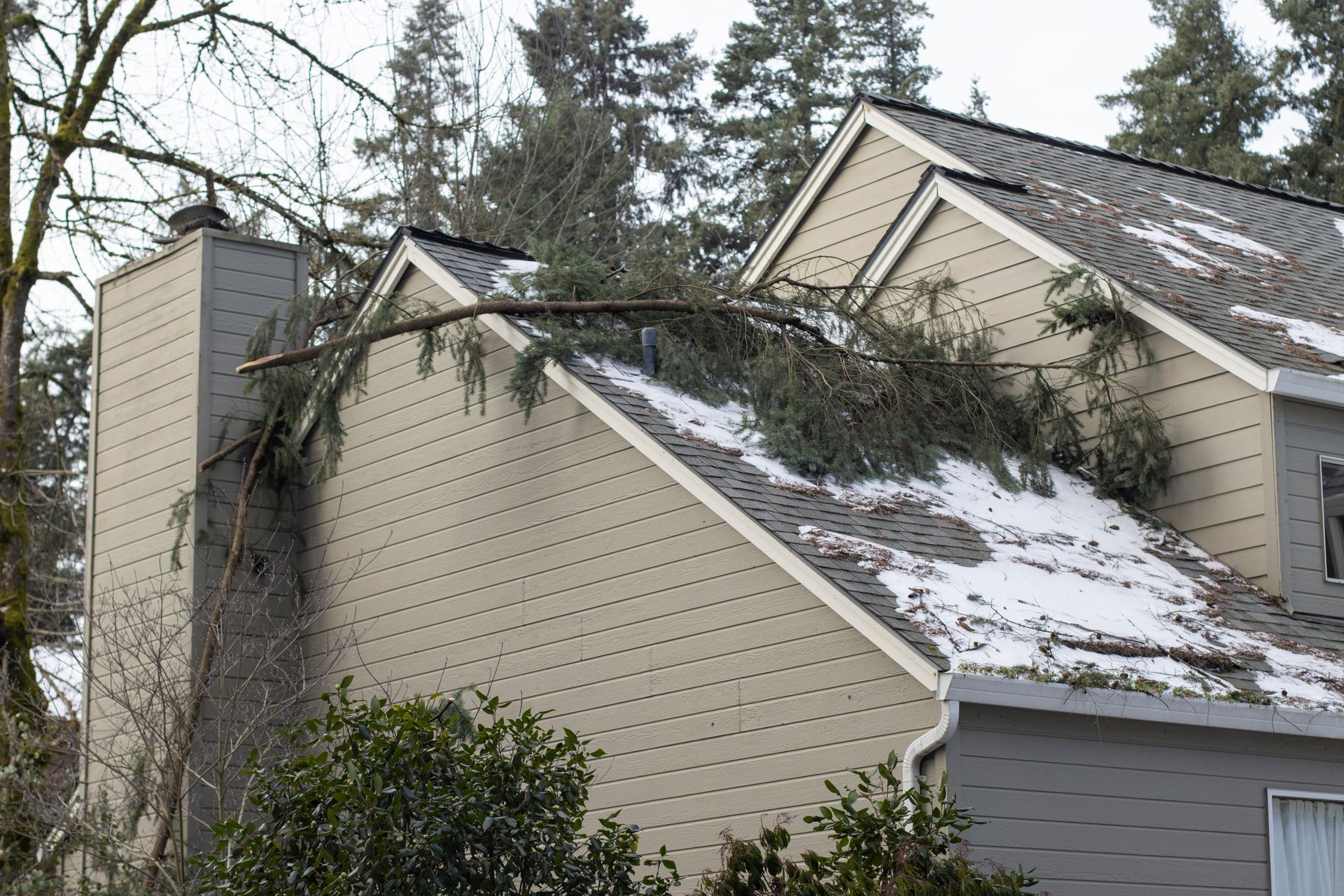
Winter storm damage on a roof

How Does Cold Weather Affect Asphalt Shingles?

Asphalt shingles behave differently in cold temperatures. They can become less flexible, which means they may require additional care during handling and installation.


Many asphalt shingles also include factory-applied sealant designed to help shingles bond together after installation. In colder weather, that sealing process may take longer because sufficient warmth is needed for the sealant to activate properly.


That doesn't automatically mean asphalt shingles cannot be installed in winter. Roofing professionals should follow the roofing manufacturer's installation instructions, including any cold-weather requirements.


The Asphalt Roofing Manufacturers Association (ARMA) provides technical guidance explaining that additional care may be necessary when installing asphalt shingles in cold weather.


What Weather Conditions Can Delay Winter Roofing?

Temperature isn't the only factor determining whether roofing work can proceed.


A roofing contractor may postpone installation because of:

  • Snow or ice on the roof
  • Freezing rain or precipitation
  • Strong winds
  • Wet or slippery surfaces
  • Unsafe working conditions
  • Weather that conflicts with product installation requirements


These delays are important safety and quality precautions. A responsible roofing company should prioritize proper installation and safe working conditions rather than rushing a project because it is already scheduled.


Pennsylvania weather can change quickly during the winter, so flexibility may be necessary when scheduling roofing work during colder months.


Is It Better to Wait Until Spring to Replace a Roof?

Sometimes, but not always. If your roof is still performing properly and replacement is primarily preventative, waiting for milder weather may be reasonable. However, delaying a necessary replacement can allow existing damage to worsen.


A compromised roof can expose the roof deck, insulation, attic, ceilings, walls, and other parts of your home to moisture. What begins as a roofing problem can become a more extensive repair if water continues entering the structure.


If your concern is an active leak, Overmyer Roofing's roof leak repair services can help determine where water is entering and what needs to be done to protect the home.

The right decision depends on the roof's actual condition, not simply the season.


Can Roof Repairs Be Done During the Winter?

Many roof repairs can also be completed during winter when conditions are safe and compatible with the required materials.


For example, a contractor may be able to address damaged shingles, flashing problems, or certain sources of water intrusion without replacing the entire roof. Other situations may require temporary measures until conditions permit a permanent repair.


Because roof leaks aren't always caused by an obvious problem directly above the visible water stain, professional evaluation is important. Water can travel along decking, framing, or other building components before becoming visible inside the home.


Why Should You Address Roof Problems Before Heavy Snow?

Existing roofing problems can become more concerning once winter weather arrives.


Snow, ice, freeze-thaw cycles, and winter precipitation can expose vulnerabilities in an already compromised roofing system. Moisture may enter through damaged shingles, flashing, penetrations, or other weak points.


Winter can also make emergency repairs more difficult if snow or ice makes the roof unsafe to access.


Addressing known problems before severe winter weather arrives gives homeowners more options and can reduce the likelihood of dealing with an urgent roofing issue during a storm.


How Can You Prepare for a Winter Roof Replacement?

If your contractor determines that winter replacement is appropriate, homeowners can make the process easier by preparing the property before work begins.


Consider:

  • Keeping driveways and access areas clear
  • Moving vehicles away from the work zone
  • Removing outdoor items near the house
  • Discussing snow or ice conditions with your contractor
  • Confirming how weather-related schedule changes will be communicated
  • Making sure contractors can safely access the property


Your roofing contractor should explain what to expect before installation begins and notify you if weather conditions require the schedule to change.


Should You Replace Your Roof Now or Wait?

The safest way to make that decision is to have the roof professionally evaluated.


A roof with minor wear may be able to wait until spring. A roof with active leaks, substantial storm damage, or widespread deterioration may need more immediate attention.


Overmyer Roofing provides roof replacement services for Pennsylvania homeowners and can evaluate the condition of your existing roofing system before recommending the appropriate next step.


If you're concerned about making it through another Pennsylvania winter, don't rely on guesswork. A professional assessment can help you understand whether your roof needs replacement now, can be repaired, or can safely wait until warmer weather.


Schedule a Roof Evaluation With Overmyer Roofing

Winter doesn't automatically mean roofing work has to stop. When conditions allow and installation requirements can be met, roof replacement may still be possible during colder months.


Overmyer Roofing helps homeowners throughout Northeast Pennsylvania evaluate damaged and aging roofs and choose an appropriate solution for their property.


Contact Overmyer Roofing to schedule an inspection or discuss whether winter roof replacement is right for your home.
  • Can you install asphalt shingles in cold weather?

    Asphalt shingles can sometimes be installed during cold weather, but contractors must account for the way lower temperatures affect handling and sealing. Installation should follow the roofing manufacturer's instructions and applicable cold-weather procedures.

  • What temperature is too cold to replace a roof?

    There is no single temperature that applies to every roofing product and installation. Requirements vary by manufacturer, material, installation method, and site conditions. A roofing professional should check the specifications for the products being installed.

  • Will new shingles seal during winter?

    Shingles with factory-applied sealant generally require sufficient warmth for the sealant to activate. During cold weather, sealing may take longer. Contractors should follow manufacturer instructions regarding sealing and any additional cold-weather installation requirements.

  • Is winter roof replacement more difficult?

    Winter roofing can require additional planning because contractors must account for cold materials, shorter daylight hours, snow, ice, wind, and changing weather conditions. Experienced contractors can determine when conditions are appropriate for work.

  • Should I wait until spring if my roof is leaking?

    Not without having the leak evaluated first. Waiting could allow moisture damage to worsen. A roofing contractor can determine whether the roof can be repaired, requires replacement, or needs temporary protection until permanent work can be completed.

Close-up of a gray shingle roof on a house with a green gable and trees in the background
September 18, 2026
Learn the main parts of a roof, from decking and underlayment to flashing, valleys, vents, fascia, soffits, gutters, and more.
Metal chimney flashing on a brick chimney with asphalt roof shingles
September 9, 2026
Is your roof leaking around the chimney? Learn how flashing, shingles, seals, masonry, and drainage can cause chimney-area roof leaks.
Fallen yellow and orange leaves on sunlit dark roof shingles
September 4, 2026
Prepare your Pennsylvania roof for winter with this fall roof maintenance checklist covering shingles, gutters, flashing, leaks, and more.
Gloved hands installing black roofing underlayment on a wooden roof deck
August 21, 2026
Learn what roof underlayment is, how it protects your roof deck, common types, and why proper installation matters for your home.
Slate roof with a brick chimney and small vent under a clear sky
August 17, 2026
Learn eight factors that affect roof replacement cost, from roof size and materials to pitch, decking, ventilation, and project complexity.
Damaged roof shingles with a broken, exposed section after rain
August 14, 2026
Learn seven common causes of roof leaks, the warning signs to watch for, and when to call a professional roofer for repairs.
House roof with dark shingles and a partially repaired plywood section, viewed from above near trees
August 11, 2026
Learn how long roof replacement takes, what can affect the timeline, and what to expect during a professional roof installation.
Roof under construction with exposed plywood sheathing and sections of old dark shingles, viewed from above.
July 24, 2026
Not sure if your roof needs repairs or replacement? Learn the key factors to consider and schedule a professional roof inspection with Overmyer Roofing.
Gloved hands installing gray asphalt shingles on a roof
July 17, 2026
Learn what to expect during a professional roof inspection and discover how routine evaluations help protect your home and extend your roof's lifespan.
Roofing worker on a sloped shingle roof, wearing a safety harness and reaching toward a vent pipe.
July 10, 2026
Learn how routine roof maintenance and inspections can help extend the life of your roof and protect your home from costly repairs.
Show More