Why Is Fall Roof Maintenance Important in Pennsylvania?
Pennsylvania roofs experience changing conditions throughout the year, from summer heat and thunderstorms to cold temperatures, snow, and ice.
By fall, your roof may already have experienced months of sun exposure, wind, heavy rain, falling branches, and other seasonal wear. Winter can add another layer of stress as temperatures fall and precipitation begins to freeze.
Completing fall roof maintenance helps identify vulnerable areas before those winter conditions arrive.
Routine maintenance can help:
- Identify loose, damaged, or missing roofing materials
- Find potential leak sources before winter
- Keep gutters and downspouts draining properly
- Catch damaged flashing and sealants
- Identify debris accumulation
- Detect signs of moisture intrusion
- Give homeowners a clearer picture of their roof's overall condition
The
National Roofing Contractors Association recommends homeowners look for roofing problems during the fall and spring, including cracked or curling shingles and gutters filled with leaves and other debris.
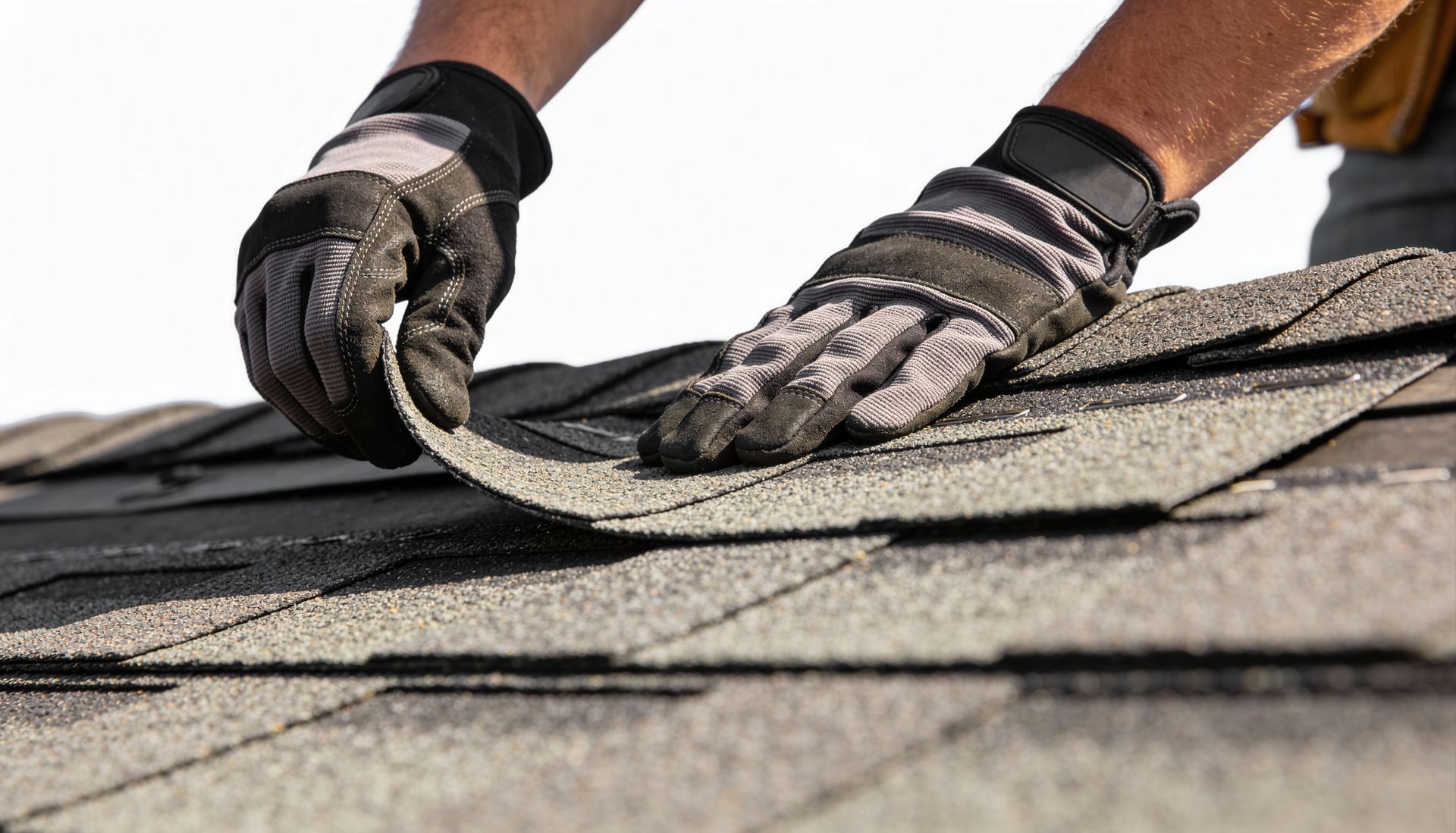
1. Check for Missing or Damaged Shingles
Start your fall roof checklist by looking at the visible roofing surface from the ground.
Look for signs such as:
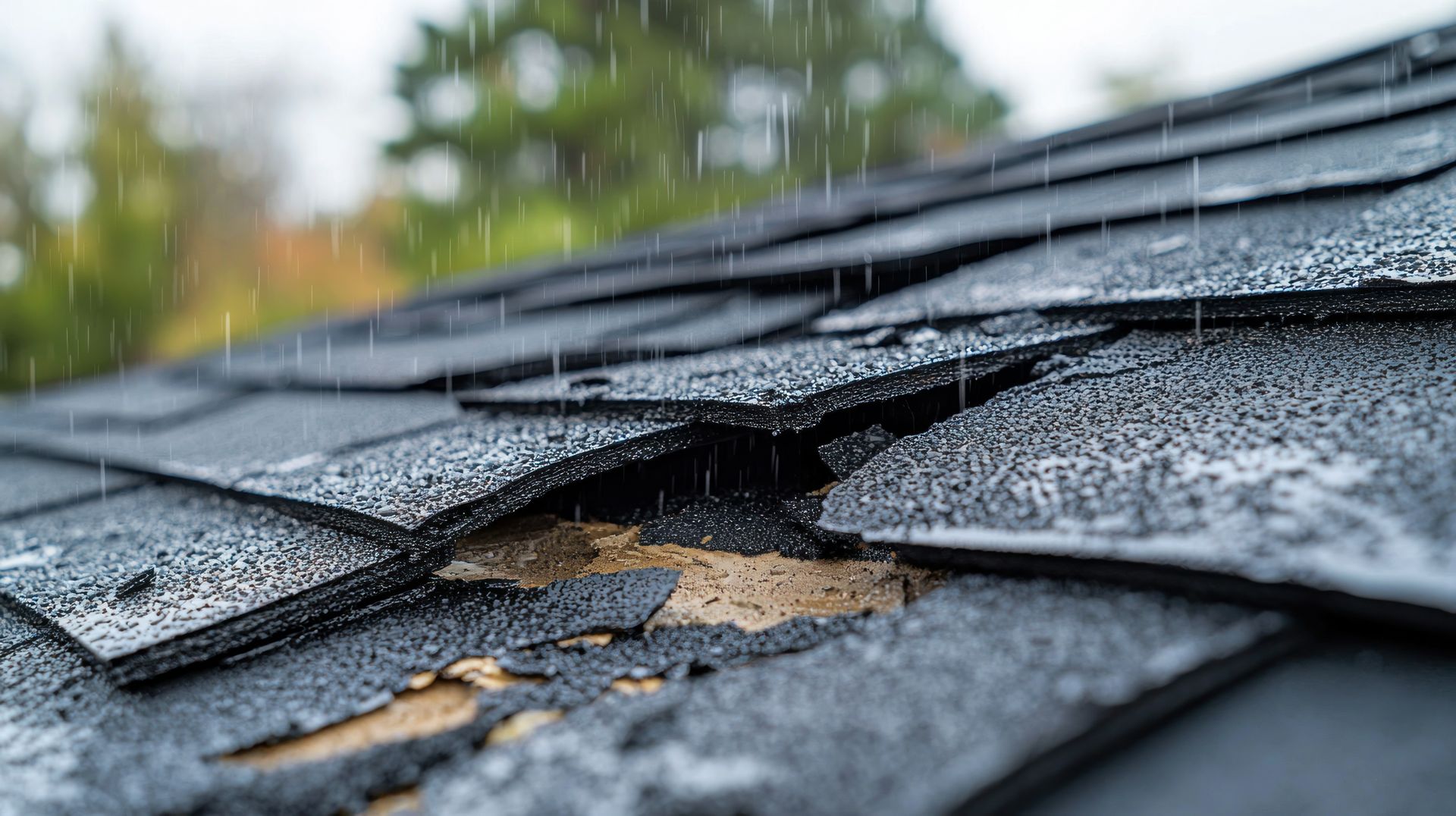
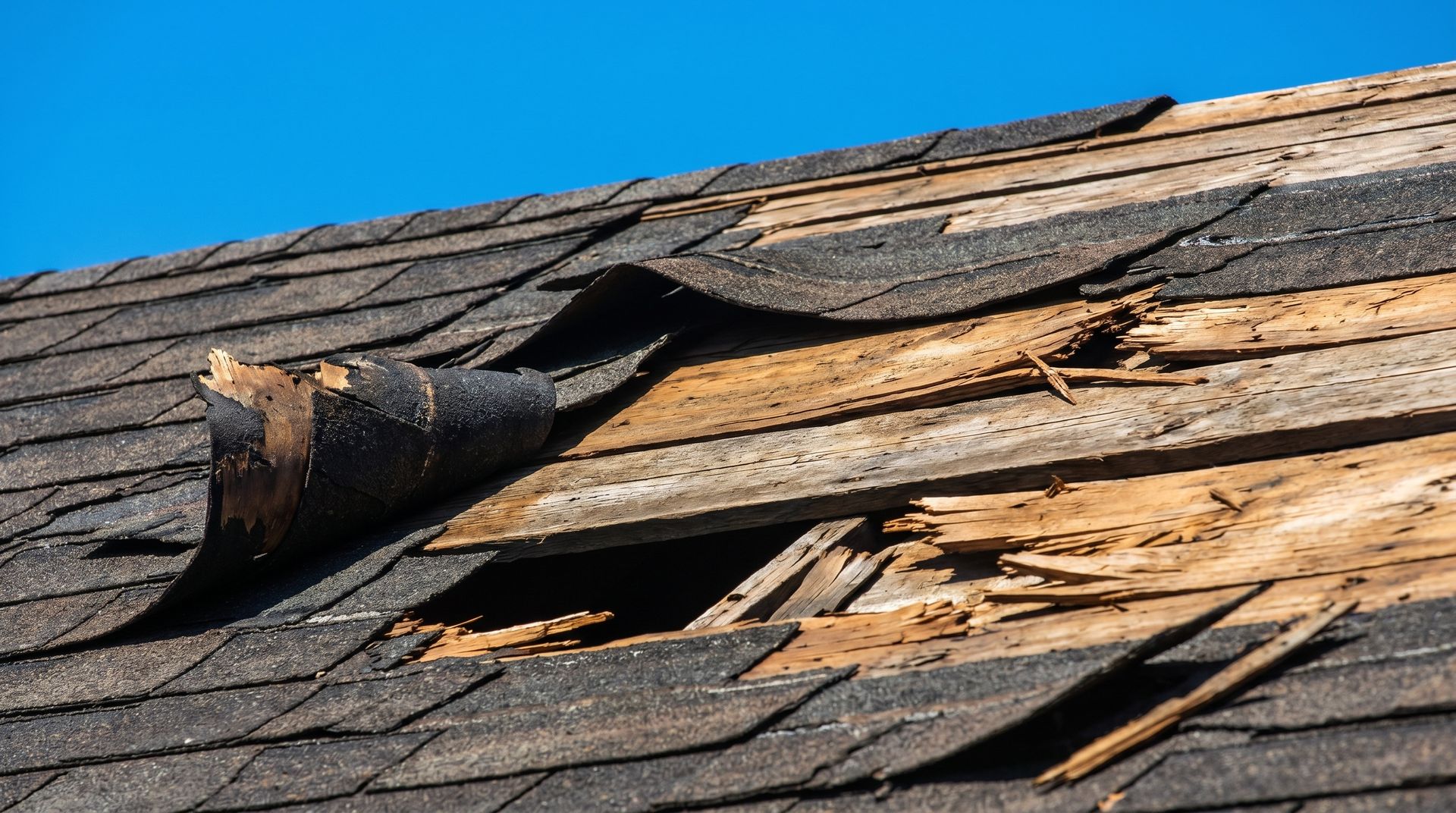
- Missing shingles
- Cracked shingles
- Curling or lifted edges
- Shingles that appear out of place
- Areas with obvious discoloration or damage
- Excessive granules collecting near downspouts
Damaged or displaced shingles can leave areas of the roofing system more vulnerable to moisture.
You do not need to climb onto the roof to perform this initial check. Binoculars or a clear ground-level view can help you spot obvious concerns. If something looks damaged or you cannot safely see an area, a professional
roof inspection can provide a more complete assessment.
2. Clear Leaves and Debris From the Roof
Pennsylvania's fall foliage can leave roofs covered with leaves, pine needles, twigs, and other organic debris.
When debris collects in valleys or other drainage areas, it can interfere with the normal movement of rainwater and melting snow. Wet organic material can also hold moisture against roofing components.
Pay particular attention to:
- Roof valleys
- Areas beneath overhanging trees
- Around chimneys
- Around skylights and vents
- Low-slope sections where debris may collect
Roof cleaning can be hazardous, especially on steep, wet, or high roofing surfaces. Homeowners should avoid walking on a roof if they do not have the appropriate equipment and experience.
3. Clean and Check Your Gutters and Downspouts
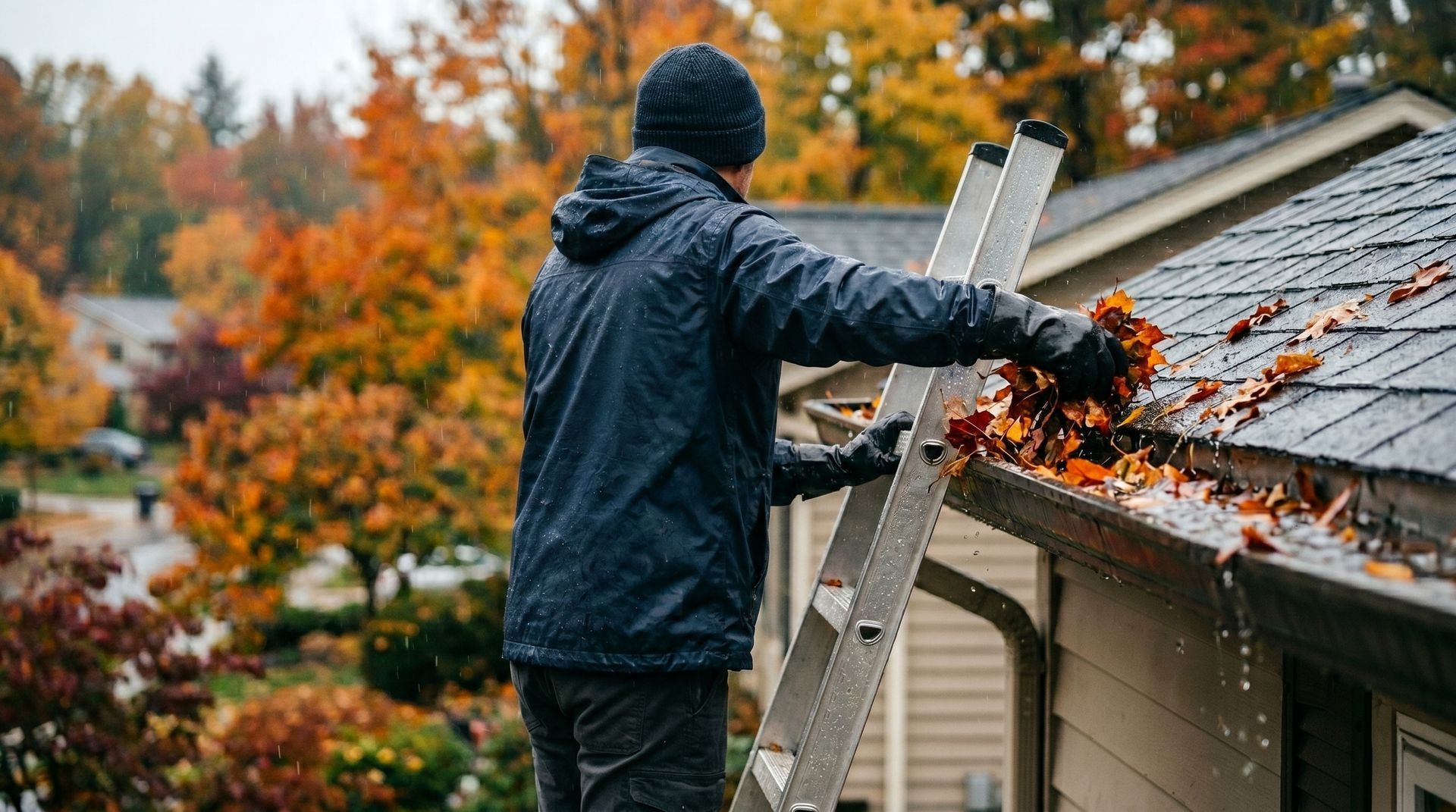
Gutters are an important part of your home's water-management system. During autumn, falling leaves can quickly clog gutters and downspouts.
Check for leaves, twigs, shingle granules, and other debris that could prevent water from draining properly.
Also look for:
- Sagging gutter sections
- Loose fasteners
- Leaking seams
- Damaged downspouts
- Water spilling over gutter edges
- Downspouts that do not direct water away from the home
Keeping drainage pathways clear becomes especially important as winter approaches. Water that cannot drain properly may contribute to moisture problems around the roof edge and exterior of the home.
If your existing system is damaged or no longer handling runoff effectively, Overmyer Roofing also provides
gutter installation for homeowners throughout Monroe and Northampton Counties.
4. Inspect Flashing Around Chimneys and Roof Penetrations
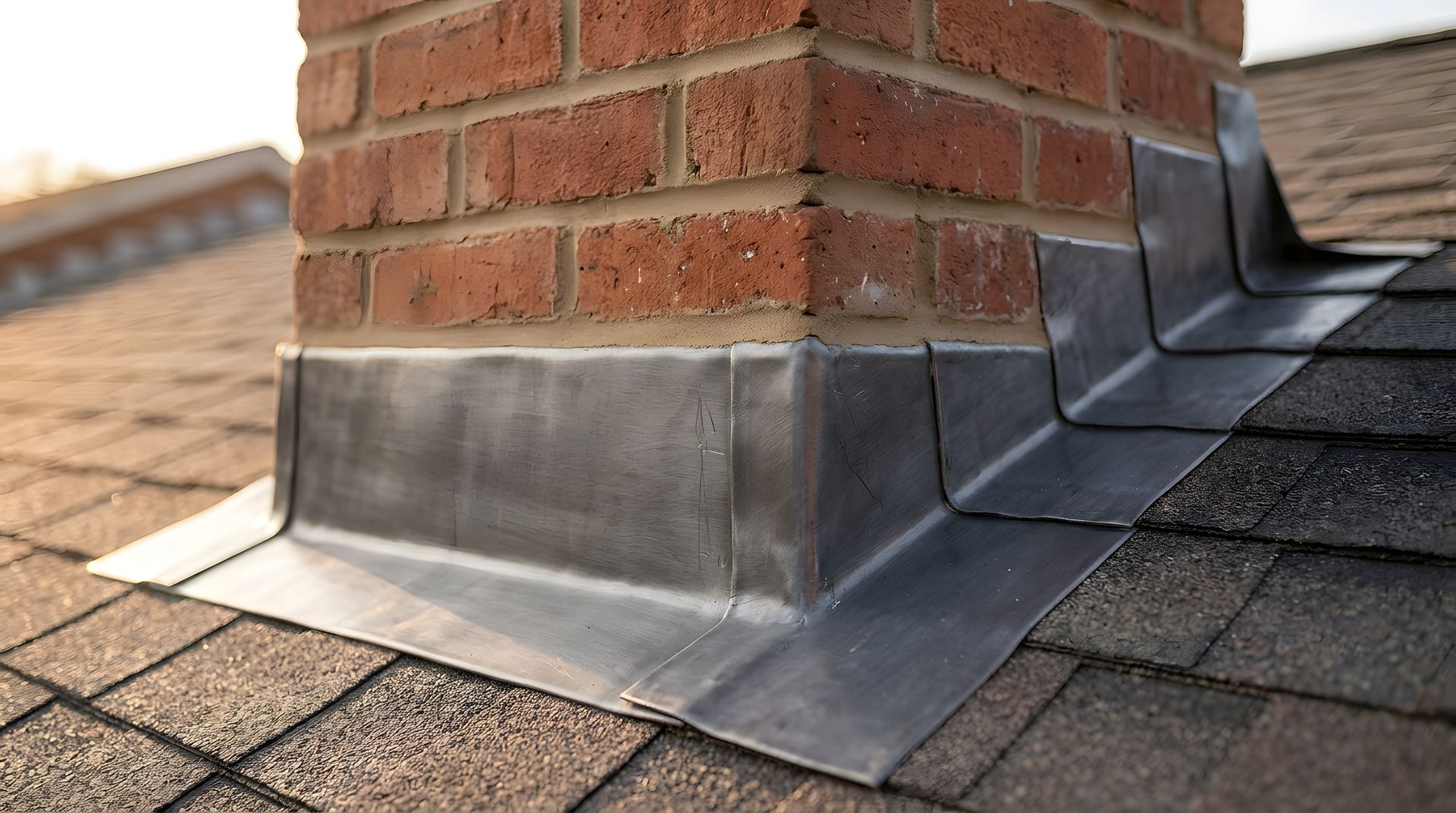
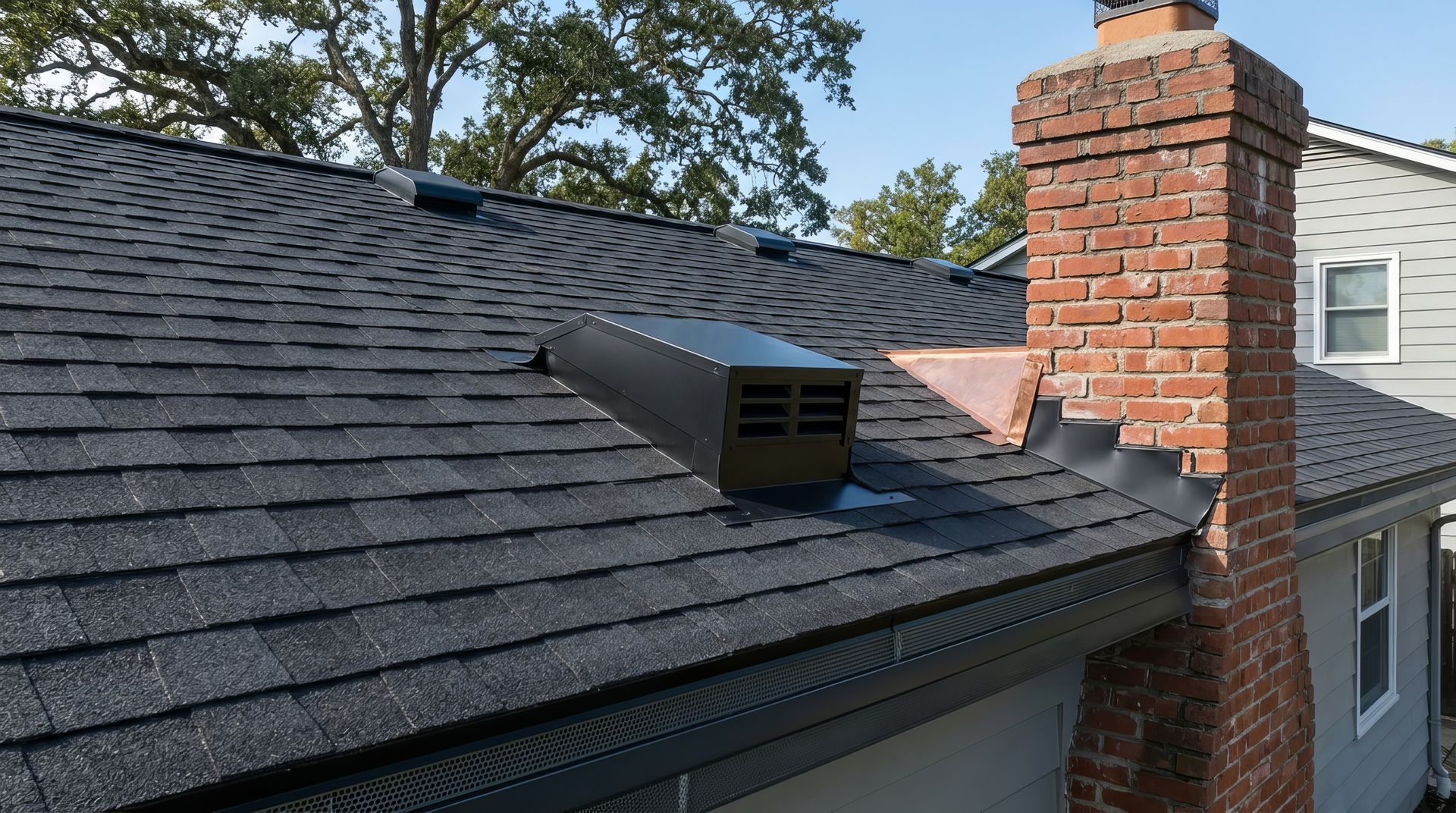
Flashing helps direct water away from vulnerable areas where the roofing system meets another surface or penetration.
Depending on your roof, flashing may be found around:
- Chimneys
- Skylights
- Plumbing vents
- Roof-to-wall intersections
- Valleys
- Other roof penetrations
Loose, deteriorated, or damaged flashing can create an entry point for water.
Fall is a good time to have these areas checked because small vulnerabilities may become more noticeable once winter brings snow, ice, and repeated freezing and thawing.
5. Look for Signs of Roof Leaks Inside Your Home
Not every roofing problem is obvious from outside.
Check ceilings, upper-floor rooms, and accessible attic areas for possible signs of moisture intrusion, including:
- Water stains
- Damp insulation
- Darkened or discolored wood
- Peeling or bubbling paint
- Musty odors
- Visible moisture
- Mold or mildew-like growth
A stain does not necessarily tell you exactly where water entered the roofing system. Water can travel along decking, rafters, and other building components before appearing inside the living space.
If you notice signs of active water intrusion, schedule professional
roof leak repair rather than waiting for winter weather to make the problem worse.
6. Pay Attention to Your Attic
Your attic can provide important clues about how the entire roof assembly is performing.
In addition to looking for water intrusion, pay attention to ventilation and insulation conditions. A dry, properly insulated and ventilated attic is particularly important during cold weather.
The
U.S. Department of Energy explains that good air sealing, attic insulation, and appropriate ventilation can help reduce conditions that contribute to ice dam formation.
If you notice damp insulation, condensation, visible moisture, or other unusual attic conditions, those symptoms are worth investigating before winter.
7. Check Trees and Branches Near the Roof
Fall is also a useful time to look at the trees surrounding your home.
Branches hanging directly over the roof can drop leaves, twigs, and other debris onto the roofing surface and into gutters. Dead or damaged limbs may also pose a risk during high winds, heavy snow, or ice.
Look for limbs that:
- Touch or scrape the roofing surface
- Hang over vulnerable roof sections
- Appear dead, cracked, or unstable
- Deposit large amounts of debris onto the roof
Tree trimming can involve significant safety risks, particularly near a home or utility lines. Large or hazardous limbs should be evaluated by an appropriate tree-care professional.
8. Look at Fascia, Soffits, and Roof Edges
The edges of your roofing system deserve attention, too.
From the ground, look for signs of deterioration around fascia and soffit areas, such as:
- Peeling paint
- Warped materials
- Visible rot
- Staining
- Gaps or damaged sections
The
U.S. Department of Energy identifies issues such as warped or rotted soffit and fascia materials, worn shingles near roof edges, and wet attic insulation as potential signs of water intrusion.
These symptoms do not automatically mean your roof needs replacement, but they are good reasons to investigate the source of the moisture.
9. Schedule a Professional Fall Roof Inspection
A homeowner can identify some obvious problems from the ground, but many roofing concerns are difficult to evaluate without professional experience.
A professional inspection can assess components such as:
- Shingles or metal panels
- Flashing
- Vents
- Chimney seals
- Gutters and drainage
- Roof decking and underlayment where conditions allow
- Signs of water intrusion
- Storm-related damage
- Accessible attic conditions
Overmyer Roofing provides professional
roof inspections throughout Monroe and Northampton Counties, with clear recommendations based on the roof's condition.
An inspection can be especially useful if your roof is older, has been through severe weather, has not been evaluated recently, or is already showing signs of a problem.
What Roof Maintenance Should You Do Before Winter?
Before winter, homeowners should focus on keeping the roofing and drainage systems clear, looking for visible damage, checking for moisture intrusion, and addressing known problems before snow and ice arrive.
A simple fall roof maintenance checklist includes:
- Check for missing, cracked, or lifted shingles
- Remove accumulated roof debris safely
- Clean gutters and downspouts
- Check visible flashing
- Look for ceiling and attic moisture
- Inspect fascia and soffits from the ground
- Check nearby tree limbs
- Address known leaks
- Schedule a professional inspection when needed
The goal is not to make unnecessary repairs. It is to understand the condition of your roof and resolve legitimate concerns before winter makes them more difficult to address.
Should You Perform Fall Roof Maintenance Yourself?
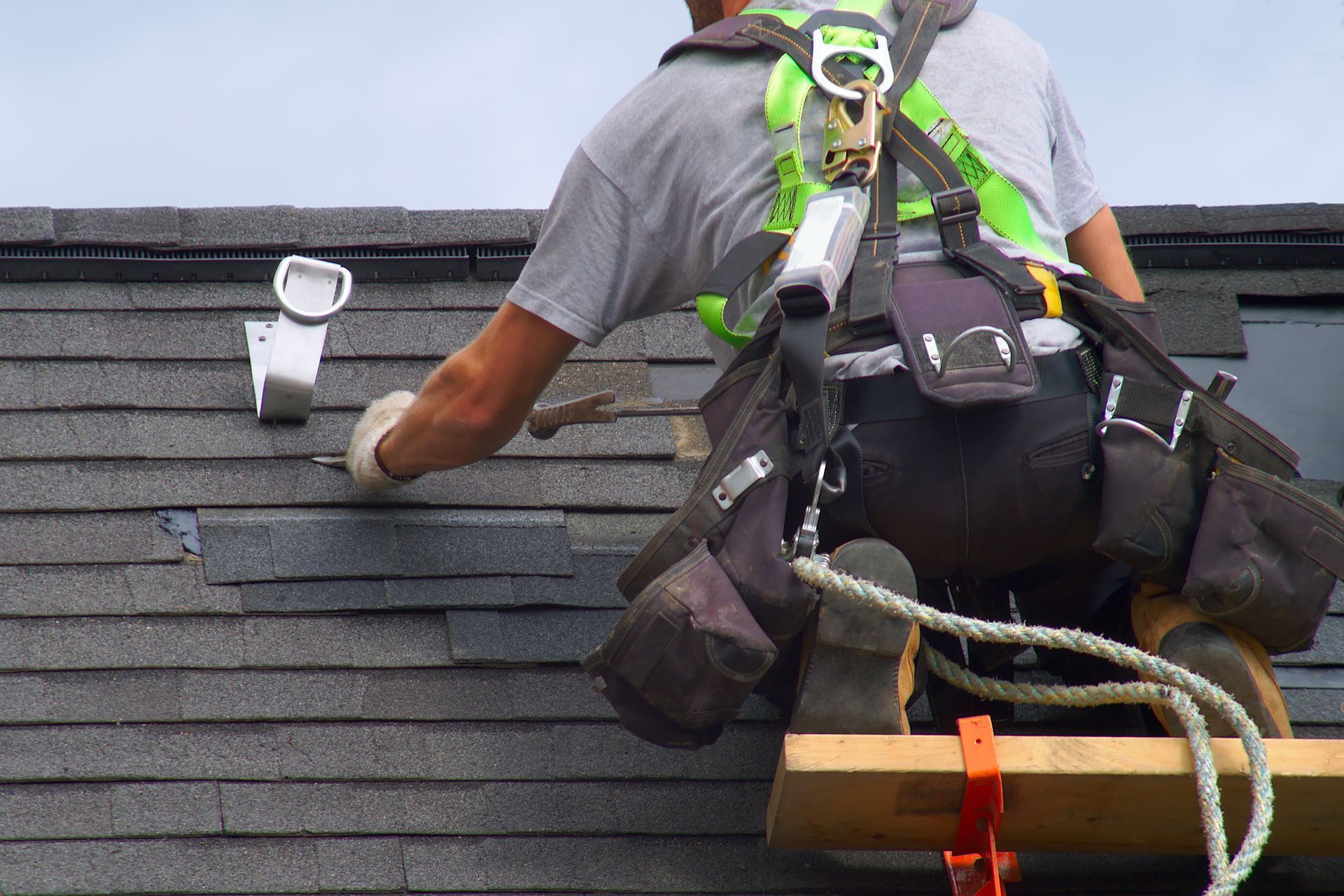
There are several things homeowners can safely observe from the ground, but roofing work itself can be dangerous.
The National Roofing Contractors Association advises that most roofing work should be left to professional roofing contractors because of both fall risks and the possibility of damaging roofing materials through improper techniques.
For homeowners, the safest approach is generally to perform visual checks from the ground and leave climbing, detailed inspections, repairs, and work on steep or slippery surfaces to trained professionals.
Prepare Your Pennsylvania Roof for Winter With Overmyer Roofing
Fall is an ideal time to make sure your roof is ready for the colder months ahead.
Overmyer Roofing provides professional
roof maintenance designed to identify early signs of wear, keep critical roofing components in good condition, and help homeowners avoid unexpected problems.
Our maintenance services can include visual evaluations of shingles, flashing, vents, and sealants; debris removal; gutter and downspout checks; attention to vulnerable areas around chimneys and skylights; and identification of potential leaks or deterioration.
As a locally owned roofing company serving Monroe and Northampton Counties, Overmyer Roofing understands the seasonal conditions roofs face throughout Northeast Pennsylvania and the Pocono Mountains.
If you want to know whether your roof is ready for winter, contact Overmyer Roofing to schedule professional roof maintenance or an inspection.