What Are Ice Dams and How Can They Damage Your Roof?
Winter weather can create serious challenges for residential roofs, especially in Pennsylvania, where snow accumulation and fluctuating temperatures are common. One problem homeowners may encounter is the formation of ice dams along the edges of their roofs.
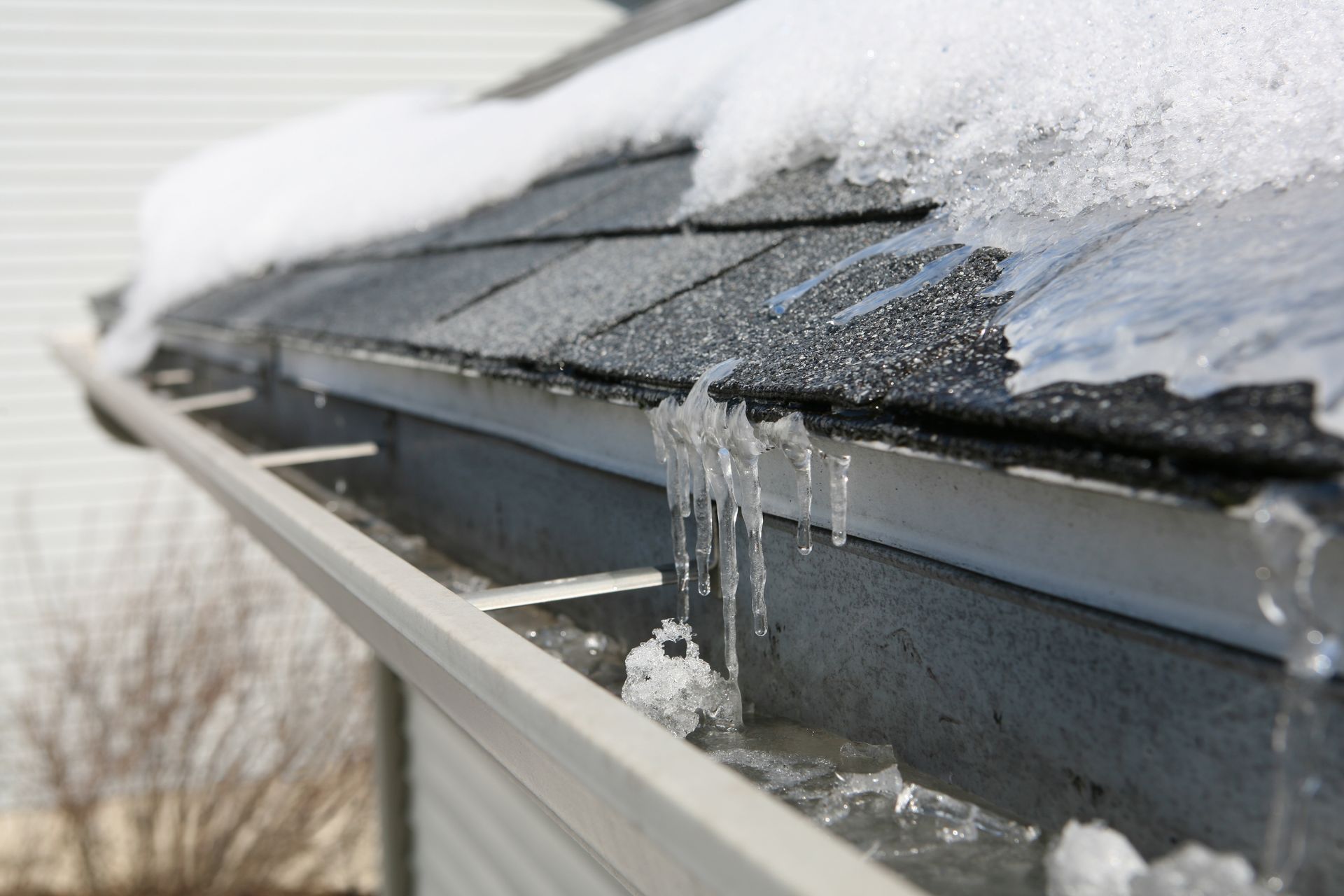
Ice dams are ridges of ice that form near roof edges when melting snow refreezes before it can drain away. As additional snow melts, water can collect behind the ice and potentially work beneath roofing materials, causing leaks and moisture damage.
Understanding what causes ice dams, how to recognize them, and what steps can help prevent them is important for protecting your home throughout the winter.
What Causes Ice Dams on a Roof?
Ice dams develop when different areas of a roof have different surface temperatures.
During winter, heat escaping from the living space or other heat sources can warm portions of the roof. Snow on those warmer areas begins to melt, and the resulting water flows toward the colder roof edges.
When that water reaches an area below freezing, it refreezes. Repeated melting and freezing can create a growing ridge of ice that prevents additional water from draining properly.
Several factors can contribute to ice dam formation:
- Inadequate attic insulation: Heat escaping from living areas can warm the roof deck and melt snow unevenly.
- Air leaks into the attic: Warm indoor air entering an unconditioned attic can increase heat transfer to the roof.
- Improper attic ventilation: In vented attic systems, insufficient airflow can contribute to uneven roof temperatures.
- Snow accumulation: Snow provides the moisture needed for ice dams to develop.
- Temperature fluctuations: Repeated freezing and thawing can contribute to ice buildup along roof edges.
According to the National Weather Service's guidance on preventing roof ice dams, proper insulation, ventilation, and winter maintenance can help reduce the risk of ice dam formation.
How Can Ice Dams Damage Your Roof?
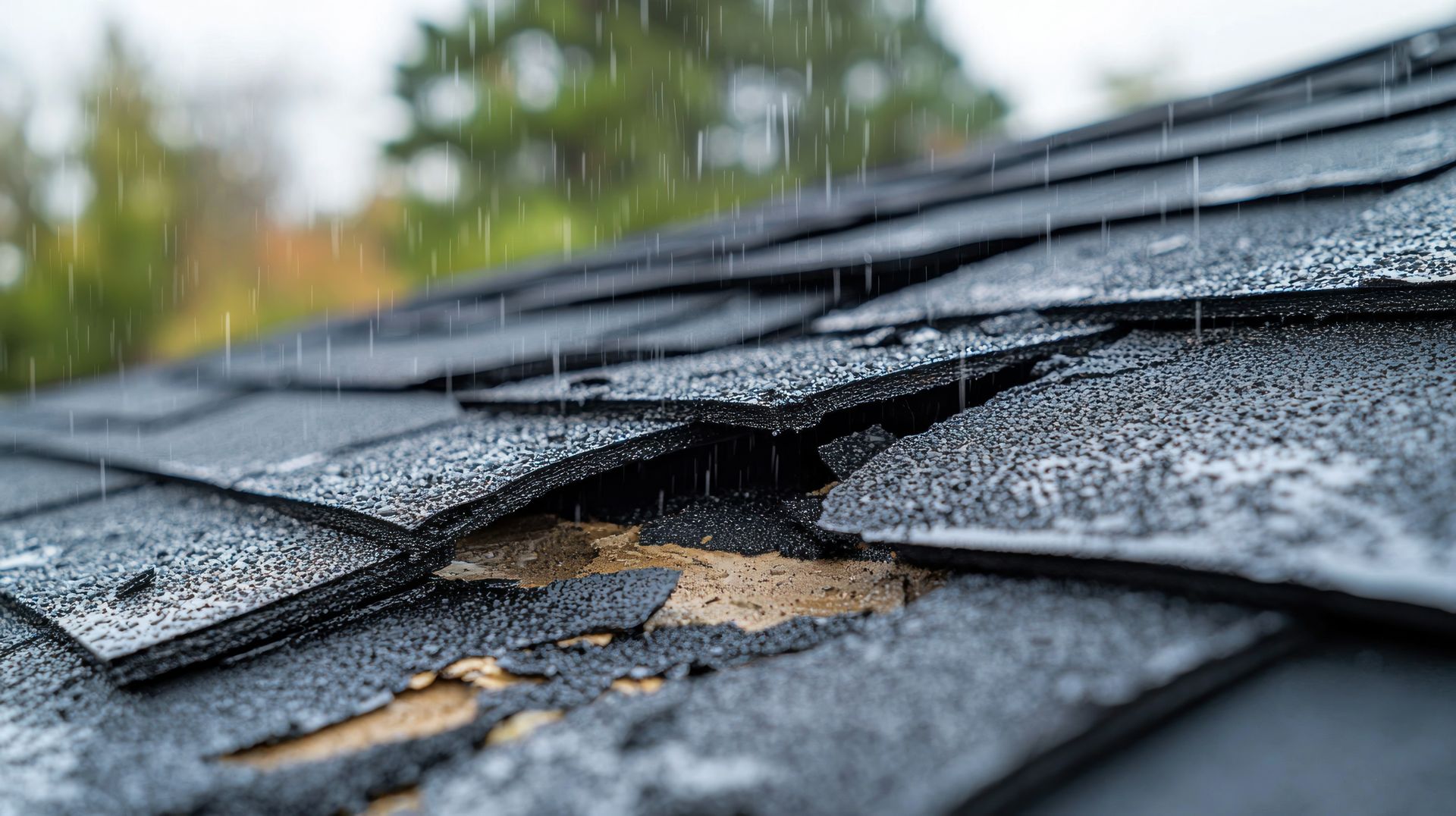
Ice dams can affect more than the appearance of your roof. When water cannot drain properly, it may move beneath shingles or enter vulnerable areas of the roofing system.
1. Water Can Seep Beneath Shingles
As melting snow collects behind an ice dam, water may back up beneath roofing materials that are designed to shed water downward.
If moisture reaches the roof deck or penetrates vulnerable areas, it can lead to roof leaks and damage to materials beneath the shingles.
2. Roof Decking Can Experience Moisture Damage
Repeated exposure to trapped moisture can affect the wood decking that supports your roofing materials.
Over time, persistent moisture may contribute to deterioration, particularly if leaks remain undetected or are not repaired.
3. Gutters and Roof Edges May Be Damaged
Heavy ice accumulation can place additional stress on gutters, fasteners, fascia boards, and roof edges.
Existing gutter problems may also interfere with proper drainage when snow begins melting.
4. Interior Ceilings and Walls Can Develop Water Damage
Water entering through the roof may eventually reach insulation, ceilings, walls, or other interior materials.
Homeowners may notice staining, peeling paint, damp drywall, or other evidence of moisture intrusion.
5. Repeated Moisture Problems Can Lead to Mold Growth
When water enters an attic or living space and remains trapped, damp conditions may encourage mold growth.
Addressing the source of moisture promptly is important for preventing additional damage.
What Are the Warning Signs of Ice Dams?
Ice dams aren't always immediately obvious, particularly when snow covers portions of the roof.
However, homeowners can watch for several warning signs:
- Thick ridges of ice forming along the roof edge
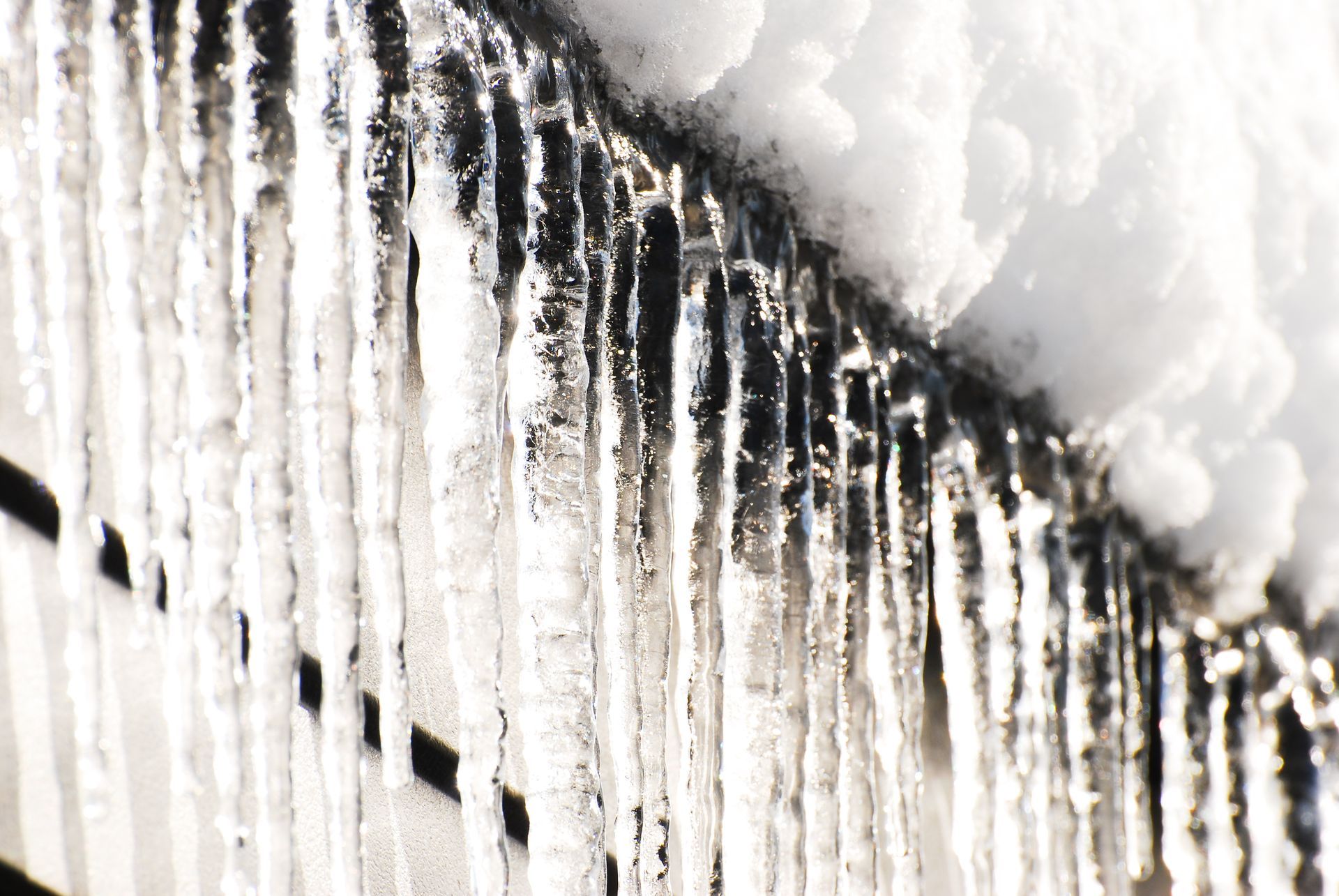
- Large icicles hanging from gutters or eaves
- Ice buildup concentrated in certain roof areas
- Water stains on ceilings or exterior walls
- Damp insulation or visible moisture in the attic
- Gutters pulling away from the fascia
- Water dripping indoors during snowmelt
Not every icicle means an ice dam has formed, but extensive ice buildup along the roof edge deserves attention.
If you notice signs of moisture entering your home, professional roof leak repair services can help identify the source and determine the appropriate repairs.

How Can Homeowners Help Prevent Ice Dams?
Although ice dams cannot always be prevented completely, several steps can help reduce the conditions that allow them to form.
Improve Attic Insulation
Proper insulation helps reduce heat transfer from the living space into an unconditioned attic.
When less heat reaches the roof deck, snow is less likely to melt unevenly because of indoor heat loss.
The U.S. Department of Energy's attic insulation guidance explains how insulation and air sealing can improve thermal performance and help prevent ice dams.
Address Air Leaks
Warm air can escape through gaps around attic access openings, plumbing penetrations, electrical openings, and other areas.
Sealing these leaks helps limit unwanted heat movement into the attic.
Air sealing should be evaluated as part of the home's overall insulation and ventilation strategy.
Maintain Appropriate Attic Ventilation
For roofs designed with vented attics, proper airflow helps manage attic temperatures and moisture.
Blocked soffit vents, inadequate ventilation, or poorly designed airflow can contribute to roofing problems.
Ventilation requirements depend on the roof assembly, so improvements should be evaluated by a qualified professional.
Keep Gutters and Downspouts Clear
Leaves, twigs, and other debris can restrict drainage.
While clean gutters alone won't prevent ice dams caused by roof temperature differences, maintaining proper drainage helps water move away from the home when conditions permit.
Overmyer Roofing's roof maintenance services include checking gutters, downspouts, roofing materials, and other areas that may need attention before winter.
Address Existing Roofing Problems
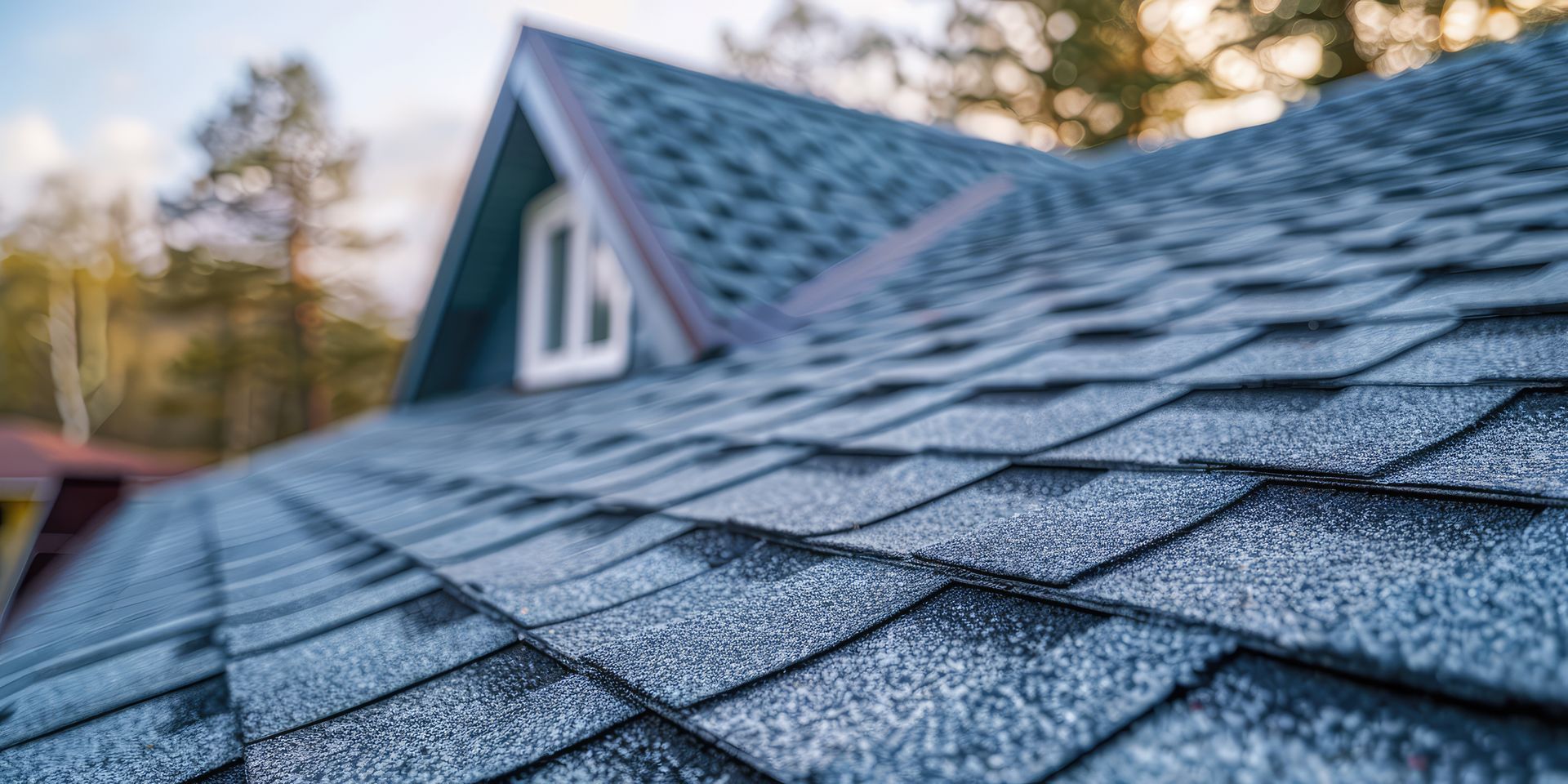
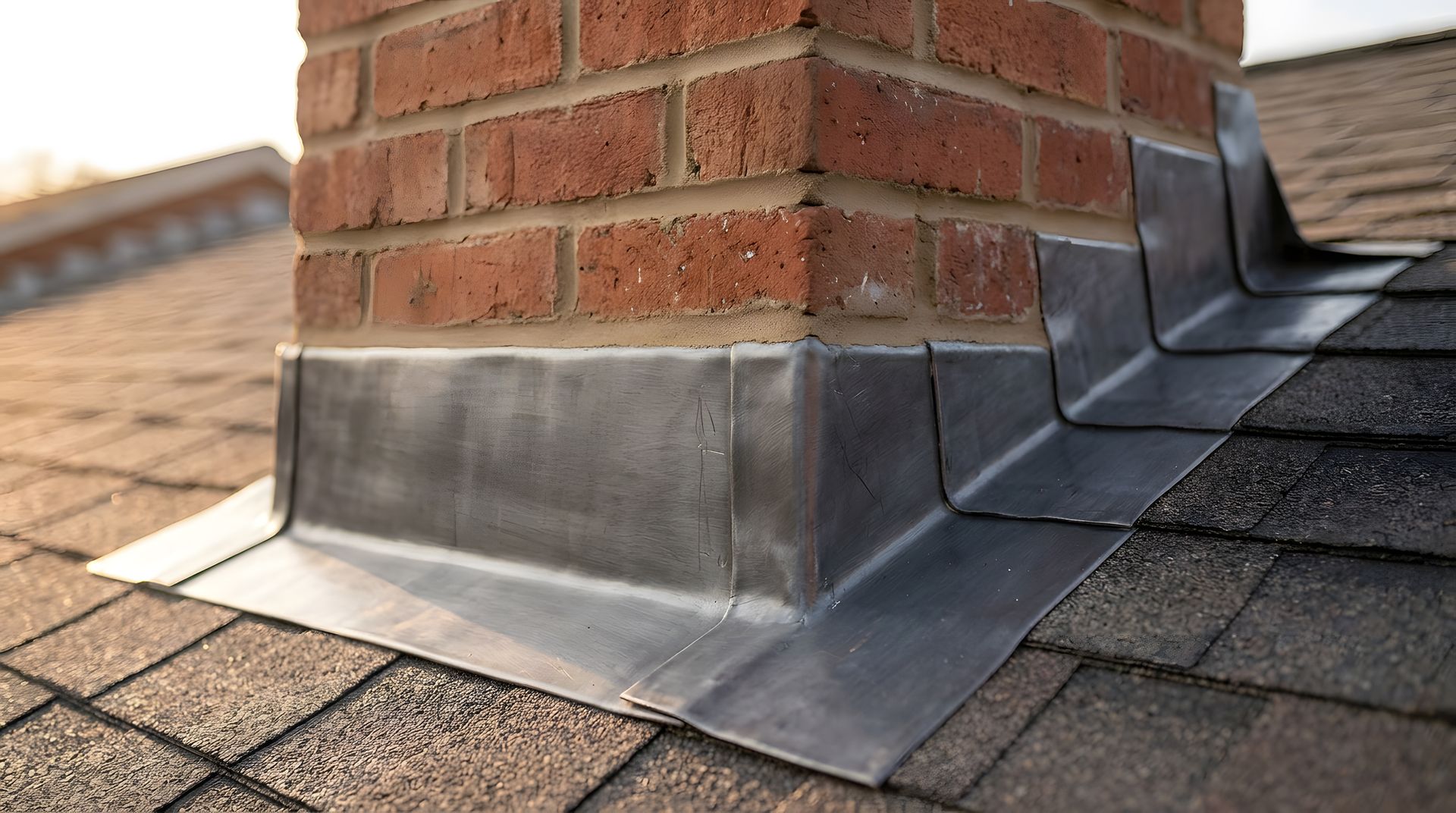
Damaged shingles, deteriorated flashing, and other vulnerabilities may increase the likelihood of water entering the home when ice dams form.
Scheduling an inspection before severe winter weather can help identify concerns that should be repaired.
What Should You Do If an Ice Dam Has Already Formed?
If you notice a large ice dam developing, avoid attempting to break it apart with sharp tools or climbing onto an icy roof.
Chipping away at ice can damage shingles, flashing, gutters, and other roofing components. Walking on snow-covered or icy roofing surfaces also creates a serious fall hazard.
Instead:
- Look for signs of water intrusion inside the home.
- Keep people away from areas where heavy icicles or ice may fall.
- Avoid striking or pulling ice from gutters and shingles.
- Contact a qualified professional to evaluate safe removal options.
- Arrange for an inspection if leaks or roofing damage are suspected.
Homeowners can also review Overmyer Roofing's guide to safely removing snow from your roof for additional winter safety considerations.
Can Ice Dams Cause Permanent Roof Damage?
Yes. Ice dams can contribute to lasting damage when trapped water penetrates the roofing system and the underlying materials remain wet.
The severity depends on factors such as how long water remains trapped, the condition of the roofing system, the presence of protective underlayment, and whether moisture reaches vulnerable materials.
Some situations may require relatively minor repairs, while more extensive moisture damage could require replacement of affected roofing components.
A professional inspection can help determine whether the damage is limited or more widespread.
Does Ice and Water Shield Prevent Ice Dams?
Ice and water shield is a self-adhering roofing underlayment commonly used in vulnerable areas such as roof eaves and valleys.
It is designed to provide additional protection against water intrusion, including water that may back up behind an ice dam.
However, ice and water shield does not prevent ice dams from forming. Instead, it helps protect the roofing system if water becomes trapped.
Proper installation, placement, and material selection are essential for effective protection.
Learn more about this protective roofing component in our article, What Is Roof Underlayment and Why Does Your Roof Need It?.
When Should You Call a Roofing Professional About Ice Dams?
Professional evaluation is especially important if you notice recurring ice dams, interior leaks, damaged gutters, deteriorating roofing materials, or moisture in the attic.
Even when visible ice eventually melts, the underlying cause may remain.
A roofing professional can inspect accessible roofing components, identify signs of water intrusion, and recommend repairs or further evaluation of insulation and ventilation conditions when appropriate.
Overmyer Roofing provides roof inspections and roofing solutions for homeowners throughout Monroe County, Northampton County, and surrounding Northeast Pennsylvania communities.
Protect Your Roof Before Winter Weather Arrives
Ice dams can turn ordinary winter snow accumulation into a serious moisture problem when melting water becomes trapped along the roof edge.
Proper roof maintenance, attention to attic conditions, and timely repairs can help reduce the risk of damage.
Whether you're concerned about recurring ice dams, damaged shingles, or signs of a winter roof leak, Overmyer Roofing can help evaluate your roofing system and recommend the appropriate next steps.
Contact Overmyer Roofing today to request an inspection or discuss your roofing concerns before winter weather arrives.

What is the main cause of ice dams on roofs?
Ice dams typically form when snow melts on warmer sections of a roof and refreezes near colder roof edges. Heat escaping from the home, inadequate insulation, air leaks, and roof temperature differences can contribute to this process.
Can ice dams form even if gutters are clean?
Yes. Ice dams can form on roofs without gutters and on roofs with clean gutters. The primary cause is uneven roof temperatures that allow snow to melt and refreeze.
Do ice dams always cause roof leaks?
No. Not every ice dam results in a leak. However, ice dams can trap melting water and increase the risk of moisture entering through vulnerable roofing areas.
Can ice dams damage asphalt shingles?
Yes. Ice buildup and trapped water can contribute to roofing problems, especially when water penetrates beneath shingles or when homeowners attempt to remove ice using improper tools.
Will ice dams go away on their own?
Ice dams generally melt as temperatures rise, but waiting may allow additional water to accumulate behind them. If you notice leaks, heavy ice buildup, or other damage, professional evaluation is recommended.
Does attic insulation help prevent ice dams?
Proper attic insulation can help reduce heat transfer from living spaces into the roof assembly. Combined with appropriate air sealing and ventilation for the roof design, it can reduce the likelihood of ice dam formation.