1. Know When to Remove Snow
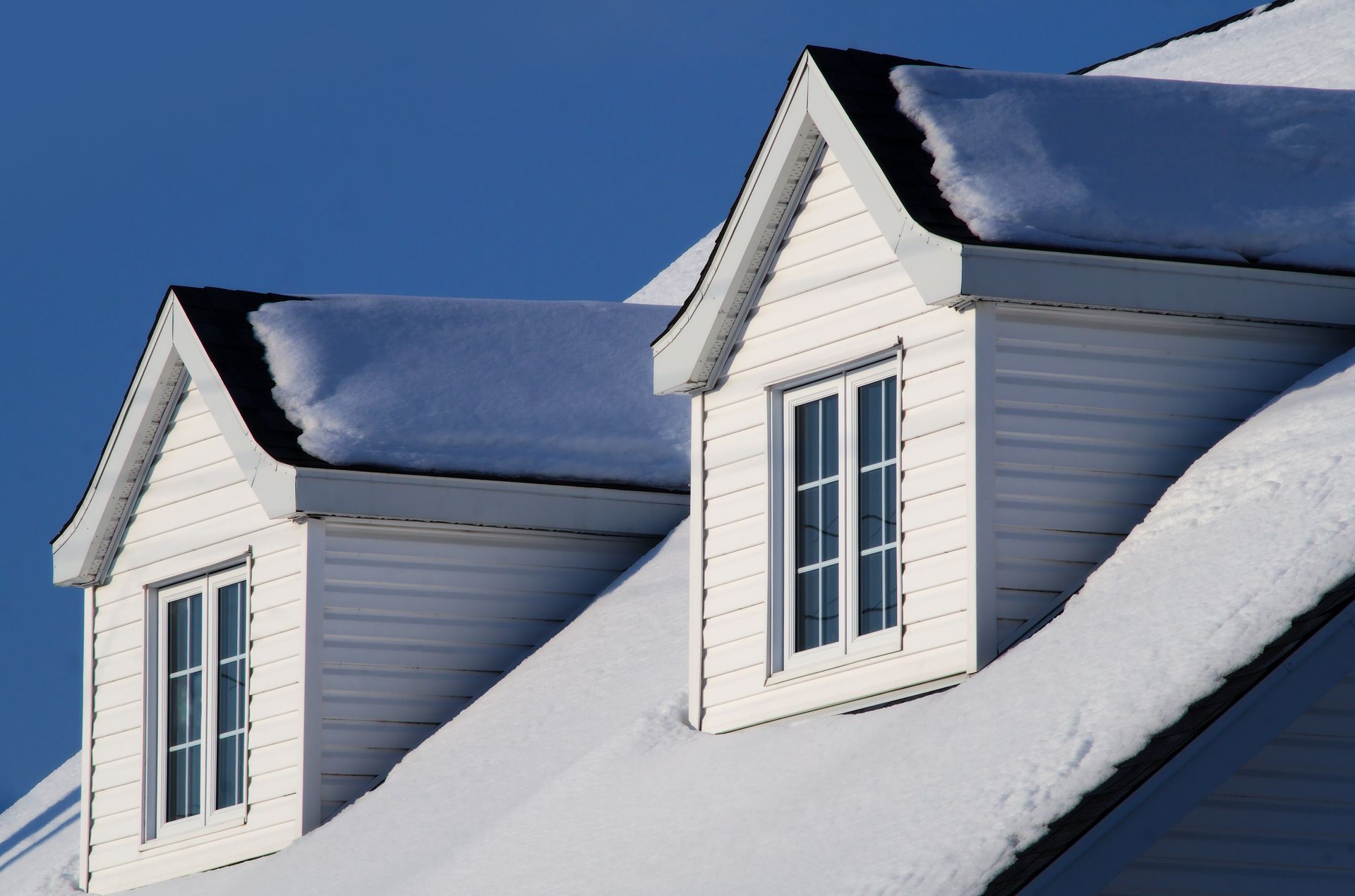
Not every snowfall requires immediate action. Generally, you should clear your roof when snow buildup exceeds
six inches or begins forming dense layers of ice. Flat and low-pitched roofs are especially vulnerable since snow doesn’t slide off as easily.
Warning signs that your roof needs attention include:
- Sagging in the ceiling or rafters
- Doors or windows suddenly sticking
- Cracking sounds in your attic or walls
If you notice these issues, it’s time to act quickly and safely.
2. Use a Roof Rake for Light Snow
For lighter snowfalls, a
roof rake is one of the safest tools for homeowners. Look for a rake with an extended, telescoping handle that allows you to clear snow from the ground.
Always:
- Work from the edge, pulling snow down—not up.
- Avoid scraping shingles directly to prevent damage.
- Clear snow evenly on both sides of the roof to maintain balance.
If your home has more than one story or a steep roof, leave the job to a professional roofer who has the right safety equipment.
3. Never Climb Onto an Icy or Snowy Roof
Attempting to climb onto a snow-covered roof is extremely dangerous. Slippery conditions make falls likely, and hidden ice layers can cause sudden slips even with proper footwear.
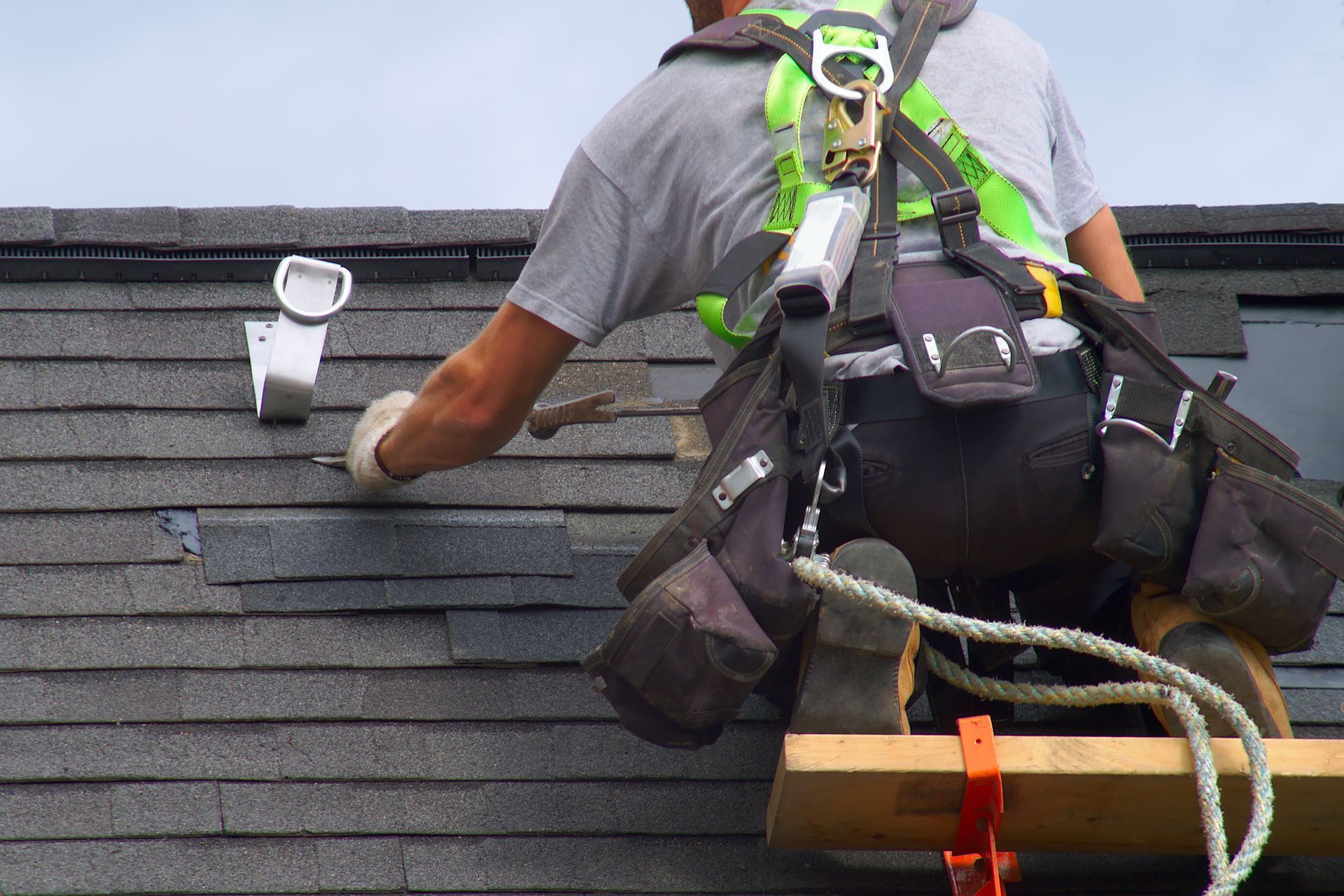
Professional roofers are trained and equipped to handle these conditions safely using harnesses, snow guards, and specialized tools. It’s always safer to call an expert than risk injury or further damage.
4. Prevent Ice Dams Before They Form
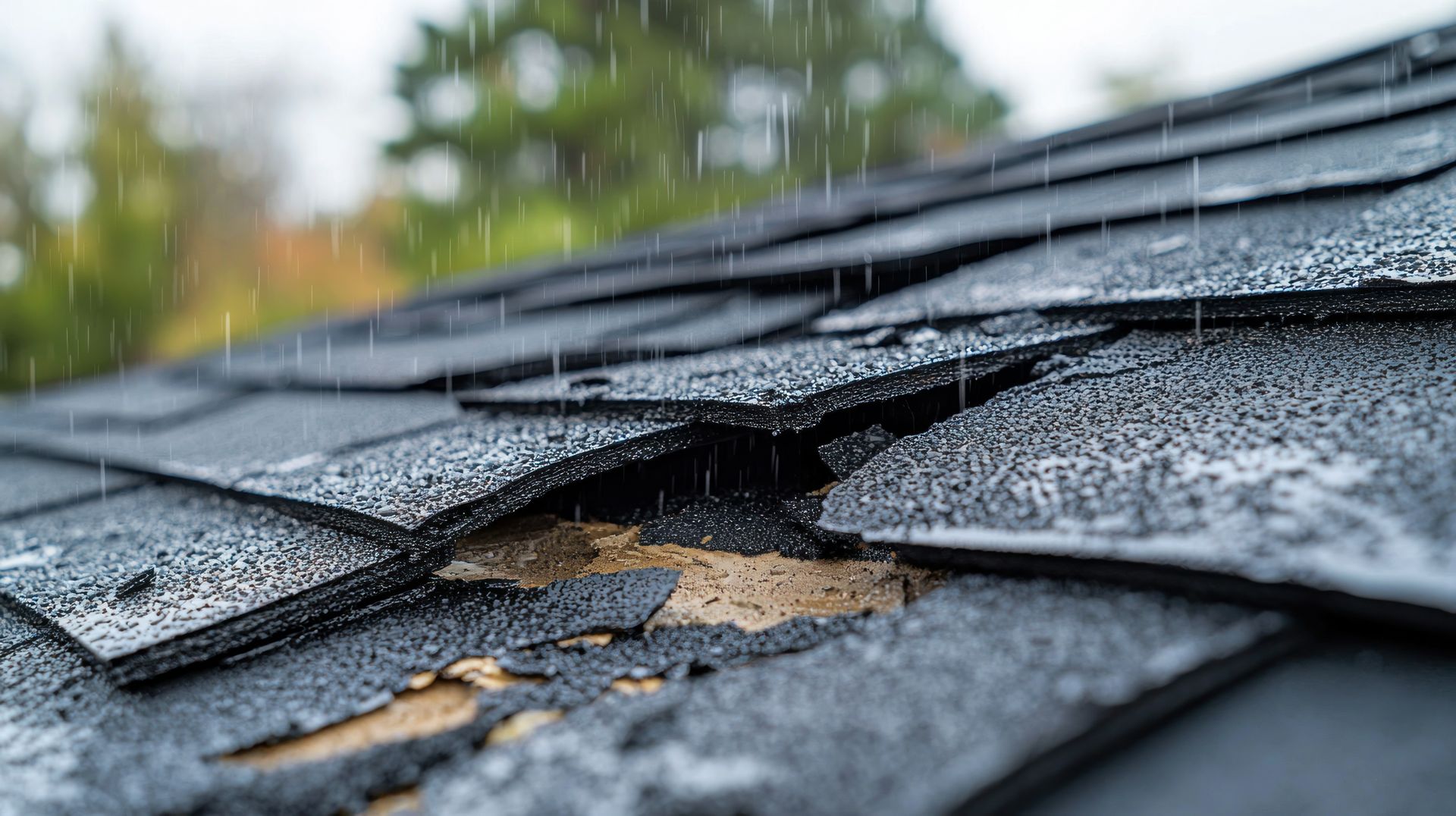
Ice dams occur when heat from inside your home melts snow, which then refreezes near the roof edge. Over time, this traps water under the shingles, causing leaks and water damage.
To prevent ice dams:
- Ensure your attic is properly insulated and ventilated.
- Seal air leaks to prevent warm air from rising into the roof deck.
- Keep gutters and downspouts clear of debris.
If ice dams have already formed, avoid using salt or chipping away at the ice, which can damage your roof’s surface. Instead, contact a roofing professional for safe removal.
5. Schedule Professional Snow Removal
When snow accumulation becomes too heavy or dangerous to reach, professional
roof snow removal services are your best option. Experts use safe methods and equipment to remove snow evenly and prevent stress on your roofing system.
At
Overmyer Roofing, our team ensures that your roof remains strong, stable, and damage-free all winter long.
6. Prepare Before the Next Storm
Prevention is the key to avoiding winter roof problems. Before snow season, schedule a professional
roof inspection to identify weak spots, loose shingles, or poor drainage areas. Taking care of these issues early reduces your risk of winter damage.
Conclusion
Removing snow from your roof may seem simple, but doing it safely takes knowledge and preparation. With the right tools—and help from professionals when needed—you can prevent leaks, ice dams, and structural issues throughout the winter.
At
Overmyer Roofing, we provide expert inspections, snow removal, and maintenance services to help homeowners protect their roofs from the weight of winter. When snow starts to pile up, trust our experienced team to handle it safely and efficiently.