
Why Your Gutters Are Sagging and How to Fix Them This Spring

February 13, 2026

As winter ends and spring begins, many homeowners notice problems that were hidden by snow and ice. One of the most common issues is sagging gutters. Understanding why your gutters are sagging and how to fix them this spring helps protect your roof, siding, and foundation before seasonal rain arrives.


What Causes Gutters to Sag

Gutters are designed to carry water away from your home, but several factors can cause them to pull away or droop over time.


Common causes of sagging gutters include:

  • debris buildup adding excess weight
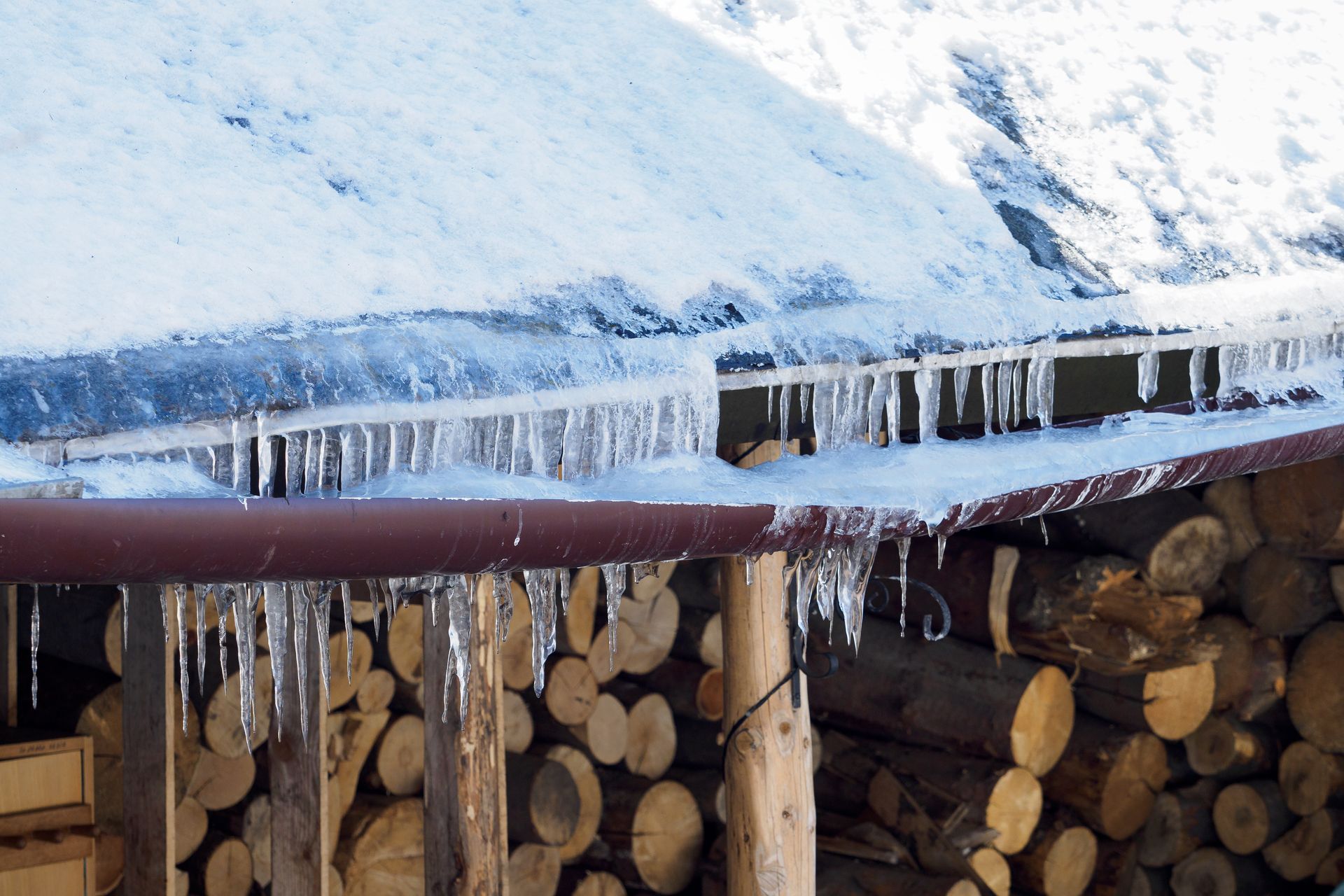
  • ice and snow stress from winter storms
  • loose or failing gutter hangers
  • rotting or damaged fascia boards
  • improper original installation

Spring is often when these issues become most visible.

Damaged gutters from the roof

Clogged Gutters and Debris Weight

Leaves, twigs, and roof granules collect inside gutters throughout fall and winter. When spring rain hits, that debris becomes heavy and puts stress on fasteners.


Clogged gutters are one of the leading causes of gutter sagging and can also lead to water overflow and foundation damage.


Winter Ice Damage and Freeze-Thaw Cycles

Snow and ice add significant weight to gutter systems. Repeated freezing and thawing weakens brackets and pulls gutters away from the fascia.


Homes that experienced ice dams or heavy snowfall are especially prone to winter gutter damage.


Loose or Damaged Gutter Hangers

Gutter hangers hold the system in place. Over time, nails can loosen or brackets can bend under pressure.


When hangers fail, gutters lose support and begin to sag unevenly, affecting proper drainage.


Fascia Board Deterioration

The fascia board is the surface gutters attach to. If it becomes soft or rotted from moisture exposure, it may no longer hold fasteners securely.


Fascia damage often indicates a larger moisture issue that should be addressed before reinstalling gutters.


Why Spring Is the Best Time for Gutter Repairs

Spring offers ideal conditions for inspecting and repairing gutters. Snow has melted, temperatures are moderate, and heavy rainfall highlights drainage problems.


Addressing gutter problems in spring helps prevent roof leaks, siding damage, and basement water intrusion during the wetter months ahead.


How Sagging Gutters Are Fixed

Repair solutions depend on the cause of the problem. Common fixes include:

  • removing debris and flushing gutters
  • replacing or adding gutter hangers
  • repairing or replacing damaged fascia boards
  • realigning gutters for proper slope

In some cases, sections may need to be replaced if damage is extensive.


Preventing Future Gutter Issues

Regular maintenance plays a major role in preventing sagging. Cleaning gutters at least twice a year and checking fasteners after storms helps extend system life.


Proper drainage supports both roof health and structural protection.


Keeping Water Flowing Where It Belongs

Sagging gutters are more than a cosmetic issue. They can lead to roof damage, foundation problems, and moisture intrusion if left unaddressed. Understanding why gutters sag and taking action in spring protects your home before heavier rain arrives. Overmyer Roofing provides professional gutter inspections, repairs, and maintenance services to help homeowners restore proper drainage and protect their homes year round.


Slate roof with a brick chimney and small vent under a clear sky
August 17, 2026
Learn eight factors that affect roof replacement cost, from roof size and materials to pitch, decking, ventilation, and project complexity.
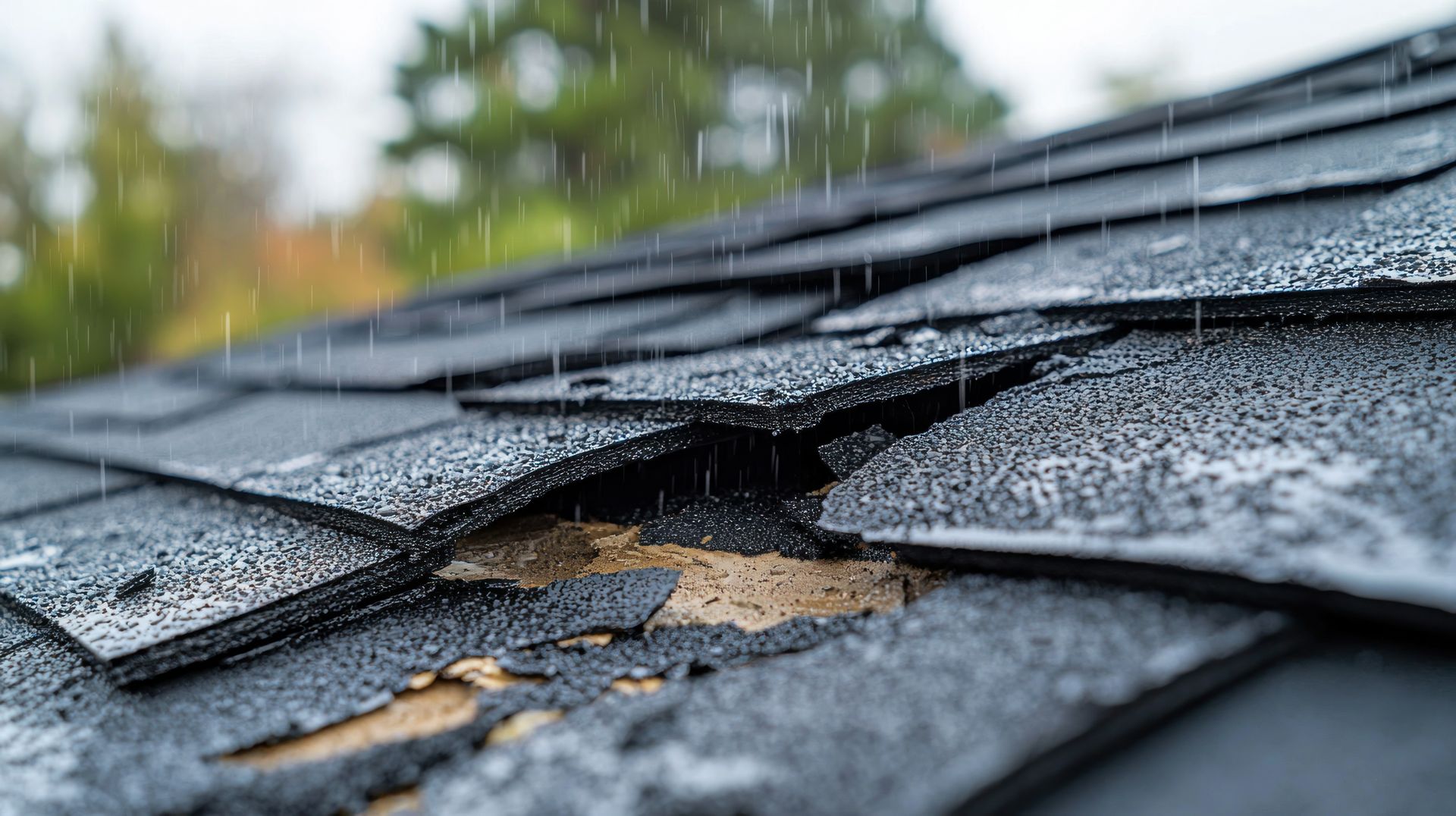
Damaged roof shingles with a broken, exposed section after rain
August 14, 2026
Learn seven common causes of roof leaks, the warning signs to watch for, and when to call a professional roofer for repairs.
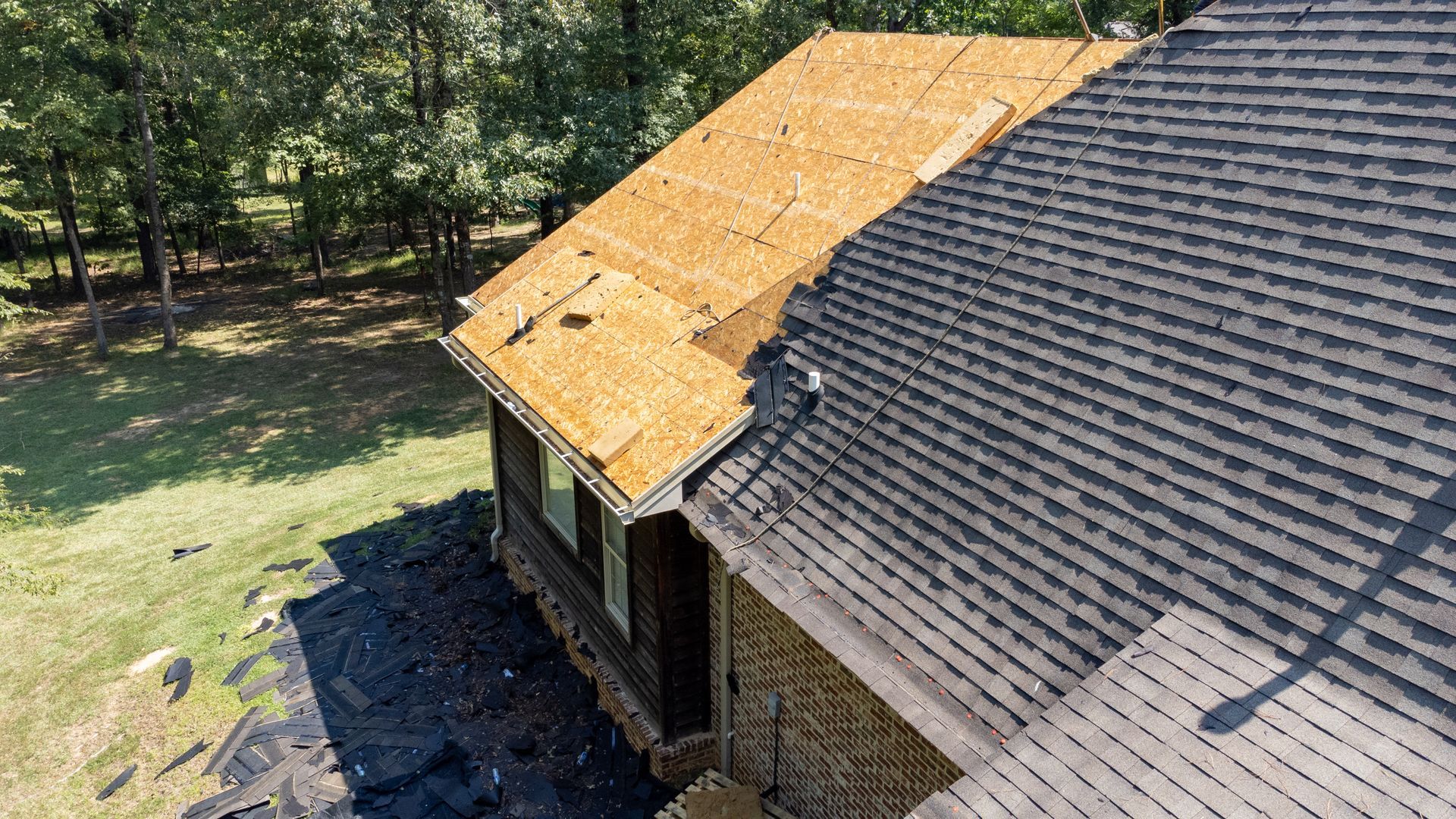
House roof with dark shingles and a partially repaired plywood section, viewed from above near trees
August 11, 2026
Learn how long roof replacement takes, what can affect the timeline, and what to expect during a professional roof installation.
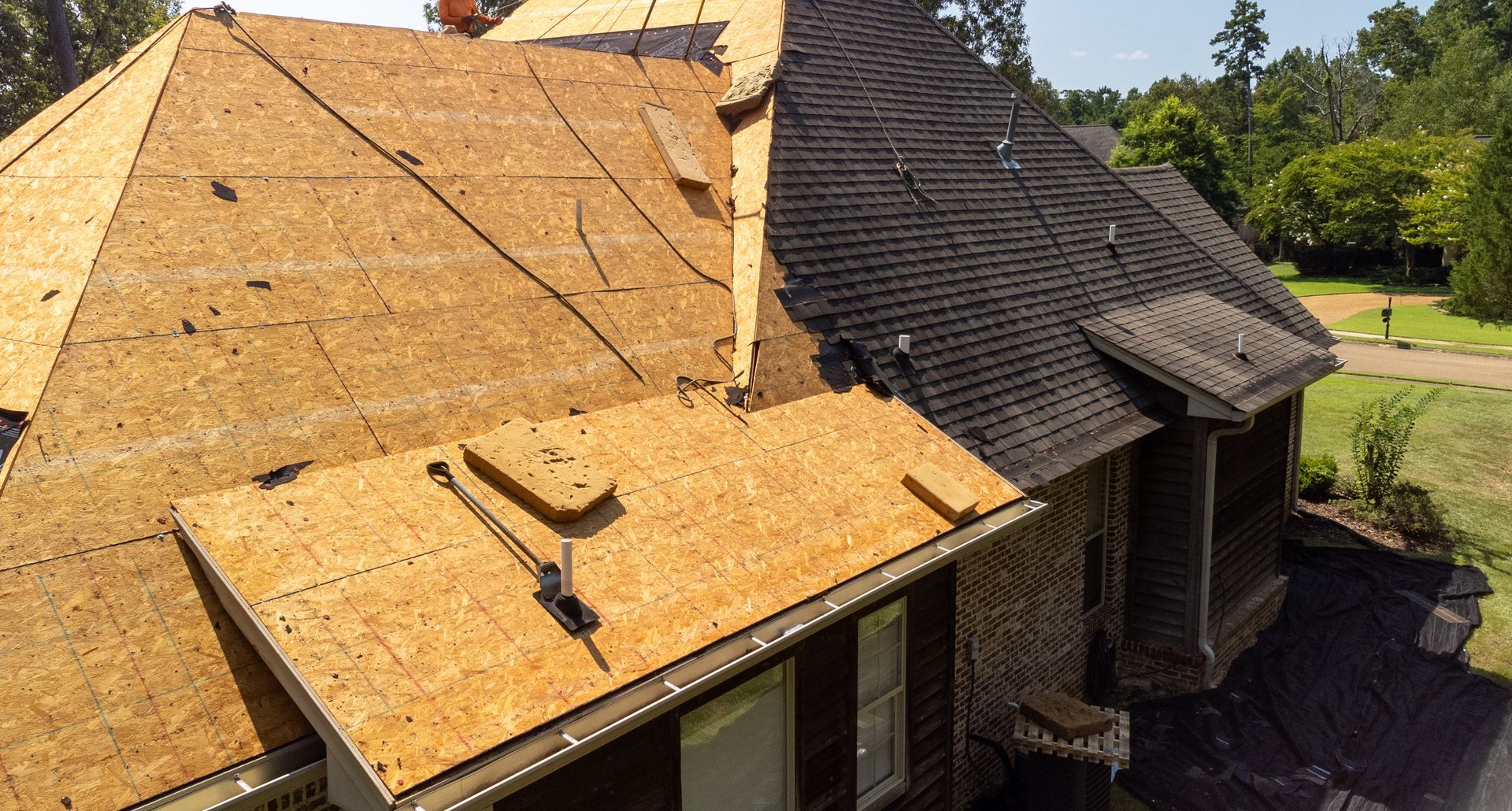
Roof under construction with exposed plywood sheathing and sections of old dark shingles, viewed from above.
July 24, 2026
Not sure if your roof needs repairs or replacement? Learn the key factors to consider and schedule a professional roof inspection with Overmyer Roofing.
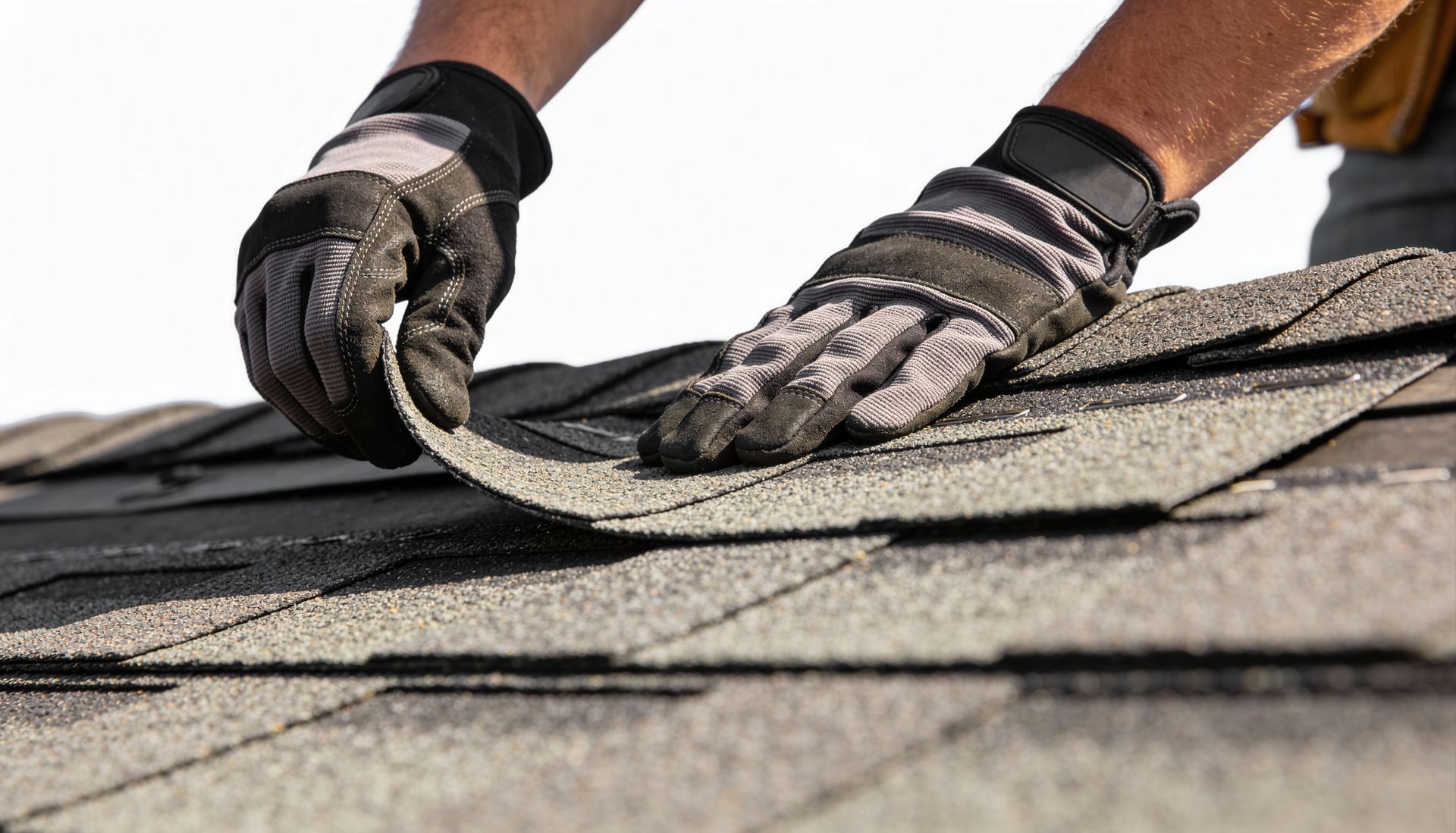
Gloved hands installing gray asphalt shingles on a roof
July 17, 2026
Learn what to expect during a professional roof inspection and discover how routine evaluations help protect your home and extend your roof's lifespan.
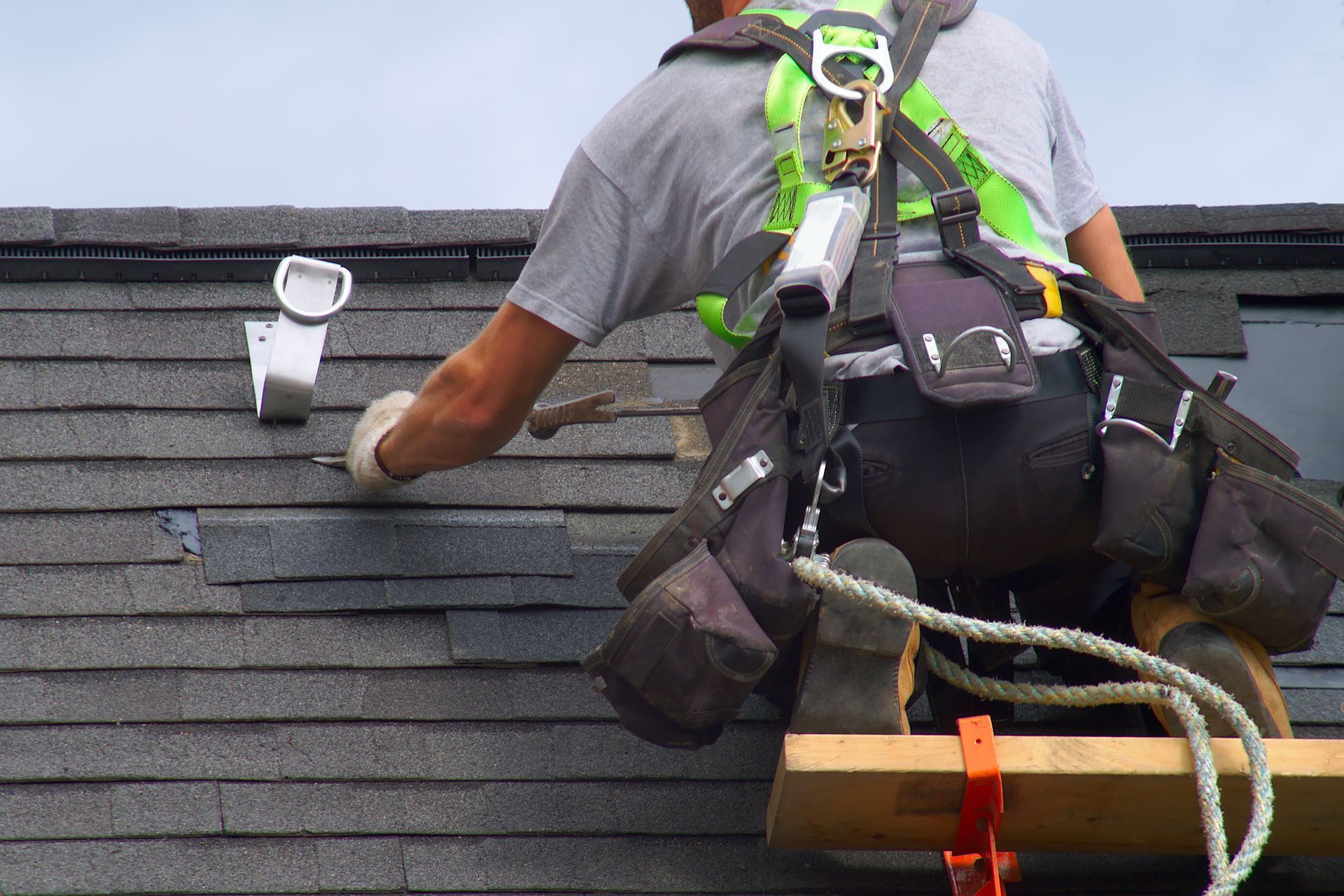
Roofing worker on a sloped shingle roof, wearing a safety harness and reaching toward a vent pipe.
July 10, 2026
Learn how routine roof maintenance and inspections can help extend the life of your roof and protect your home from costly repairs.
Damaged shingle roof with torn and missing sections exposing wood under a blue sky
July 3, 2026
Learn five common signs of roof storm damage and discover when it's time to schedule a professional roof inspection with Overmyer Roofing.
Gray brick wall with horizontal mortar lines and a narrow black border along the bottom
June 24, 2026
Learn how roof quality control inspections verify shingle installation, fastener placement, and overall roofing workmanship after installation.
Rolled black roofing membrane on a rough stone surface outdoors
June 18, 2026
Learn the benefits of EPDM roof replacement, signs of roof failure, and why commercial rubber roofing remains a popular choice for flat roofs.
Aerial view of a roof repair crew working on a damaged house roof with exposed black underlayment.
June 10, 2026
Learn when roof repair makes sense and when roof replacement becomes the better investment for aging asphalt shingle roofs.
Show More