How Long Does a New Roof Last in Pennsylvania’s Climate?
Pennsylvania’s climate puts roofs to the test year after year. Hot summers, freezing winters, heavy snowfall, rain, and wind all affect how long a roofing system lasts. Understanding how long a new roof lasts in Pennsylvania’s climate helps homeowners set realistic expectations, plan maintenance, and protect their investment over time.
Why Pennsylvania Weather Is Tough on Roofs
Pennsylvania experiences wide temperature swings throughout the year. These fluctuations cause roofing materials to expand and contract, which accelerates wear.
Key climate factors that affect roof lifespan in Pennsylvania include:
- freeze thaw cycles
- snow and ice accumulation
- heavy rain and humidity
- summer heat and UV exposure
Over time, these conditions break down roofing materials if they are not properly installed or maintained.

Average Roof Lifespan by Roofing Material
The lifespan of a roof depends heavily on the material used. Below are general estimates for residential roofing in Pennsylvania when properly installed and maintained.
- asphalt shingle roof lifespan typically ranges from 20 to 30 years
- architectural shingles may last closer to 30 years
- metal roofing lifespan often ranges from 40 to 70 years
- slate and tile roofs can last 50 years or more
Actual longevity depends on weather exposure, ventilation, and maintenance habits.
How Winter Weather Impacts Roof Longevity
Winter is one of the most damaging seasons for roofs in Pennsylvania. Snow buildup adds weight, while ice dams trap moisture under shingles.
Repeated freeze thaw cycles weaken materials and increase the risk of leaks. Homes with poor insulation or ventilation often experience faster winter roof damage.
Summer Heat and UV Exposure
While winter gets most of the attention, summer heat also shortens roof life. UV rays break down shingle materials, causing them to dry out, curl, and lose protective granules.
Extended heat exposure reduces flexibility, making shingles more prone to cracking during colder months.
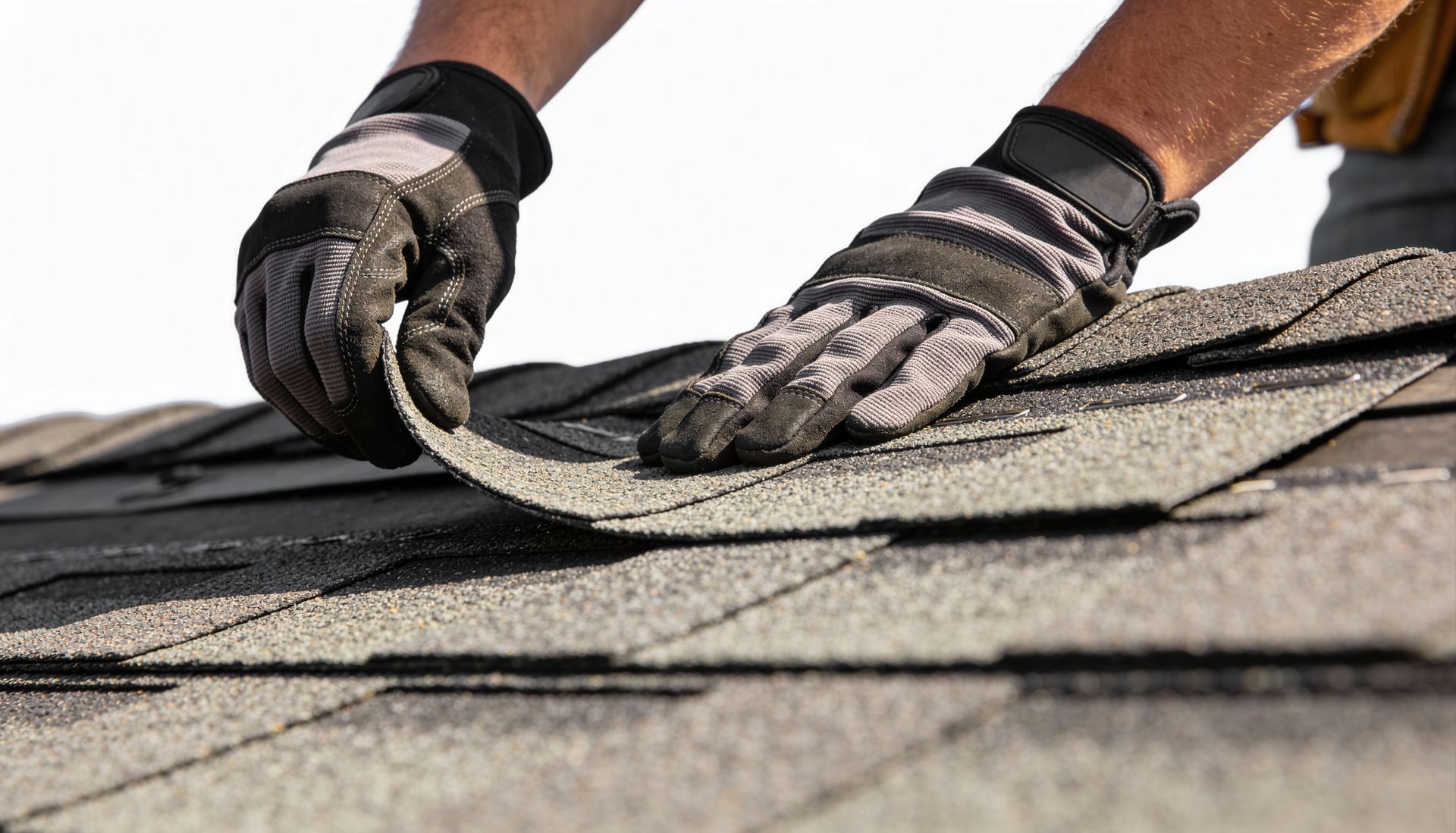
Installation Quality Matters More Than Most Homeowners Realize
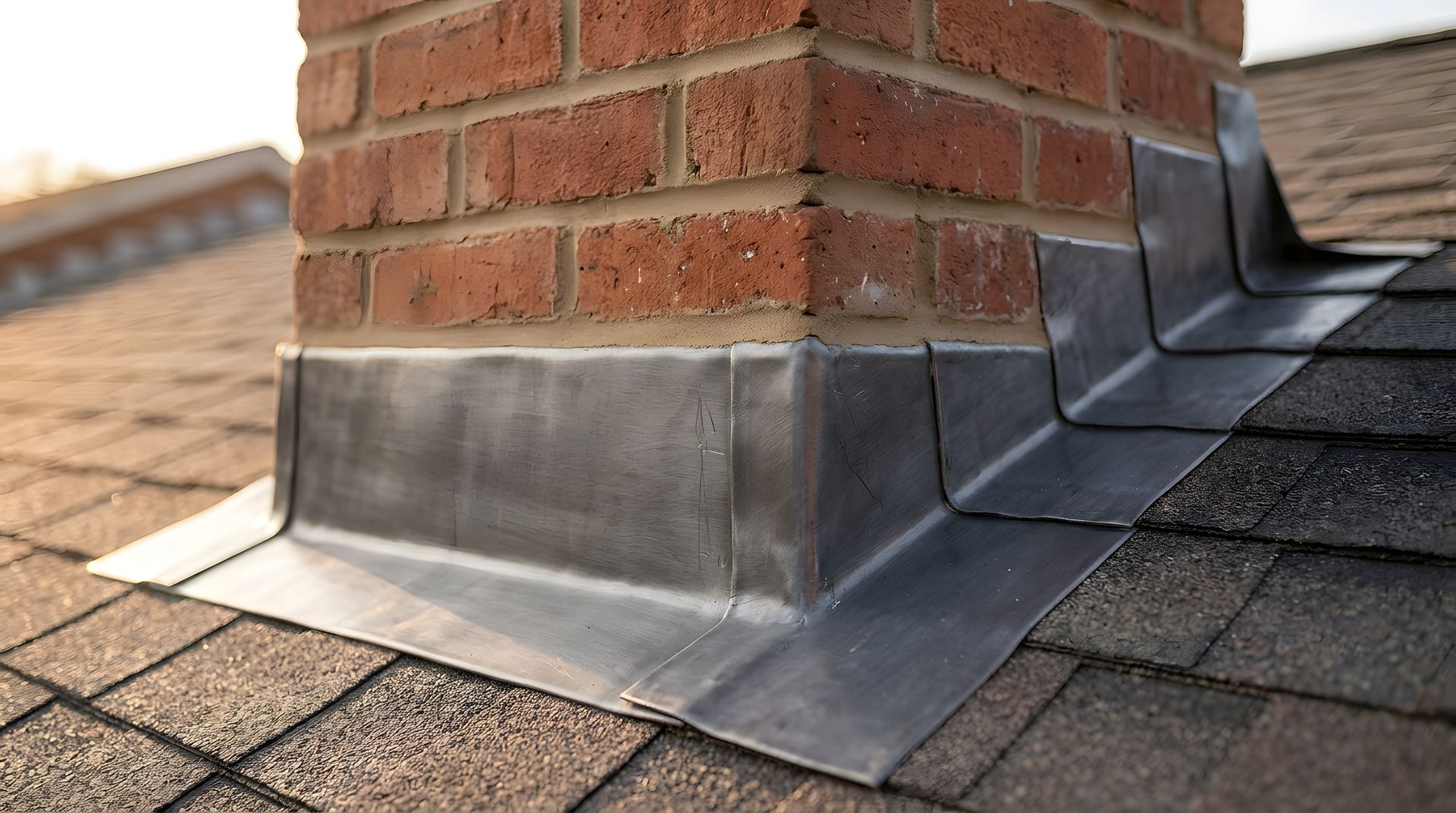
Even the best roofing materials will not last if installed incorrectly. Poor flashing installation, improper nailing, or inadequate ventilation can significantly shorten roof life expectancy.
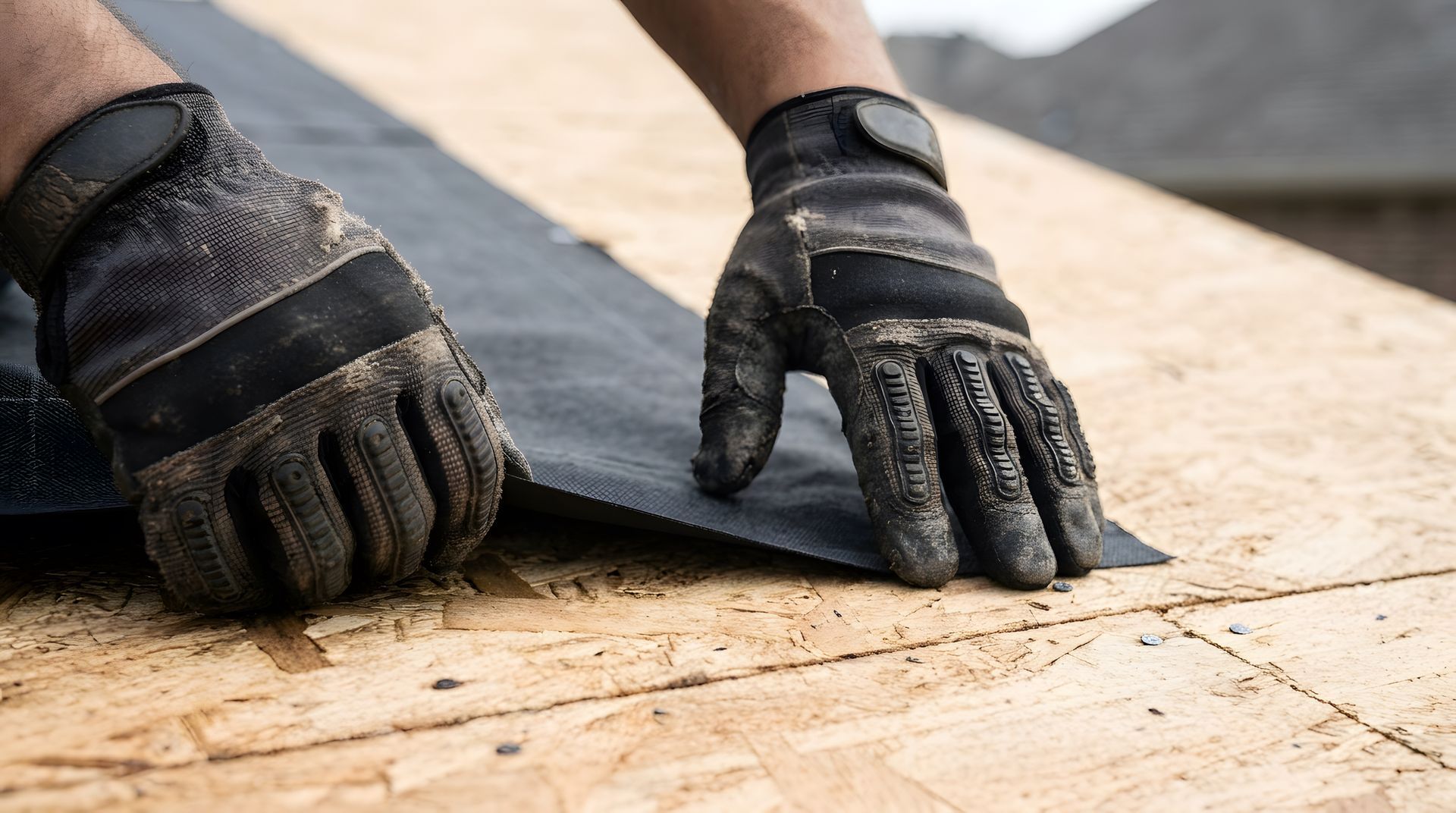
Professional installation plays a major role in ensuring a roof performs as intended in Pennsylvania’s demanding climate.
Maintenance and Inspections Extend Roof Life
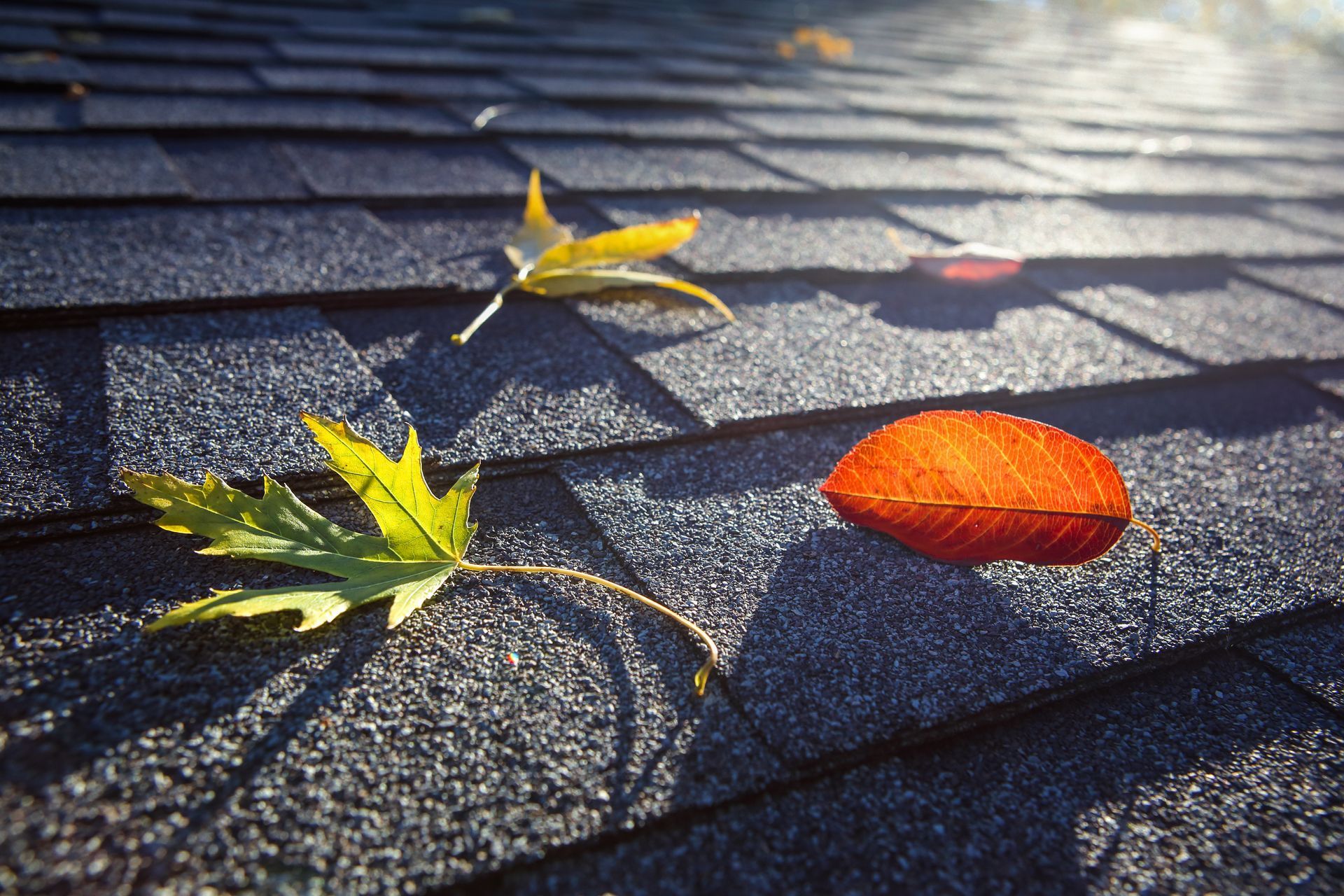
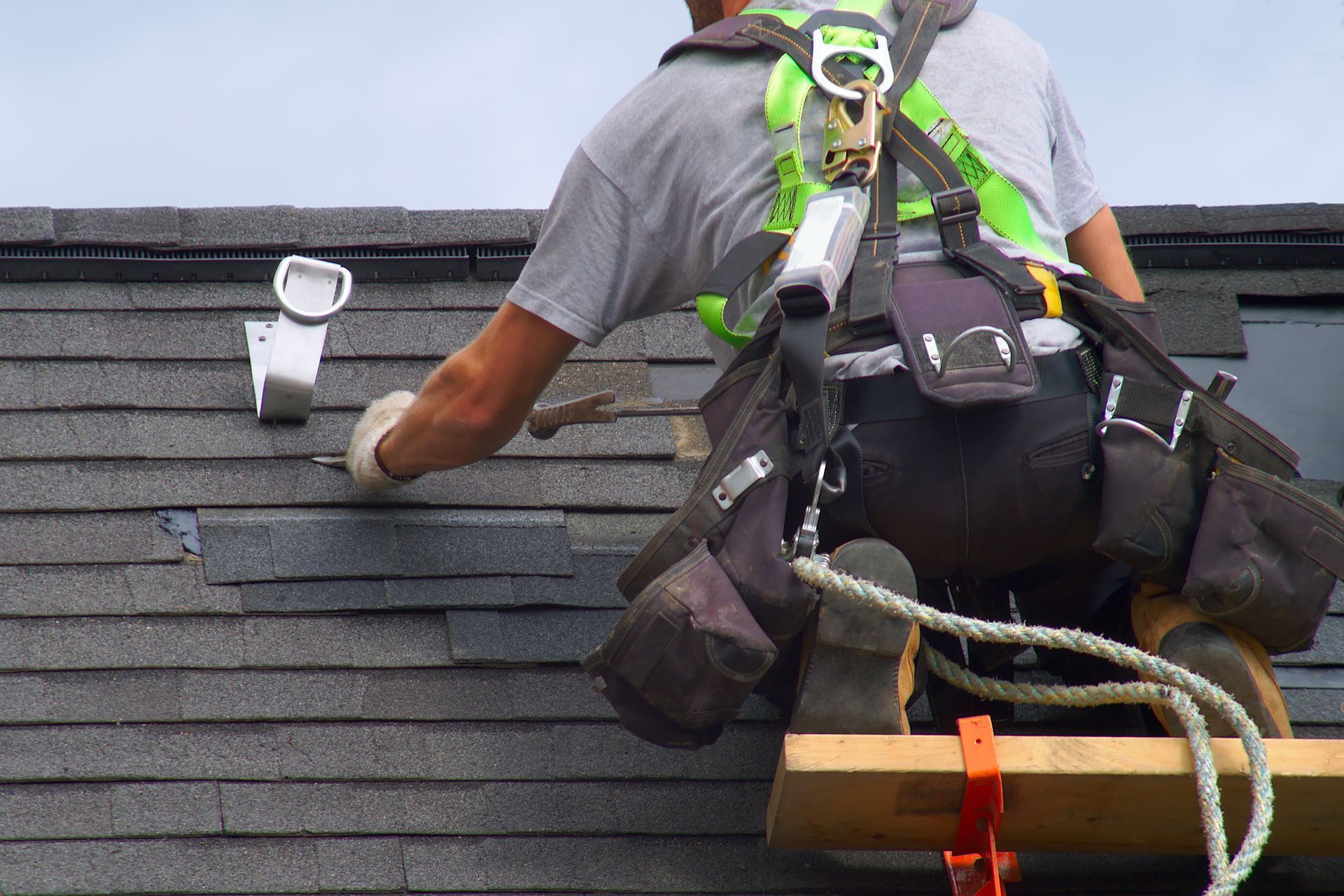
Routine inspections and maintenance help identify small problems before they turn into major repairs. Clearing debris, checking flashing, and addressing minor damage supports longer roof longevity.
Annual inspections are especially important after winter storms or severe weather events.
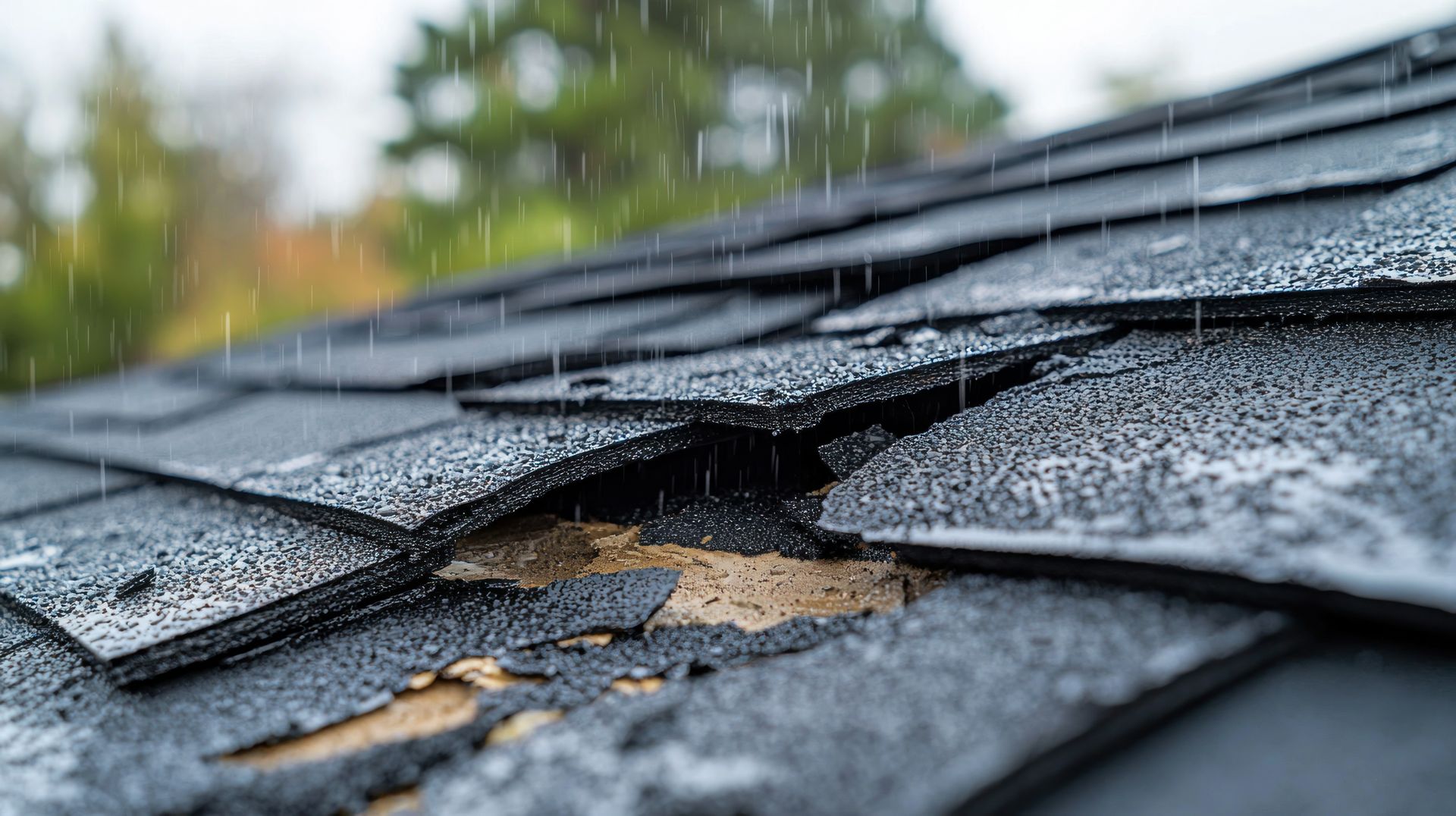
Signs Your Roof May Be Near the End of Its Lifespan
Homeowners should watch for warning signs such as:
- curling or missing shingles
- frequent leaks
- sagging rooflines
- granule buildup in gutters
These indicators suggest the roof may be nearing replacement, even if it has not reached its expected age.
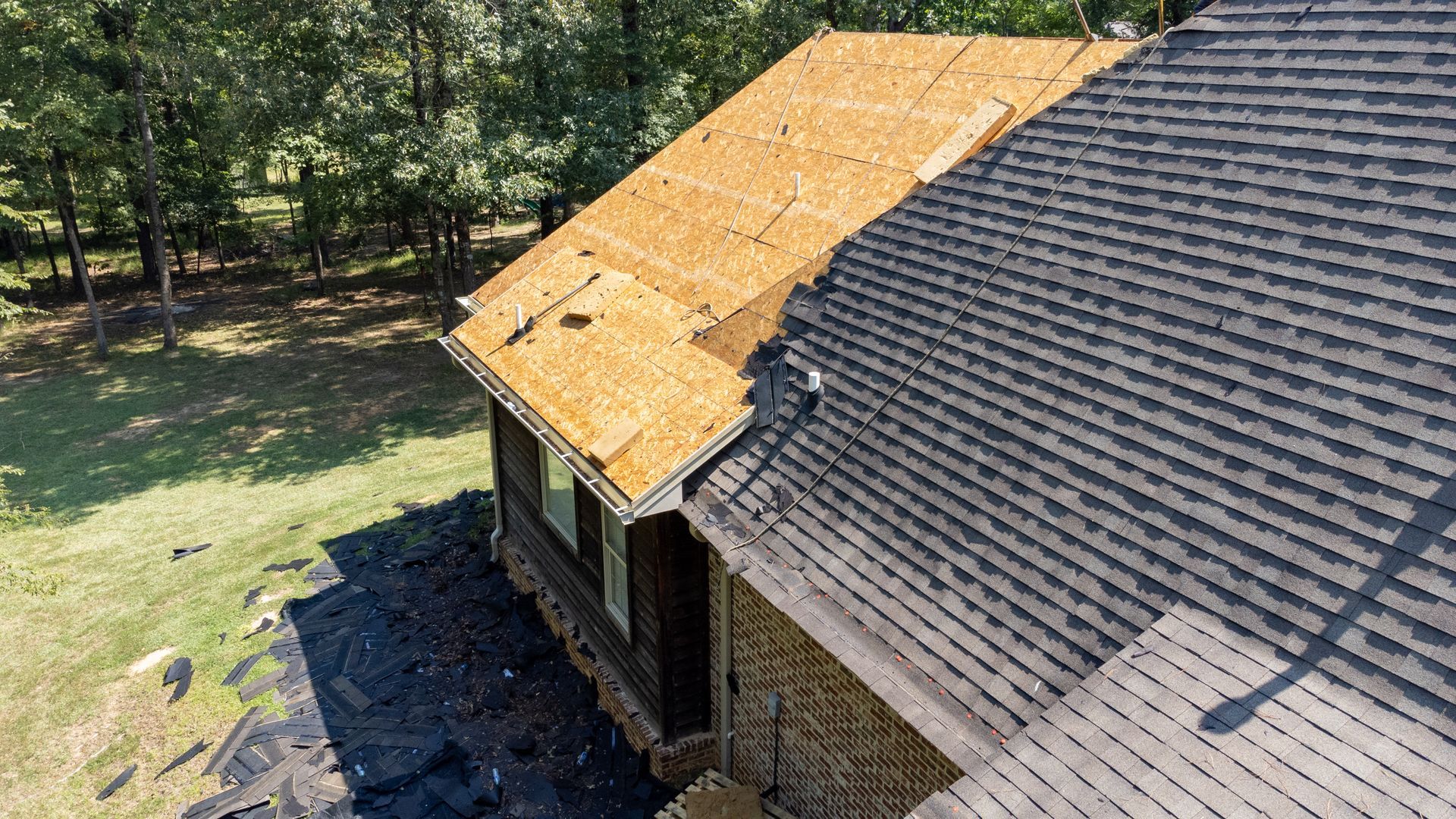
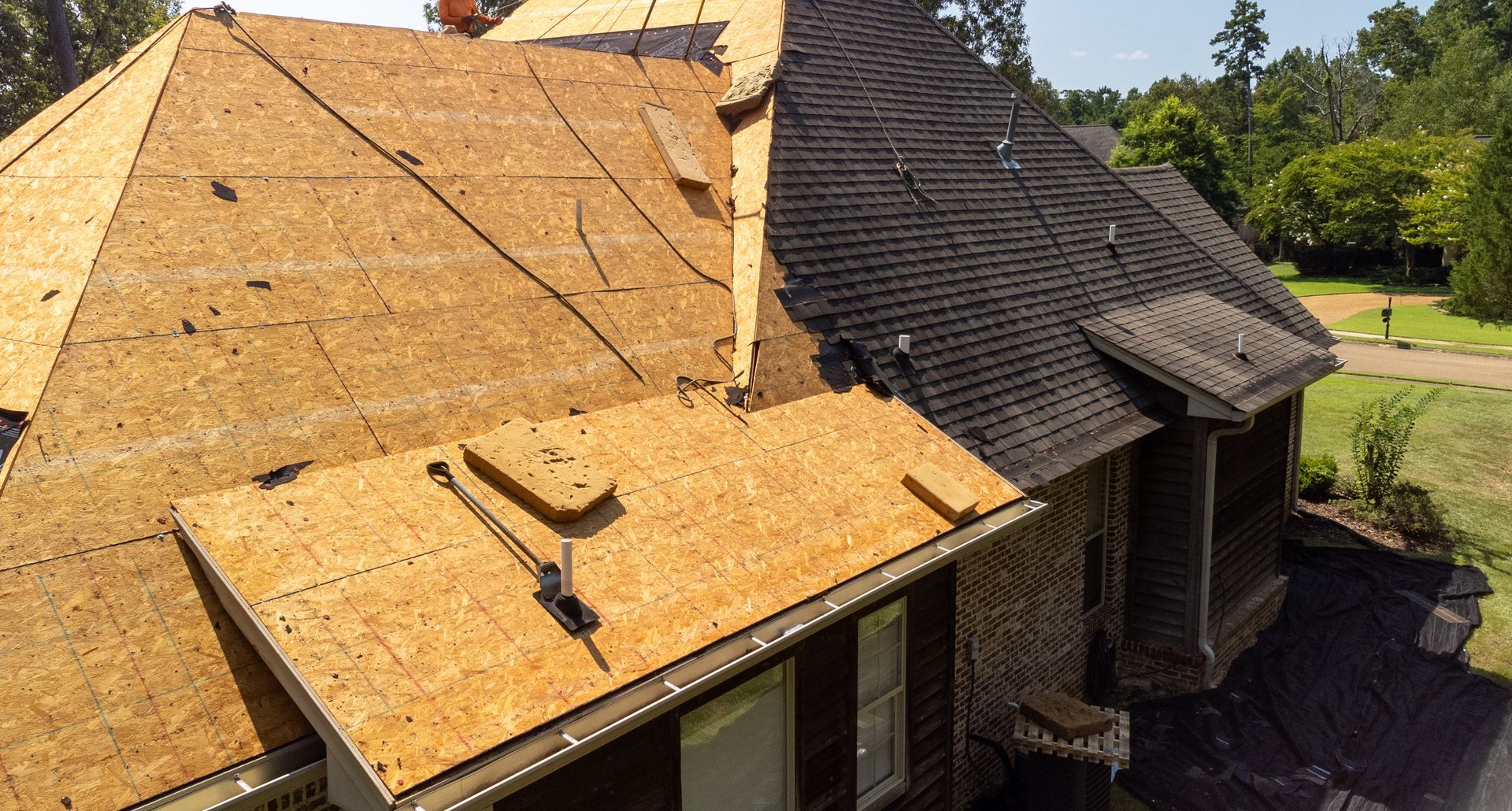
Planning Ahead for Roof Replacement
Understanding how long a new roof lasts in Pennsylvania’s climate allows homeowners to budget and plan proactively. Replacing a roof before failure helps avoid interior damage and higher repair costs.
Material selection, professional installation, and consistent maintenance all contribute to maximizing roof lifespan.
Protecting Your Roof for the Long Run
A new roof is a long-term investment, especially in a climate as demanding as Pennsylvania’s. Choosing the right materials, scheduling regular inspections, and addressing issues early all play a role in longevity. Overmyer Roofing provides expert roof inspections, maintenance, and replacement services to help homeowners get the most value and protection from their roofing systems year after year.