Metal Roofing: One of the Best Options for Snowy Weather
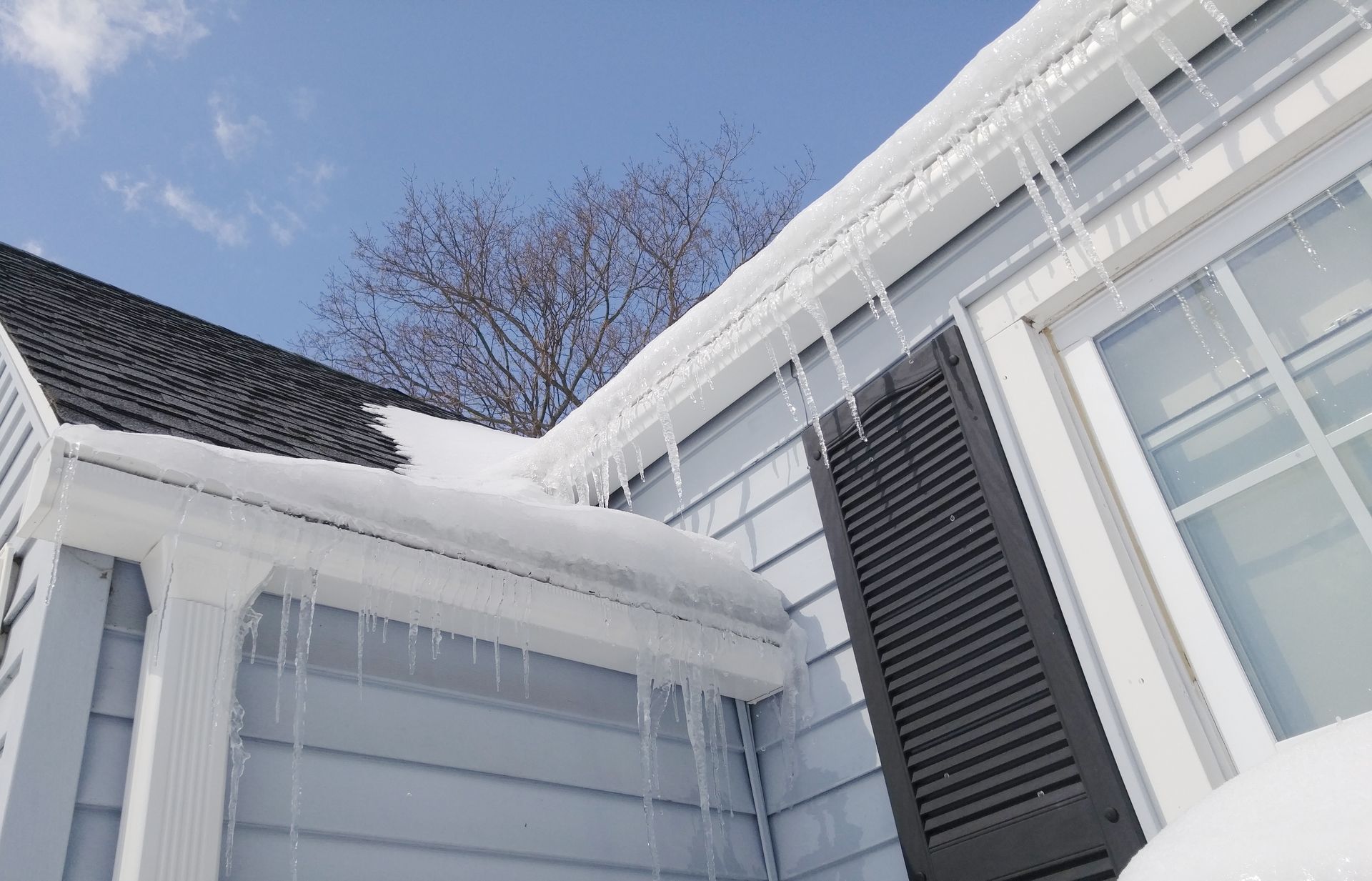
Metal roofing consistently ranks as one of the top choices for snowy climates. Its smooth surface helps snow slide off easily, preventing heavy buildup that can cause structural strain. Metal roofs also resist moisture absorption and ice formation. Because they reflect heat effectively, they help reduce the formation of ice dams along edges. Searches for
metal roofing in winter continue to rise because of its proven performance in harsh conditions.
Asphalt Shingles: Affordable and Reliable
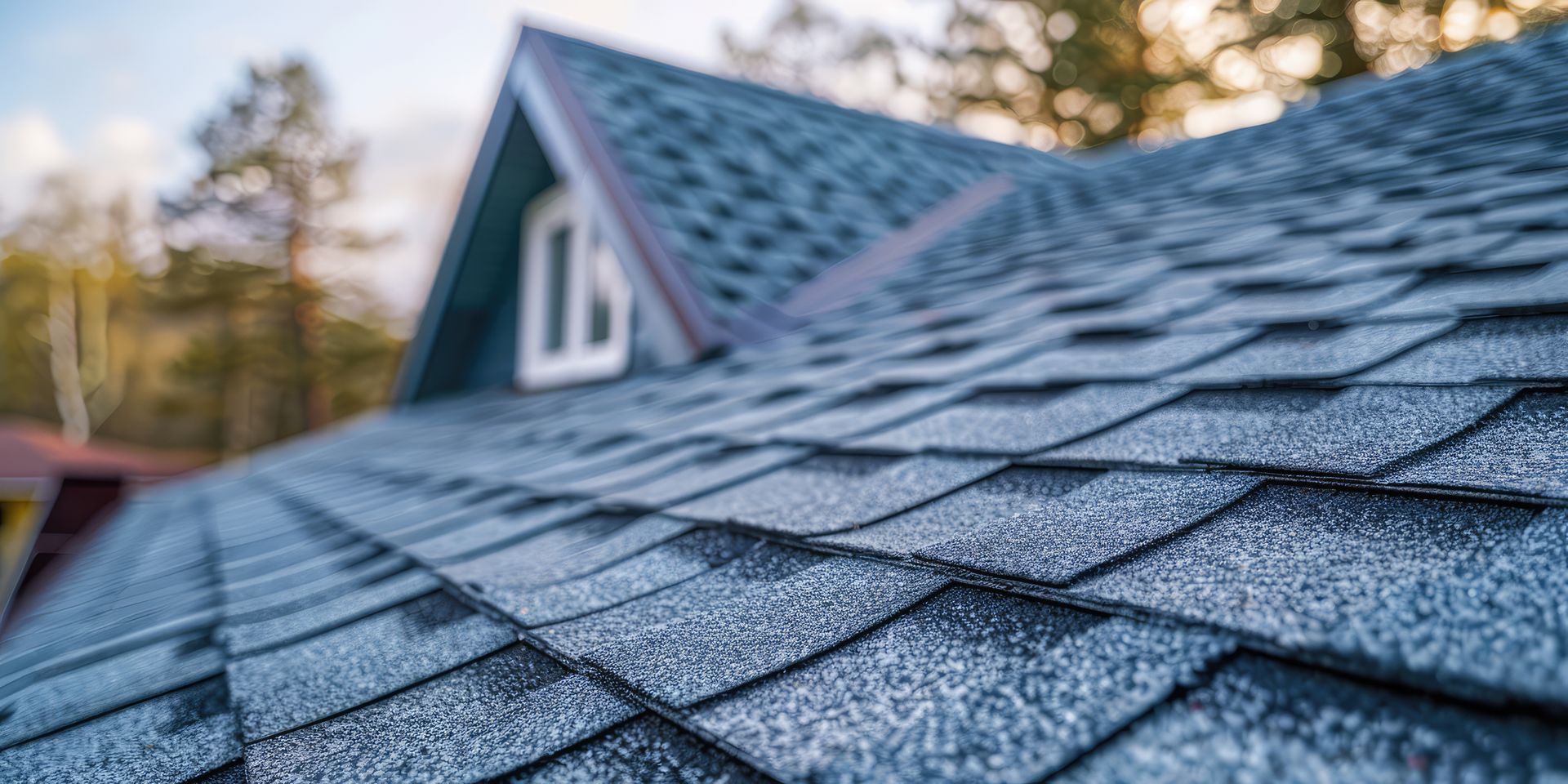
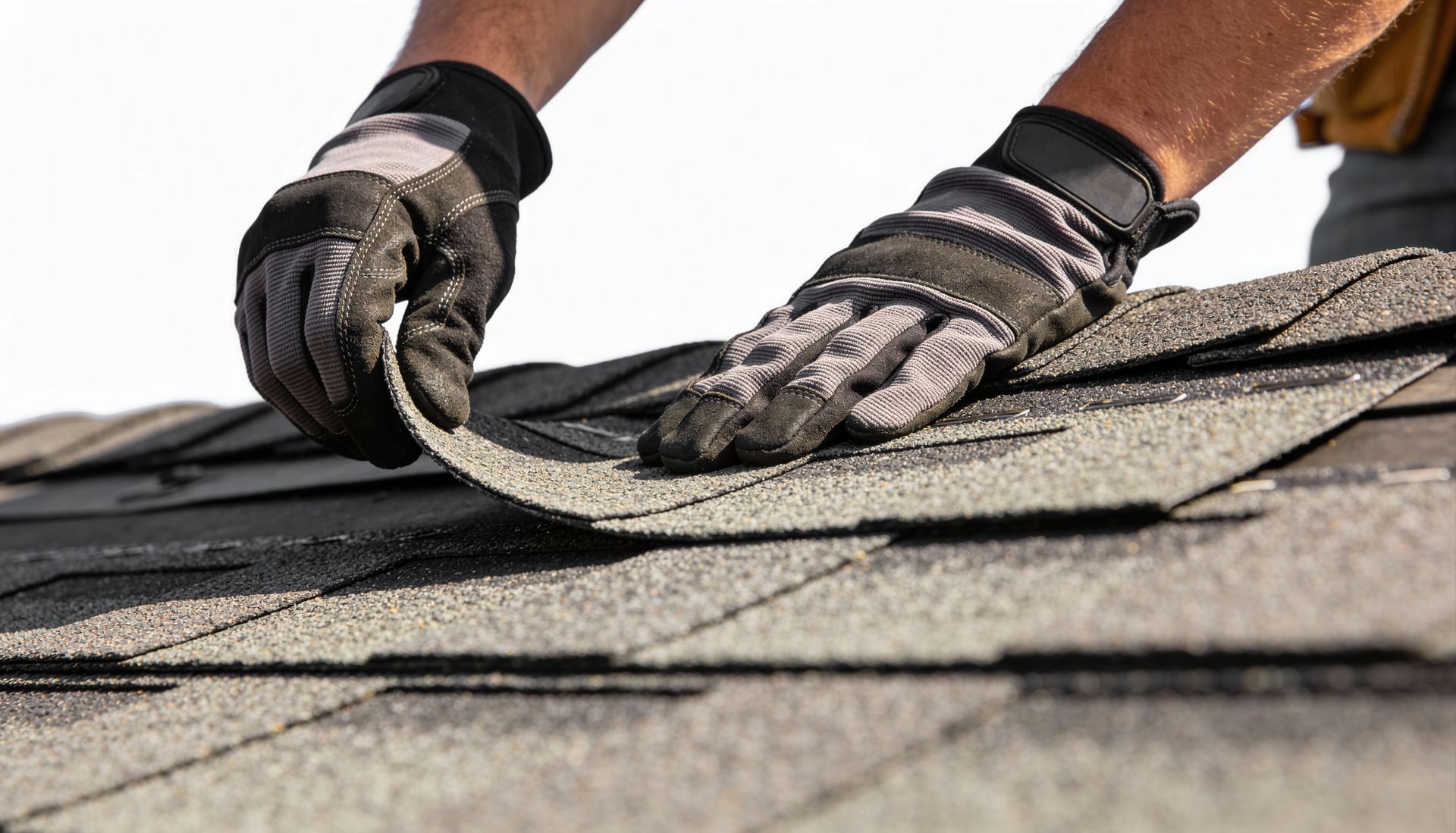
Asphalt shingles remain a popular option due to their cost effectiveness and durability. When properly installed, they provide solid protection against cold temperatures, snow, and ice. Architectural asphalt shingles are especially strong and offer better wind and impact resistance. Many homeowners searching for
asphalt roofing for cold climates choose high quality shingles that feature enhanced weatherproofing and longer life spans.
Slate Roofing: Exceptional Durability in Snowy Regions
Slate is known for its longevity and natural resistance to harsh weather. Its dense structure makes it highly resistant to moisture, cracking, and ice formation. Although it is one of the more premium choices, slate roofing performs exceptionally well in heavy snow regions. The weight of slate also helps stabilize roof structures during winter storms. Many consider
slate roofing the gold standard for durability.
Cedar Shake Roofing: Natural Insulation With a Rustic Look
Cedar shakes offer excellent natural insulation, helping keep heat inside during cold months. Their thickness and density provide impressive resistance to snowfall. While cedar requires more maintenance than metal or asphalt, it performs well in winter climates when properly treated. Homeowners who want a rustic aesthetic often look into
cedar roofing as a winter friendly option.
Synthetic Roofing Materials: Modern Strength and Weather Resistance
Synthetic roofing materials, such as polymer or composite shingles, are engineered to mimic slate or cedar while offering reduced maintenance needs. These materials resist cracking, warping, and moisture absorption, making them strong contenders for winter performance. With increasing searches for
synthetic roofing materials, many homeowners are choosing these modern products for long lasting protection against snow and ice.
Key Factors That Affect Winter Roof Performance
Roof Pitch
Steeper roofs shed snow more efficiently and reduce the likelihood of ice buildup.
Underlayment Quality
High performance underlayment provides moisture protection and supports insulation.
Ventilation
Proper attic ventilation prevents heat buildup and helps reduce ice dam formation.
Installation
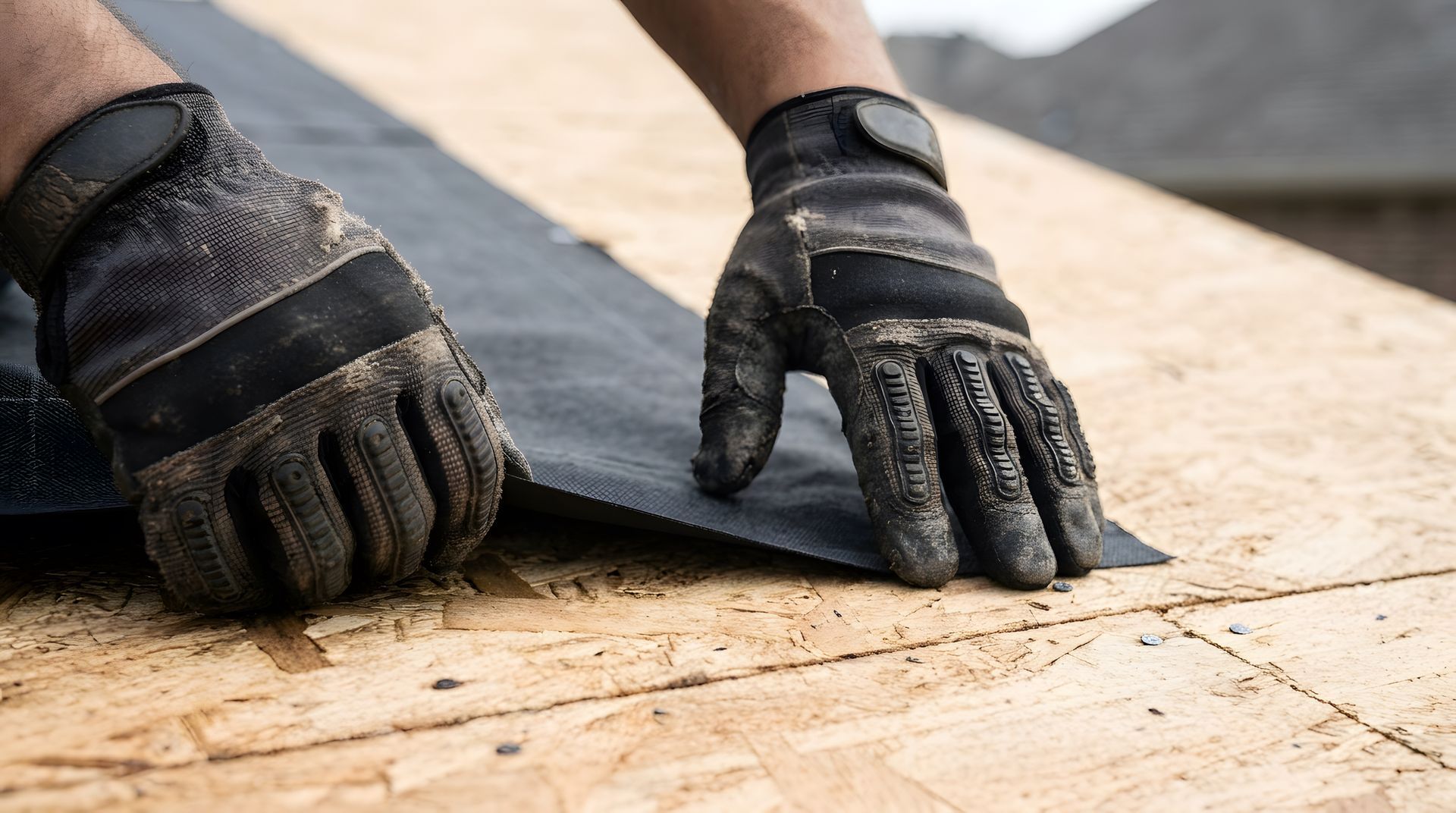
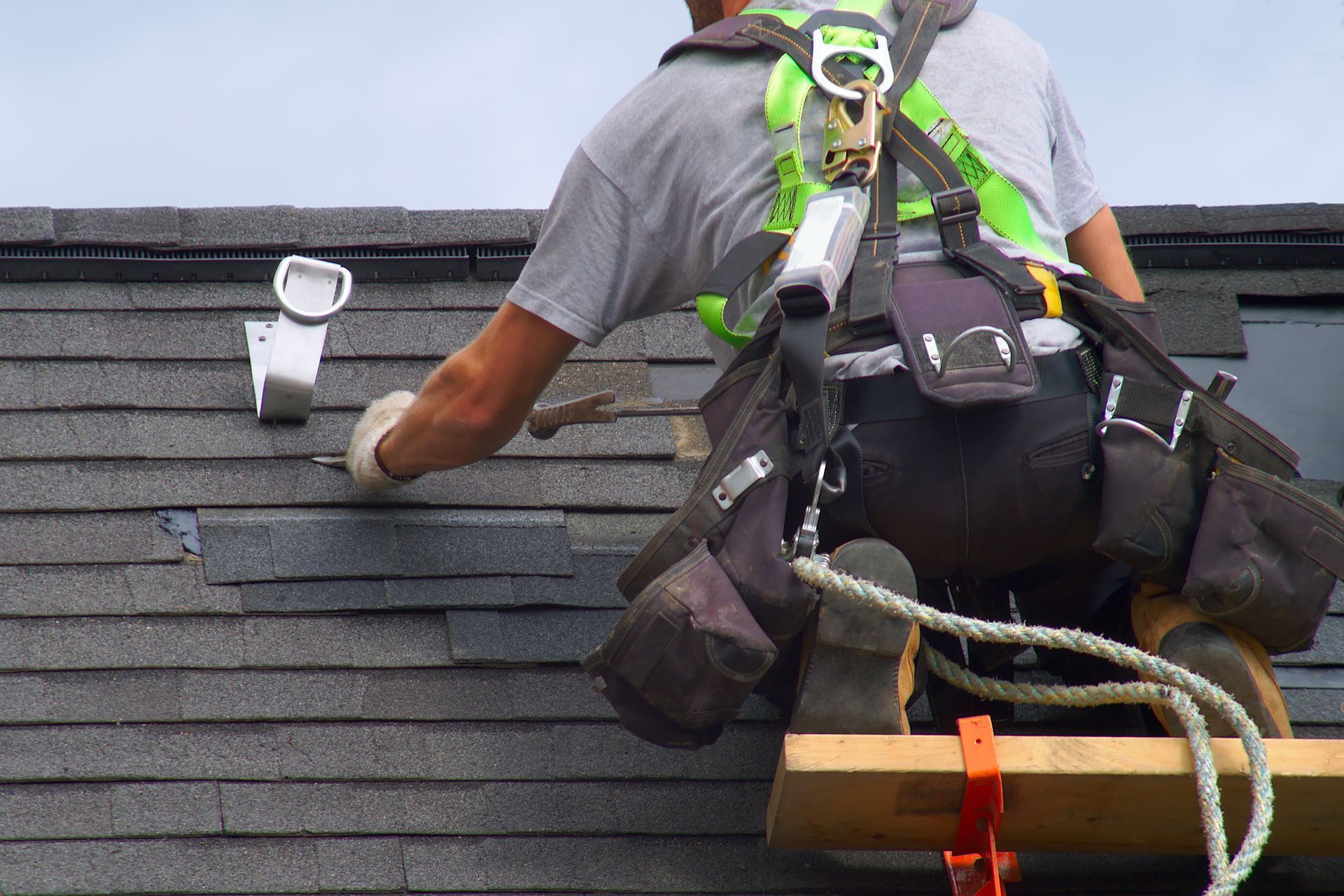
Even the best material can fail if installed poorly. Professional installation ensures your
winter roofing system performs at its highest level.
Conclusion
Choosing the right
roofing material is essential for homes in snowy climates. Metal roofing offers superior snow shedding, asphalt shingles provide affordability and reliability, slate delivers unmatched durability, cedar adds natural insulation, and synthetic materials combine beauty with low maintenance. When you need expert guidance, installation, or winter roofing support,
Overmyer Roofing
is here to help protect your home all season long.