Should You Remove Snow From Your Roof After a Storm?
After a winter storm, many homeowners wonder whether clearing snow from the roof is necessary or risky. While snow may look harmless, excessive buildup can create serious problems for both the structure of your home and your roofing system. Understanding when and why roof snow removal is important helps prevent damage, leaks, and costly repairs during the winter months.

Why Snow Buildup Can Be a Problem
Heavy snow adds significant weight to your roof. Prolonged accumulation can stress roof framing, especially on older homes or roofs already weakened by age or wear. Repeated freeze and thaw cycles can worsen the issue by compacting snow and increasing load pressure.
Ignoring snow on your roof can lead to long term structural concerns.
Ice Dams and Water Intrusion
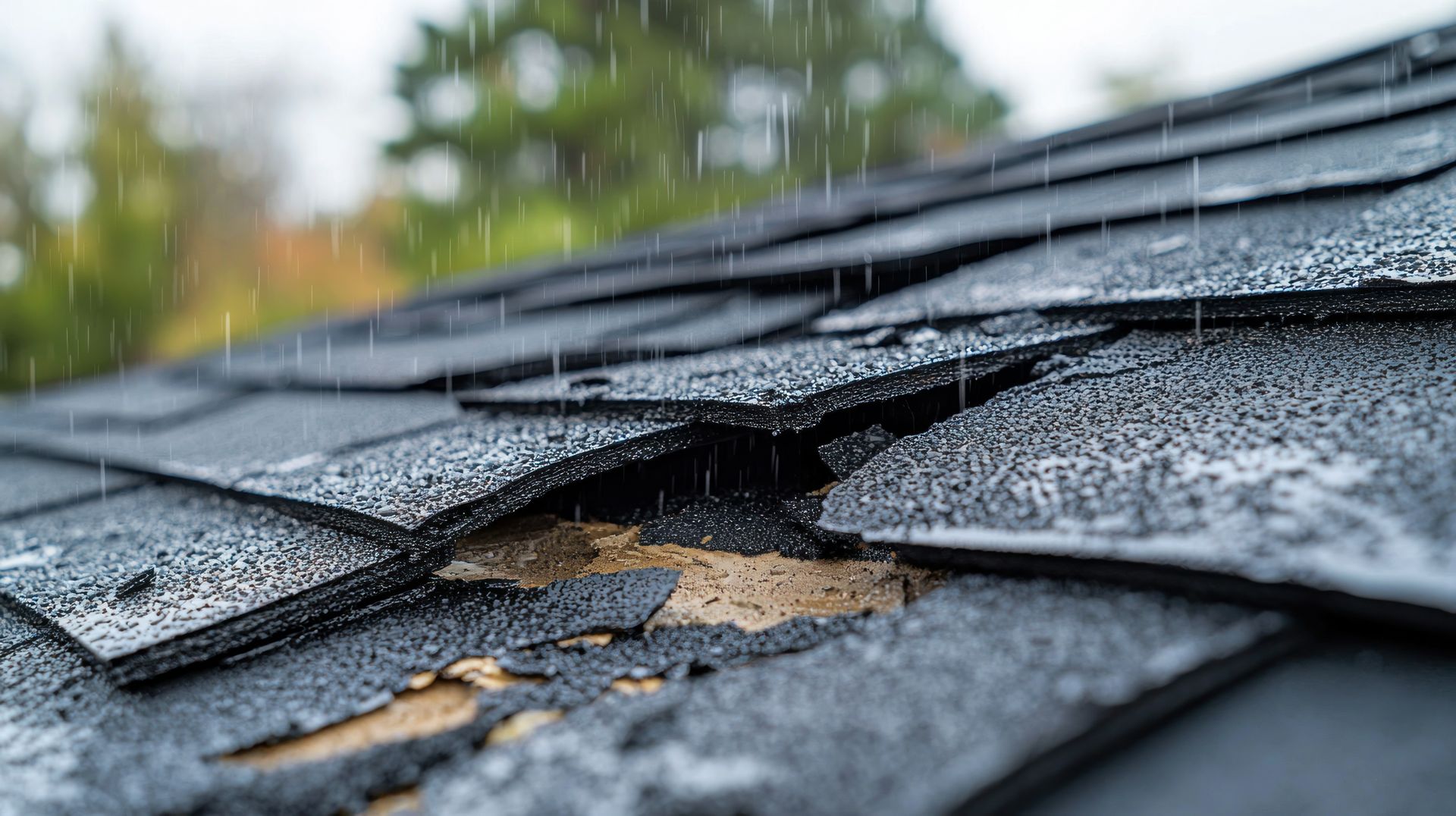
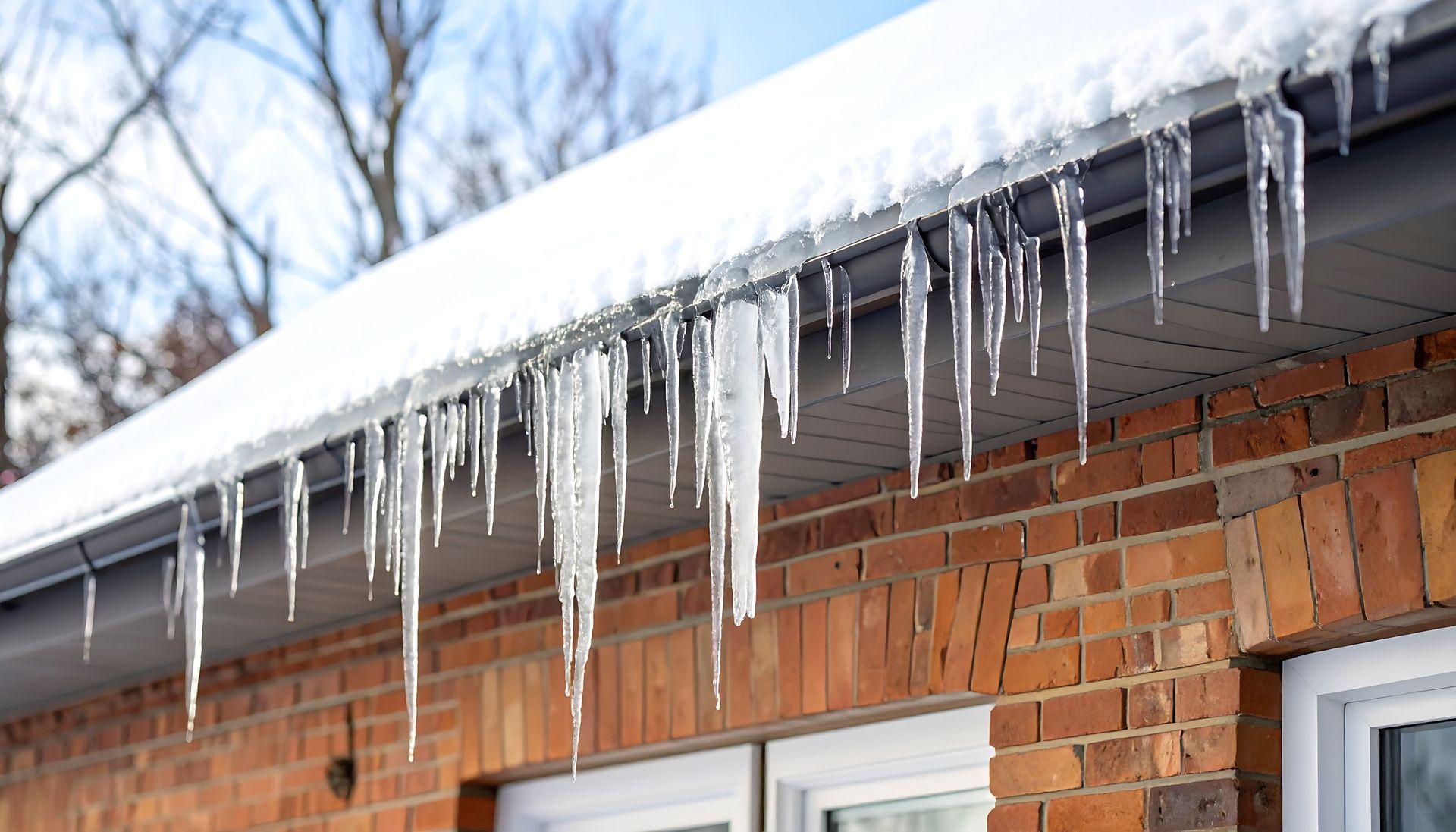
One of the biggest risks associated with snow buildup is the formation of ice dams. Ice dams occur when heat escapes through the roof, melting snow that later refreezes near the eaves. This creates a barrier that prevents proper drainage.
Water trapped behind ice dams can seep under shingles, leading to roof leaks, interior water damage, and insulation issues.
When Snow Removal Is Recommended
Removing snow is generally recommended when accumulation exceeds several inches, particularly after heavy or wet snowfall. Flat roofs and low slope roofs are especially vulnerable to weight stress and water pooling.
Targeted roof snow removal near valleys, gutters, and roof edges helps reduce the risk of ice dams without needing to clear the entire surface.
Why DIY Roof Snow Removal Can Be Dangerous
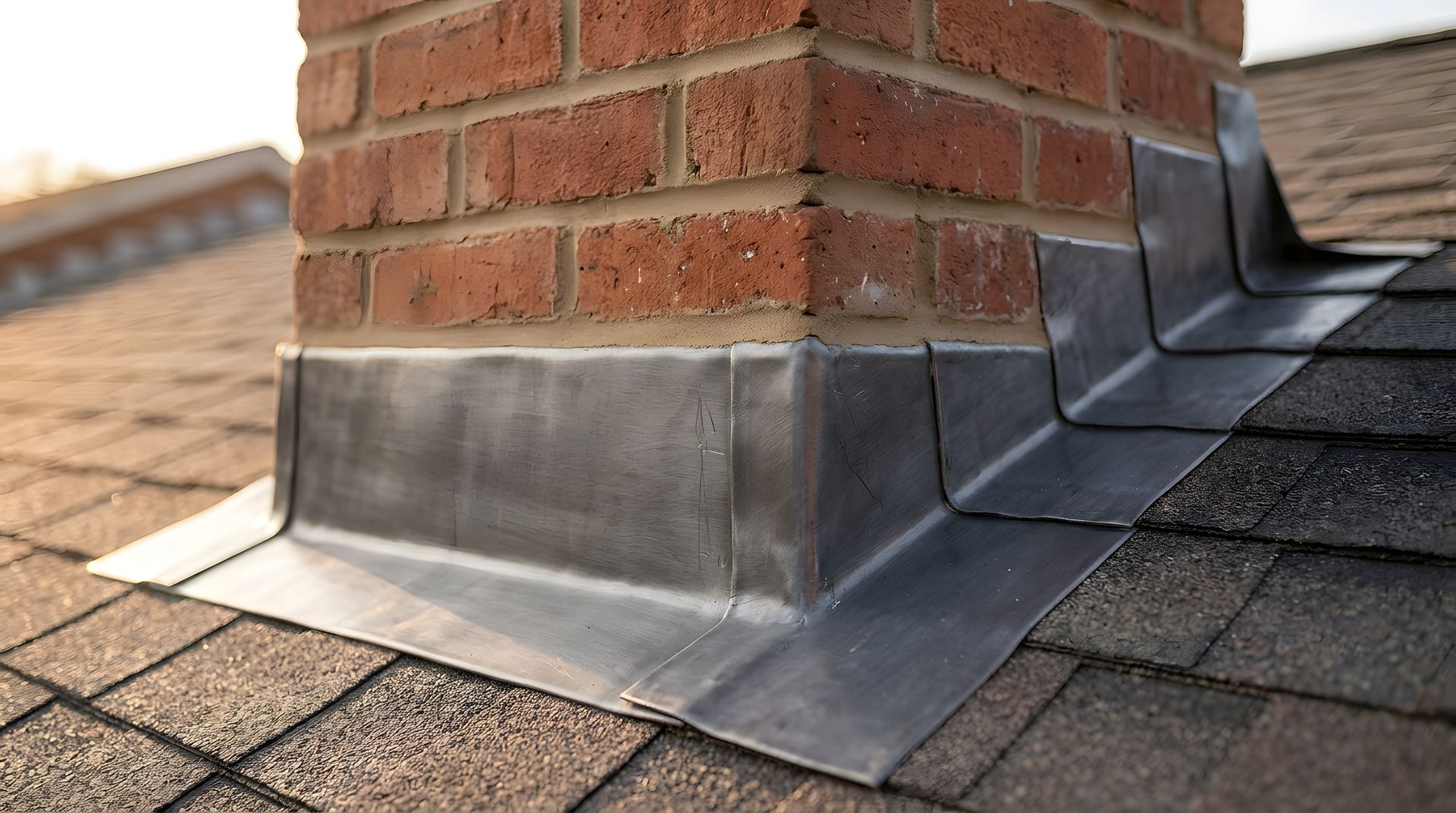
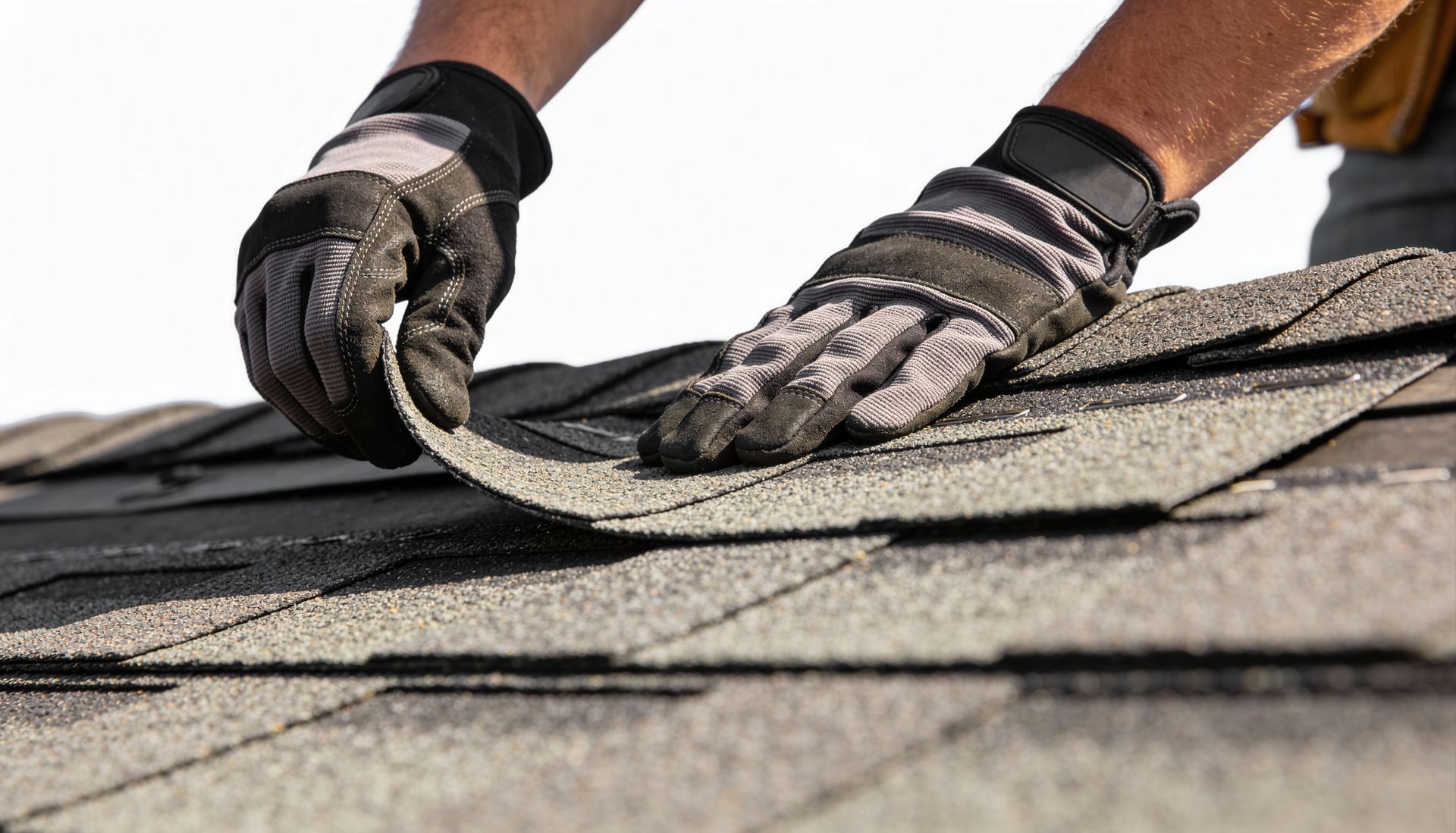
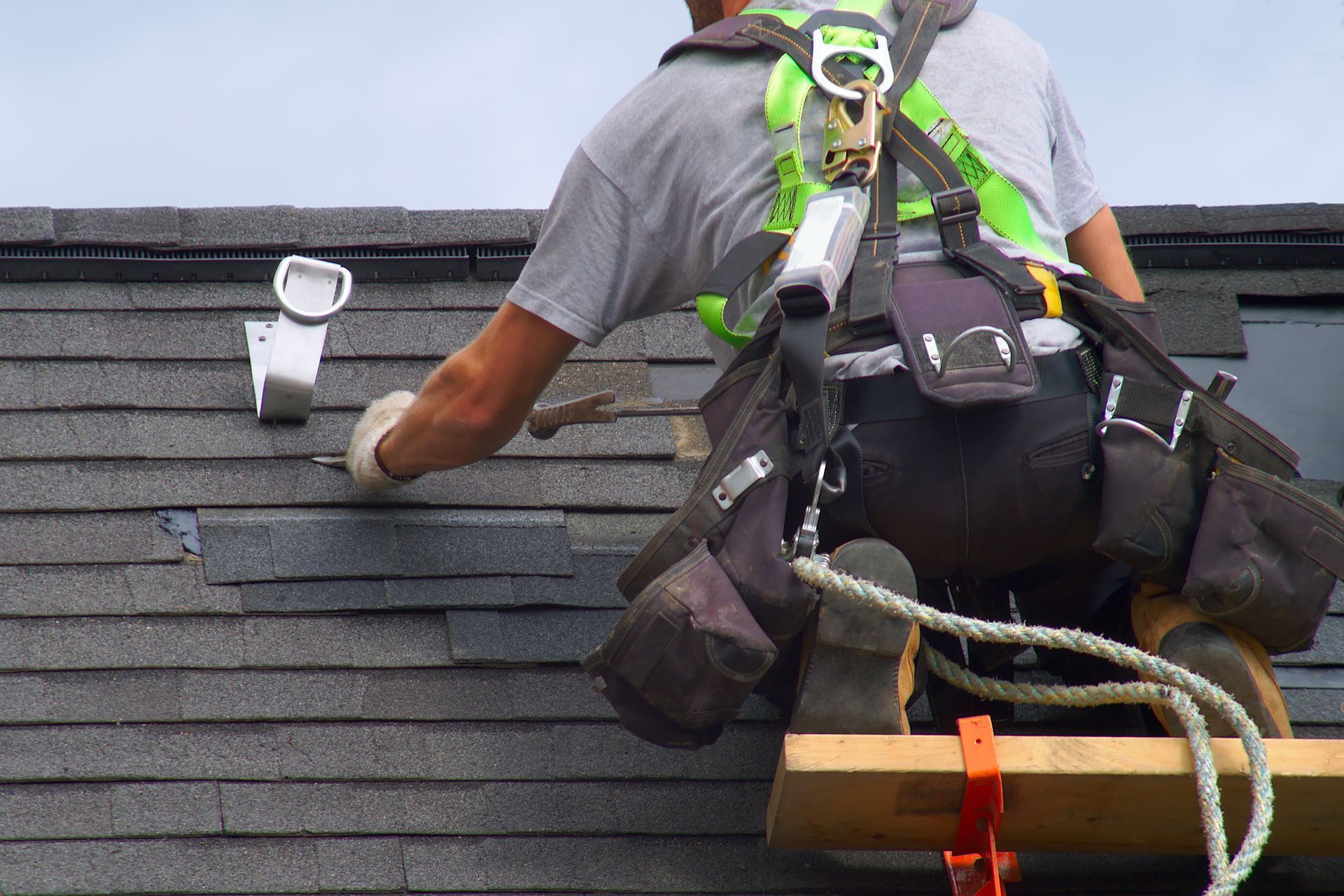
Climbing onto a roof in winter conditions presents serious safety risks. Slippery surfaces, unstable footing, and falling ice can cause severe injury. Improper removal techniques may also damage shingles, flashing, and gutters.
Using roof rakes from the ground is safer than climbing, but improper use can still harm roofing materials.
Professional Snow Removal vs Homeowner Efforts
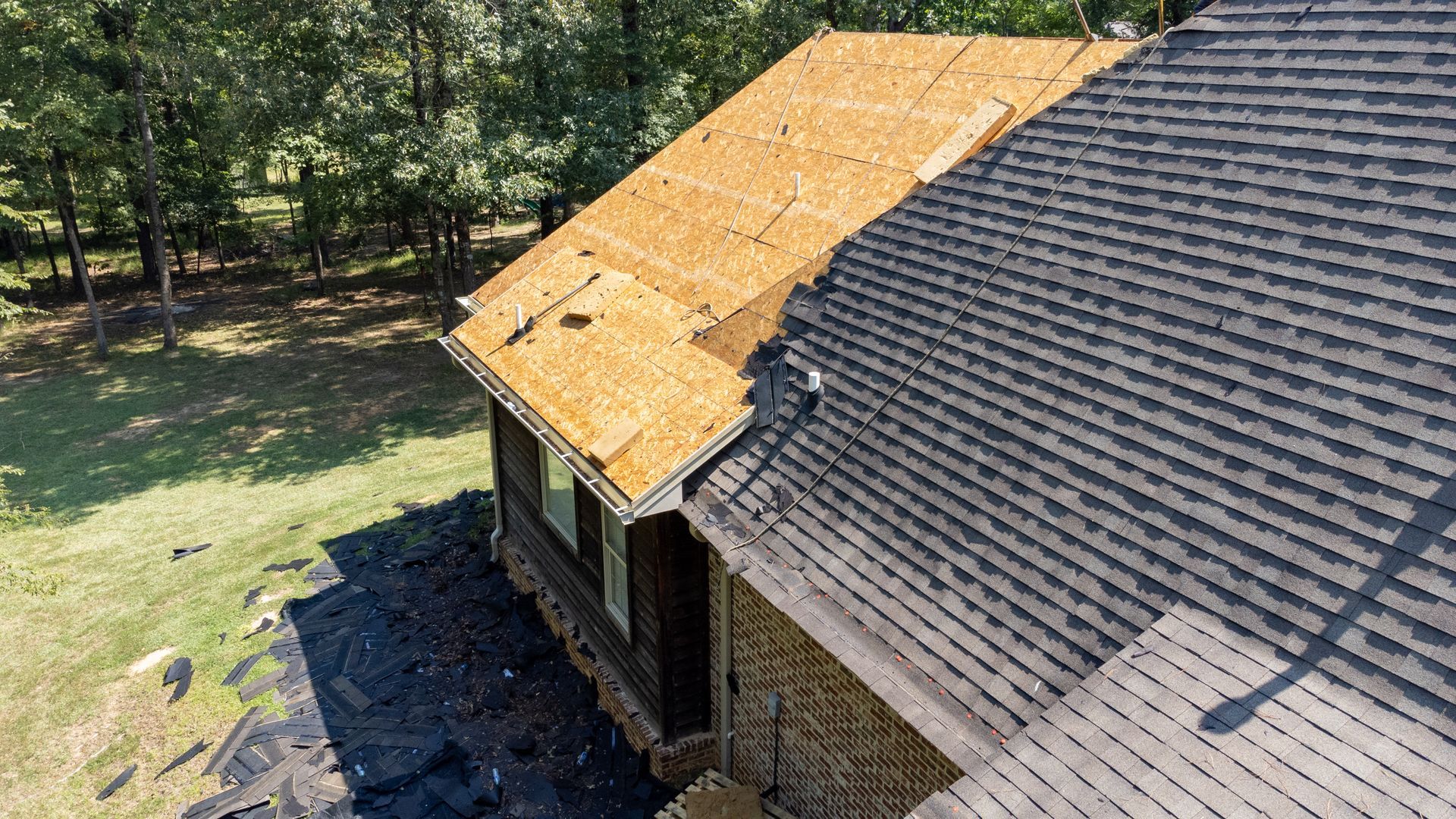
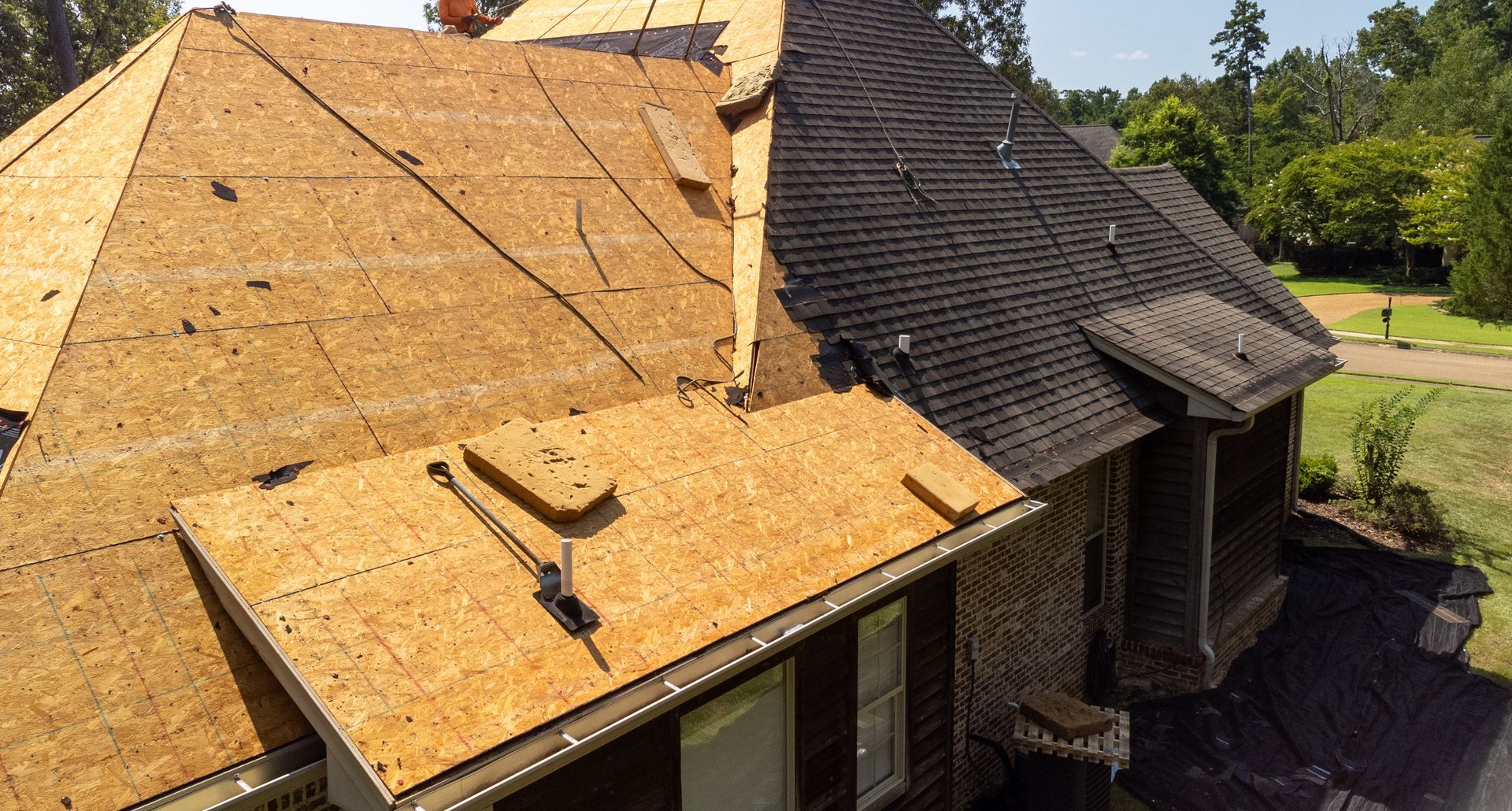
Professional roofing contractors use proper equipment and methods to safely remove snow while protecting roofing materials. Trained crews understand how to manage snow without compromising shingle integrity or ventilation systems.
Relying on professional winter roof maintenance reduces risk and preserves the lifespan of your roof.
Preventative Measures That Reduce Snow Problems
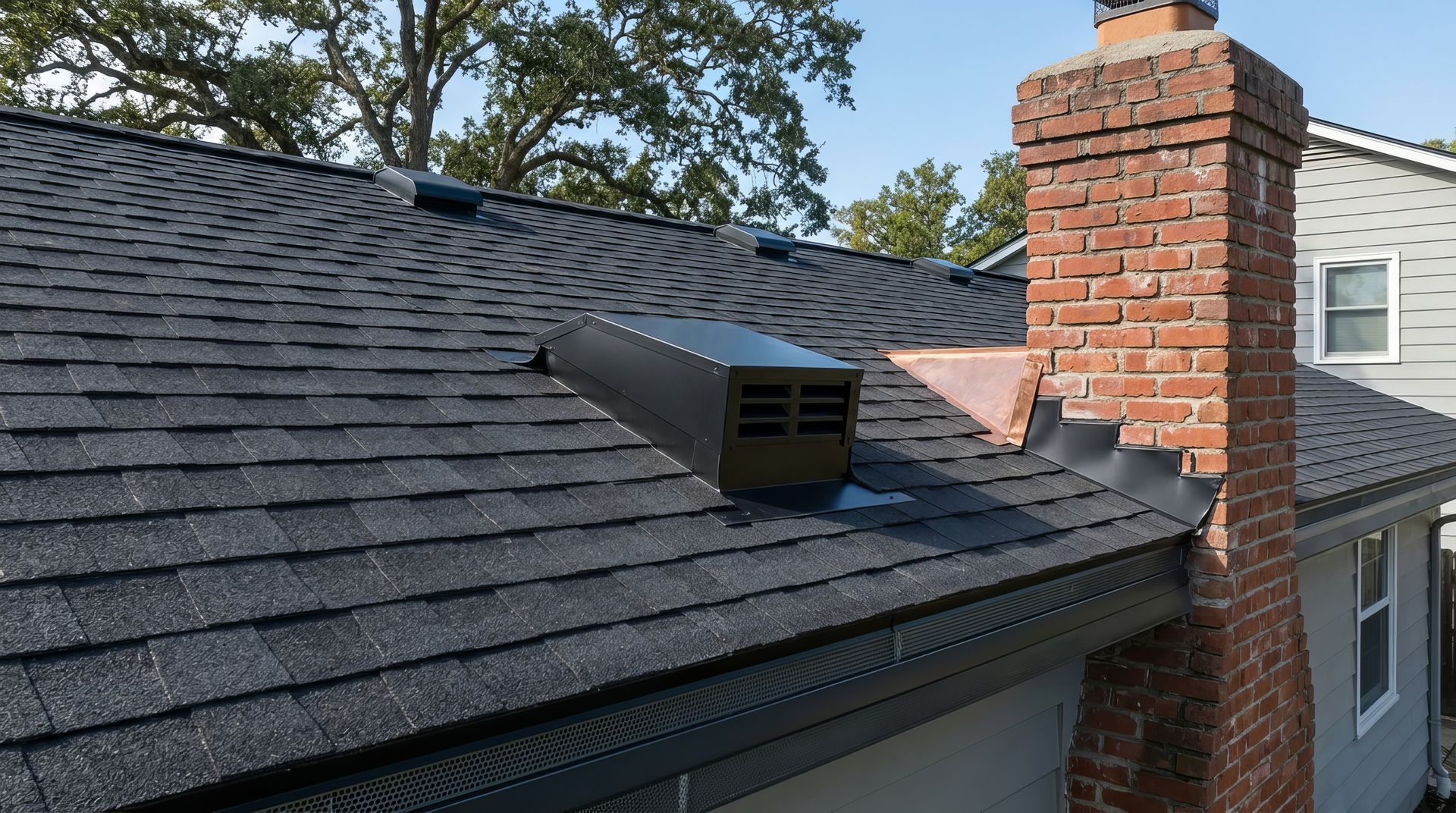
Preventing issues before winter starts is just as important as addressing snow afterward. Proper attic insulation, ventilation, and sealing help regulate roof temperature and reduce ice dam formation.
Routine roof inspections before winter identify vulnerable areas that may be impacted by snow and ice.
Conclusion
Whether you should remove snow from your roof after a storm depends on accumulation, roof design, and existing vulnerabilities. Excessive snow and ice can lead to structural stress, ice dams, and roof leaks if left unmanaged. Overmyer Roofing provides expert guidance, inspections, and winter roof maintenance solutions to help homeowners protect their roofs throughout the coldest months and avoid costly winter damage.