How Snow and Ice Can Damage Your Roof
Winter weather can be especially tough on residential roofing systems. While snow and ice may seem harmless at first, repeated exposure can lead to serious structural and moisture related issues. Understanding how snow and ice can damage your roof helps homeowners take preventative steps and avoid costly repairs during and after winter storms.

Excess Weight From Snow Accumulation
Heavy snowfall adds significant weight to your roof. Wet snow is especially problematic because it is much heavier than powdery snow. Over time, this weight can strain roof decking, rafters, and trusses.
Prolonged snow buildup on roofs increases the risk of sagging and structural stress, particularly on older homes or roofs nearing the end of their lifespan.
Ice Dams and Water Backup
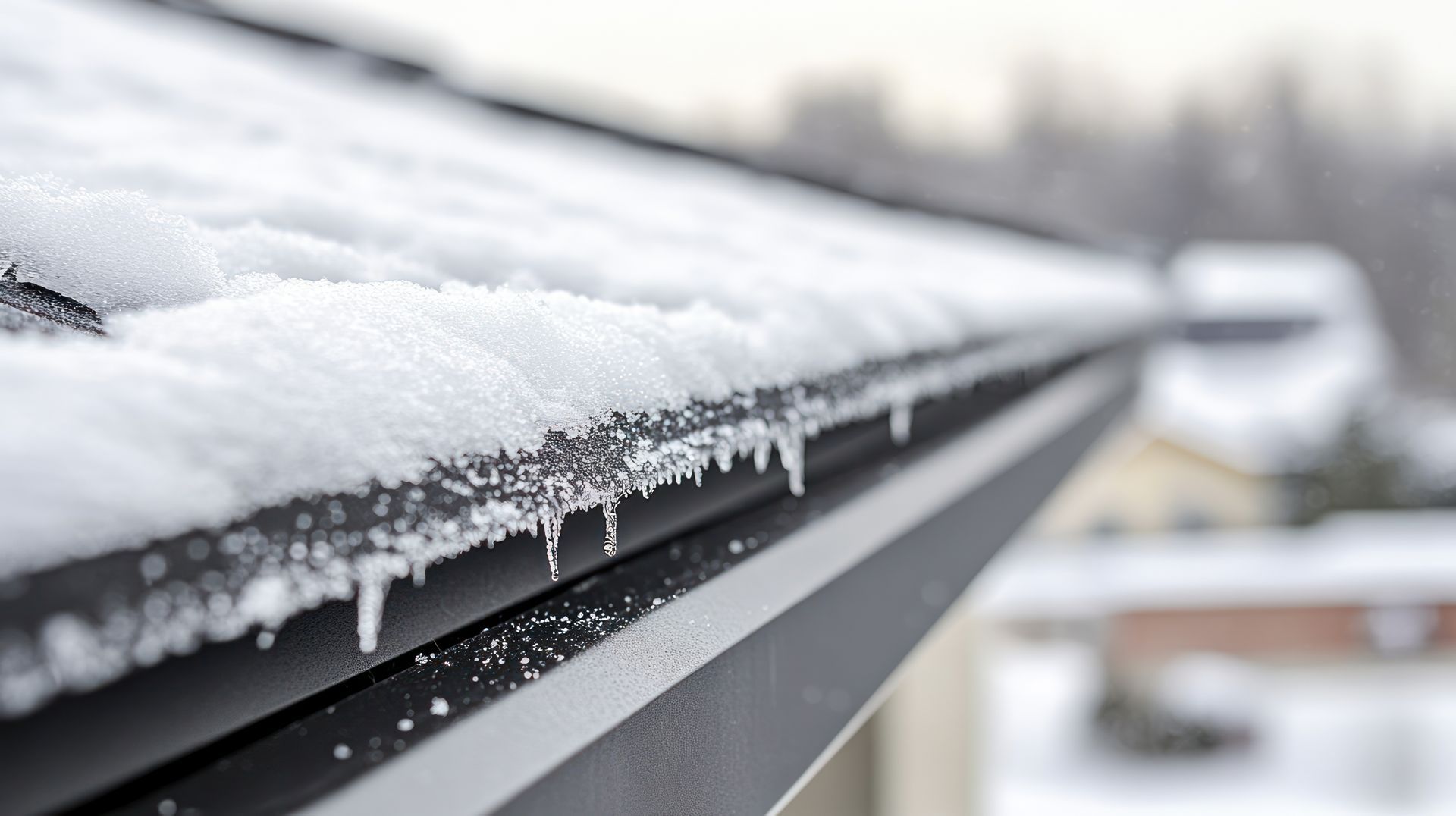
One of the most common winter roofing problems is the formation of ice dams. Ice dams occur when heat escapes through the roof, melting snow that later refreezes along the roof edge.
This buildup prevents proper drainage, forcing water back under shingles where it can cause roof leaks, damaged insulation, and interior water stains.
Freeze and Thaw Cycles Break Down Materials
Winter temperatures often fluctuate above and below freezing. These freeze thaw cycles cause snow and ice to melt and refreeze repeatedly, expanding and contracting roofing materials.
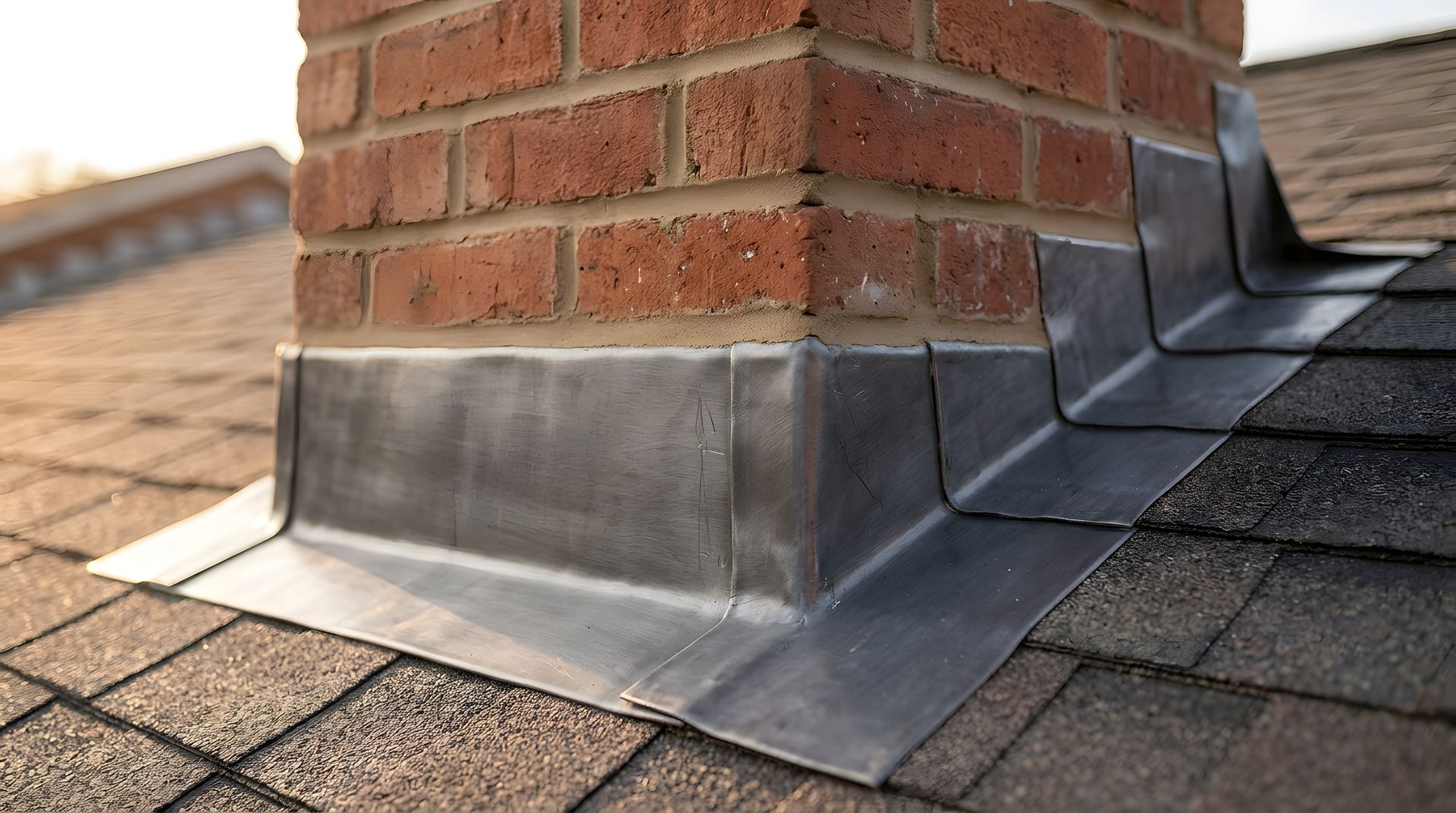
Over time, this process weakens shingles, flashing, and sealants, increasing the likelihood of cracking and premature roof wear.
Shingle Damage From Ice and Sliding Snow
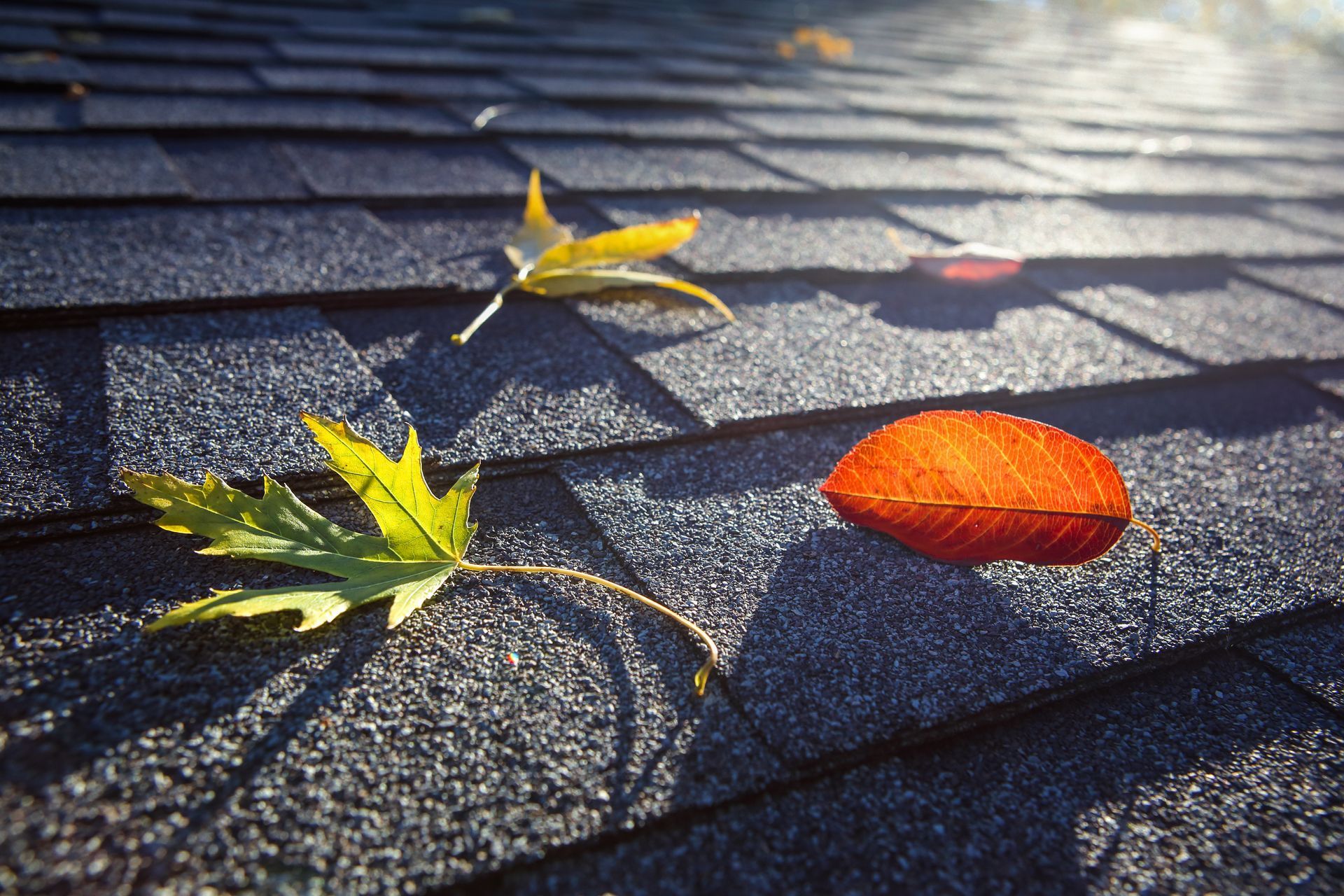
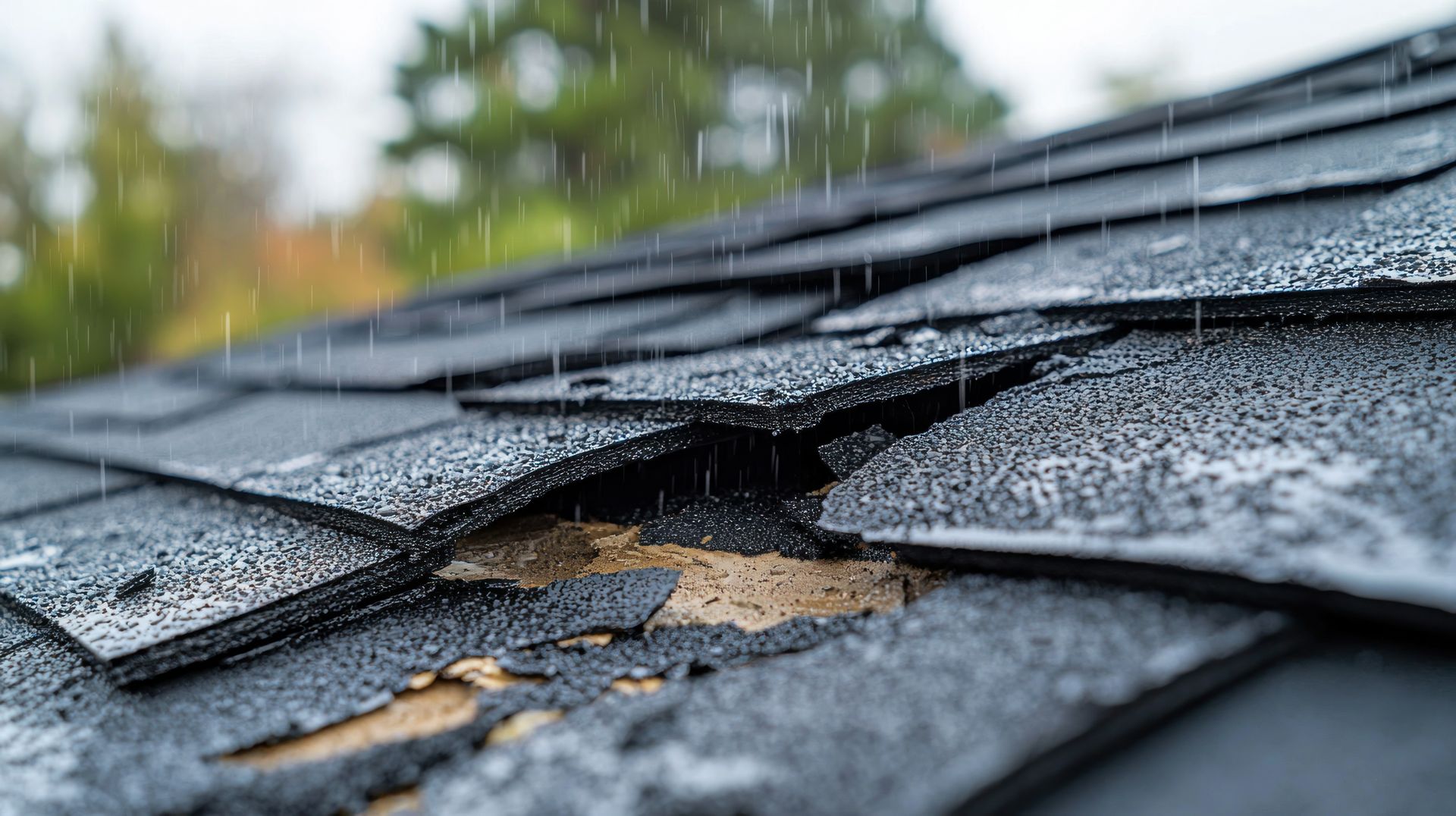
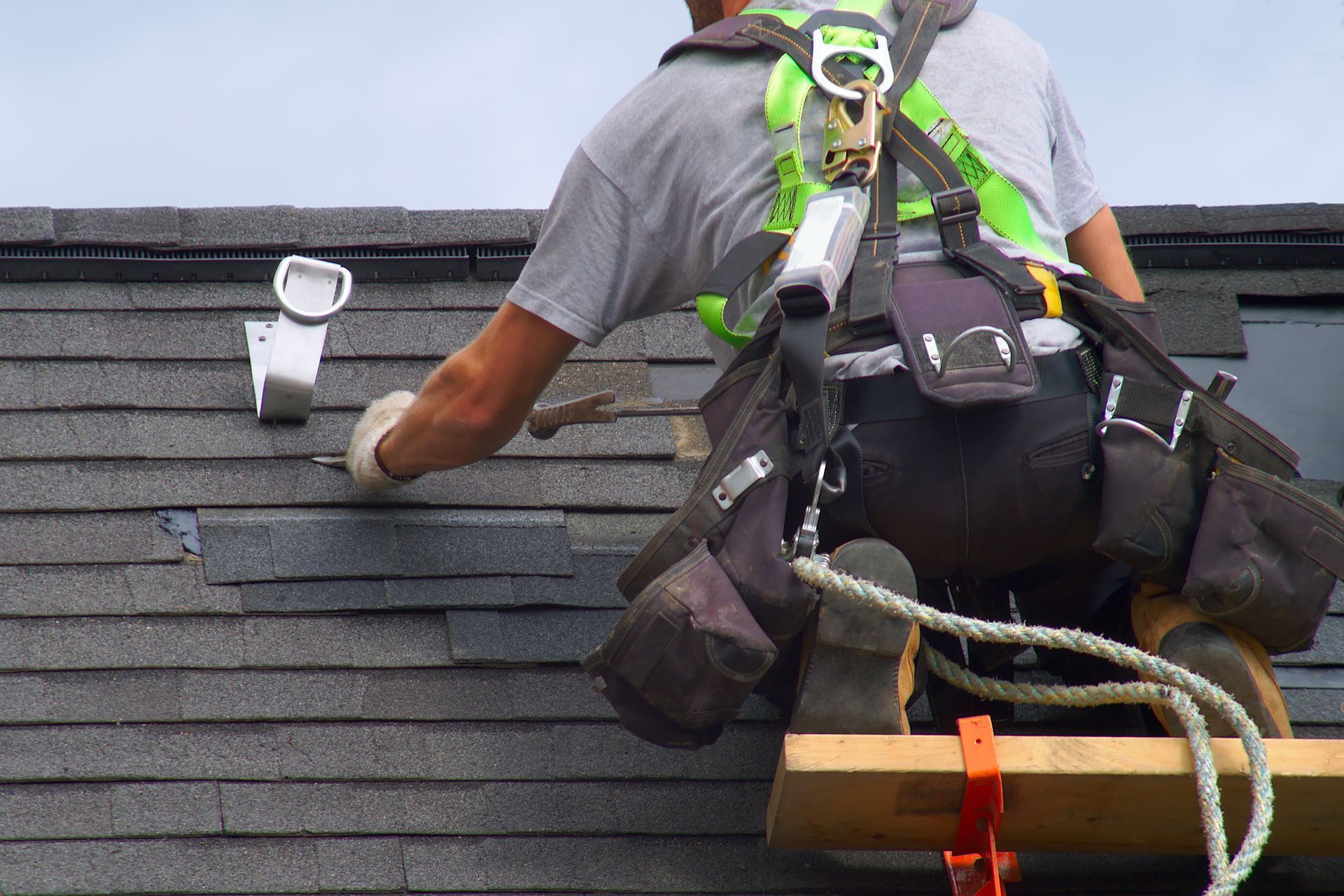
Ice and compacted snow can lift, crack, or dislodge shingles. When snow slides off a roof in large sheets, it can tear shingles loose and damage gutters.
This type of winter roof damage may not be immediately visible but can lead to leaks once temperatures rise.
Blocked Gutters and Poor Drainage
Snow and ice can clog gutters and downspouts, preventing proper drainage. When water has nowhere to go, it can back up under roofing materials or overflow near the foundation.
Maintaining clear drainage paths is an important part of winter roof maintenance.
Attic Insulation and Ventilation Issues
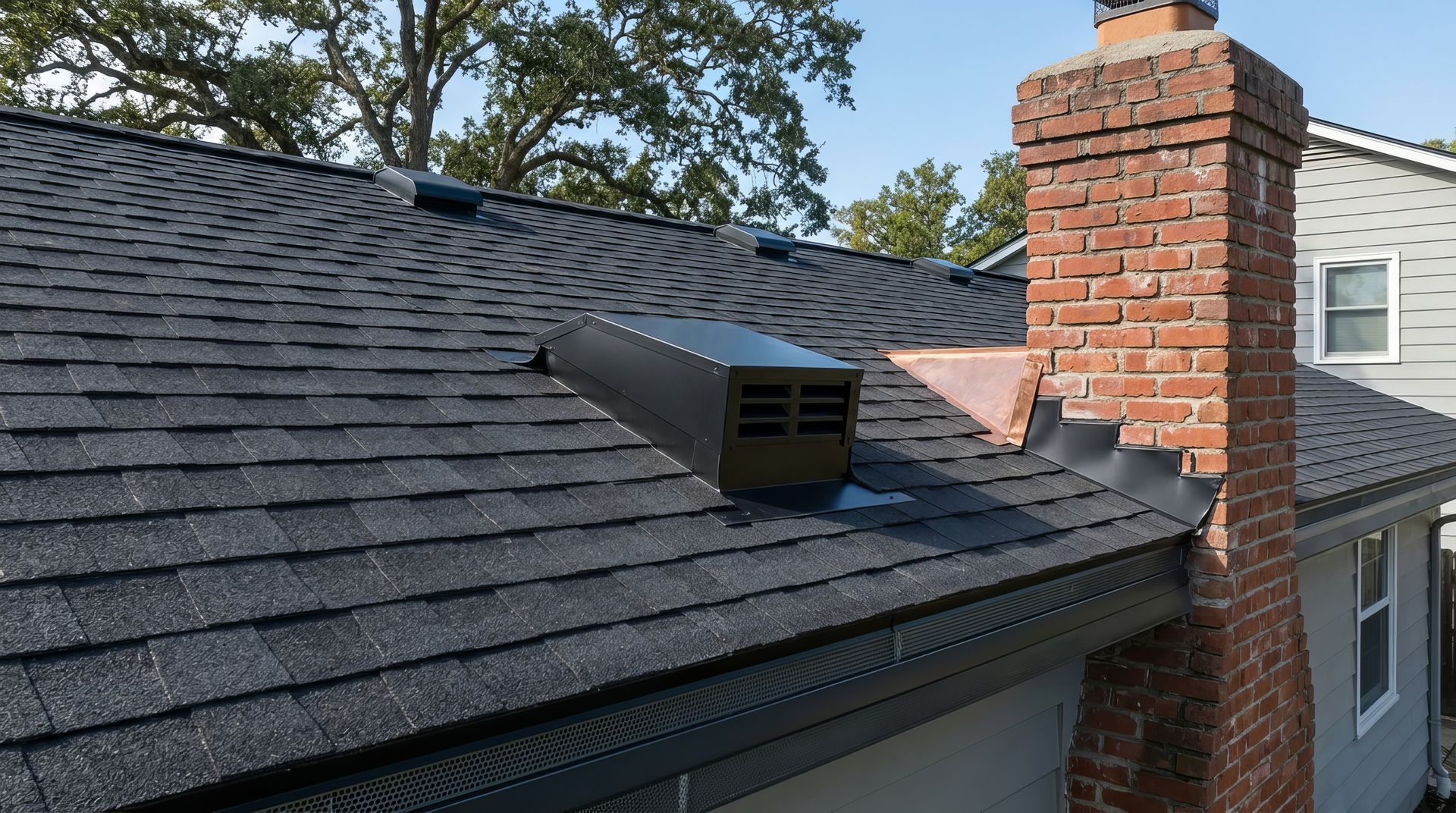
Poor attic insulation and ventilation contribute to uneven roof temperatures, which accelerate ice dam formation. Warm air escaping from the attic melts snow unevenly, increasing the risk of water intrusion.
Addressing insulation and airflow issues helps protect against long-term roof damage from ice.
Signs Your Roof May Have Winter Damage
After heavy snow or ice events, homeowners should watch for warning signs such as:
- Water stains on ceilings or walls
- Missing or lifted shingles
- Sagging rooflines
- Ice buildup along roof edges
Early detection helps reduce repair costs and prevents further damage.
Conclusion
Snow and ice can cause significant roofing issues, from excess weight and ice dams to roof leaks and material breakdown. Understanding how snow and ice can damage your roof allows homeowners to take preventative action before problems escalate. Overmyer Roofing provides professional inspections, repairs, and winter roof maintenance services to help protect homes throughout the coldest months and beyond.