What Are the Main Parts of a Roof?
Although roof designs vary, a typical residential roofing system may include:
- Roof decking or sheathing
- Underlayment
- Shingles or another roof covering
- Flashing
- Valleys
- Ridge
- Eaves
- Rakes
- Drip edge
- Fascia
- Soffits
- Roof vents
- Gutters and downspouts
Each component has a different job, but they function as a system. A problem with one area can sometimes affect other parts of the roof.
1. Roof Decking
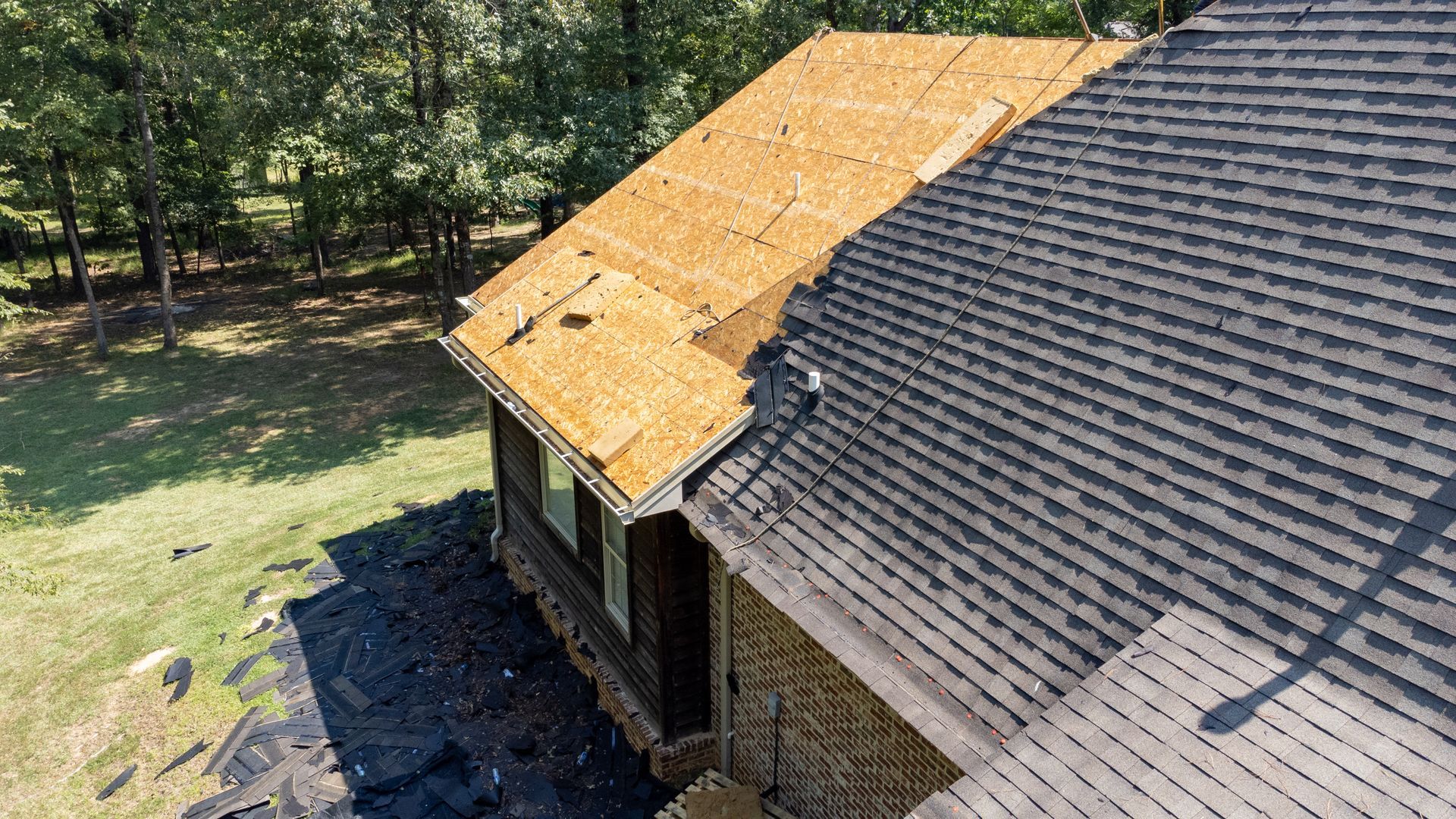
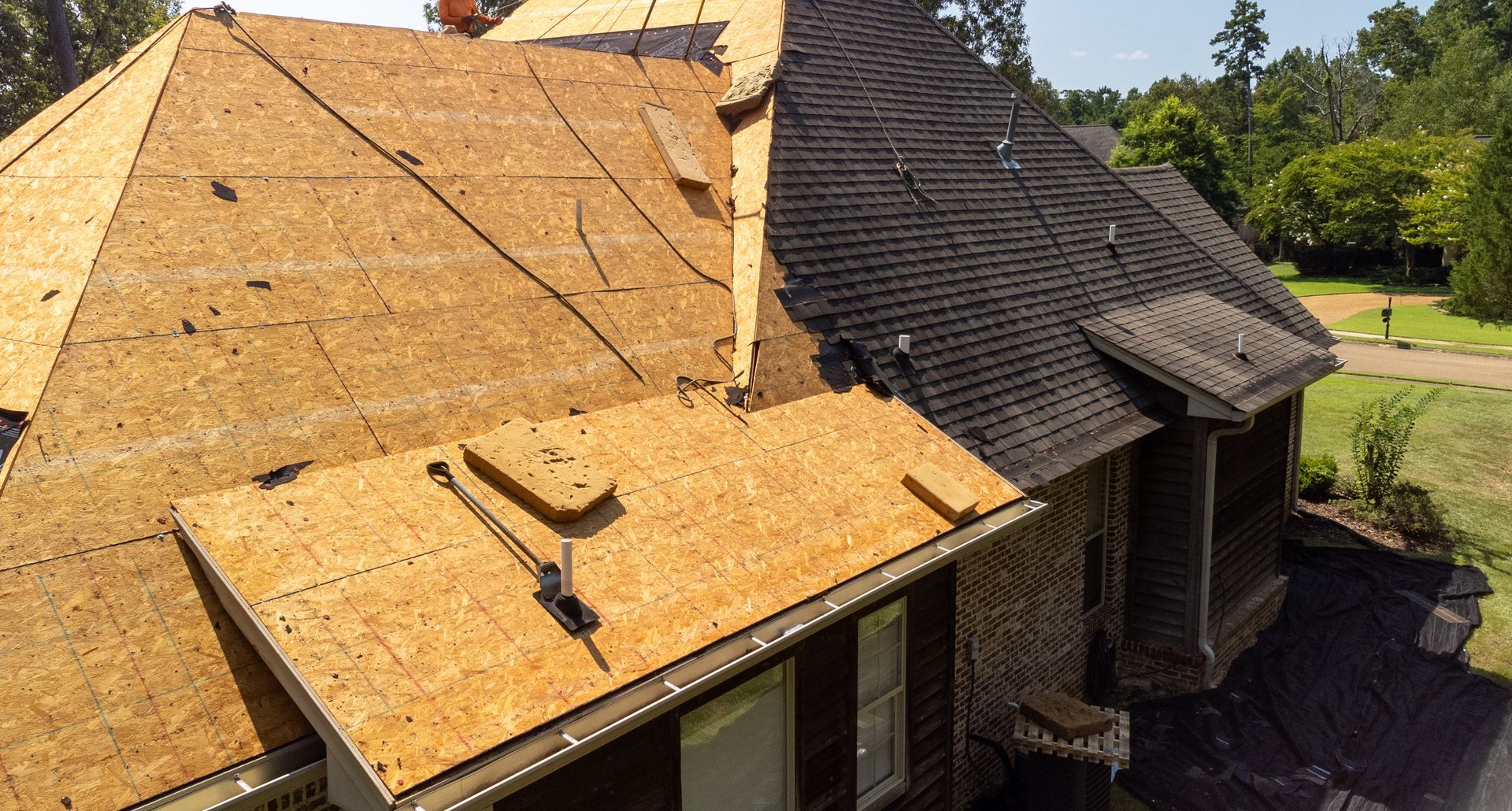
The roof deck, sometimes called roof sheathing, creates the structural surface underneath the roofing materials.
On many homes, the decking consists of plywood or oriented strand board attached to the roof framing. Underlayment and the finished roofing material are installed over this surface.
Roof decking provides the base that supports the roofing assembly. Because it sits beneath the visible roof covering, homeowners usually cannot see its condition without removing roofing materials or accessing certain areas from inside the attic.
Moisture intrusion can cause decking to deteriorate over time. During a roof replacement, exposed decking can be evaluated before the new roofing system is installed.
Overmyer Roofing also includes roof decking and underlayment integrity among the components evaluated during a professional
roof inspection.
2. Roof Underlayment
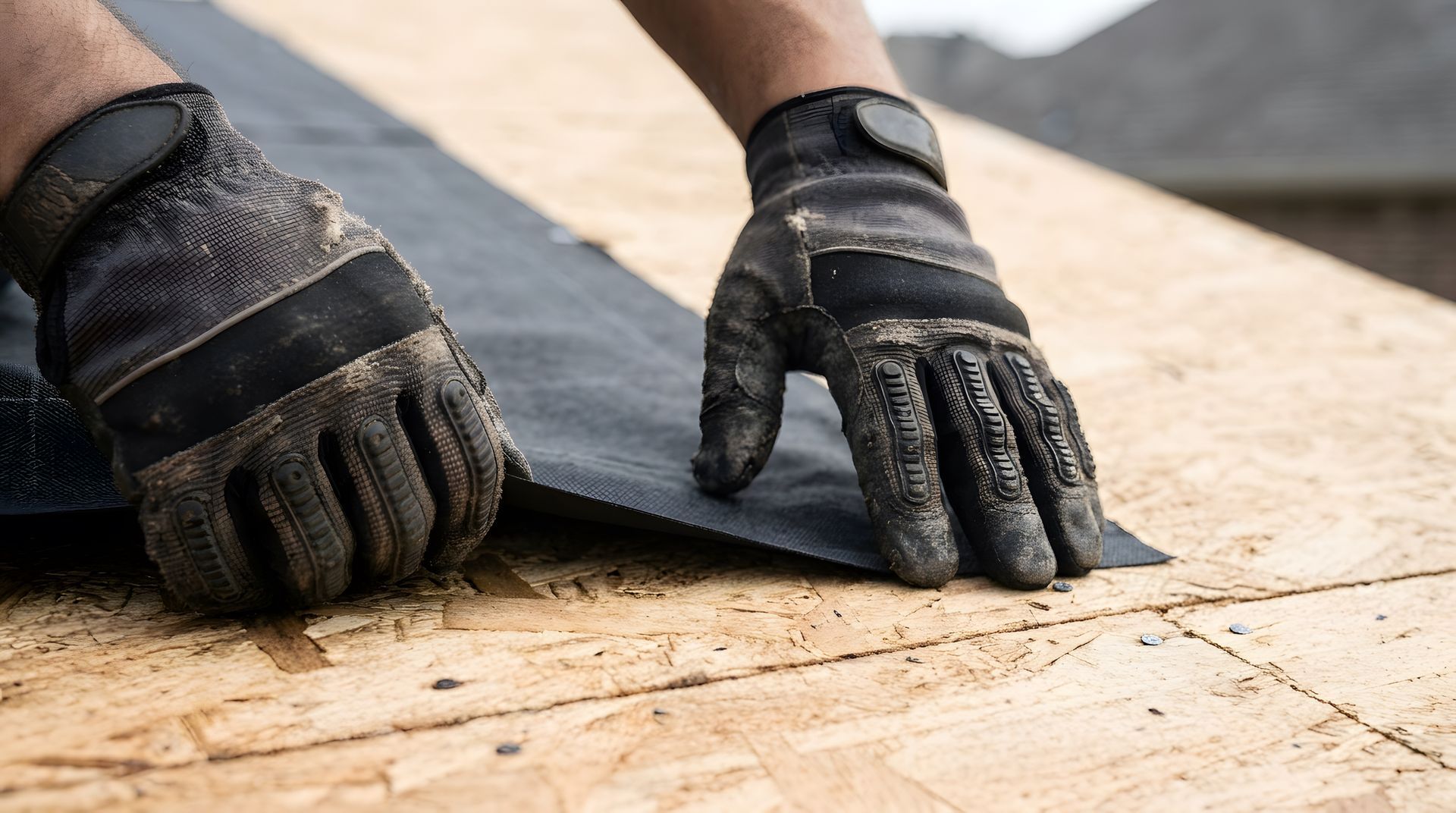
Underlayment is the protective layer installed over the roof deck and beneath shingles or another finished roof covering.
It provides secondary moisture protection if water gets beneath the primary roofing material.
Depending on the roofing system and application, different underlayment materials may be used. Certain vulnerable areas may also receive self-adhered membranes or leak barriers for additional protection.
Because Overmyer Roofing has a complete guide dedicated to this component, homeowners who want to learn more can read
What Is Roof Underlayment and Why Does Your Roof Need It?.
3. Shingles or Other Roof Coverings
The roof covering is the visible exterior material most people think of when they picture a roof.
Asphalt shingles are common on residential properties, but roofing materials can also include metal panels and other systems depending on the building.
The roof covering is designed to shed precipitation and protect the materials underneath it from direct exposure to the weather.
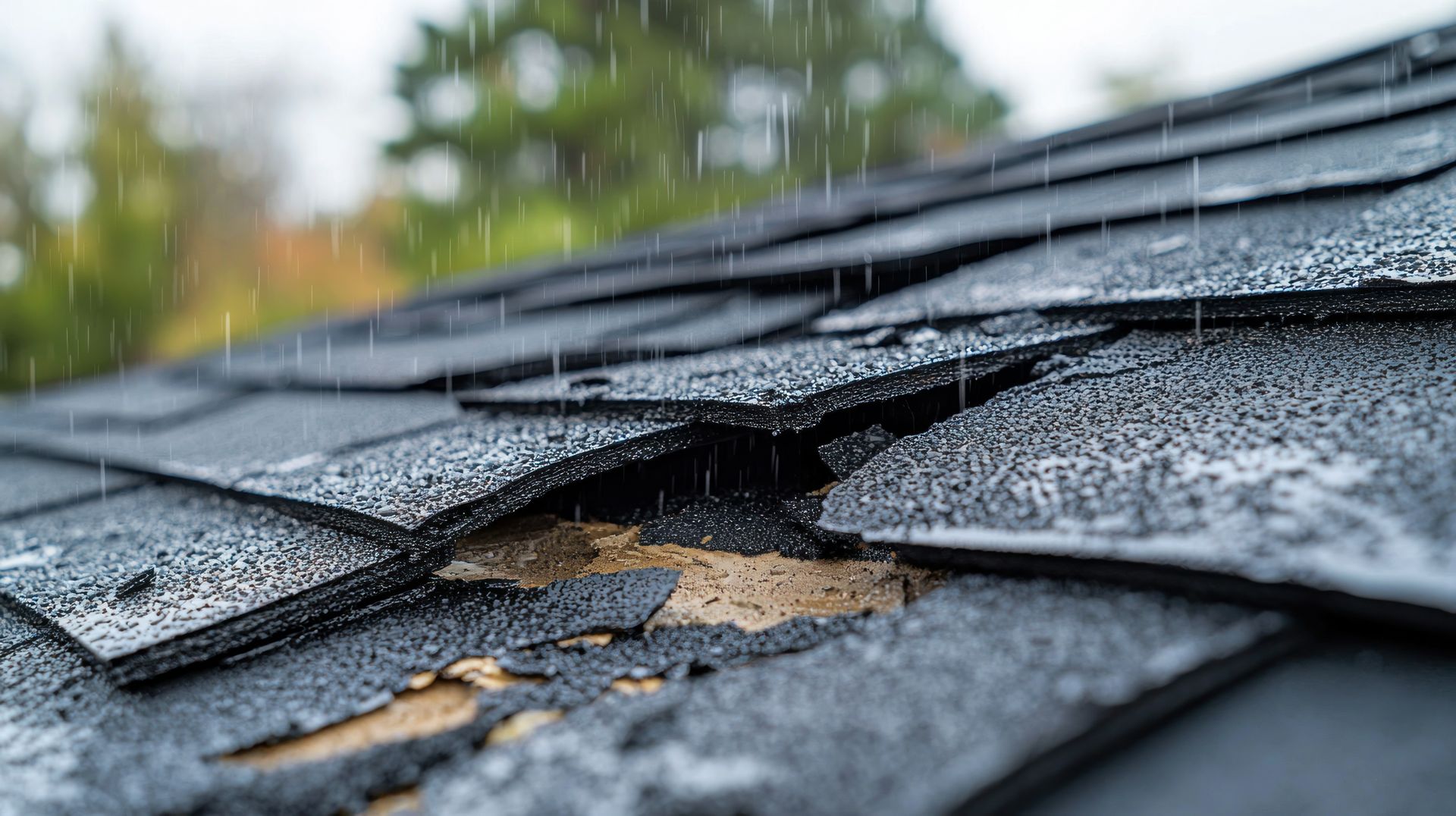
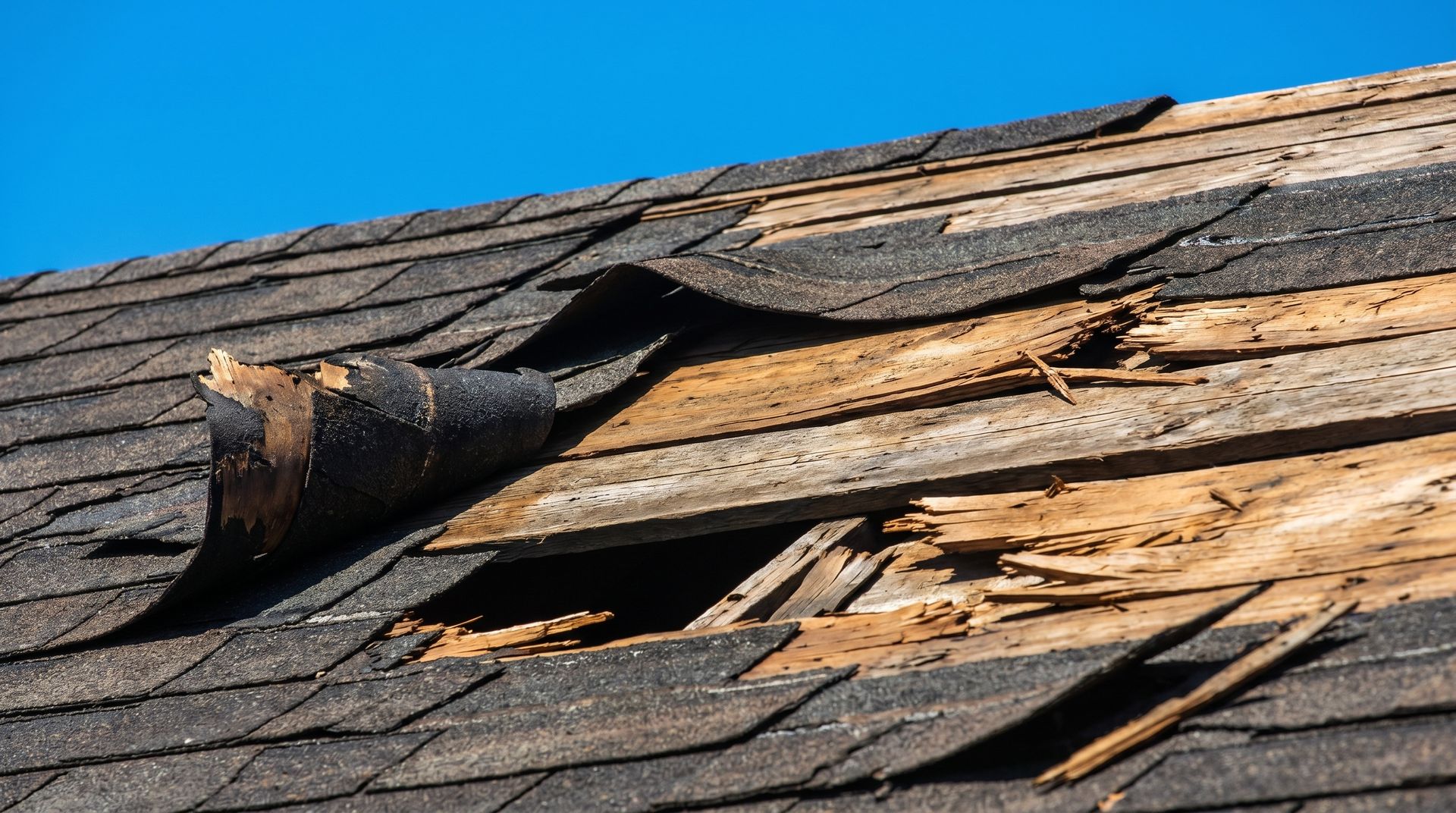
Signs that the exterior roofing material may need attention can include:
- Missing materials
- Cracks or breaks
- Lifted sections
- Loose components
- Visible impact damage
- Excessive deterioration
- Areas damaged by wind or falling debris
Overmyer Roofing installs both asphalt shingle systems and
metal roofing for properties throughout Monroe and Northampton Counties.
4. Roof Ridge
The ridge is the horizontal line at the highest point where two sloping roof sections meet.
On many asphalt shingle roofs, this area is covered with specially designed ridge-cap shingles.
The ridge may also be used as part of the roof's ventilation system. A ridge vent can allow warm, moisture-laden attic air to exit when it is properly incorporated into a balanced ventilation design.
Because the ridge sits at one of the highest and most exposed portions of a roof, its roofing materials should remain secure and properly installed.
5. Roof Valleys
A roof valley is the inward-sloping area where two roof planes meet.
Instead of shedding water directly over an outside edge, valleys collect runoff from adjacent roof sections and channel it downward.
That makes valleys particularly important for water management.
The
U.S. Department of Energy's Building Science Education program identifies roof valleys as among the areas particularly vulnerable to water intrusion and recommends water-management materials designed to help direct moisture away from the roof assembly.
Leaves, pine needles, and other debris can also accumulate in valleys, so these areas deserve attention during routine roof maintenance.
6. Roof Flashing
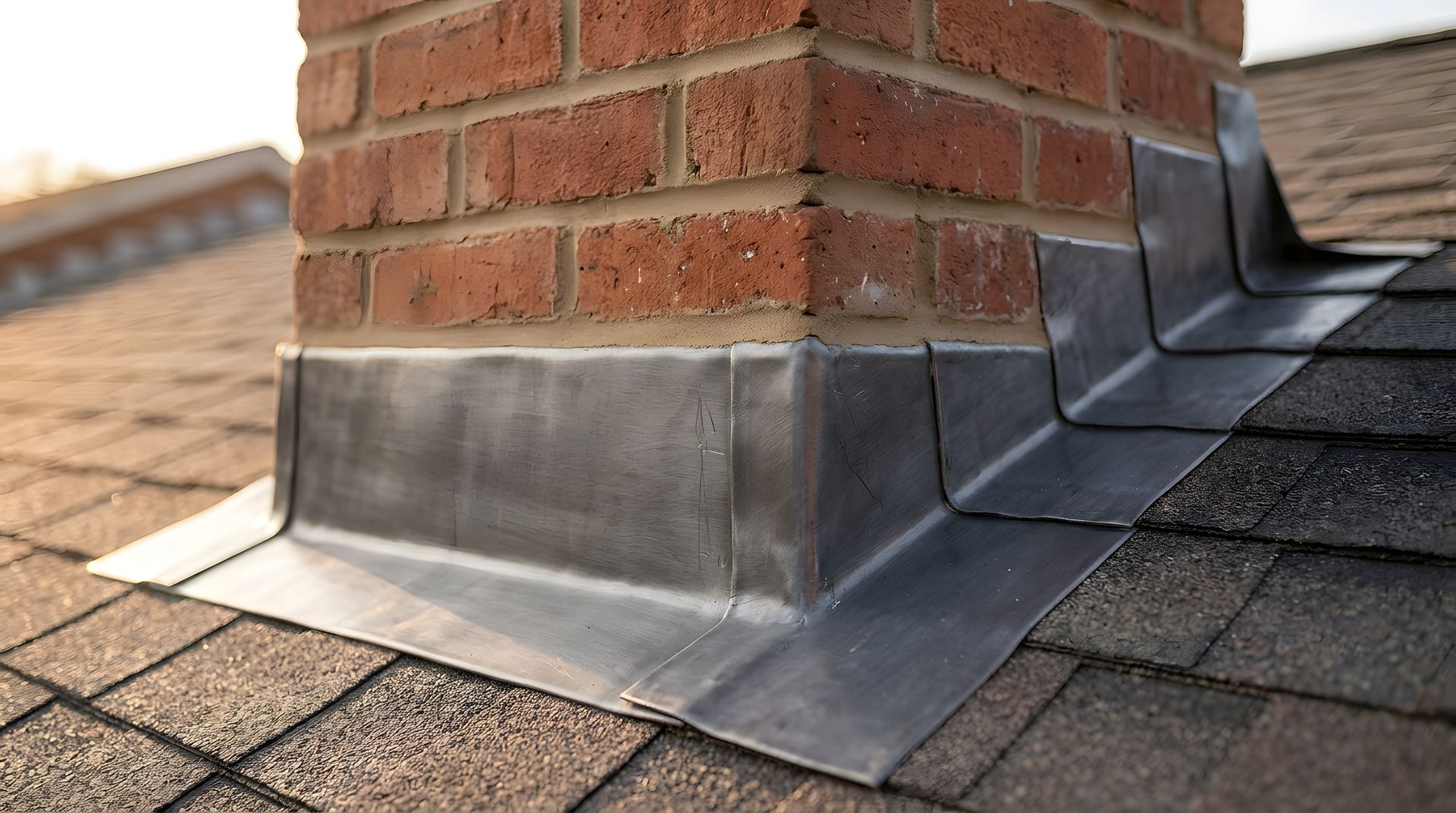
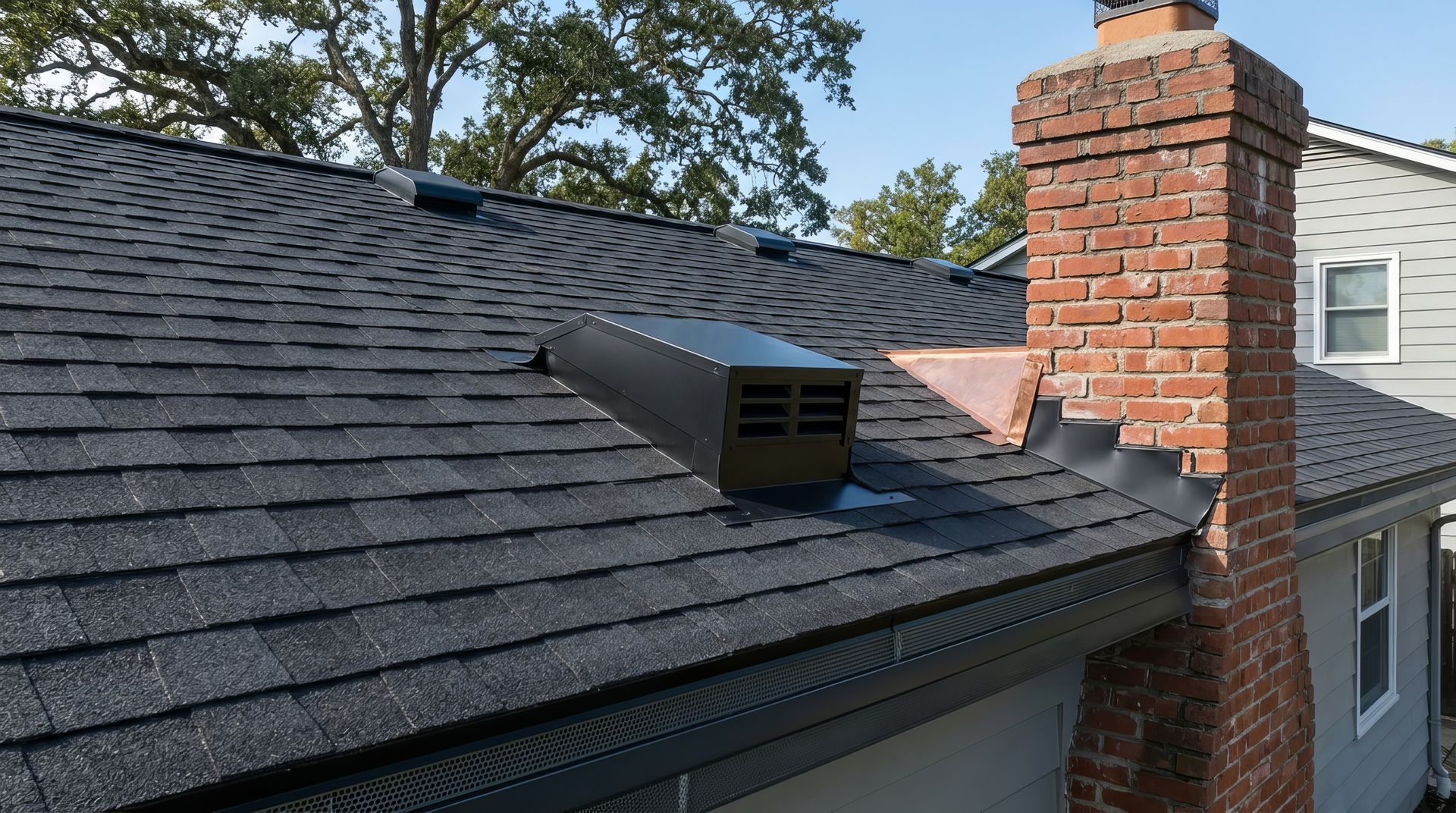
Flashing is material installed at vulnerable intersections, edges, and penetrations to help direct water away from areas where it could enter the roofing system.
You may find flashing around:
- Chimneys
- Plumbing vents
- Skylights
- Roof-to-wall intersections
- Valleys
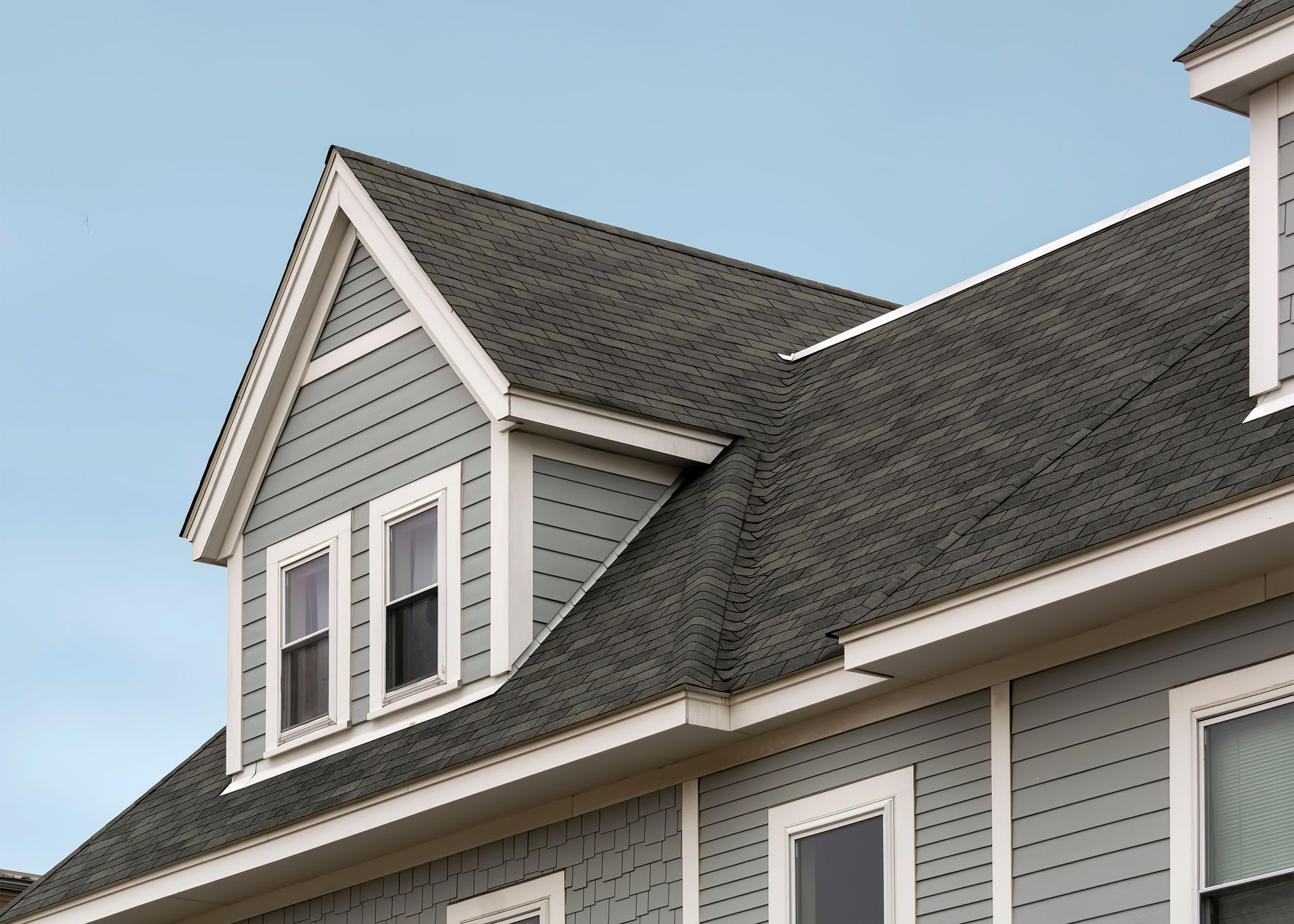
- Dormers
- Other roof penetrations and transitions
Flashing is typically incorporated with other water-control materials so precipitation moves down and away from the building instead of behind the roofing system.
Building Science Education explains that metal flashing is commonly used around chimneys, vent stacks, roof-wall intersections, and other penetrations as part of a water-managed roof assembly.
Loose, damaged, corroded, or improperly installed flashing can create vulnerable areas where leaks develop.
7. Eaves
The eaves are the lower edges of the roof that extend beyond the exterior walls of the home.
As water moves down a sloped roof, it eventually reaches the eaves before being directed away from the structure.
Several important roof components come together in this area, potentially including:
- Roof covering
- Underlayment or leak barrier
- Drip edge
- Fascia
- Soffit
- Gutters
Because roof edges regularly handle runoff, proper installation and drainage are especially important.
8. Rakes
The rake is the sloping edge of a gable-style roof.
Unlike an eave, which generally runs horizontally along the lower edge of the roof, a rake follows the roof's slope from the eave toward the ridge.
Rake edges help finish and protect the sides of the roofing assembly. Depending on the roofing system and architectural design, trim and other edge components may be installed here.
9. Drip Edge
Drip edge is a metal flashing component installed along roof edges.
Its purpose is to help direct water away from the edge of the roof assembly and into the appropriate drainage path rather than allowing moisture to move back beneath roofing components.
It may not be one of the most visually prominent parts of a roof, but roof-edge water management plays an important role in protecting the materials beneath and around the roofing system.
10. Fascia
Fascia is the vertical finishing board located along the roof edge.
On many homes, the gutter system is attached to the fascia.
Because fascia is positioned near the roof's drainage path, staining, peeling finishes, deterioration, or rot can sometimes indicate that water is not being managed correctly somewhere nearby.
Fascia problems do not automatically mean the roof itself has failed, but visible deterioration is worth investigating.
11. Soffits
Soffits cover the underside of the roof overhang between the exterior wall and fascia.
Depending on the home's design, soffits may contain intake vents that allow outside air into the attic as part of the roof ventilation system.
Soffit areas can also provide clues about moisture problems. Staining, deterioration, damaged panels, or other unusual conditions around the roof edge may warrant closer evaluation.
12. Roof Vents
Roof and attic ventilation systems help manage heat and moisture within the attic.
Depending on the home's design, a ventilation system might use:
- Ridge vents
- Soffit vents
- Static roof vents
- Other intake and exhaust configurations
Ventilation should work as a system rather than as isolated openings.
Roof penetrations created by certain vents also need to be properly flashed and sealed against water intrusion.
During a professional inspection, Overmyer Roofing evaluates vents along with shingles or metal panels, flashing, chimney seals, decking, underlayment, gutters, drainage, and signs of moisture intrusion.
13. Roof Penetrations
A roof penetration is any component that passes through the roofing system.
Examples can include:
- Plumbing vent pipes
- Chimneys
- Skylights
- Certain exhaust vents
- Other mechanical or structural penetrations
These areas require careful water management because they interrupt the continuous roof surface.
Building Science Education identifies roof penetrations as vulnerable areas for water intrusion and explains that flashing and self-sealing membranes can be integrated with underlayment to help protect them.
If you notice water stains near a vent, chimney, or skylight, the penetration and surrounding roofing materials should be evaluated rather than assuming the visible interior stain identifies the exact entry point.
14. Gutters and Downspouts
Gutters technically sit at the edge of the roofing system, but they play an important role in managing the water coming off it.
Gutters collect roof runoff, while downspouts carry that water toward the ground and away from the building.
Clogged, damaged, sagging, or improperly draining gutters can allow water to overflow around roof edges and exterior walls.
Building Science Education notes that gutters and downspouts help direct roof runoff down and away from the building, reducing the amount of water collecting near the foundation.
If your drainage system needs replacement, Overmyer Roofing provides professional
gutter installation for homeowners throughout Monroe and Northampton Counties.
How Do All the Parts of a Roof Work Together?
A roof works because its individual components perform different but connected jobs.
The roof deck provides structural support. Underlayment creates secondary moisture protection. Shingles or metal panels shed precipitation. Flashing protects vulnerable transitions and penetrations. Valleys channel water. Ventilation helps manage attic heat and moisture. Gutters and downspouts carry runoff away from the building.
The basic principle behind good roof water management is simple: precipitation should move down the roof and away from vulnerable building components.
That is why proper installation involves much more than simply attaching shingles.
Which Parts of a Roof Are Most Likely to Leak?
Leaks can develop almost anywhere a roofing system becomes damaged, but transitions and penetrations deserve particular attention.
Potentially vulnerable areas include:
- Chimneys
- Skylights
- Plumbing vents
- Roof valleys
- Roof-to-wall intersections
- Damaged flashing
- Missing or damaged roofing materials
The U.S. Department of Energy specifically identifies valleys and roof penetrations as vulnerable areas for water intrusion.
If water appears inside the home, however, the visible stain may not be directly beneath the exterior defect. Moisture can travel through the roof assembly before becoming noticeable indoors.
A professional inspection can help trace the source instead of relying solely on the location of the visible symptom.
What Parts of a Roof Are Checked During an Inspection?
A professional roof inspection looks beyond the visible shingles.
Overmyer Roofing's
roof inspection services include evaluation of:
- Shingles or metal panel condition
- Flashing
- Vents
- Chimney seals
- Roof decking and underlayment integrity
- Gutters and drainage
- Signs of water intrusion
- Storm damage
- Accessible attic conditions
Looking at the roofing system as a whole makes it easier to determine whether a concern is isolated or connected to a larger issue.
Know Your Roof Before Problems Develop
You do not need to be a roofing expert to benefit from understanding basic roof anatomy.
Knowing terms such as decking, underlayment, flashing, valley, ridge, eave, fascia, soffit, and roof penetration can help you understand inspection findings and ask better questions when your home needs roofing work.
More importantly, it reinforces that a roof is a complete system. The visible roofing material is only one layer of protection.
Overmyer Roofing provides professional
roof inspections, repairs, maintenance, and roof replacement services throughout Monroe and Northampton Counties. Since 2005, our locally owned team has helped homeowners across Northeast Pennsylvania and the Pocono Mountains understand their roofing needs and make informed decisions about their properties.
If you are concerned about any part of your roofing system, contact Overmyer Roofing to schedule an inspection and get a clear assessment of your roof's condition.