1. Move Belongings Away From the Leak
When you first notice water dripping from your ceiling or running down a wall, move furniture, electronics, rugs, and other valuables away from the affected area if you can do so safely.
Place a bucket or waterproof container beneath the leak to collect dripping water. If necessary, use towels or other absorbent materials to help contain moisture on the floor.
If water is collecting near electrical outlets, light fixtures, or appliances, keep away from the affected area. Do not touch wet electrical equipment or attempt to operate electrical switches near the leak.
Water intrusion can create electrical hazards, so situations involving exposed wiring, sparking, or other immediate dangers require emergency assistance.
2. Watch for Ceiling Damage or Sagging
Water does not always drip through a ceiling immediately.
Sometimes, moisture accumulates above drywall or insulation before becoming visible inside the home. This can cause the ceiling to discolor, bubble, crack, or sag.
Warning signs include:
- Growing water stains
- Bulging or sagging drywall
- Water dripping from ceiling seams
- Peeling or bubbling paint
- Damp insulation
- Cracking or unusual sounds from the ceiling
If a ceiling appears unstable or is holding significant amounts of water, stay out of the area. Do not stand beneath it or attempt to puncture the ceiling yourself.
A professional can help determine whether additional safety precautions or repairs are necessary.
3. Document the Water Damage
Once everyone is safe and the immediate water intrusion is contained as much as possible, document the visible damage.
Take photographs or videos showing:
- Water stains on ceilings and walls
- Active dripping or water accumulation
- Damaged furniture or personal belongings
- Visible interior moisture
- Any roofing damage that can be seen safely from the ground
Record when the leak began and what weather conditions were occurring.
This information can help your roofing contractor understand the situation and may be useful if you contact your homeowners insurance provider.
Keep records of any emergency services, professional assessments, and repair-related expenses.
4. Do Not Climb Onto a Snowy or Icy Roof
Trying to stop a roof leak from outside during a winter storm can be extremely dangerous.
Snow and ice can conceal slippery surfaces, damaged roofing materials, and other hazards. Strong winds and freezing precipitation make roof access even more unpredictable.
The Occupational Safety and Health Administration (OSHA) warns that rooftop snow and ice removal can expose workers to serious fall hazards and other injuries.
According to
OSHA's winter weather safety guidance, rooftop work requires careful planning and appropriate safety precautions.
Homeowners should avoid:
- Climbing ladders during snow or freezing rain
- Walking on icy or snow-covered roofs
- Attempting to remove ice with sharp tools
- Pulling or breaking frozen shingles
- Installing temporary roofing materials during unsafe weather
- Standing beneath areas where heavy ice or snow could fall
Even a small roof leak is not worth risking a serious injury.
If exterior protection is needed, contact a qualified roofing professional who can determine whether the work can be performed safely.
5. Contact a Professional Roofing Contractor
A roof leak during a winter storm should be evaluated as soon as practical, especially if water continues entering the home.
A professional roofing contractor can help identify the source of the leak and determine whether immediate repairs, temporary protection, or additional evaluation is appropriate.
Overmyer Roofing provides
professional roof leak repair services throughout Monroe County, Northampton County, and surrounding Northeast Pennsylvania communities.
The repair process begins with identifying where water is entering the roofing system rather than simply treating the visible interior symptoms.
Depending on the roof's condition and the weather, a contractor may recommend temporary protective measures until permanent repairs can be completed safely.
Why Do Roofs Sometimes Leak During Winter Storms?
Winter roof leaks can develop for several reasons. Some problems begin during the storm, while others result from existing roofing damage that becomes more noticeable when snow or ice accumulates.
Damaged or Missing Shingles
Strong winds can loosen or remove shingles, leaving vulnerable areas exposed to moisture.
If snow accumulates over damaged roofing materials, melting water may eventually reach the underlayment or roof decking.
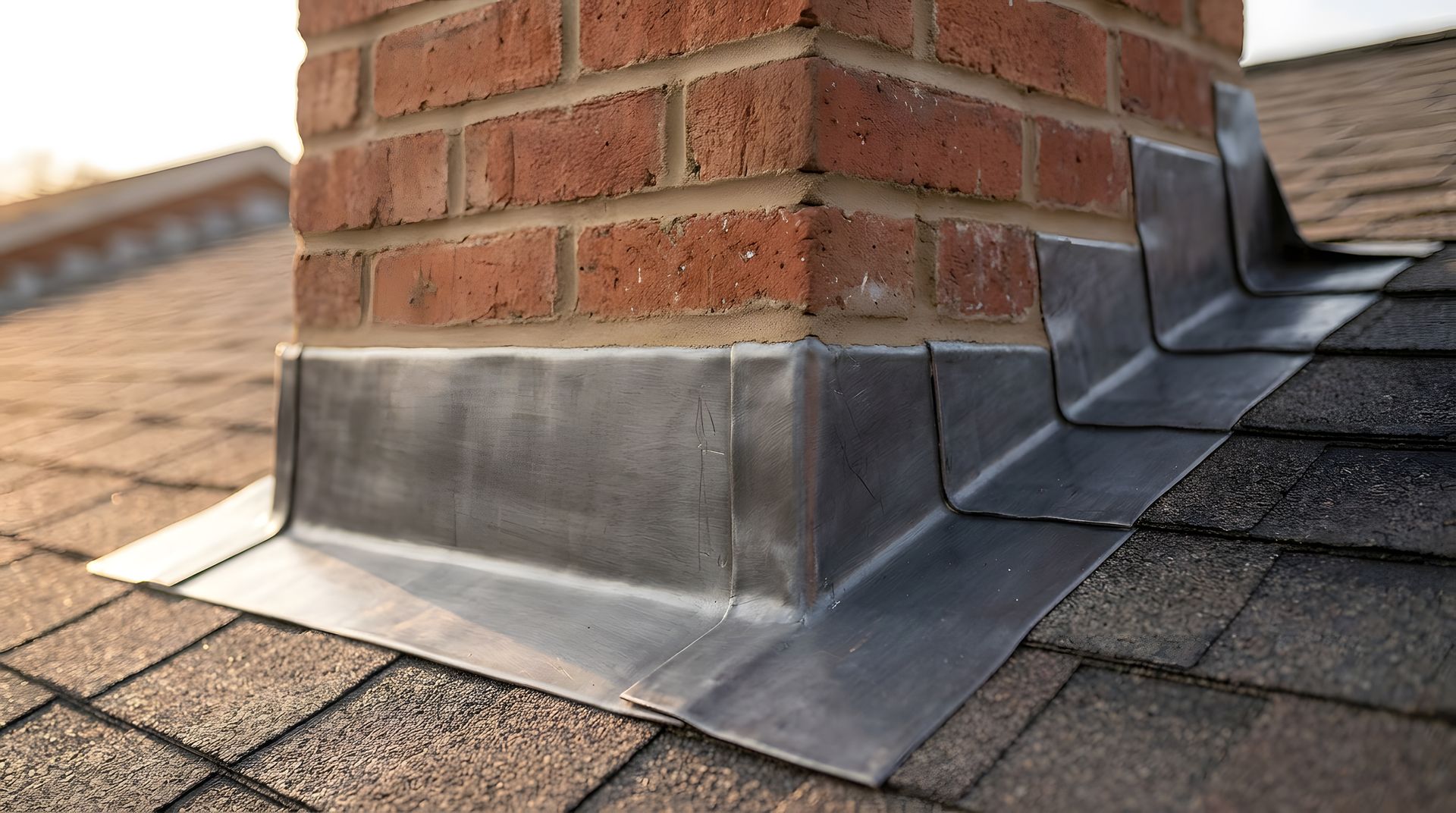
Damaged Roof Flashing
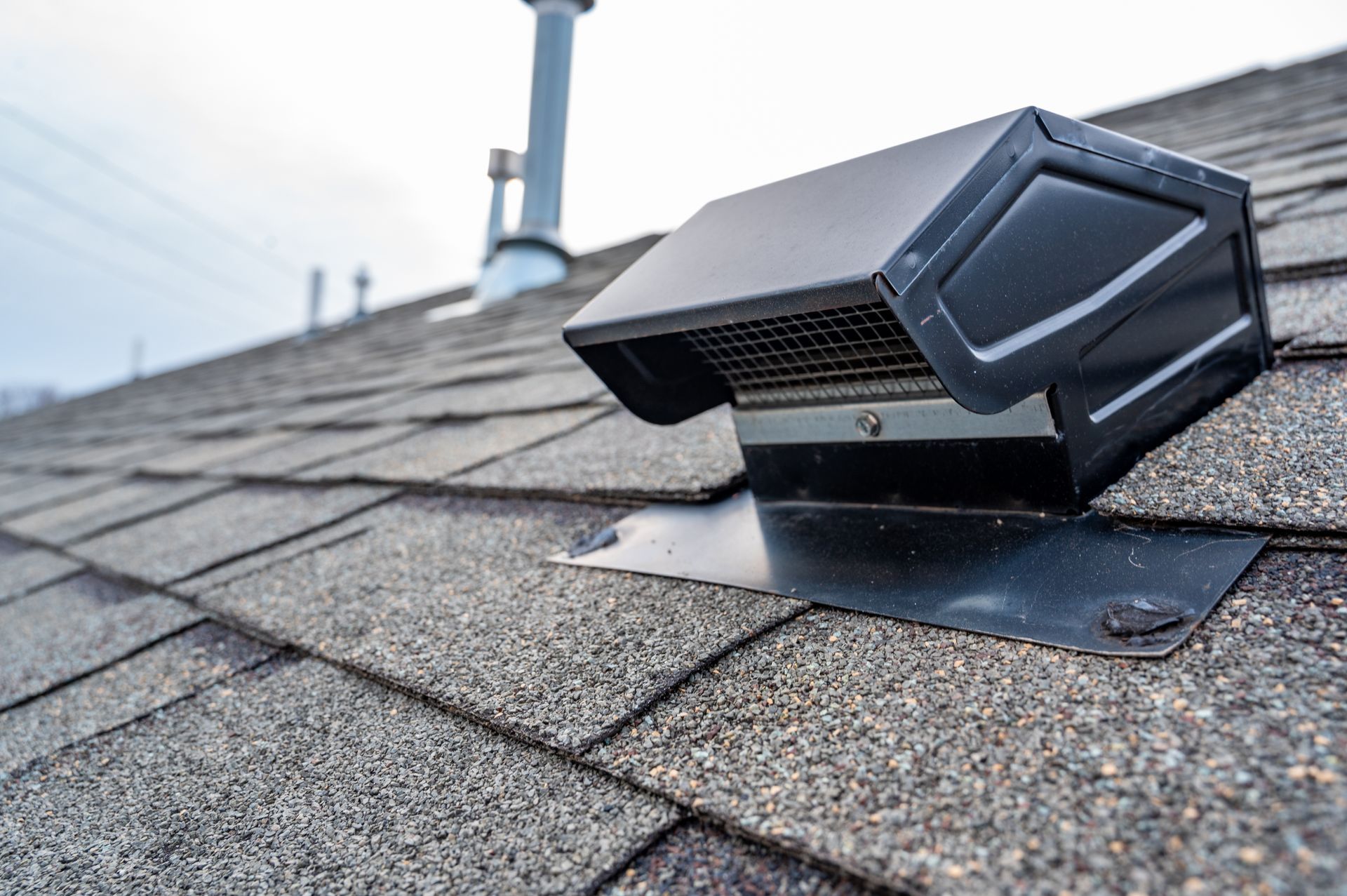
Flashing helps direct water away from vulnerable areas around chimneys, vents, skylights, and roof intersections.
Loose, deteriorated, or improperly installed flashing may allow water to enter during winter precipitation or snowmelt.
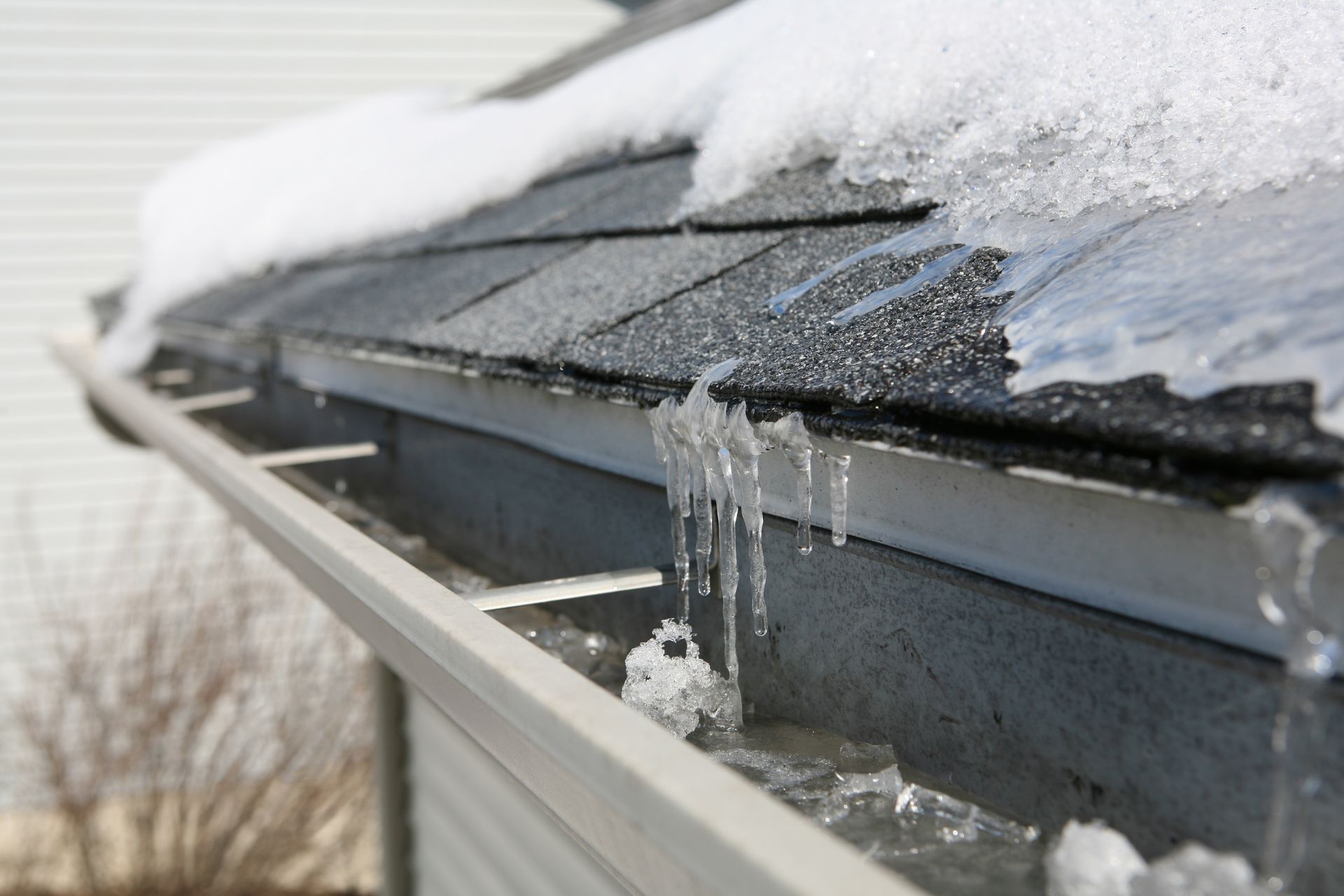
Ice Dams
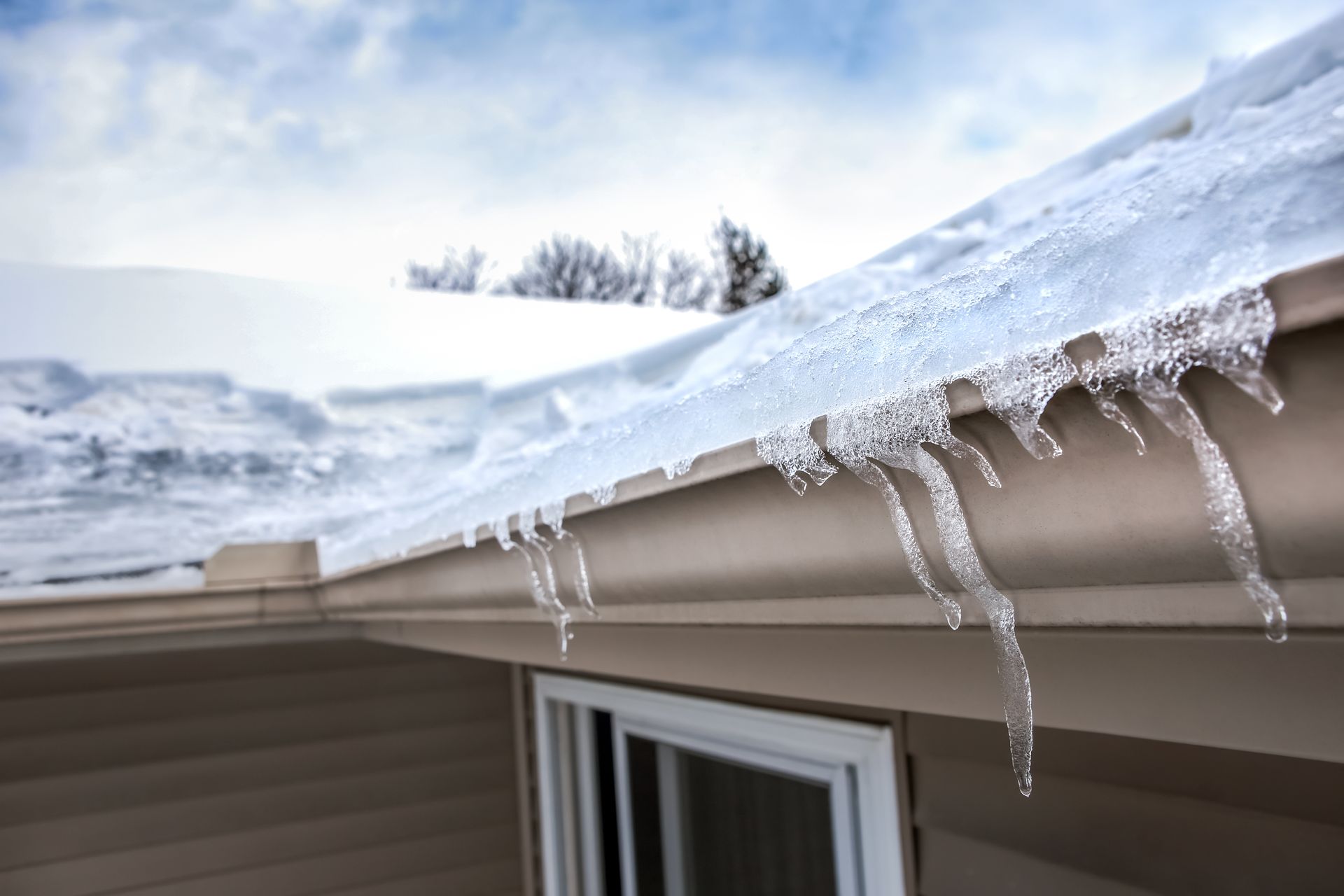
Ice dams develop when melted snow refreezes near the roof edge and prevents additional water from draining properly.
Water trapped behind the ice can move beneath roofing materials and contribute to interior leaks.
For a detailed explanation, read our guide to
what causes ice dams and how they damage roofs.
Existing Roofing Deterioration
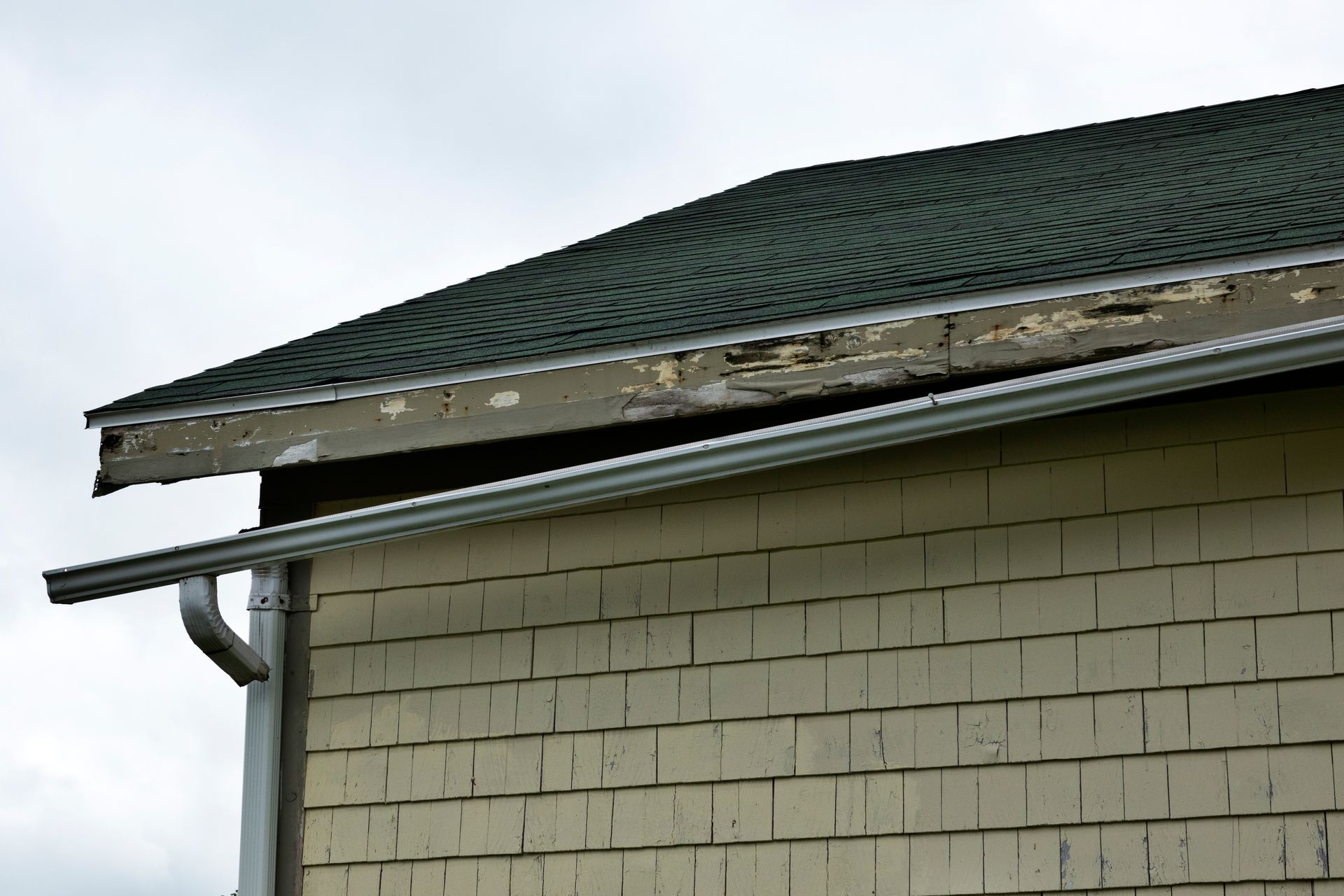
Older roofing systems may have cracked shingles, worn sealants, deteriorated flashing, or other weaknesses.
A winter storm may expose those problems even if the roof appeared to be functioning normally during milder weather.
Learn more about
common causes of roof leaks and the warning signs homeowners should recognize.
Can a Roof Leak Be Repaired During Winter?
Yes, some roof leaks can be repaired during winter, but the appropriate approach depends on the roofing materials, extent of the damage, and current weather conditions.
A professional may be able to complete certain repairs when the roof is dry, accessible, and safe to work on. Other situations may require temporary protection until conditions improve.
Factors that influence winter roof repair include:
- Air and roof-surface temperatures
- Snow and ice accumulation
- Wind conditions
- Roofing material flexibility
- Sealant and adhesive requirements
- Safe access to the damaged area
Roofing manufacturers may have specific instructions for handling and installing materials in cold weather.
For homeowners considering more extensive work, our article on
whether a roof can be replaced during winter explains how weather and installation requirements affect roofing projects.
Should You Wait Until the Storm Ends to Call a Roofer?
You should not necessarily wait until the storm ends to contact a roofing contractor.
Reporting the problem early gives the roofing company an opportunity to understand the situation, discuss immediate precautions, and determine the next appropriate steps.
However, contacting a roofer does not mean exterior repairs can begin immediately.
Snow, ice, high winds, and unsafe roof conditions may delay access until the work can be performed safely.
If the leak involves significant interior damage, electrical hazards, or possible structural instability, prioritize emergency safety assistance rather than waiting for a routine roofing appointment.
What Should You Do After the Winter Storm Passes?
Even if the leak stops once the storm ends, the underlying roofing problem may still exist.
Water intrusion can affect insulation, decking, drywall, and other building materials. A leak that appears only during certain weather conditions may return during the next storm.
After the weather improves:
- Schedule a professional roof inspection.
- Have the source of the water intrusion identified.
- Check affected interior areas for continuing moisture.
- Arrange necessary roofing repairs.
- Address damaged interior materials and drying needs.
- Monitor the repaired area during future precipitation.
Overmyer Roofing offers
professional roof inspections to evaluate roofing materials, flashing, drainage, and other areas where water may enter.
A thorough evaluation helps determine whether the leak resulted from an isolated defect or a more extensive roofing problem.
How Can You Reduce the Risk of Winter Roof Leaks?
Not every winter roof leak can be prevented, but routine maintenance and timely repairs can help reduce the risk.
Homeowners should pay attention to missing shingles, deteriorated flashing, clogged gutters, and other visible signs of roofing damage.
Scheduling
professional roof maintenance before severe winter weather can help identify vulnerabilities that might otherwise go unnoticed.
The best approach is to address known roofing problems before snow and ice make them more difficult to access.