1. Damaged or Aging Shingles
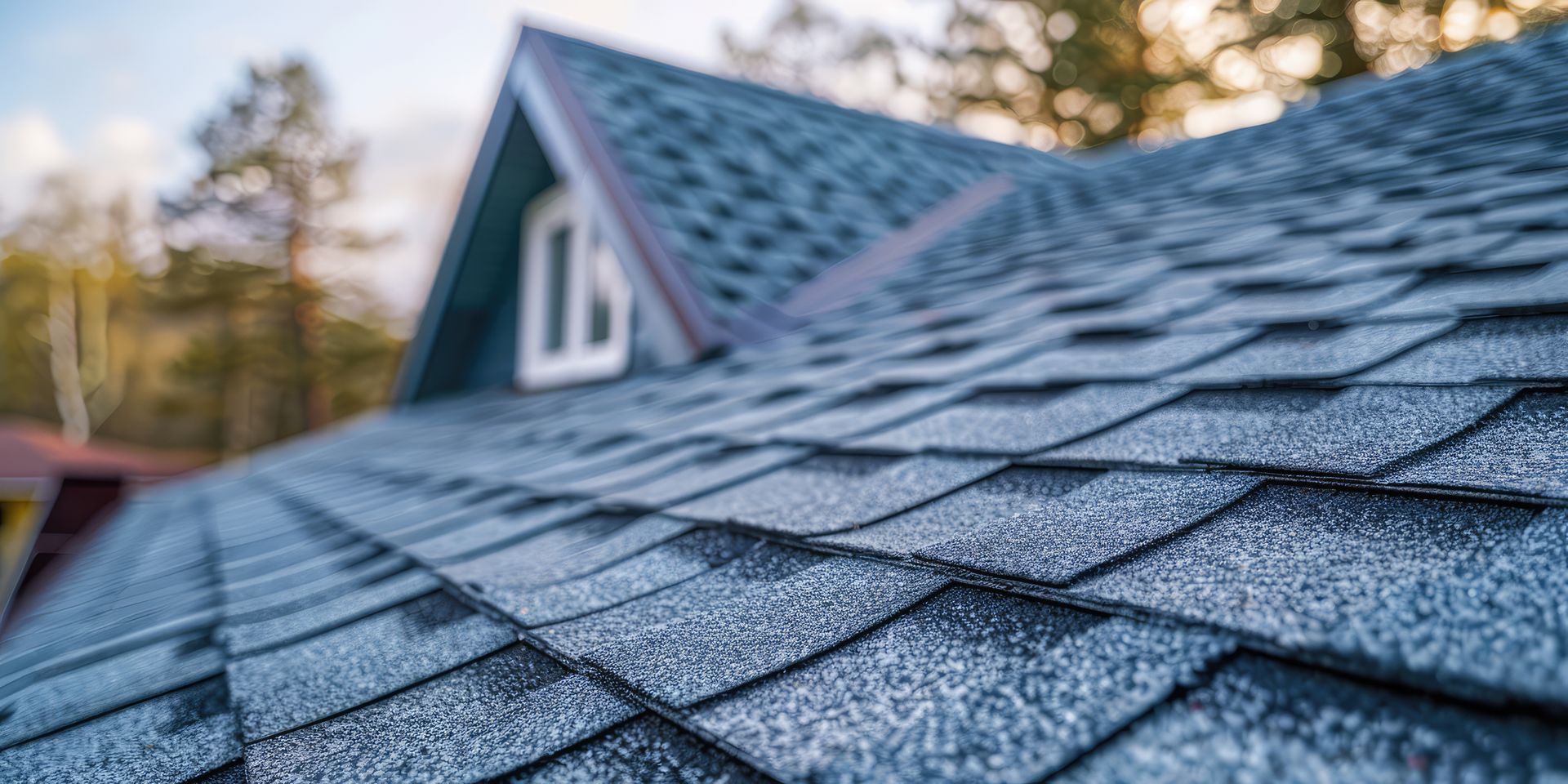
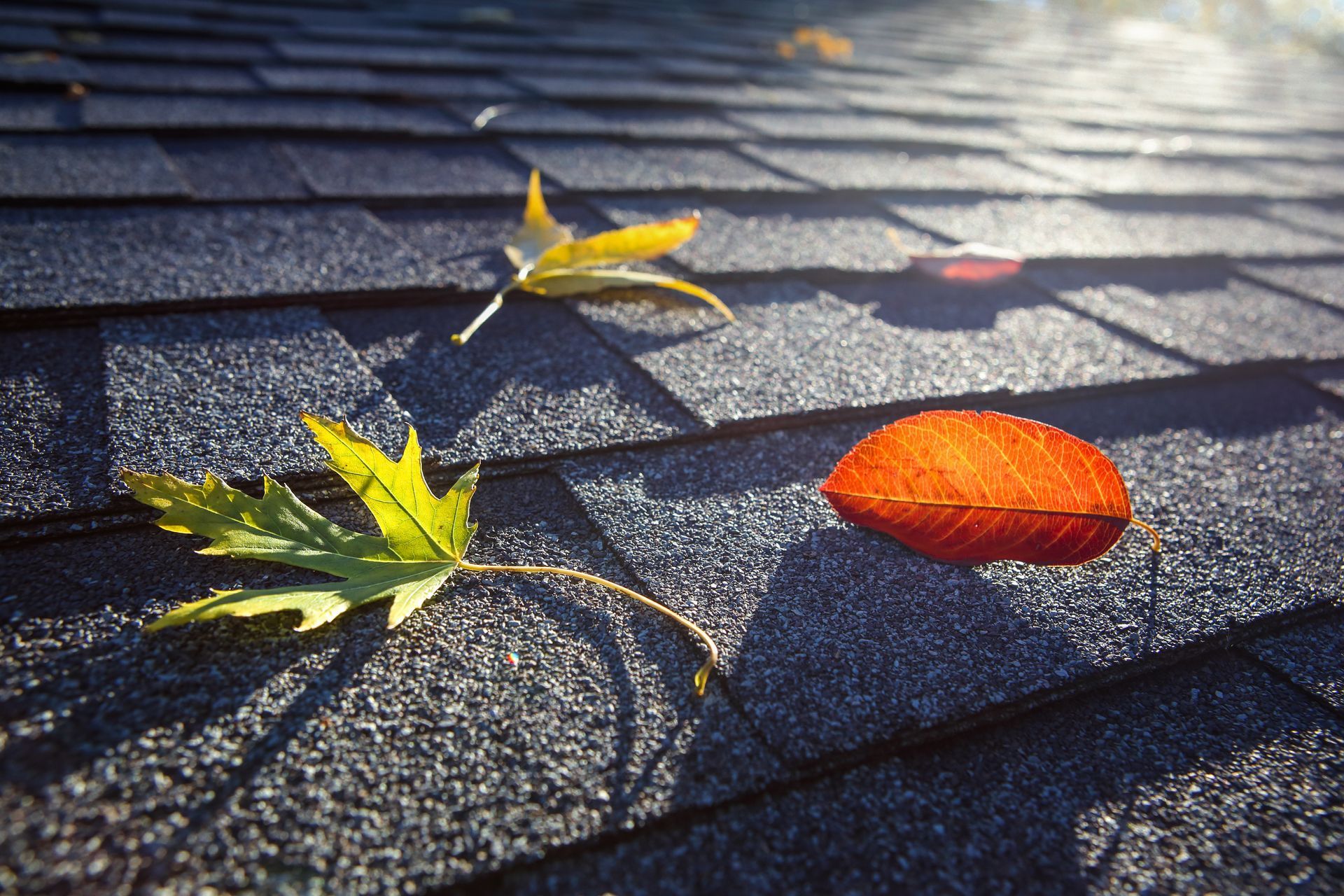
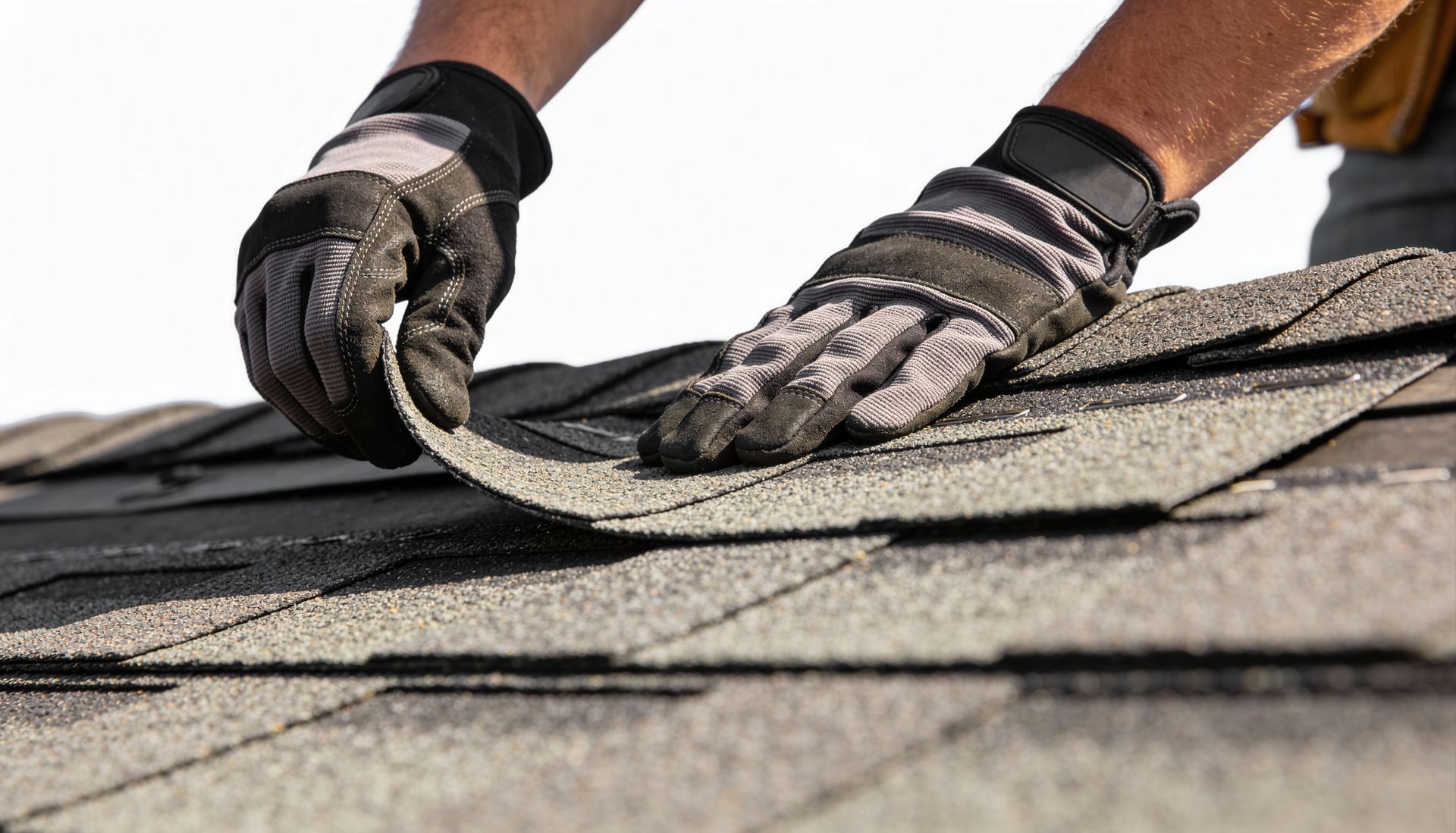
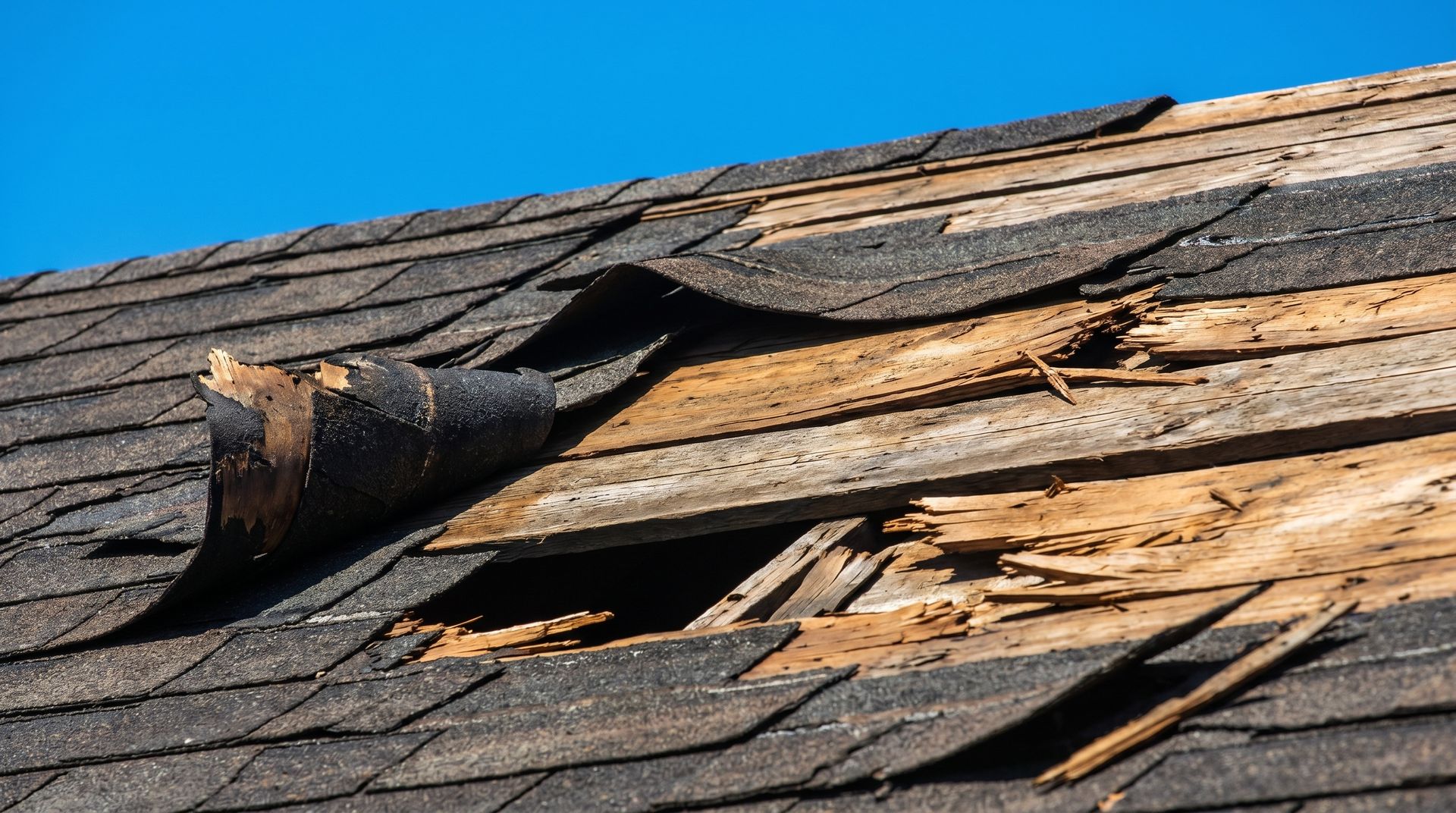
Asphalt shingles form one of the primary protective layers on many residential roofs. Over time, shingles can crack, curl, loosen, lose granules, or become damaged by wind and weather.
Once a shingle is no longer providing proper coverage, water may be able to reach the layers underneath.
Common shingle problems include:
- Cracked shingles
- Missing shingles
- Lifted or loose shingles
- Curling edges
- Significant granule loss
- Damage caused by fallen branches or debris
GAF identifies aging or cracked shingles as a common source of roof leaks because deterioration can create openings that allow moisture into the roofing system.
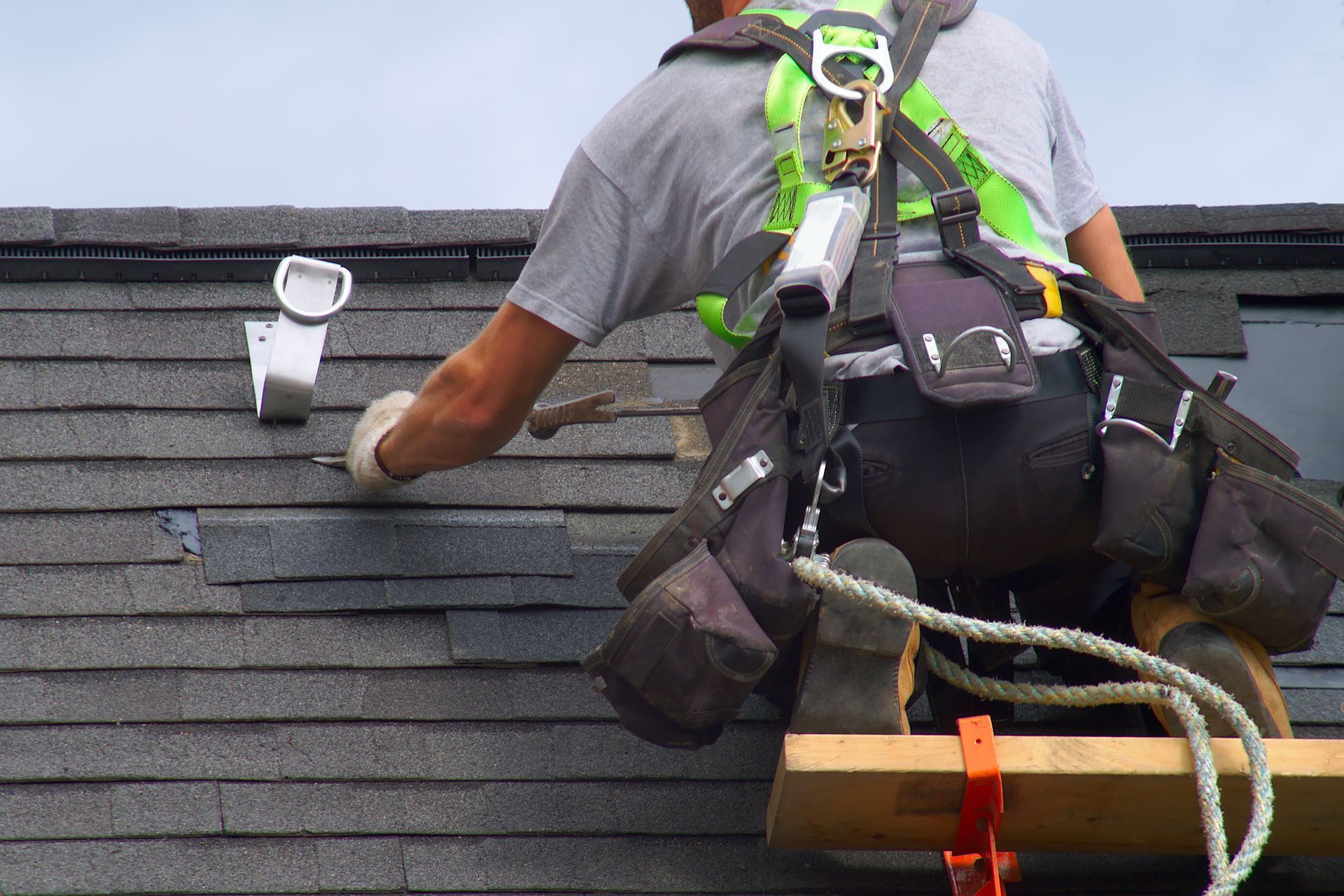
If only a small section of the roof is affected,
professional roof leak repairs may be able to correct the problem without requiring a full replacement.
2. Damaged or Improperly Sealed Flashing
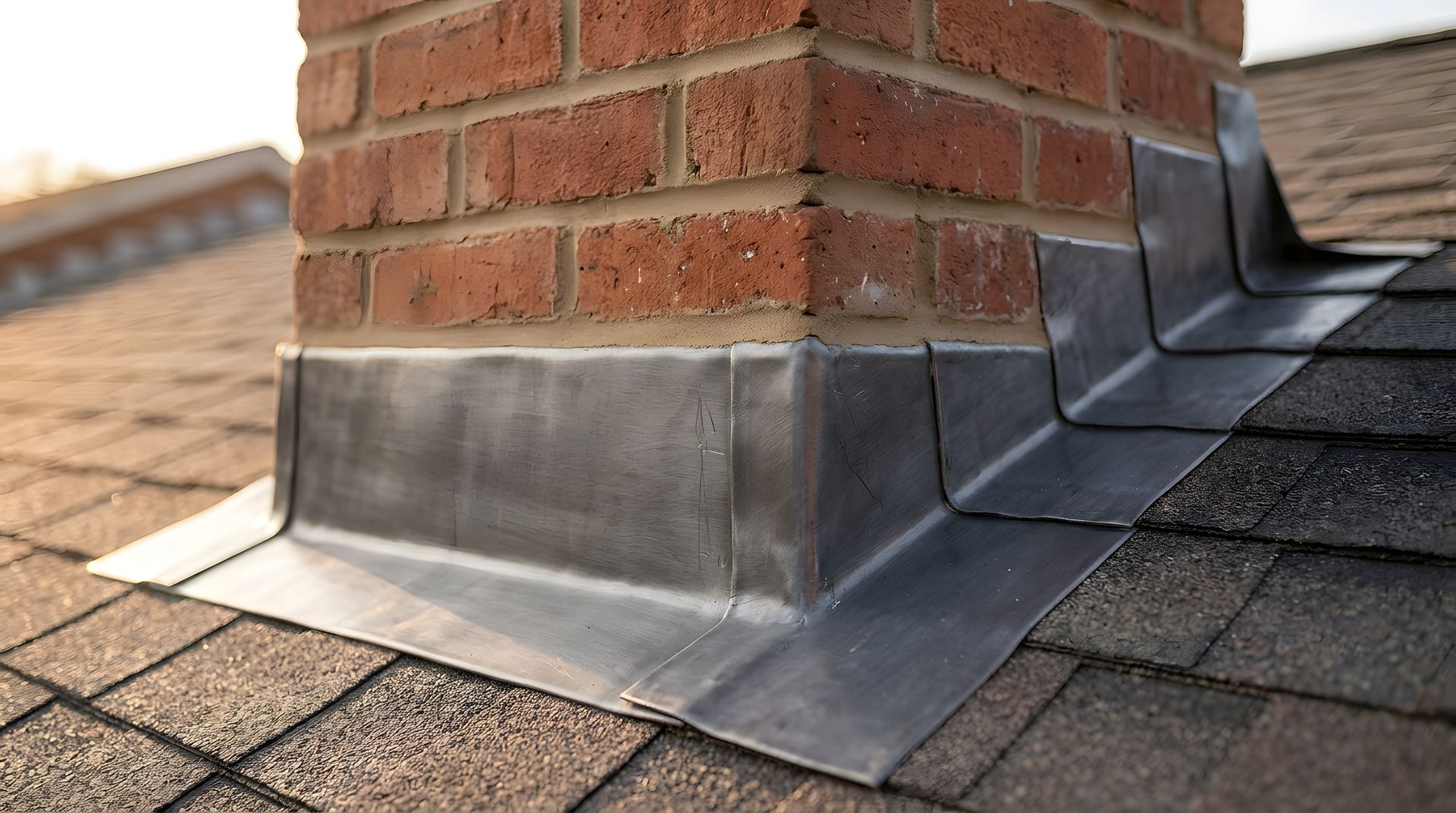
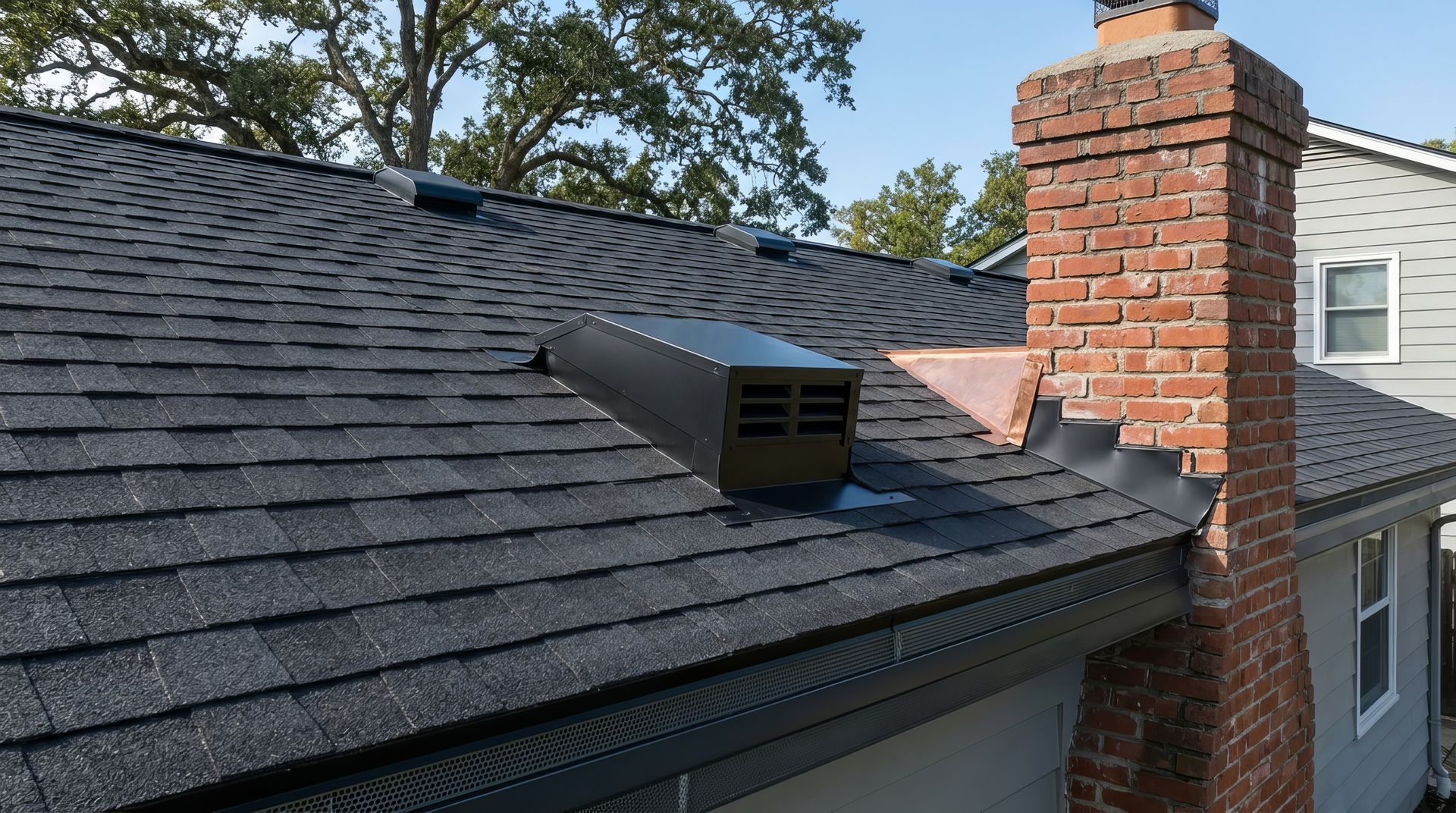
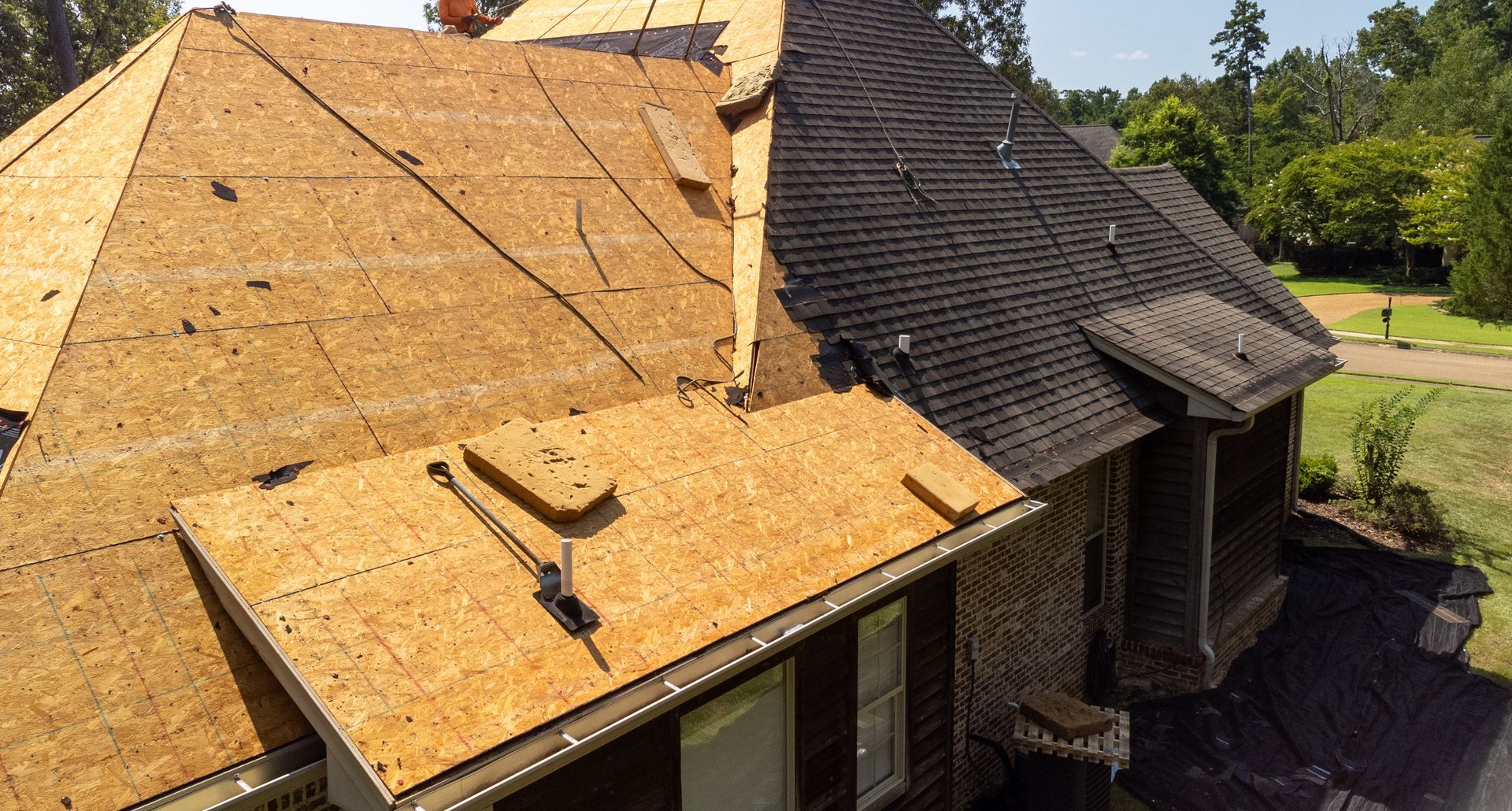
Flashing is installed around some of the most vulnerable areas of a roof to help direct water away from joints and penetrations.
You commonly find flashing around:
- Chimneys
- Skylights
- Roof vents
- Dormers
- Valleys
- Walls where they meet the roof
- Plumbing vent pipes
When flashing becomes loose, corroded, cracked, improperly installed, or otherwise damaged, water can work its way beneath the surrounding roofing materials.
The
GAF guide to roof flashing explains that flashing is especially important anywhere a roof plane meets a vertical surface or where something penetrates the roof.
Because flashing problems aren't always obvious from the ground, professional evaluation is often the safest way to determine whether flashing is behind an active leak.
3. Problems Around Roof Vents and Other Penetrations
Every opening through a roof needs to be properly sealed and flashed.
Roof penetrations can include plumbing vents, exhaust vents, skylights, chimneys, and other components that extend through or interrupt the roofing surface.
These areas can develop leaks if:
- Flashing deteriorates
- Rubber pipe boots crack
- Sealants fail
- Fasteners become loose
- Components shift or become damaged
- The original installation was incorrect
A leak around a vent may appear minor at first, but repeated water intrusion can affect the roof deck, insulation, ceilings, and other materials below.
Overmyer Roofing also provides
roof inspection services that can help identify vulnerable roof penetrations and other areas that may need attention.
4. Clogged or Poorly Performing Gutters
Your gutters are separate from the roof covering, but they play an important role in moving water away from the roofline.
When leaves, twigs, roofing granules, and other debris clog the gutter system, rainwater may not drain as intended. Water can back up near the edge of the roof or overflow where it shouldn't.
GAF lists clogged gutters among common roof leak causes because backed-up water can potentially move beneath shingles and reach the roof deck.
Signs of gutter problems can include:
- Water spilling over gutter edges
- Sagging gutter sections
- Plants growing from debris inside gutters
- Water stains along fascia boards
- Persistent pooling near downspouts
- Gutters pulling away from the roofline
Keeping the drainage system clear is an important part of roof care. If your gutters are damaged or no longer directing water properly, Overmyer Roofing also provides
gutter installation services.
5. Ice Dams During Pennsylvania Winters
Pennsylvania homeowners also need to consider winter conditions.
An ice dam forms when melting snow flows toward a colder portion of the roof and refreezes near the edge. Additional melting water can then collect behind the ice.
If that water moves beneath the roofing materials, it can eventually enter the home.
Owens Corning explains that ice damming can cause water to build up behind frozen areas along the roof edge, increasing the risk of water intrusion.
Ice dam concerns are one reason roofing performance depends on more than shingles alone. Attic insulation, ventilation, roof design, and protective roofing components can all play a role in managing winter moisture.
If you notice water entering your home during freeze-and-thaw cycles, don't assume the visible ice itself is the only issue. The roof may need to be evaluated for underlying damage as well.
6. Storm and Wind Damage
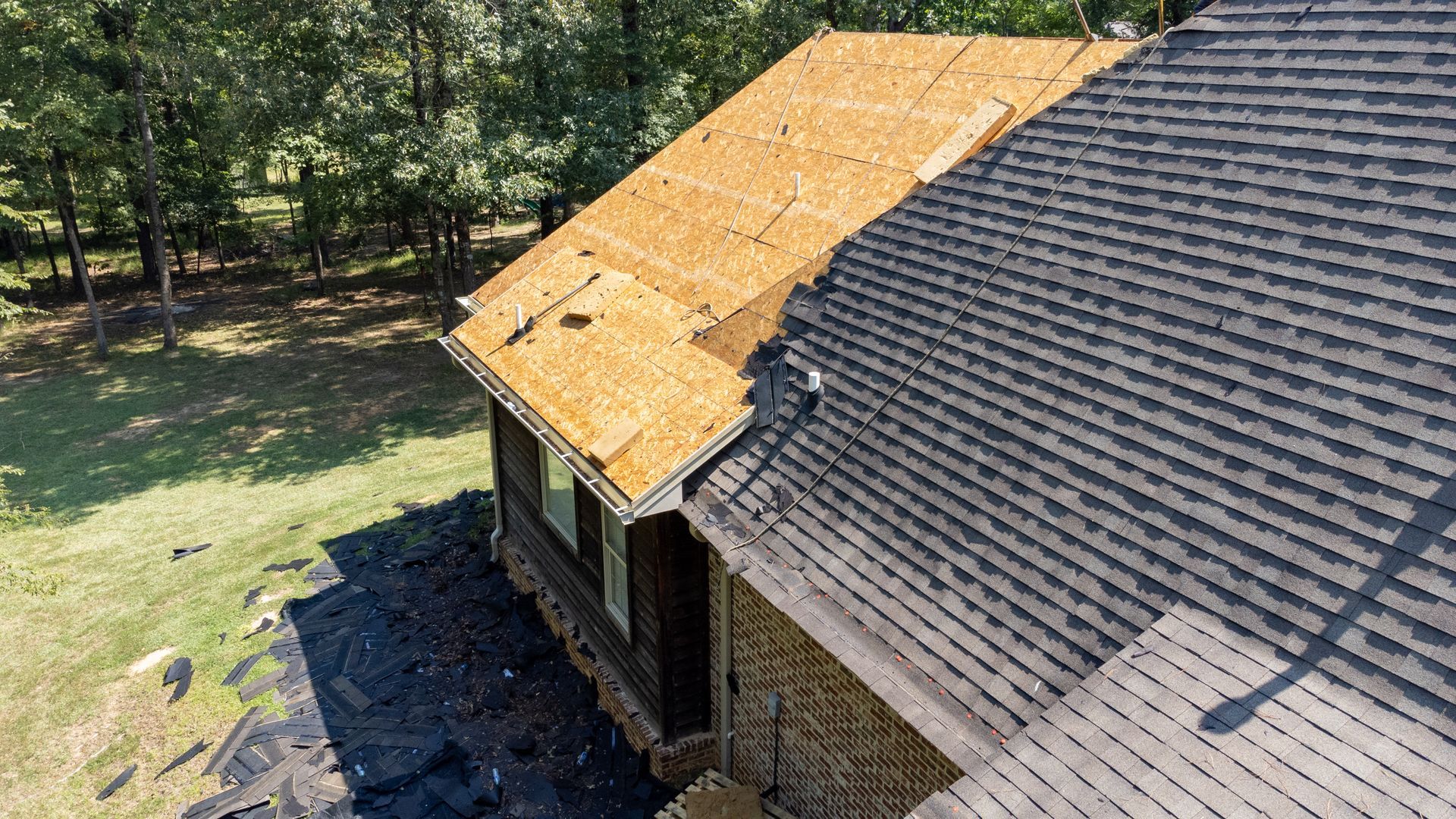
Strong winds, hail, falling branches, and heavy rain can damage a roof suddenly.
Wind may lift or remove shingles, while falling debris can puncture or crack roofing materials. Hail can also damage the surface of shingles and other roof components.
Some storm damage is immediately visible. Other damage is much harder to identify from the ground.
After severe weather, homeowners should watch for:
- Missing shingles
- Shingle pieces on the ground
- Bent or loose flashing
- Fallen tree limbs
- New ceiling stains
- Water dripping in the attic
- Damaged gutters
- Changes in the appearance of the roof
Avoid climbing onto the roof to investigate. Roofing surfaces can be slippery, damaged, or unstable after a storm.
The
National Roofing Contractors Association homeowner resources recommend professional roofing help for most repair work because improper techniques can cause additional roof damage and create serious fall hazards.
7. Normal Wear, Deterioration, or Installation Problems
Even without a major storm, roofs experience years of exposure to sun, rain, snow, wind, and temperature changes.
Eventually, components can deteriorate.
Aging alone doesn't automatically mean a roof needs immediate replacement, but wear can increase the likelihood of problems such as:
- Brittle or damaged shingles
- Deteriorated flashing
- Failed seals
- Exposed fasteners
- Worn roof penetrations
- Repeated leaks in multiple areas
Installation quality also matters. A roof made with good materials can still develop problems if critical details were installed incorrectly.
NRCA notes that workmanship and proper installation are as important as material selection when it comes to maintaining roof system integrity.
If leaks continue returning or appear in several places, it may be time to discuss whether
roof replacement makes more sense than continuing with individual repairs.
Why Is It So Hard to Find the Source of a Roof Leak?
One of the frustrating things about a roof leak is that water doesn't always travel straight down.
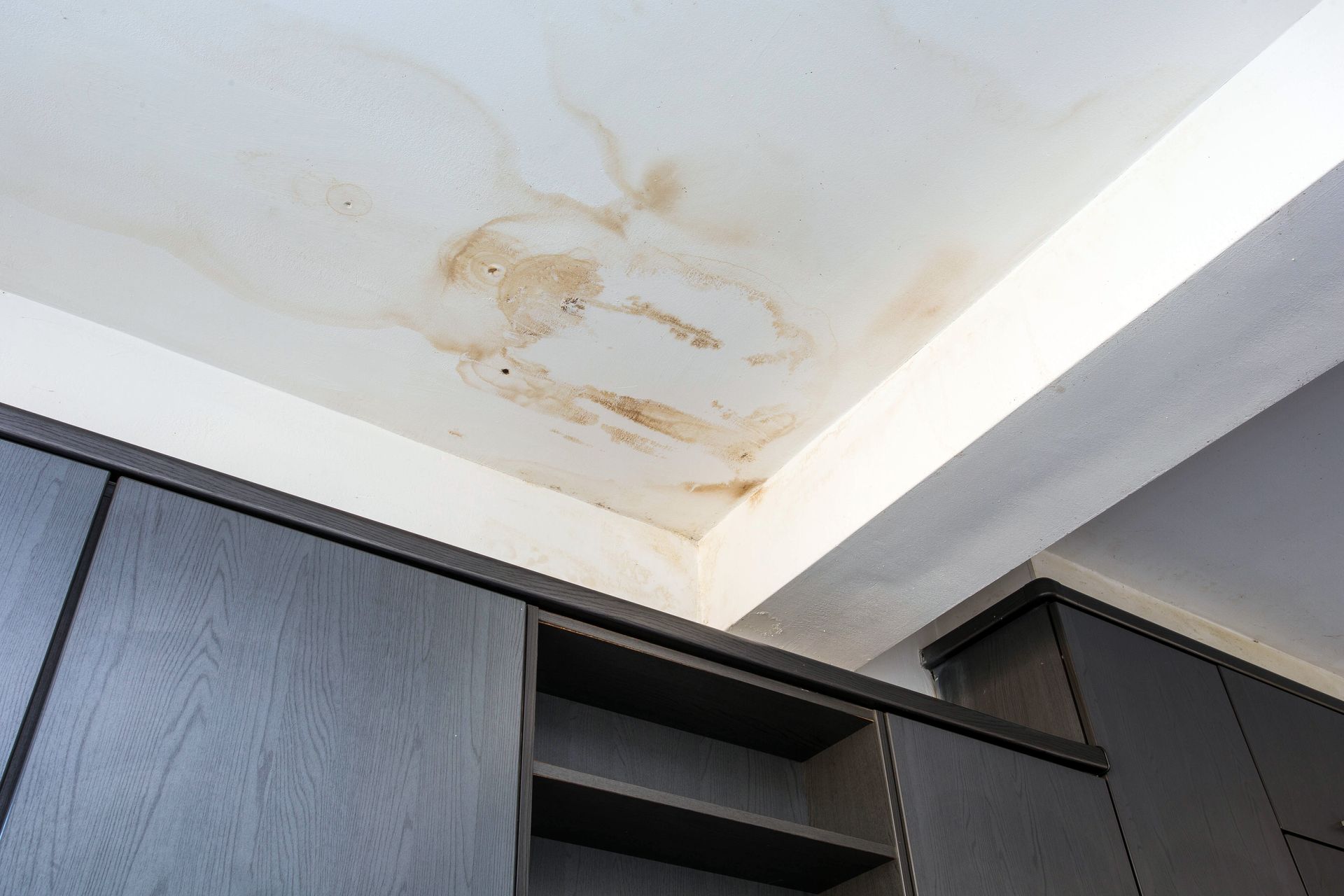
Moisture can enter through a damaged area, move along roof decking, framing, insulation, or other materials, and finally appear on a ceiling some distance away.
That means a water stain in your bedroom does not necessarily identify the exact location of the exterior roof problem.
A professional roofer can evaluate the roof system as a whole and look for likely entry points rather than simply repairing the interior spot where the water became visible.
Overmyer Roofing's
roof leak repair process includes a detailed inspection intended to identify the source of the leak before repair work begins.
What Are the Warning Signs of a Roof Leak?
Some leaks are obvious, but others develop slowly.
Watch for:
- Brown or yellow stains on ceilings
- Damp drywall
- Bubbling or peeling paint
- Dripping during rain
- Musty odors
- Damp attic insulation
- Mold or mildew
- Missing or damaged shingles
- Water marks near chimneys or vents
Overmyer Roofing's roof leak service page also identifies water stains, dripping sounds, peeling finishes, musty odors, and damaged shingles as common warning signs.
If you see one of these symptoms, acting early can help limit additional water damage.
Can a Small Roof Leak Wait?
It is generally not a good idea to ignore an active roof leak.
A small visible drip doesn't necessarily mean only a small amount of water is entering the roofing system. Moisture may already be affecting materials you can't see from inside the living space.
Over time, ongoing water intrusion may contribute to damage involving:
- Roof decking
- Insulation
- Drywall and ceilings
- Interior finishes
- Stored belongings
- Wood framing
The sooner the source is identified, the easier it may be to limit the area affected.
Does a Leaking Roof Always Need to Be Replaced?
No. A roof leak does not automatically mean you need a new roof.
NRCA notes that some roof leaks can result from loose flashing or localized roof damage rather than failure of the entire roof system.
Whether repair or replacement is appropriate depends on factors such as:
- The age of the roof
- The location of the leak
- The extent of the damage
- Whether leaks are recurring
- The condition of the shingles
- The condition of the roof deck
- Previous repairs
- The overall condition of the roofing system
A professional inspection can help determine whether a focused repair is sufficient or whether broader work should be considered.
What Should You Do When You Notice a Roof Leak?
If water is actively entering your home, protect the interior first.
Move belongings away from the wet area and place a container beneath active dripping where practical. If water is near electrical fixtures, wiring, or outlets, avoid the area and contact the appropriate professional.
Do not climb onto a wet or damaged roof yourself.
Once the immediate interior area is secure, arrange for the roof to be inspected.
A qualified roofer can look for the source and determine whether the issue involves shingles, flashing, vents, gutters, storm damage, or another part of the roofing system.