What Are the Granules on Asphalt Roof Shingles?
Asphalt shingles are covered with small mineral granules embedded in their surface. These granules serve several important purposes beyond giving shingles their color and appearance.
Roofing granules help:
- Protect the underlying asphalt from ultraviolet (UV) radiation
- Reduce weather-related deterioration
- Provide color and texture
- Support the shingle's overall durability
- Contribute to the roofing material's protective performance
Without adequate granule coverage, the asphalt beneath becomes more exposed to sunlight and environmental conditions.
Over time, this exposure can accelerate deterioration and reduce the shingle's ability to protect the roofing system.
According to
GAF's steep-slope roofing field guide, natural weathering, roof traffic, and inadequate granule adhesion are among the possible causes of granule loss.
Is It Normal for Roof Shingles to Lose Granules?
Yes. Some granule loss is a normal part of an asphalt shingle roof's life.
Newly installed shingles may shed loose granules left over from manufacturing, while older shingles gradually lose some granules through years of weather exposure.
The important distinction is whether the granule loss is minor and expected or excessive enough to affect the roofing material.
Why Do New Roof Shingles Lose Granules?
Manufacturers apply additional granules during the shingle production process. Some of these excess particles are not permanently embedded in the asphalt.
When shingles are transported, installed, and exposed to their first rainstorms, loose granules may wash into gutters and downspouts.
GAF explains in its
technical bulletin on granule loss in new shingles that this early shedding is generally normal and tends to decrease over time.
This means finding granules after a recent roof installation does not automatically indicate defective shingles or improper installation.
However, if significant granule loss continues, changes the roof's appearance, or exposes the asphalt beneath, a professional evaluation may be appropriate.
What Causes Excessive Granule Loss on Asphalt Shingles?
Several conditions can contribute to granule loss beyond normal manufacturing residue.
1. Natural Roof Aging
Asphalt shingles experience continuous exposure to sunlight, precipitation, temperature changes, and seasonal weather.
Over time, these conditions gradually affect the roofing material.
As shingles age, granules may begin to loosen and wash away. This can become more noticeable as the roofing system approaches the later stages of its service life.
Other signs of aging may include:
- Curling or lifting shingle edges
- Cracked or brittle shingles
- Uneven discoloration
- Visible asphalt patches
- Increased maintenance needs
Granule loss alone does not determine whether a roof needs replacement, but it can be one indicator of its overall condition.
For more information, read our guide to
how long a new roof lasts in Pennsylvania's climate.
2. Hail and Severe Storm Damage
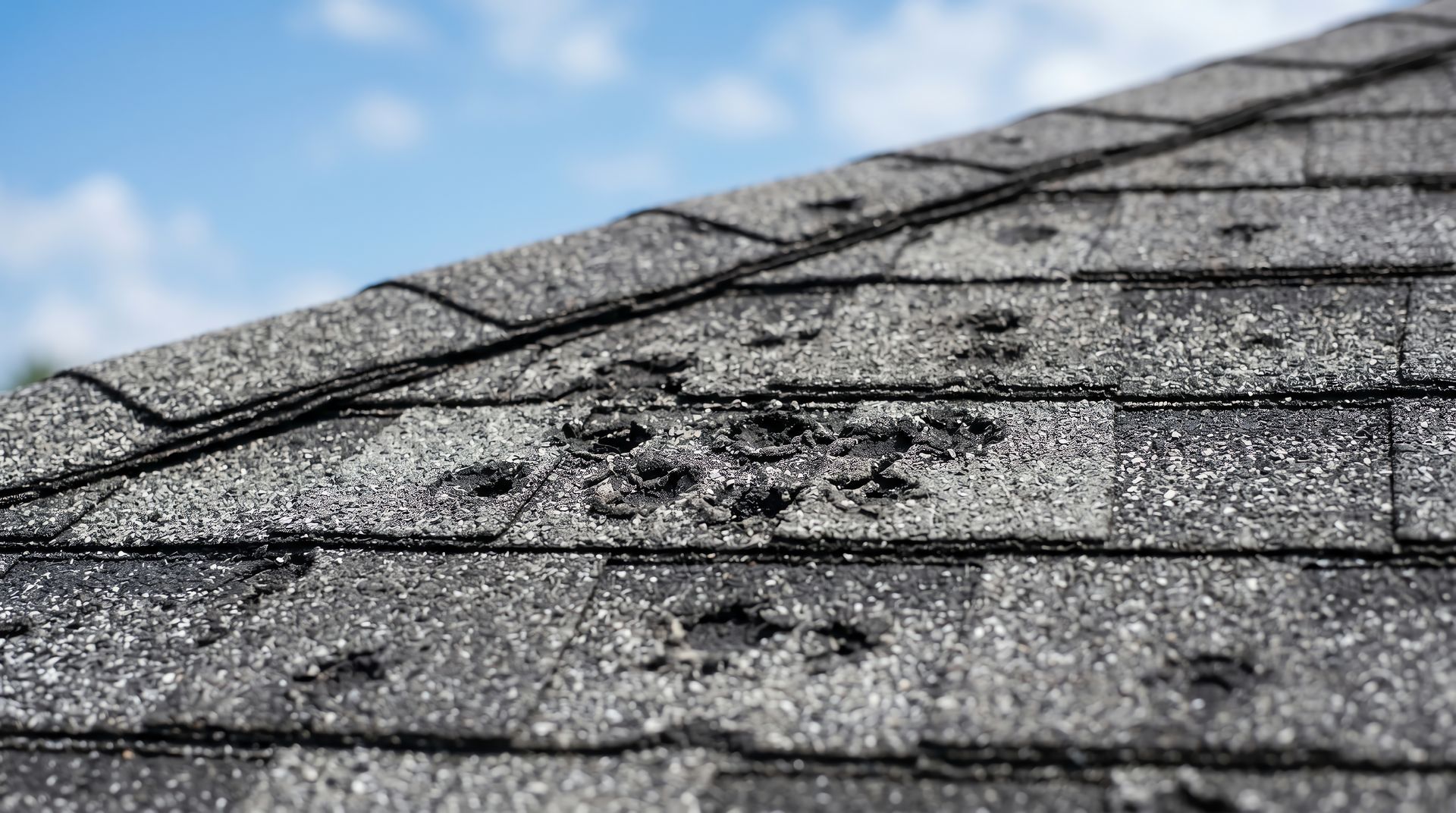
Severe weather can damage asphalt shingles and dislodge their protective granules.
Hail impacts, wind-driven debris, and falling branches may create localized damage that becomes more noticeable after a storm.
Homeowners might observe:
- Areas of missing granules
- Dark spots on shingles
- Cracked or torn roofing materials
- Granule accumulation after severe weather
- Damaged shingles or exposed roofing components
However, granule loss alone does not prove hail damage. A professional inspection is needed to distinguish storm-related damage from normal aging or other causes.
GAF's
guidance on storm-damaged shingles explains that granule loss resulting from storm damage can expose the asphalt coating and contribute to accelerated deterioration.
3. Excessive Foot Traffic
Walking on asphalt shingles can loosen or displace granules, especially during hot weather when roofing materials may be more susceptible to surface damage.
Repeated foot traffic from maintenance work, equipment installation, or unnecessary roof access can contribute to localized wear.
Homeowners should avoid walking on their roofs to investigate granule loss. Besides the risk of damaging roofing materials, roof access creates significant fall hazards.
A qualified roofing professional can inspect the affected areas using appropriate safety procedures.
4. Improper Roof Cleaning
Aggressive roof cleaning methods can remove protective granules from asphalt shingles.
Pressure washing is particularly concerning because high-pressure water may damage the shingle surface and force moisture beneath roofing materials.
Once granules have been stripped away, the underlying asphalt becomes more vulnerable to environmental exposure.
Our article on
why you should never pressure wash asphalt roof shingles explains the risks in greater detail.
Always follow the roofing manufacturer's cleaning recommendations and consult a professional before attempting roof cleaning.
5. Manufacturing or Material Problems
Although less common, excessive granule loss may sometimes result from a manufacturing defect or inadequate granule adhesion.
This type of problem may become noticeable when shingles continue shedding heavily or develop unusual bare areas.
If your roof is relatively new and shows persistent or severe granule loss, contact your installer and review the manufacturer's warranty documentation.
Not all granule loss qualifies for warranty coverage. Eligibility depends on the cause, product, warranty terms, and findings of the manufacturer's evaluation.
What Does It Mean When You Find Shingle Granules in Your Gutters?
Finding granules in your gutters does not automatically mean your roof needs to be replaced.
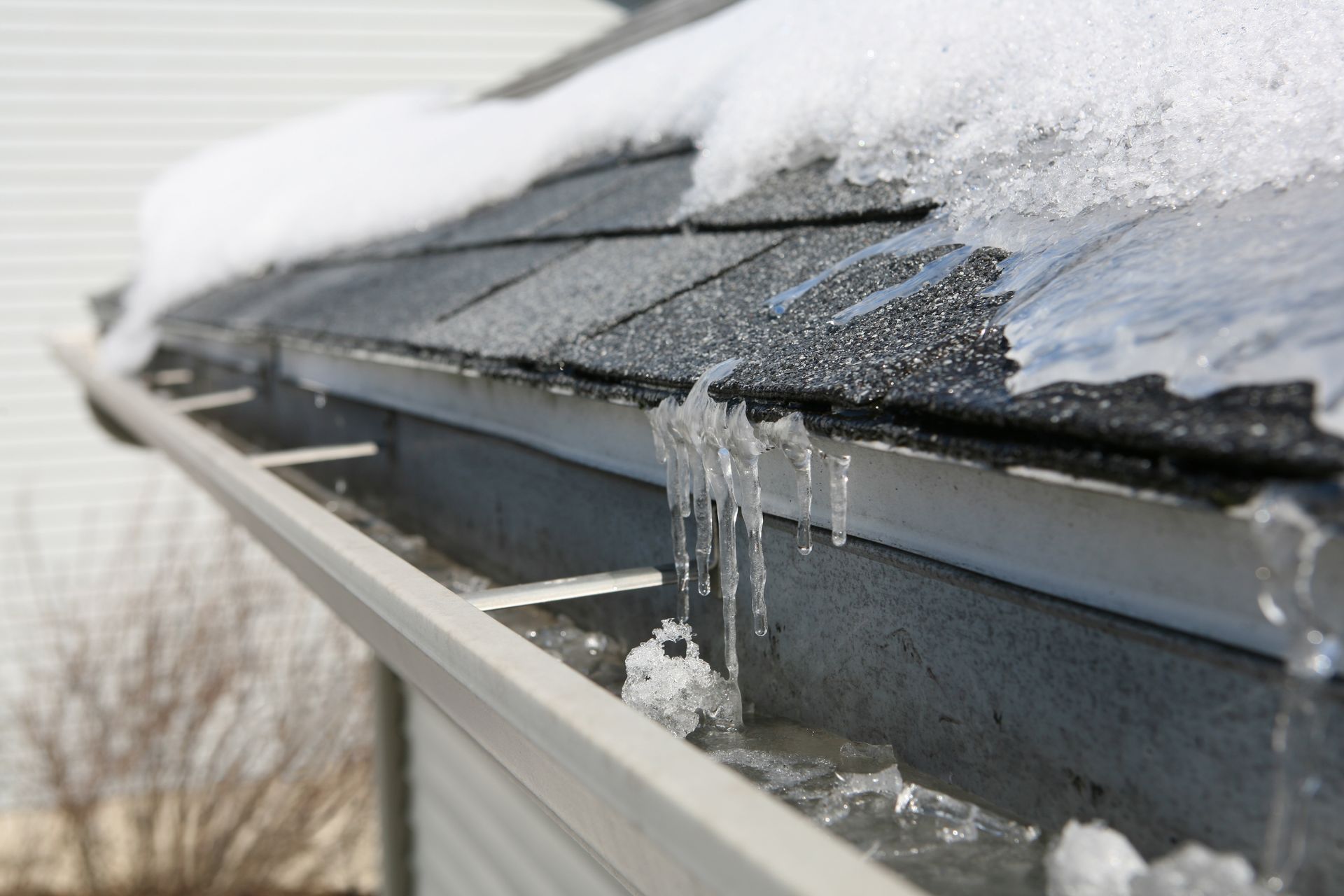
Gutters naturally collect material washed off the roof during rainfall. This can include leaves, dirt, debris, and loose roofing granules.
The amount and pattern of granule loss are often more important than finding a few particles.
Small amounts after installation: This may be normal shedding of excess granules from new shingles.
Minor accumulation over time: This can be associated with gradual weathering.
Heavy granule buildup: Large amounts of granules that repeatedly collect in gutters may indicate excessive wear.
Sudden accumulation after a storm: An unusual increase following hail or severe weather may suggest storm-related damage.
Visible bare or dark patches: These may indicate that protective granule coverage has been lost.
These observations are not a substitute for a professional inspection.
If you notice recurring heavy accumulation or visible shingle deterioration, consider scheduling
professional roof inspection services to evaluate the condition of your roofing system.
How Can You Tell if Your Roof Is Losing Too Many Granules?
There is no universal amount of granule loss that automatically determines whether an asphalt roof is failing.
The condition of the shingles, the age of the roof, and the pattern of deterioration all matter.
Warning Signs of Excessive Granule Loss
Watch for the following:
- Visible bare spots: Areas where the protective granule coating is missing and dark asphalt is exposed.
- Uneven roof coloring: Sections of shingles that appear noticeably different because of surface deterioration.
- Persistent heavy shedding: Large amounts of granules continue appearing after rainfall.
- Localized damage: One section of the roof shows substantially more wear than surrounding areas.
- Other roofing problems: Granule loss occurs alongside cracking, curling, missing shingles, or leaks.
Homeowners can look for visible warning signs from the ground, but a closer inspection should be performed by a roofing professional.
Can Roof Shingles Be Repaired After Losing Granules?
The appropriate solution depends on the extent of the granule loss and the overall condition of the roofing system.
Granules cannot simply be sprinkled back onto damaged shingles to restore their original protective performance.
If the problem affects only a small number of shingles, replacing those shingles may be possible.
However, if significant granule loss is widespread across an aging roof, a more extensive roofing solution may be necessary.
A professional evaluation should consider:
- The roof's age and material condition
- Whether granule loss is isolated or widespread
- The presence of cracks, curling, or other deterioration
- Whether storm damage contributed to the problem
- The condition of the surrounding roofing materials
- Manufacturer installation and warranty requirements
Overmyer Roofing can help homeowners determine whether
roof repair services or a larger roofing project is the appropriate next step.
Does Granule Loss Mean You Need a New Roof?
Not necessarily.
A roof that sheds a small amount of granules may still be functioning properly, particularly if the shingles are relatively new.
However, widespread granule loss combined with cracking, curling, leaks, or advanced deterioration can indicate that a roof is nearing the end of its useful life.
The decision to repair or replace a roof should be based on the overall condition of the roofing system rather than granule loss alone.
If your shingles show extensive deterioration, a professional can evaluate whether
roof replacement would provide a more reliable long-term solution.
How Can Homeowners Help Prevent Premature Granule Loss?
Although normal aging cannot be prevented, homeowners can take steps to reduce unnecessary shingle damage.
Recommended practices include:
- Schedule routine roof inspections.
- Avoid walking on the roof unnecessarily.
- Do not pressure wash asphalt shingles.
- Keep gutters and downspouts functioning properly.
- Address damaged shingles before problems spread.
- Have storm-related damage evaluated promptly.
- Follow manufacturer recommendations for roof cleaning and maintenance.
Regular maintenance can help identify unusual shingle deterioration before it develops into a more extensive roofing problem.
For additional guidance, explore our
fall roof maintenance checklist for Pennsylvania homeowners.