7 Signs You Need New Gutters: When Is It Time for a Replacement?

October 30, 2026

Your gutters play an important role in protecting your home from water damage. By collecting rainwater and directing it away from your roofline and foundation, a properly functioning gutter system helps protect your siding, landscaping, and other exterior components.


However, gutters don't last forever. Years of exposure to rain, snow, ice, debris, and changing temperatures can cause them to deteriorate or stop draining properly.


The most common signs you need new gutters include persistent leaks, sagging sections, rust or corrosion, gutters pulling away from the house, frequent overflow, visible cracks, and water damage around your home's foundation. While some problems can be repaired, widespread deterioration may indicate that gutter replacement is the more practical long-term solution.


Here are seven warning signs Pennsylvania homeowners should watch for.


1. Your Gutters Are Sagging or Pulling Away From Your Home

Gutters should remain securely attached to the fascia and maintain the proper slope to direct water toward the downspouts.


If you notice sections sagging, separating from the roofline, or pulling away from the house, the gutter system may no longer be properly supported.


Common causes include:

  • Loose or damaged gutter hangers
  • Excessive debris buildup
  • Standing water inside the gutters
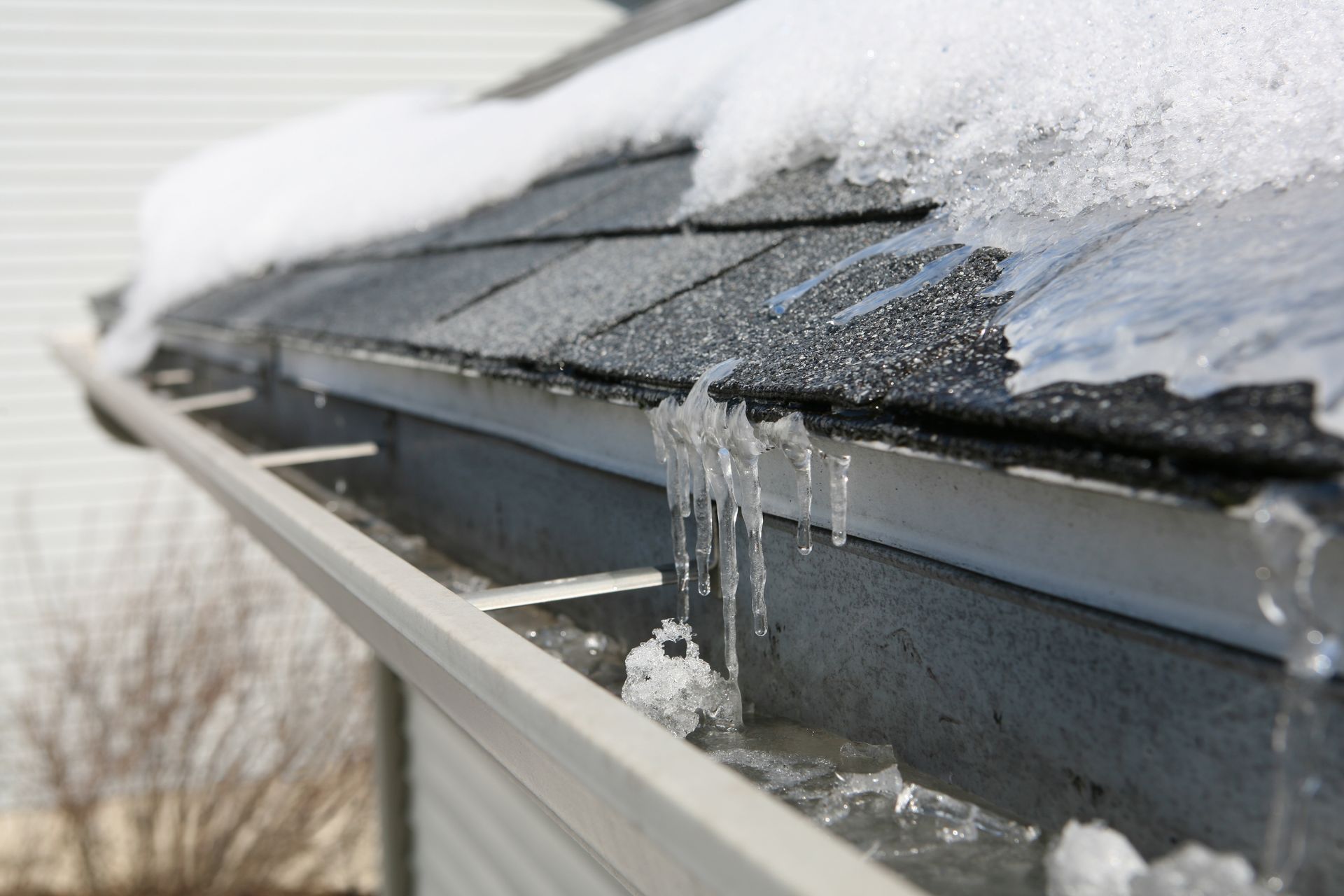
  • Snow and ice accumulation
  • Deteriorating fascia boards
  • Improper gutter installation


A loose hanger may be repairable, but gutters that are severely bent, repeatedly separating, or no longer maintaining proper drainage may need replacement.


It's also important to address damaged fascia before installing new gutters, since the attachment surface needs to be sound.


2. You Notice Cracks, Holes, or Persistent Gutter Leaks

Small leaks can sometimes be repaired, especially when they occur at an isolated seam or connection.


However, repeated leaks throughout the gutter system may indicate that the materials or joints are deteriorating.


Watch for:

  • Water dripping through gutter seams
  • Visible cracks or holes
  • Leaking corners
  • Water escaping from end caps
  • Multiple areas requiring repeated sealing


If repairs only provide temporary relief or leaks continue appearing in new locations, replacing the affected gutters may be more cost-effective than continuing to patch them.

Professional gutter installation services can provide a properly fitted drainage system designed for your home's roofline.


3. Your Gutters Have Rust, Corrosion, or Peeling Finishes

The condition of your gutter materials can reveal whether replacement may be necessary.

Steel gutters can develop rust when their protective coating deteriorates. Aluminum gutters do not develop the same iron-based rust, but they can experience corrosion or finish damage under certain conditions.


Signs of material deterioration may include:

  • Rust spots on steel gutters
  • Corroded or weakened metal
  • Flaking protective coatings
  • Peeling paint around gutter sections
  • Holes caused by advanced deterioration


Minor cosmetic wear doesn't always require replacement. However, extensive corrosion or material weakness can compromise the gutter system's ability to carry water safely away from the home.


4. Water Frequently Overflows During Rainstorms

Gutters are designed to collect roof runoff and direct it through downspouts.


If water regularly spills over the edges, something may be preventing the system from working correctly.


Potential causes include:

  • Leaves and debris blocking the gutters
  • Clogged downspouts
  • Improper gutter slope
  • Undersized gutters
  • Damaged or misaligned sections
  • Insufficient downspout capacity


Before assuming you need new gutters, determine whether cleaning or a drainage adjustment can resolve the issue.


However, if gutters continue overflowing after blockages and other correctable problems are addressed, the existing system may not be appropriately sized or configured for your roof.

According to the U.S. Department of Energy's guidance on gutters and downspouts, properly managing roof runoff is an important part of protecting a home's foundation and reducing moisture problems.


5. You See Water Damage Around Your Foundation or Siding

One of the most concerning signs of gutter failure is water collecting where it shouldn't.

When gutters leak, overflow, or discharge too close to the house, rainwater can saturate the surrounding soil and increase moisture exposure around the foundation.


Warning signs may include:

  • Water pooling near the foundation
  • Soil erosion beneath the roofline
  • Mud splashing against exterior walls
  • Water stains on siding
  • Peeling exterior paint
  • Damp basement walls after heavy rain
  • Rotting fascia or trim near gutter attachments


These symptoms don't always mean the gutters need replacement. Improper grading, short downspouts, or other drainage problems may also be responsible.


The University of Minnesota Extension's guidance on basement moisture explains how defective gutters, downspouts, and poor drainage can contribute to water problems around foundations.


If your gutter system is deteriorating and repeatedly directing water toward your home, professional evaluation can help determine whether replacement or another drainage correction is needed.


6. Your Gutters Keep Clogging or Holding Standing Water

Occasional gutter cleaning is a normal part of home maintenance, particularly during autumn when leaves and other debris accumulate.


However, gutters that repeatedly clog or retain standing water may have a more significant problem.


Standing water can result from improper slope, sagging sections, blocked outlets, or drainage design issues.


Over time, the additional weight may strain gutter attachments and contribute to further damage.


If your gutters are structurally sound, cleaning or correcting the slope may be sufficient. But if they are warped, severely misaligned, or consistently failing to drain, replacement may be the better option.


Homeowners can also review our Fall Roof Maintenance Checklist for Pennsylvania Homeowners for additional ways to prepare their roof and drainage system for colder weather.


7. Your Gutters Have Widespread Damage or Need Frequent Repairs

A single damaged gutter section doesn't necessarily mean the entire system needs to be replaced.


However, when multiple sections are failing, repair costs and recurring maintenance can begin to add up.


Consider the overall condition of your gutters if you're experiencing:

  • Repeated leaks in different locations
  • Multiple sagging or detached sections
  • Extensive corrosion
  • Frequent repairs that don't last
  • Persistent drainage problems
  • Visible damage across large portions of the system


The age of the gutters can also be a factor, but there is no universal replacement age that applies to every system.


Material quality, installation, climate, maintenance, and exposure all affect how long gutters remain functional.


A professional assessment can help determine whether targeted repairs or a complete replacement make more sense.

White gutter and downspout on a house roof corner with blue siding and eaves.

Should You Repair or Replace Your Gutters?

The decision depends on the type, extent, and cause of the damage.


When Gutter Repairs May Be Enough

Repairs may be appropriate when:

  • Damage is limited to one small section.
  • A hanger or connection needs to be secured.
  • A minor seam leak can be properly sealed.
  • A clogged downspout is causing overflow.
  • The gutters are otherwise structurally sound.
  • A slope adjustment can restore proper drainage.


When Gutter Replacement May Be Better

Replacement may be appropriate when:

  • Multiple sections are cracked, bent, or deteriorating.
  • Gutters repeatedly pull away from the house.
  • Corrosion has weakened the material.
  • Repairs are becoming frequent.
  • The system is improperly sized or configured.
  • Widespread damage prevents reliable drainage.


The goal is to choose a solution that restores dependable water management rather than simply addressing the most visible symptom.


What Are the Benefits of Seamless Gutters?

Seamless gutters are manufactured in long sections that are custom-fitted to a home's roofline.

Unlike sectional gutters, which are assembled from shorter pieces, seamless systems generally have fewer joints along straight gutter runs.


This design can offer several advantages:

  • Fewer seams where leaks may develop
  • A clean, streamlined appearance
  • Custom sizing for the home's roofline
  • Reduced maintenance associated with sectional joints
  • Durable performance when properly installed and maintained


Seamless gutters still have connections at corners, outlets, and other necessary locations, so correct installation and routine maintenance remain important.


Overmyer Roofing offers seamless aluminum gutter installation for homeowners throughout Monroe and Northampton Counties, along with downspout installation and gutter guard options.


Should You Replace Your Gutters Before Winter?

Fall can be a practical time to evaluate your gutters before freezing temperatures, snow, and ice arrive.


Damaged or poorly draining gutters may experience additional stress when water freezes or snow accumulates along the roofline.


Addressing known problems before winter can help reduce the risk of dealing with drainage issues during difficult weather conditions.


However, gutter replacement doesn't need to be limited to one season. If your gutters are actively failing or directing water toward your home, it's worth having the problem evaluated promptly.


What Happens During Professional Gutter Installation?

Professional gutter installation involves more than attaching new gutters to the roofline.


A contractor should evaluate the home's roof drainage needs and determine the appropriate system configuration.


Depending on the project, installation may involve:

  1. Assessing the existing gutters and drainage concerns
  2. Measuring the roofline and planning gutter placement
  3. Selecting appropriate gutter and downspout components
  4. Removing damaged or outdated gutters when necessary
  5. Installing the new system with secure attachments and proper slope
  6. Checking drainage and reviewing the completed installation


Overmyer Roofing's gutter installation process includes an on-site assessment, a customized gutter plan, precision installation, and a final walkthrough.


Proper installation helps ensure rainwater is collected and directed away from vulnerable areas of the home.


Protect Your Home With Professional Gutter Installation

Your gutters may be easy to overlook, but they play an essential role in managing rainwater and protecting your property.


Sagging sections, persistent leaks, corrosion, overflowing water, and repeated repairs can all indicate that your gutter system needs attention.


While some problems can be corrected with maintenance or targeted repairs, widespread deterioration may make replacement the more dependable long-term solution.


Overmyer Roofing provides professional gutter installation services for homeowners throughout Monroe County, Northampton County, and surrounding Northeast Pennsylvania communities.


Whether you're dealing with damaged gutters or considering an upgrade to a seamless system, our team can help you evaluate your options.


Contact Overmyer Roofing today to discuss your gutter installation needs and protect your home from unnecessary water damage.

  • How do I know if my gutters need to be replaced?

    Common signs include sagging gutters, persistent leaks, cracks, corrosion, frequent overflow, and water damage near your home's foundation. A professional assessment can determine whether repairs or replacement are appropriate.

  • How long do gutters typically last?

    Gutter lifespan depends on the material, installation quality, maintenance, and environmental exposure. Aluminum, steel, copper, and other gutter materials have different durability characteristics, so age alone should not determine whether replacement is necessary.

  • Can damaged gutters cause foundation problems?

    Yes. Gutters that overflow or discharge water too close to the house can contribute to soil saturation and moisture problems around the foundation. However, grading and other drainage conditions may also contribute.

  • Are seamless gutters better than sectional gutters?

    Seamless gutters generally have fewer joints along straight runs, which can reduce potential leak points. However, both types require proper installation, drainage design, and maintenance.

  • Do I need to replace my gutters if they overflow?

    Not necessarily. Overflow may be caused by debris, clogged downspouts, improper slope, or inadequate capacity. Cleaning or adjustments may resolve the problem, but persistent overflow can indicate a need for replacement or redesign.

  • Should gutters be replaced when replacing a roof?

    Not always. If the existing gutters are in good condition, properly attached, and draining correctly, they may not need replacement. However, a roof replacement is a convenient opportunity to evaluate aging or damaged gutters.

Residential asphalt shingle roof with ridge and soffit ventilation for attic airflow
October 23, 2026
Learn why attic ventilation matters, signs of poor roof ventilation, and how proper airflow helps protect your roof from moisture and heat.
Ice dam buildup along the edge of a snow-covered asphalt shingle roof with icicles hanging from the
October 16, 2026
Learn what causes ice dams on roofs, how they damage shingles and gutters, and what homeowners can do to help prevent winter roof problems.
Roof with snow on it in the winter in Northeastern Pennsylvania
October 9, 2026
Can you replace a roof in winter? Learn how cold weather affects roof installation and when Pennsylvania homeowners should consider replacement.
Close-up of a gray shingle roof on a house with a green gable and trees in the background
September 18, 2026
Learn the main parts of a roof, from decking and underlayment to flashing, valleys, vents, fascia, soffits, gutters, and more.
Metal chimney flashing on a brick chimney with asphalt roof shingles
September 9, 2026
Is your roof leaking around the chimney? Learn how flashing, shingles, seals, masonry, and drainage can cause chimney-area roof leaks.
Fallen yellow and orange leaves on sunlit dark roof shingles
September 4, 2026
Prepare your Pennsylvania roof for winter with this fall roof maintenance checklist covering shingles, gutters, flashing, leaks, and more.
Gloved hands installing black roofing underlayment on a wooden roof deck
August 21, 2026
Learn what roof underlayment is, how it protects your roof deck, common types, and why proper installation matters for your home.
Slate roof with a brick chimney and small vent under a clear sky
August 17, 2026
Learn eight factors that affect roof replacement cost, from roof size and materials to pitch, decking, ventilation, and project complexity.
Damaged roof shingles with a broken, exposed section after rain
August 14, 2026
Learn seven common causes of roof leaks, the warning signs to watch for, and when to call a professional roofer for repairs.
House roof with dark shingles and a partially repaired plywood section, viewed from above near trees
August 11, 2026
Learn how long roof replacement takes, what can affect the timeline, and what to expect during a professional roof installation.
Show More