What Is Roof Underlayment and Why Does Your Roof Need It?
When you look at a finished roof, shingles or metal panels are usually all you see. But an effective roofing system includes important components underneath the visible surface.
One of those components is roof underlayment.
Roof underlayment is a protective layer installed between the roof deck and the finished roofing material. It provides a secondary layer of protection against moisture that gets beneath shingles or other roof coverings.
Although homeowners rarely see it after installation, underlayment plays an important role in the overall performance of the roofing system.
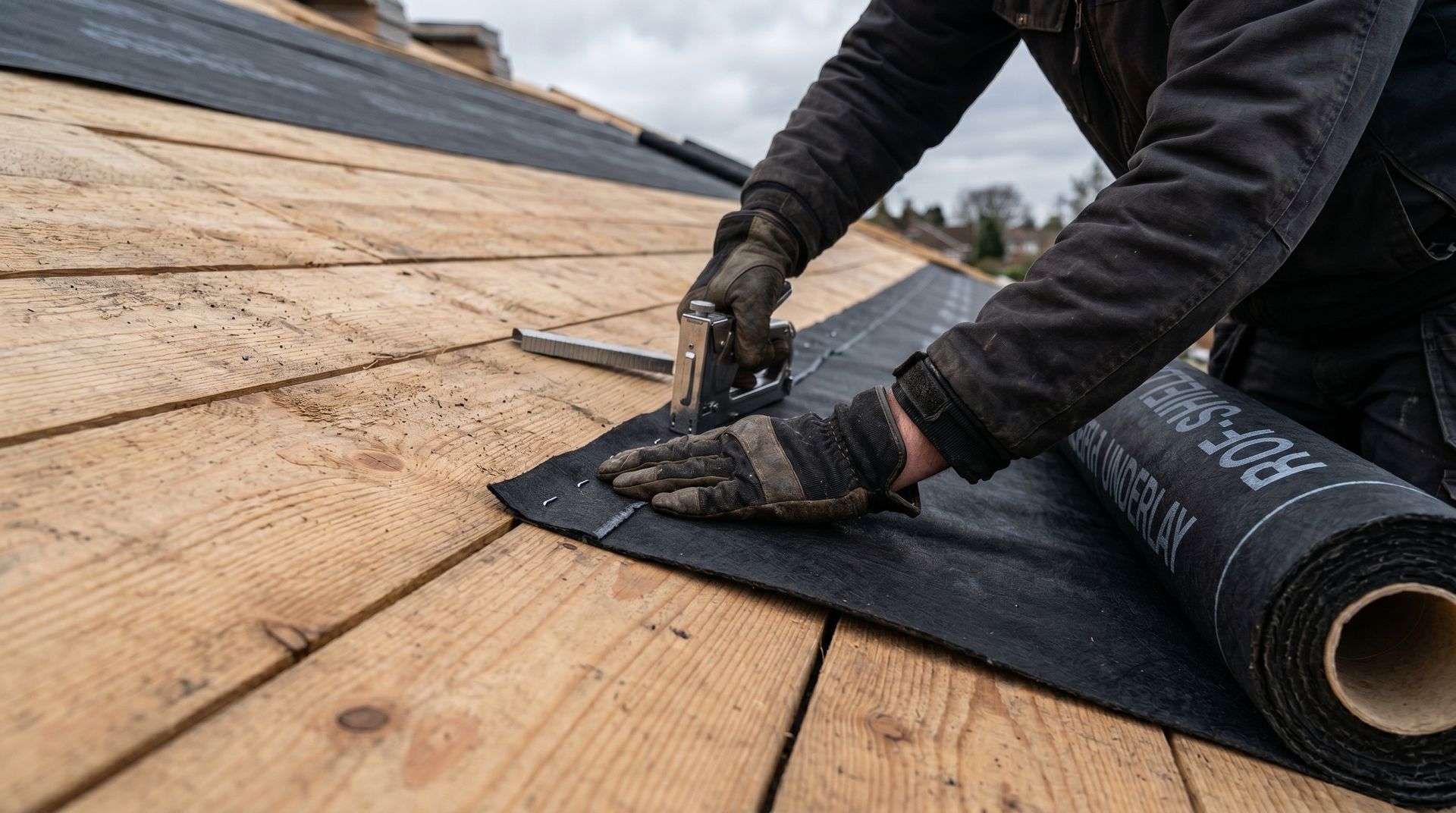
What Is Roof Underlayment?
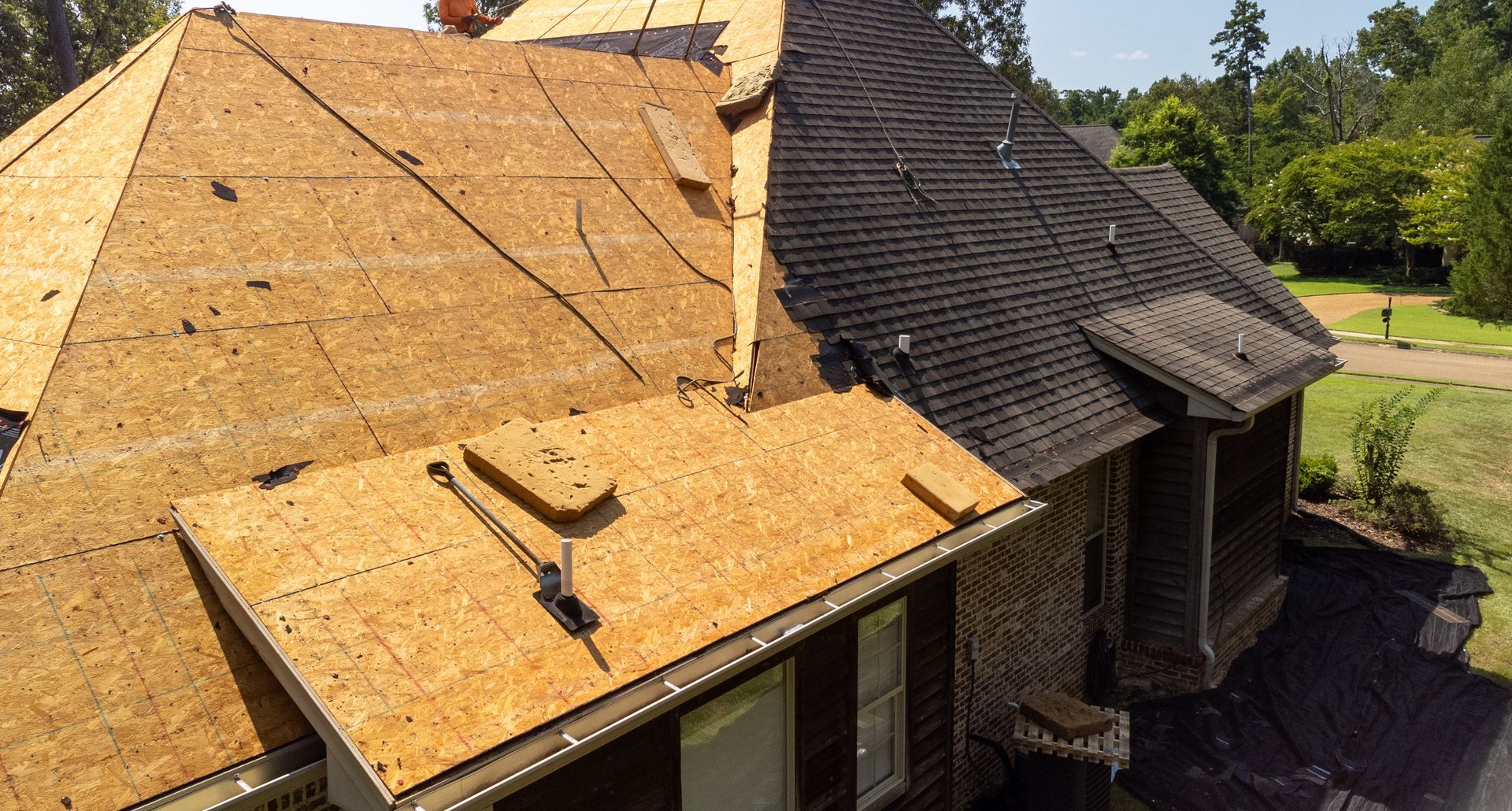
Roof underlayment is installed directly over the roof deck before shingles or another finished roof covering is applied.
Think of a roof as a layered system.
On a typical asphalt shingle roof, those layers may include:
- Roof framing
- Roof decking or sheathing
- Underlayment and leak barriers
- Asphalt shingles
- Flashing and other roofing components
The shingles form the primary exterior surface and are designed to shed rain, snow, and other precipitation. Underlayment adds another protective layer beneath them.
The GAF guide to roof underlayment describes underlayment as a secondary moisture barrier between the roof deck and shingles or other roof coverings.
That additional protection matters because wind-driven rain, damaged shingles, ice, and other conditions can sometimes allow moisture beneath the primary roof covering.
Why Does a Roof Need Underlayment?
Your shingles aren't the only component protecting the roof deck.
Underlayment serves several important purposes within a complete roofing system.
It Provides Secondary Moisture Protection
The primary purpose of underlayment is to provide another layer of protection against moisture.
If water gets beneath the shingles, properly installed underlayment helps protect the roof deck below.
This doesn't mean underlayment should be treated as a substitute for properly installed shingles. Instead, the components work together as part of the complete roofing system.
It Helps Protect Against Wind-Driven Rain
Pennsylvania homeowners are familiar with storms that bring rain and wind at the same time.
Under certain conditions, wind can push rain into vulnerable areas of a roof.
GAF identifies roof deck protection, or underlayment, as a secondary layer designed to help protect against wind-driven rain beneath the shingles.
It Adds Protection During Installation
Underlayment is installed before the finished roofing material, providing protection over the roof deck during the roofing process.
The exact exposure limits depend on the underlayment product, manufacturer requirements, and weather conditions. A professional roofer should follow the specific installation instructions for the selected roofing system.
It Supports the Complete Roofing System
A roof is more than its visible covering.
Shingles, underlayment, leak barriers, flashing, ventilation, starter materials, ridge components, and the roof deck all need to work together.
That's why choosing a new roof based only on shingle color or appearance doesn't tell the whole story.
When reviewing a roofing proposal, homeowners should understand what is being installed beneath the shingles as well.
What Are the Main Types of Roof Underlayment?
Roof underlayment generally falls into a few broad categories.
The appropriate material depends on the roofing system, roof design, manufacturer specifications, climate, and project requirements.
Asphalt-Saturated Felt Underlayment
Traditional roofing felt has been used beneath roof coverings for many years.
Often called felt paper or tar paper, this material is typically made using a base saturated with asphalt to improve water resistance.
Felt remains familiar within the roofing industry, but newer synthetic products have become common alternatives.
Potential considerations with felt include:
- It can be heavier than some synthetic products.
- It may tear more easily during installation.
- Wrinkling can occur if it absorbs moisture.
- Exposure limitations vary by product.
The right underlayment shouldn't be chosen simply because a particular material has traditionally been used. It should be selected as part of the roofing system being installed.
Synthetic Roof Underlayment
Synthetic underlayment is widely used in modern roofing systems.
These products are manufactured from engineered materials and can offer advantages such as lower weight, tear resistance, and easier handling during installation.
CertainTeed notes that synthetic underlayments can provide strong water resistance while remaining lighter than traditional felt.
Different manufacturers offer products with different specifications, so "synthetic" does not describe one universal material.
Your roofing contractor should select an underlayment that is compatible with the roof covering and appropriate for the project.
Self-Adhered Ice and Water Protection
Some areas of a roof face greater water exposure than others.
That's where self-adhered leak barriers, often referred to generally as ice and water protection, can become particularly important.
These materials bond directly to the roof deck and are commonly used in vulnerable areas such as:
- Eaves
- Valleys
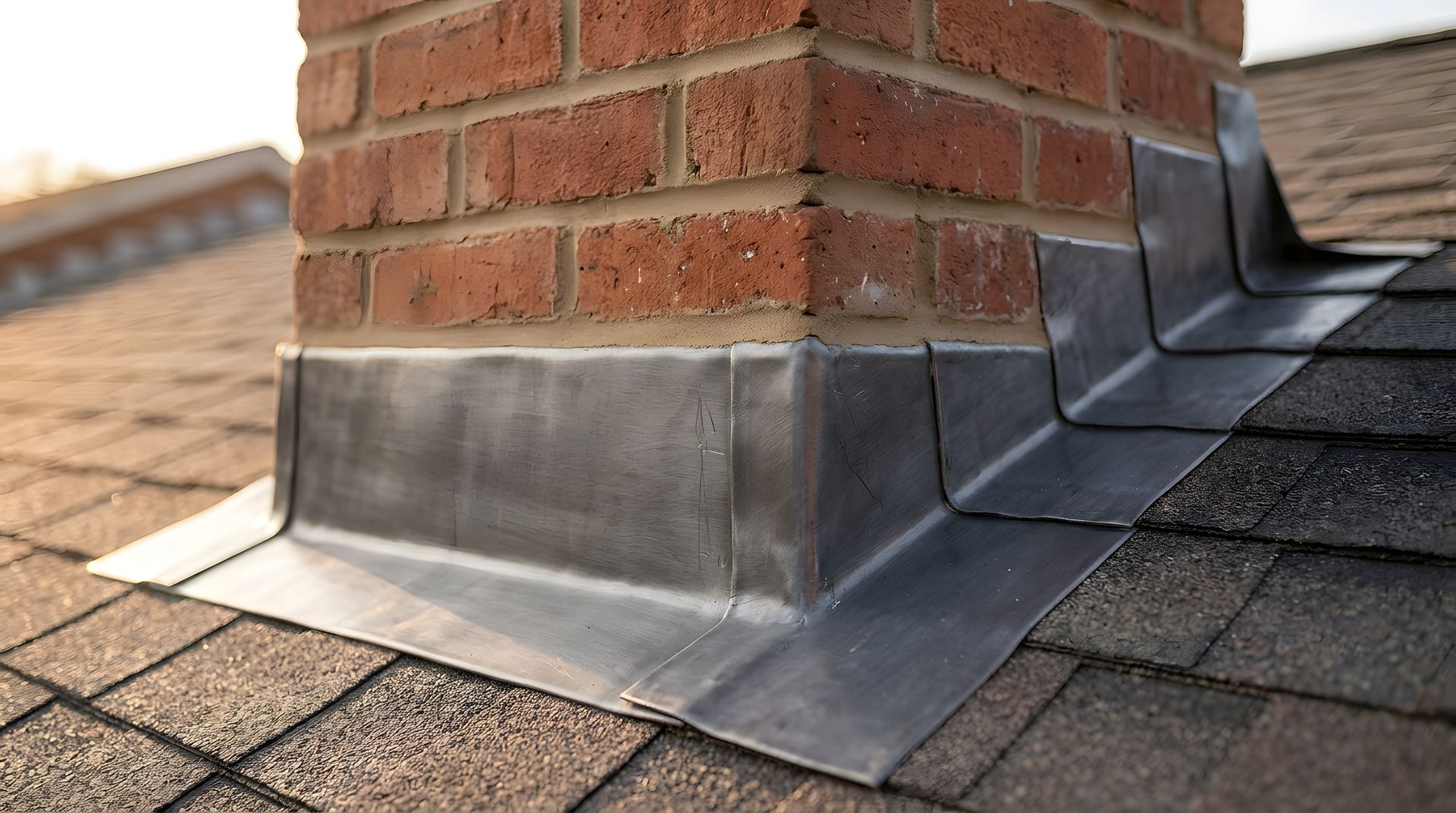
- Around chimneys
- Around skylights
- Roof penetrations
- Other areas where water can collect or enter
The CertainTeed guide to shingle underlayment explains that waterproof ice-and-water membranes are used in vulnerable areas to provide additional protection against concerns such as ice damming and high water flow.
For homeowners in Northeast Pennsylvania, that added protection can be especially relevant because roofs must contend with snow, ice, rain, and repeated freeze-thaw cycles.
Is Ice and Water Shield the Same as Roof Underlayment?
They are related, but they aren't necessarily the same thing.
Standard roof underlayment typically covers broad areas of the roof deck as a secondary water-shedding layer.
Self-adhered ice and water protection is designed to provide enhanced protection in vulnerable locations.
A roofing system may therefore use both:
- General roof deck underlayment across larger roof areas
- Self-adhered leak protection at vulnerable areas such as eaves and valleys
The exact installation pattern depends on the roof design, local requirements, manufacturer instructions, and roofing system.
Where Is Ice and Water Protection Usually Installed?
Specific requirements vary, but self-adhered protection is commonly considered for areas where water intrusion is more likely.
Roof Eaves
Eaves can be vulnerable to water backup associated with ice dams.
During winter, heat escaping through the home can contribute to snow melting higher on the roof. That water may refreeze near colder roof edges.
If additional meltwater collects behind the ice, it can move beneath the roofing material.
A properly designed roofing system uses multiple strategies to manage this risk, including appropriate insulation, ventilation, and water protection.
Roof Valleys
Valleys are created where two roof planes meet.
Because water from both sections of the roof is directed toward the valley, these areas can experience significant water flow during rain and snowmelt.
Proper installation and water protection are therefore particularly important.
Chimneys and Skylights
Anything that interrupts the main roof surface creates additional installation details.
Chimneys and skylights require properly designed flashing, but surrounding water-protection components can provide another layer of defense.
Overmyer Roofing also provides professional skylight installation and repair for homes with existing or planned skylights.
Roof Penetrations
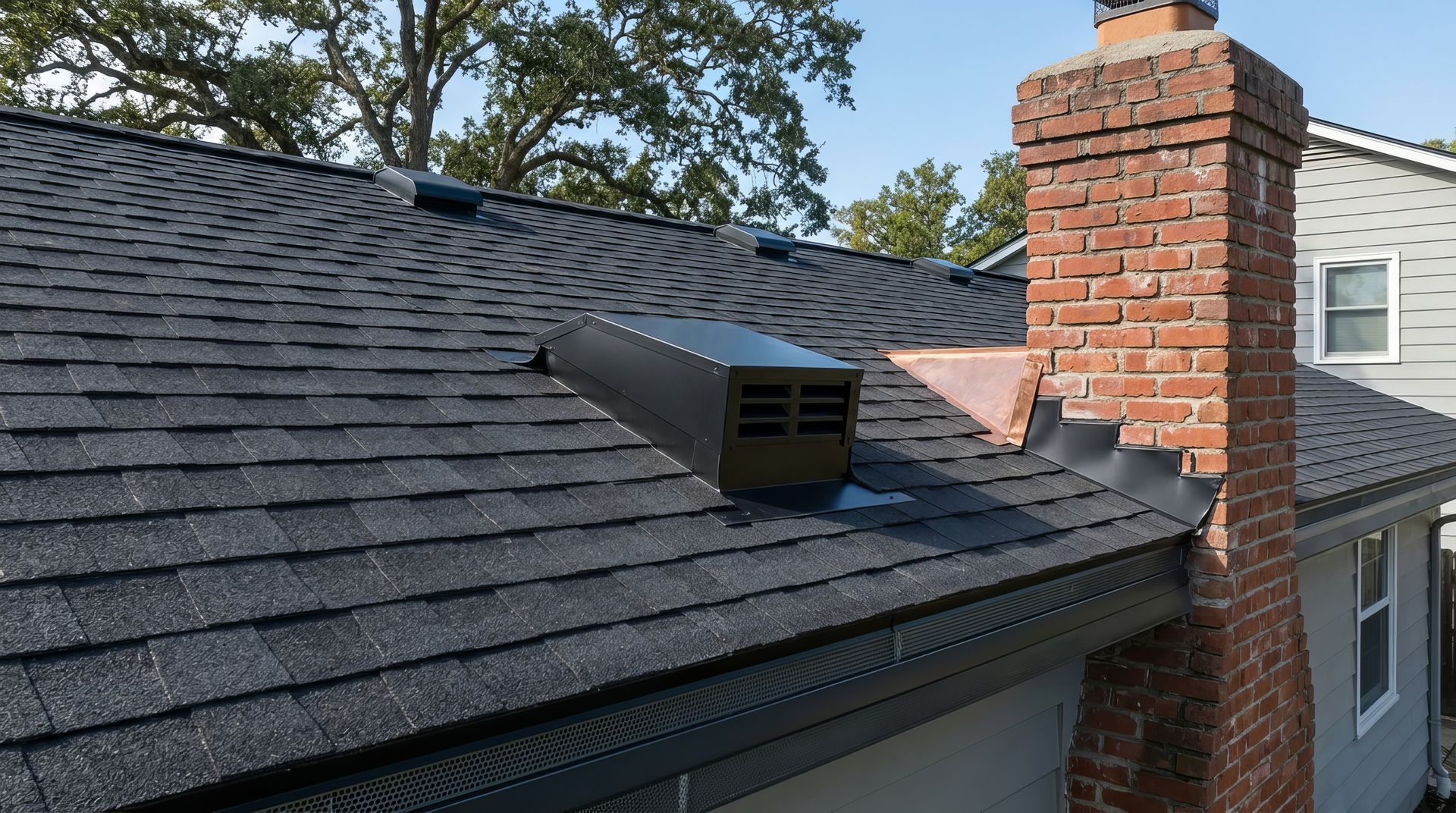
Plumbing vents, exhaust vents, and other penetrations create openings through the roof system.
These areas require careful flashing and integration with the surrounding roofing components to help prevent leaks.
Does Underlayment Make a Roof Waterproof?
Not by itself.
A properly installed roof relies on multiple components working together to manage water.
Underlayment provides secondary protection, but it does not eliminate the need for:
- Properly installed shingles or metal roofing
- Correct flashing
- Functional drainage
- Appropriate ventilation
- Sound roof decking
- Proper installation around penetrations
Calling one component "waterproof" can give homeowners the wrong impression that the rest of the roofing system doesn't matter.
The goal is to build a complete system in which each layer performs its intended function.
Can You See Roof Underlayment From the Attic?
Usually, no.
Underlayment is installed on top of the roof deck, which means the decking itself generally blocks it from view inside the attic.
From inside an unfinished attic, homeowners may see the underside of plywood, oriented strand board, or other roof decking rather than the underlayment.
That's one reason underlayment problems aren't always something homeowners can inspect themselves.
If you suspect a roofing issue, a professional roof inspection can evaluate the visible roof system and determine whether further investigation is necessary.
Can Damaged Underlayment Cause Roof Leaks?
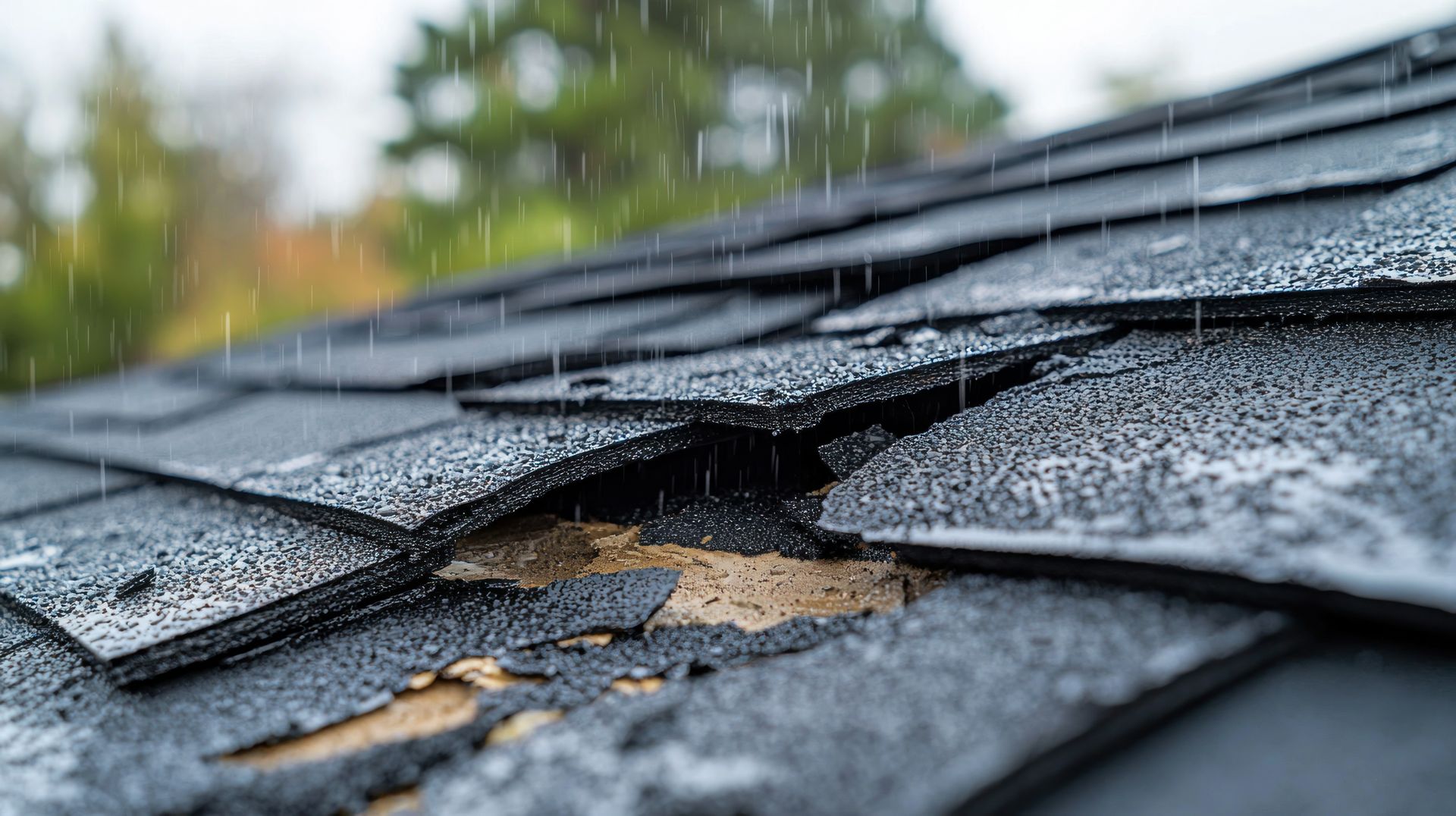
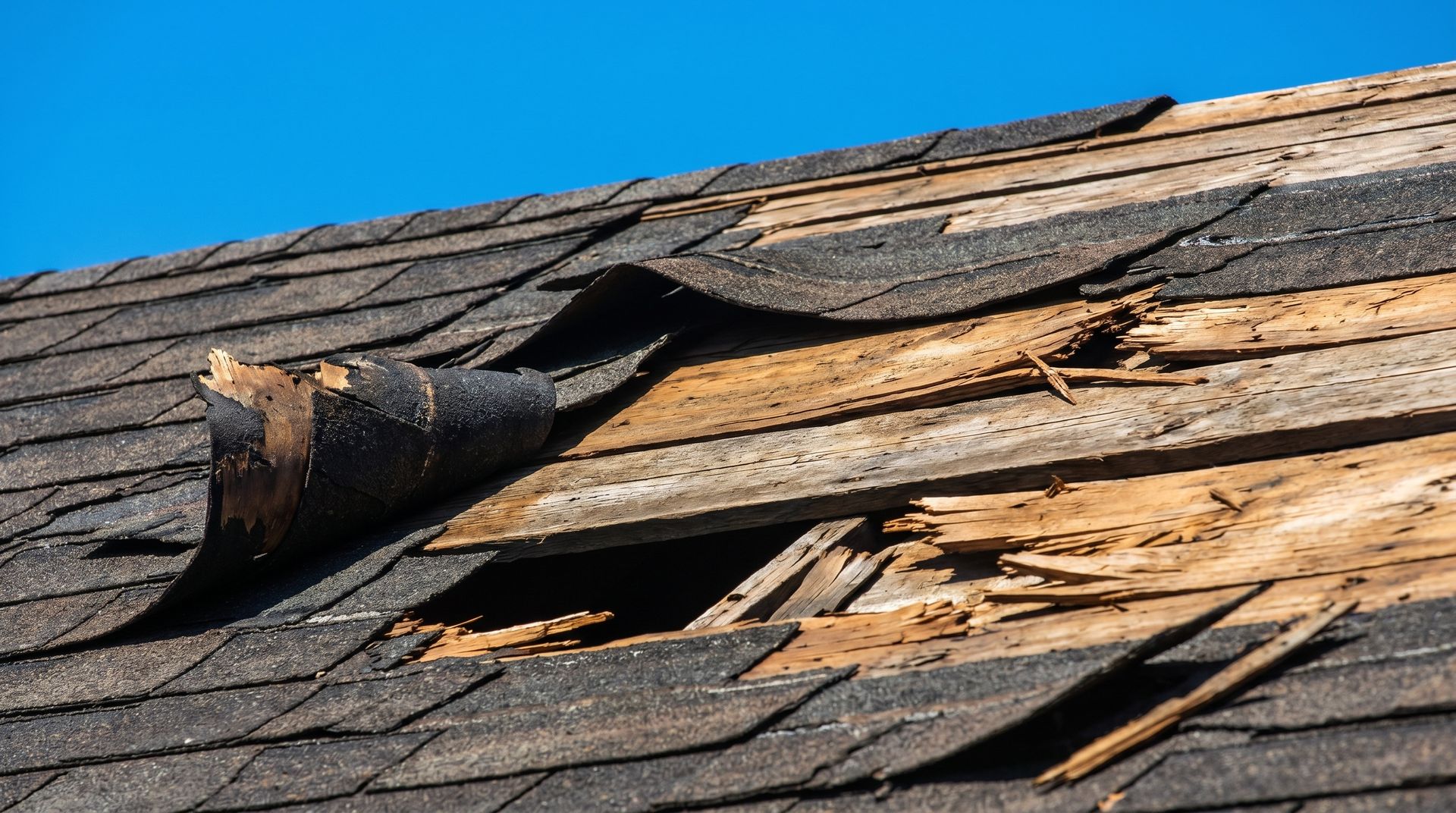
Damaged or improperly installed underlayment can reduce the roof's secondary protection against water.
However, diagnosing a roof leak isn't as simple as assuming the underlayment is responsible.
Water intrusion may involve:
- Missing shingles
- Damaged shingles
- Flashing failures
- Roof penetrations
- Valleys
- Skylights
- Gutters
- Storm damage
- Deteriorated roof decking
- Multiple roofing components at once
Water can also travel along decking and framing before appearing inside the home, making the visible stain different from the actual entry point.
If you're seeing ceiling stains, damp insulation, dripping, or other moisture symptoms, Overmyer Roofing provides roof leak repair services that begin with identifying the source of the problem.
Does Roof Underlayment Need to Be Replaced With a New Roof?
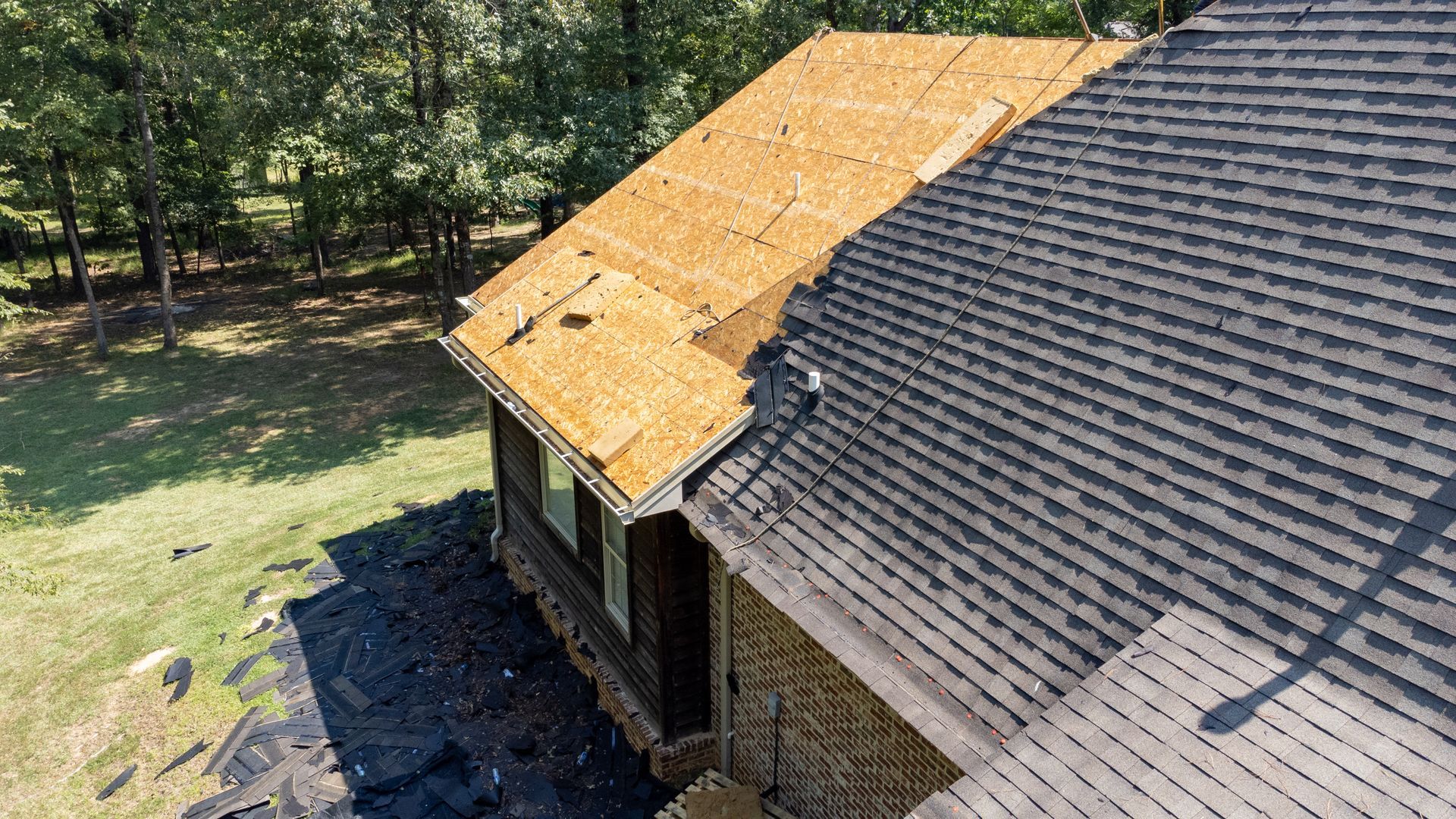
During a full roof replacement, the roofing system is typically removed down to the roof deck so the underlying surface can be evaluated and the new system installed according to project requirements.
New underlayment is then installed as part of the replacement roofing assembly.
Installing a new roof is an opportunity to evaluate more than just the shingles.
The contractor can inspect:
- Roof decking
- Flashing
- Valleys
- Roof penetrations
- Ventilation
- Leak-prone areas
- Underlayment requirements
Overmyer Roofing's roof installation and replacement services include an on-site consultation, material selection, professional installation, cleanup, and final inspection.
Why Does Underlayment Matter in Pennsylvania?
Northeast Pennsylvania roofs face changing conditions throughout the year.
Depending on the season, a roof may experience:
- Heavy rain
- Snow
- Ice
- Wind-driven precipitation
- Freeze-thaw cycles
- Summer heat
- Temperature fluctuations
Underlayment contributes another layer of protection beneath the finished roofing material as the roof handles these conditions.
Self-adhered protection can be particularly useful at areas susceptible to water backup from ice dams or wind-driven rain.
However, underlayment is only one part of winter roof performance.
Attic insulation and balanced ventilation also matter because they can help manage heat and moisture conditions that contribute to ice dam formation.
What Should You Ask a Roofer About Underlayment?
Most homeowners spend more time choosing their shingle color than discussing what's underneath the shingles.
Before approving a roof replacement, consider asking:
- What type of underlayment will you install?
- Why is that product appropriate for my roofing system?
- Where will ice and water protection be installed?
- How will valleys be protected?
- How will you handle chimneys, skylights, and roof penetrations?
- Is the underlayment compatible with the roofing material?
- Does the roofing manufacturer specify a particular installation method?
- How will ventilation be addressed?
- What happens if damaged decking is discovered?
A roofing contractor should be able to explain these components in understandable terms.
You don't need to become a roofing expert before replacing your roof, but you should understand what you're paying for.
Your Roof Is More Than the Shingles You See
A finished roof may look simple from the ground, but long-term performance depends on what's happening throughout the entire roofing system.
Underlayment provides secondary moisture protection between the roof deck and the finished roofing material. Leak barriers can provide additional protection in vulnerable areas, while flashing, ventilation, decking, and proper installation all contribute to the finished system.
That's why a roof replacement should be evaluated as a complete system rather than a purchase of shingles alone.
What is roof underlayment?
Roof underlayment is a protective material installed over the roof deck and beneath shingles or another finished roof covering. It provides a secondary layer of protection against moisture.
What are the main types of roof underlayment?
Common categories include asphalt-saturated felt, synthetic underlayment, and self-adhered membranes used for enhanced water protection in vulnerable roof areas.
Is roof underlayment waterproof?
Not every underlayment is considered waterproof. Standard underlayment generally provides secondary water-shedding or water-resistant protection, while certain self-adhered membranes are designed for enhanced waterproofing in vulnerable areas.
Is ice and water protection the same as regular underlayment?
Not exactly. General underlayment typically protects broad areas of the roof deck, while self-adhered ice and water membranes provide enhanced protection in vulnerable areas such as eaves, valleys, and around roof penetrations.
Does roof underlayment need to be replaced during roof replacement?
A full roof replacement typically includes new underlayment installed over the prepared roof deck as part of the new roofing system. The exact materials and installation requirements depend on the roofing system and project.
Why is roof underlayment important in Pennsylvania?
Pennsylvania roofs experience rain, snow, ice, wind, freeze-thaw cycles, and seasonal temperature changes. Underlayment provides an additional layer of moisture protection beneath the finished roofing material.
Plan Your Roof Replacement With Overmyer Roofing
If you're considering a new roof, ask what will be installed beneath the finished surface—not just what you'll see from the driveway.
Overmyer Roofing provides professional roof installation and replacement services throughout Monroe County, Northampton County, and surrounding Northeast Pennsylvania communities. The team installs asphalt shingle, metal, and flat roofing systems and can explain the materials and components recommended for your property.
If you're ready to learn more about your roofing options, contact Overmyer Roofing for a complimentary, no-pressure estimate.