What Is the Typical Roof Replacement Timeline?
There isn't one timeline that applies to every home.
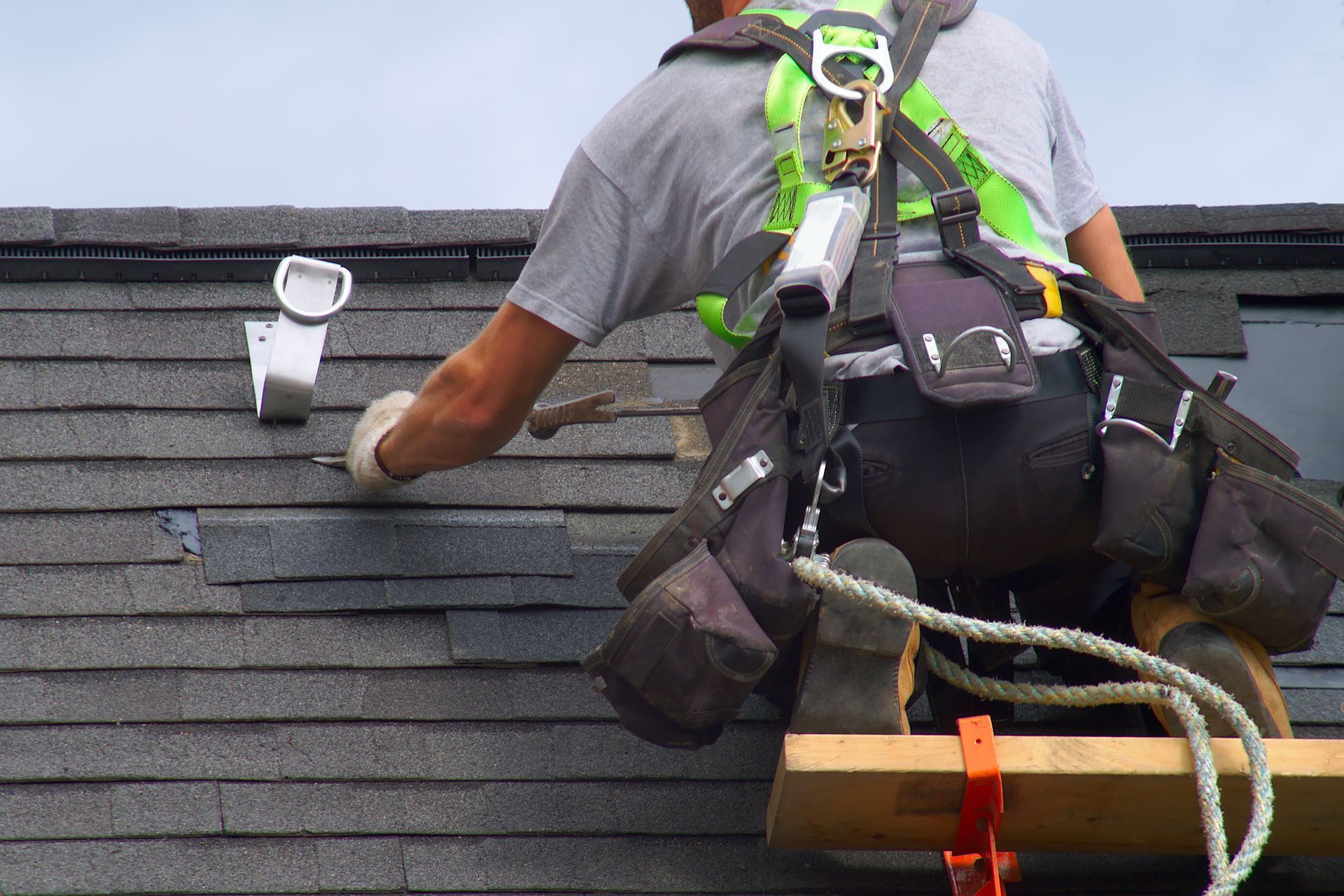
An asphalt shingle roof on a straightforward, average-sized home may be replaced relatively quickly. GAF notes that an average asphalt shingle roof replacement can often be completed in one to two days, although the actual timeframe depends on the home and project.
The installation itself is also only one part of the process. Before work begins, your roofing contractor needs to inspect the roof, determine the scope of work, select and order materials, schedule the project, and address any applicable local requirements.
That's why homeowners should distinguish between
installation time and the
total roof replacement timeline.
At Overmyer Roofing, our
roof installation and replacement services begin with an on-site consultation so the team can assess the property and recommend roofing options based on the home's needs and the homeowner's budget.
What Can Make a Roof Replacement Take Longer?
Several factors can affect how quickly a roofing crew can complete a replacement.
1. Roof Size
The larger the roof, the more material must be removed and installed.
A smaller, straightforward roof will generally require less time than a large home with multiple roof sections. Square footage isn't the only consideration, however. The shape and accessibility of the roof also matter.
2. Roof Pitch and Complexity
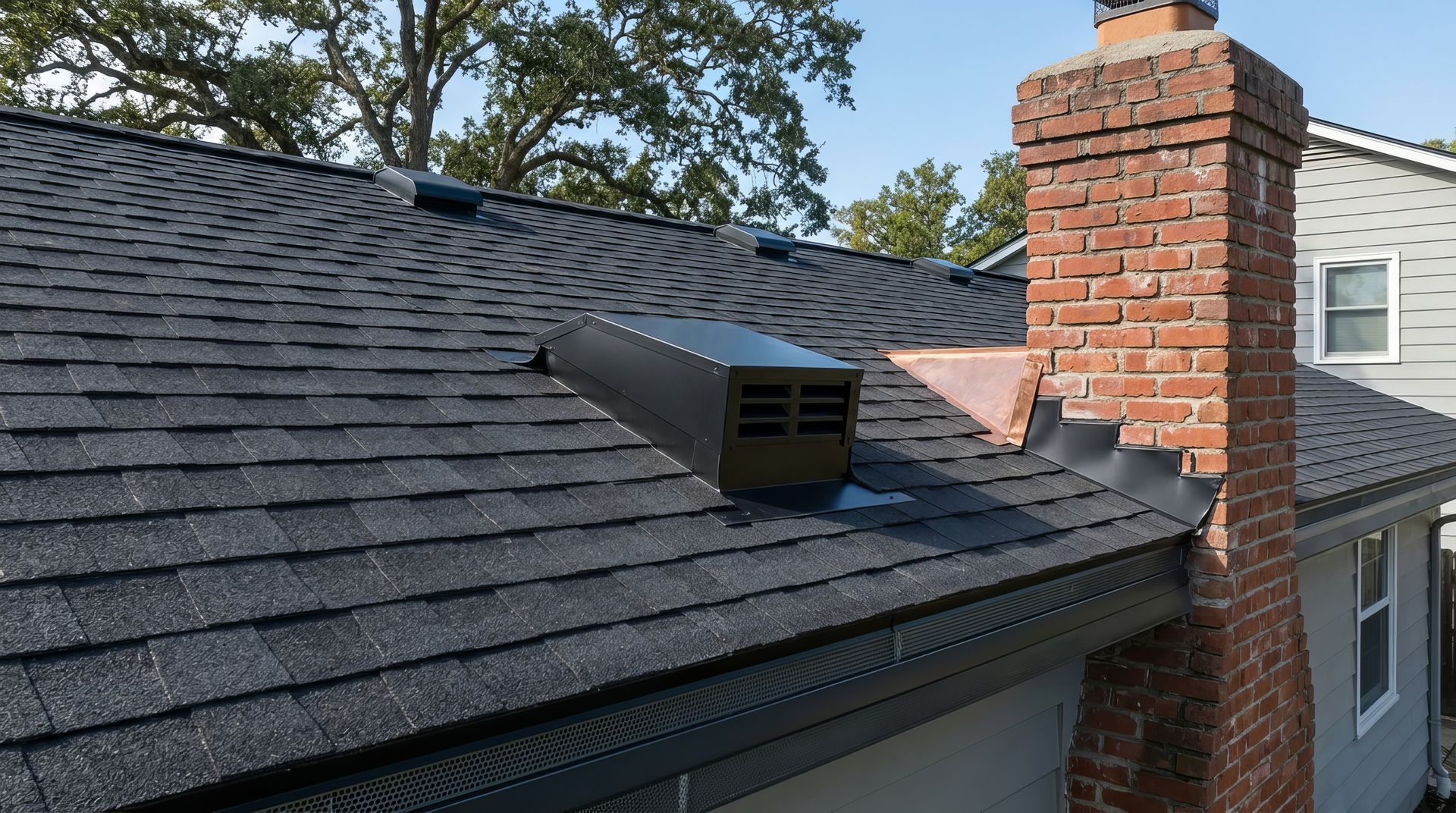
A simple roof with large, accessible planes is generally easier to work on than one with steep slopes or numerous architectural features.
Features that can add complexity include:
- Multiple valleys
- Dormers
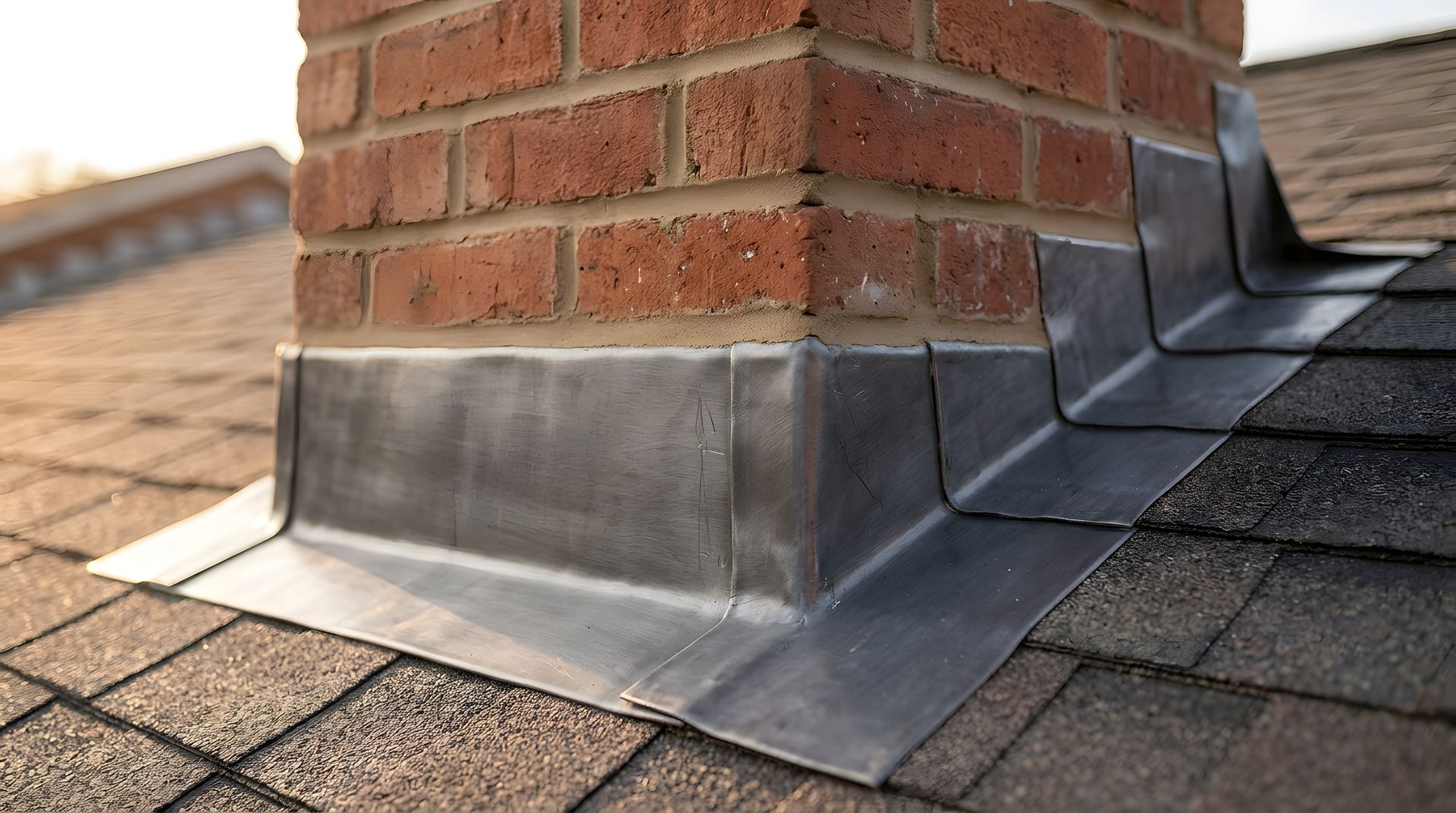
- Chimneys
- Skylights
- Intersecting roof sections
- Steep slopes
- Difficult-to-access areas
These features require additional cutting, flashing, detailing, and safety precautions.
3. Existing Roofing Materials
A typical replacement involves removing existing roofing materials before installing the new system.
The amount and type of material that must be removed can influence the schedule. Disposal and site access also matter because the crew needs a safe way to move old materials away from the home and bring new roofing materials to the work area.
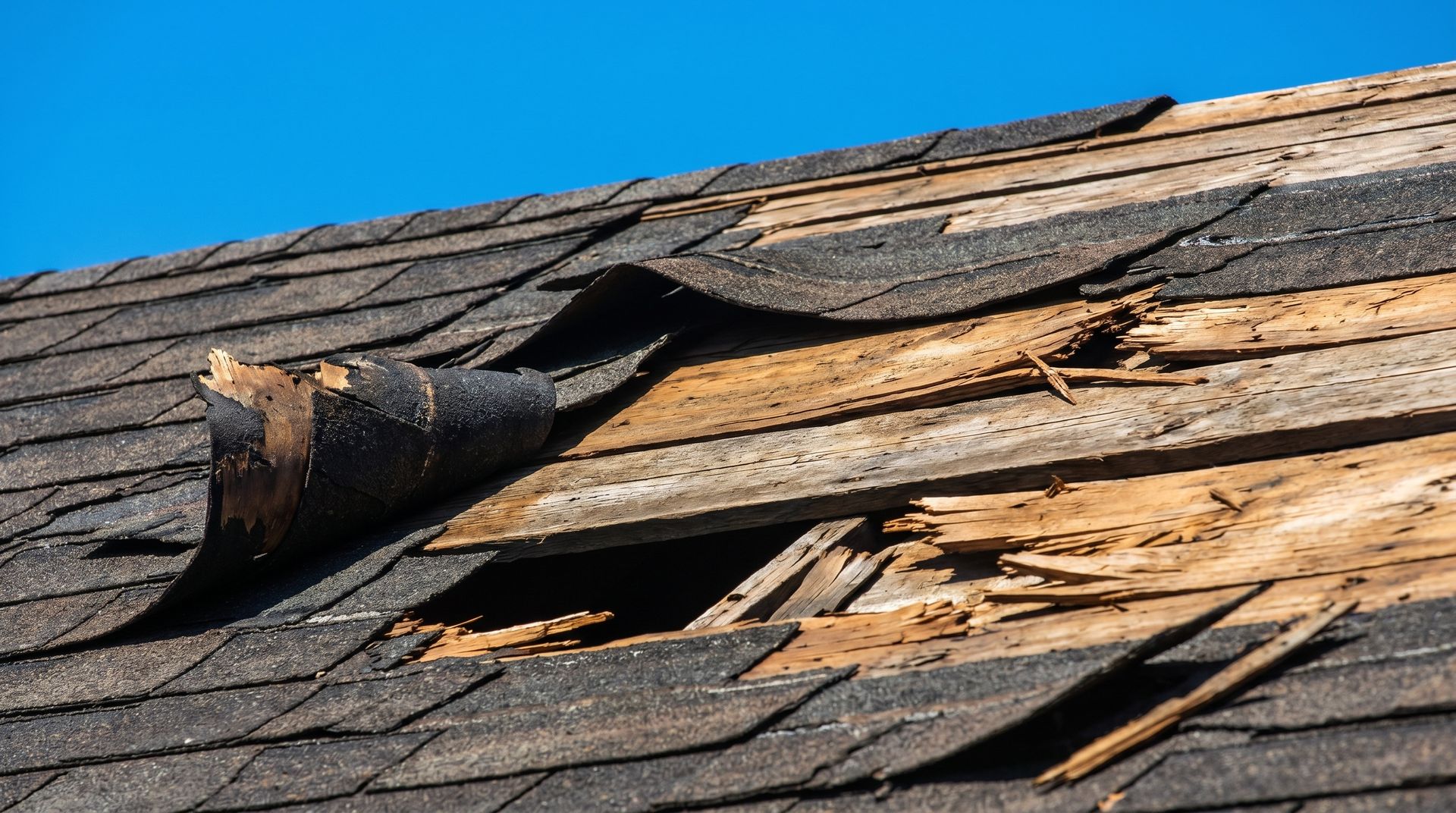
4. Hidden Roof Deck Damage
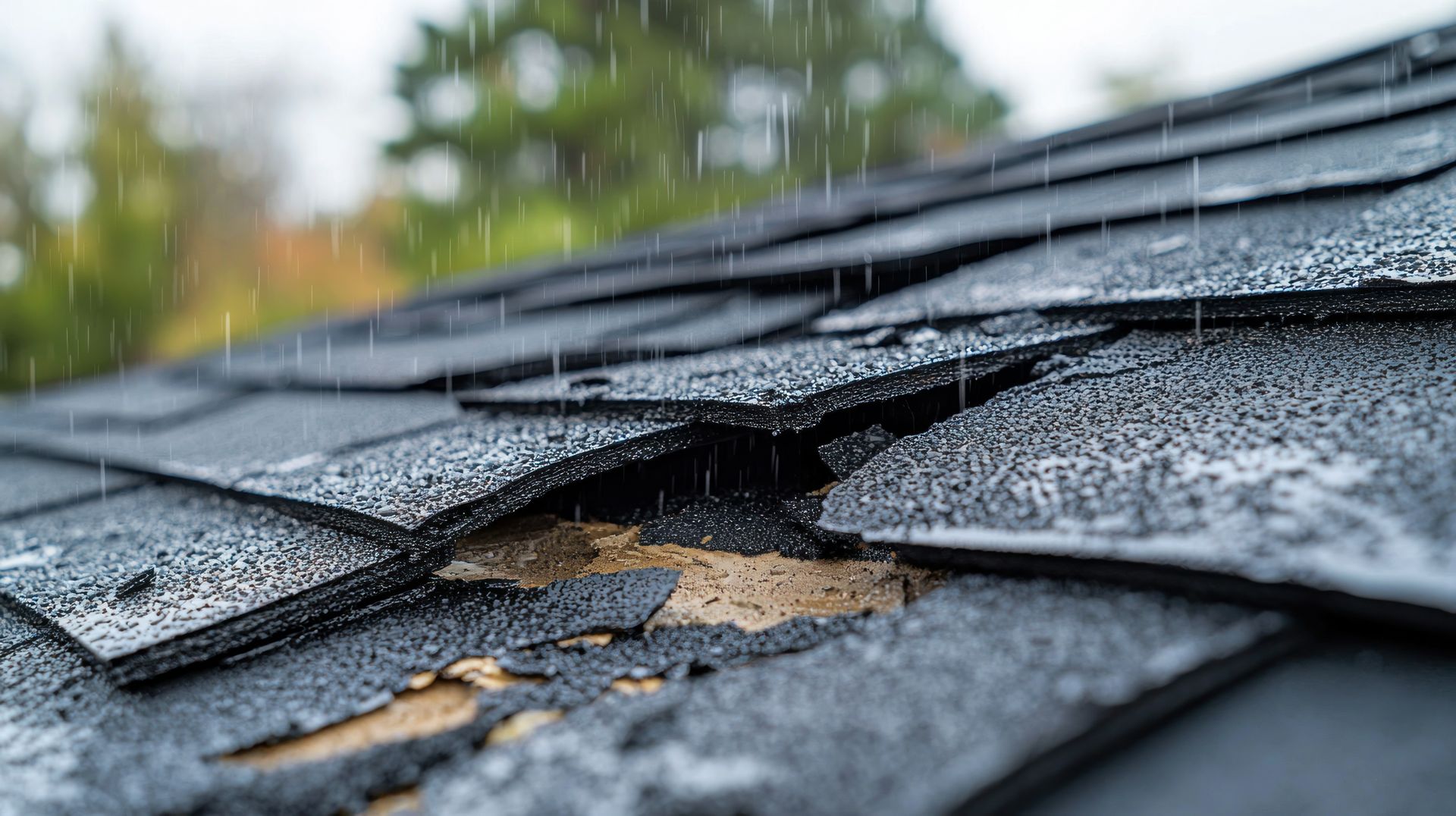
Some roof problems aren't visible until the existing roofing material is removed.
Once the old roof is torn off, the underlying roof deck can be inspected more closely. If damaged or deteriorated decking is discovered, those areas may need to be addressed before the new roofing system can be installed.
This is an important step. New roofing materials need a suitable foundation, so covering damaged decking simply to keep a project on schedule is not a good solution.
5. Weather Conditions
Weather is one of the biggest variables in any exterior construction project.
Rain can interrupt roofing work, while high winds, frost, extreme temperatures, and other unsafe conditions can also affect the schedule.
This is particularly important for homeowners in Pennsylvania, where conditions can change considerably between seasons. A professional contractor should account for weather conditions when scheduling the project rather than compromising safe installation to meet an arbitrary deadline.
6. Roofing Material
The material you choose can also affect installation time.
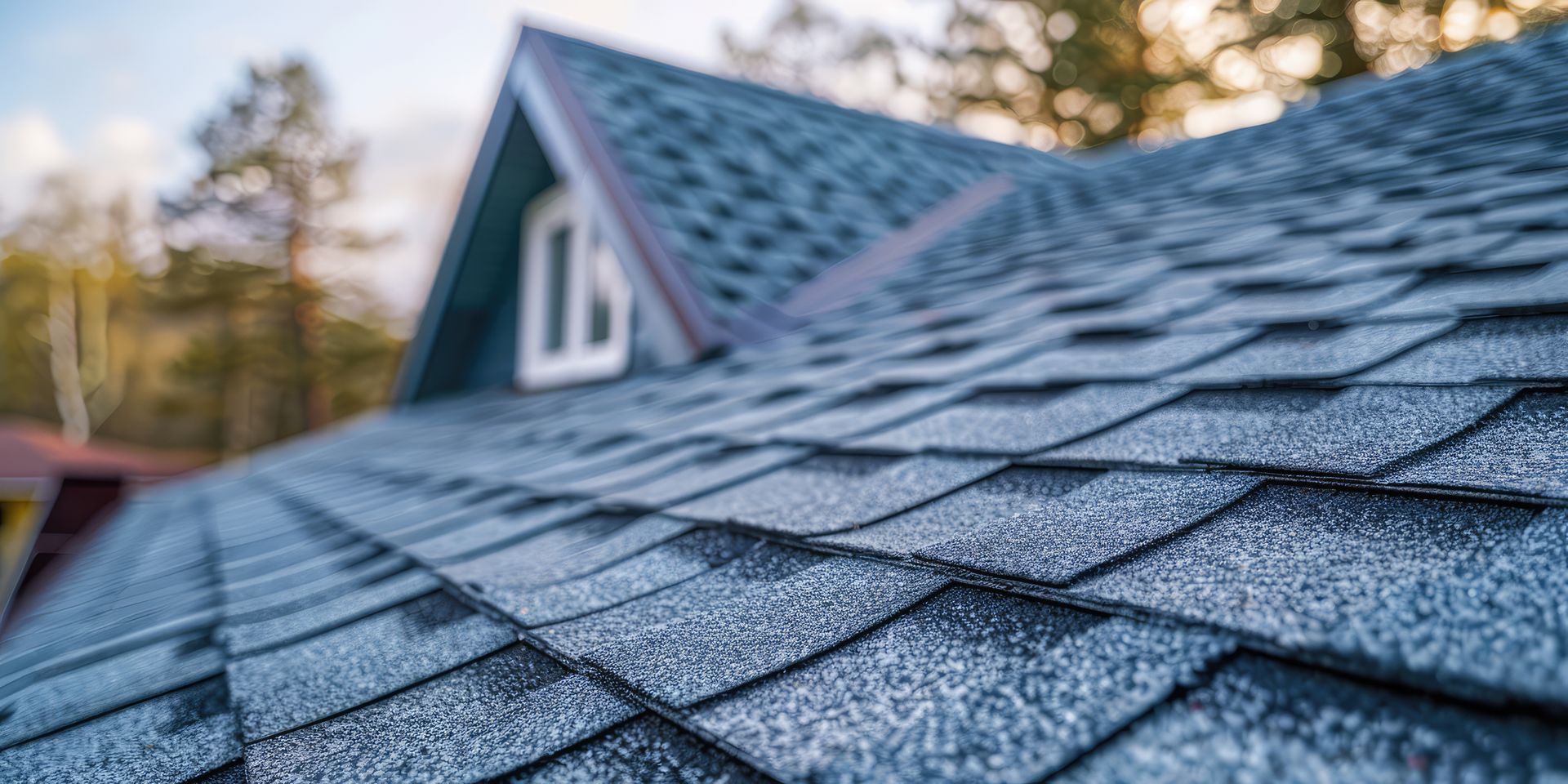
Asphalt shingles are common on residential properties and can often be installed efficiently by an experienced crew. Other roofing systems may require different preparation, fastening methods, detailing, or installation procedures.
Overmyer Roofing installs asphalt shingles, metal roofing, and flat roofing systems, so the expected timeline should be discussed based on the specific system selected for the property.
What Happens During a Roof Replacement?
Knowing what the crew actually does can help explain why replacement time varies from home to home.
Step 1: Prepare the Property
Before installation begins, the work area needs to be prepared.
Roofing materials and disposal equipment may need to be positioned around the property, and the crew needs clear access to the roof.
Homeowners can help by moving vehicles, patio furniture, planters, toys, and other items away from the immediate work area when instructed by their contractor.
Step 2: Remove the Existing Roof
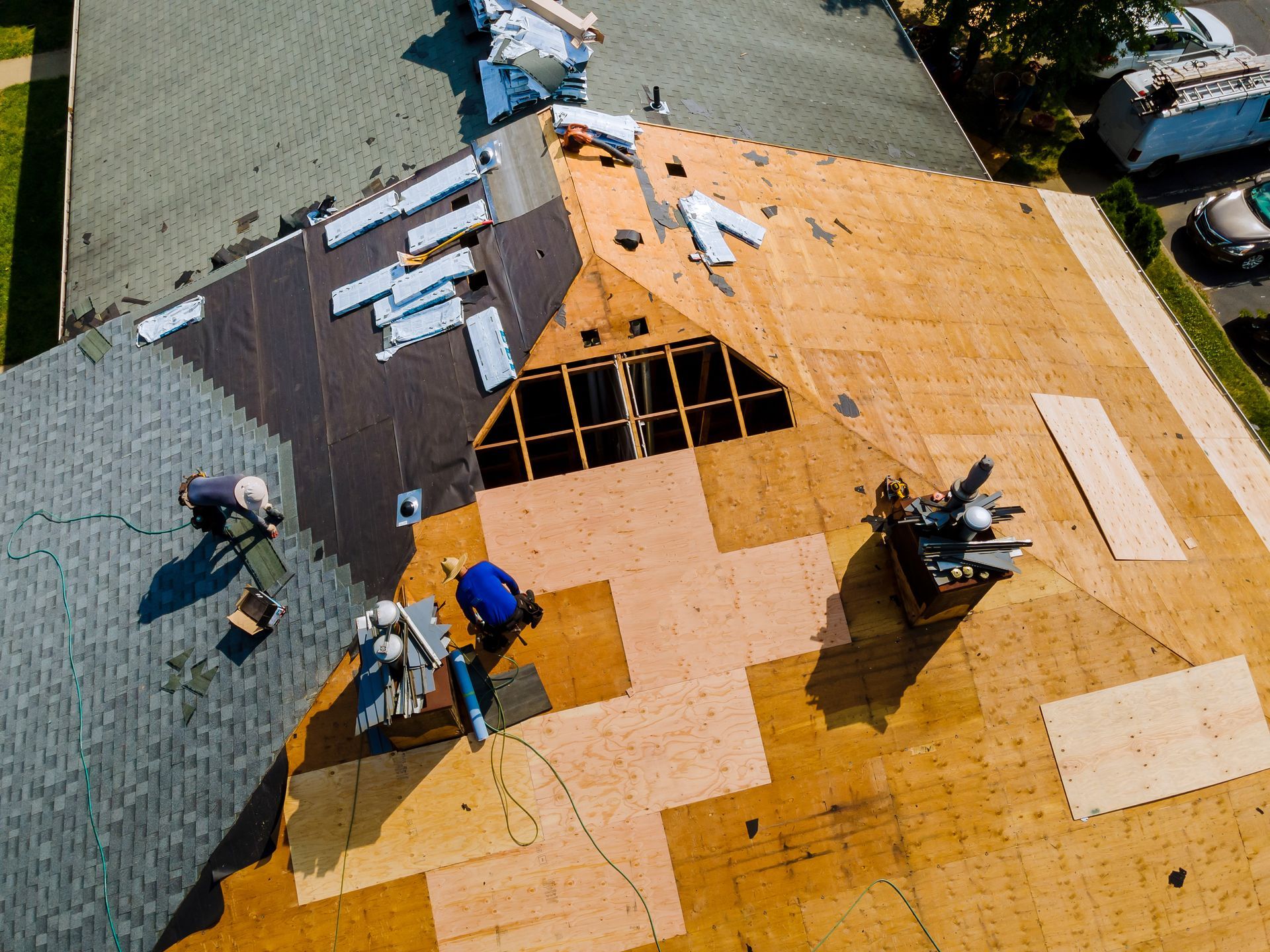
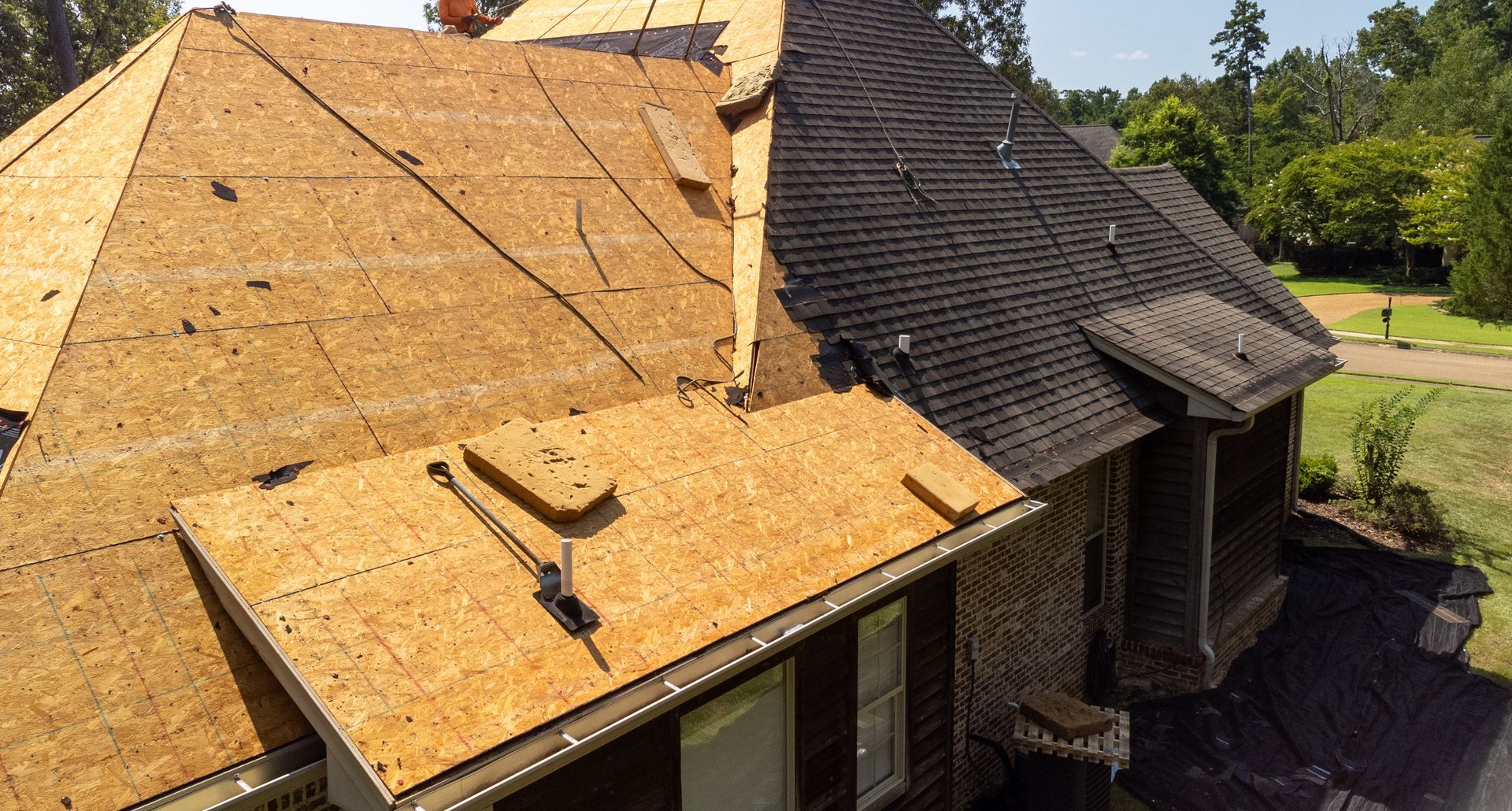
The crew removes the existing roofing materials so the underlying structure can be evaluated.
This tear-off phase can be one of the messier portions of the project, but it allows the roofing team to identify conditions that weren't visible during the initial inspection.
Step 3: Inspect the Roof Deck
With the old roofing removed, the roof deck can be examined.
Damaged sections may need to be replaced or repaired before the new roofing materials are installed.
This is also one reason a contractor may give you an estimated completion window rather than guaranteeing that every replacement will take exactly one day.
Step 4: Install the Roofing System
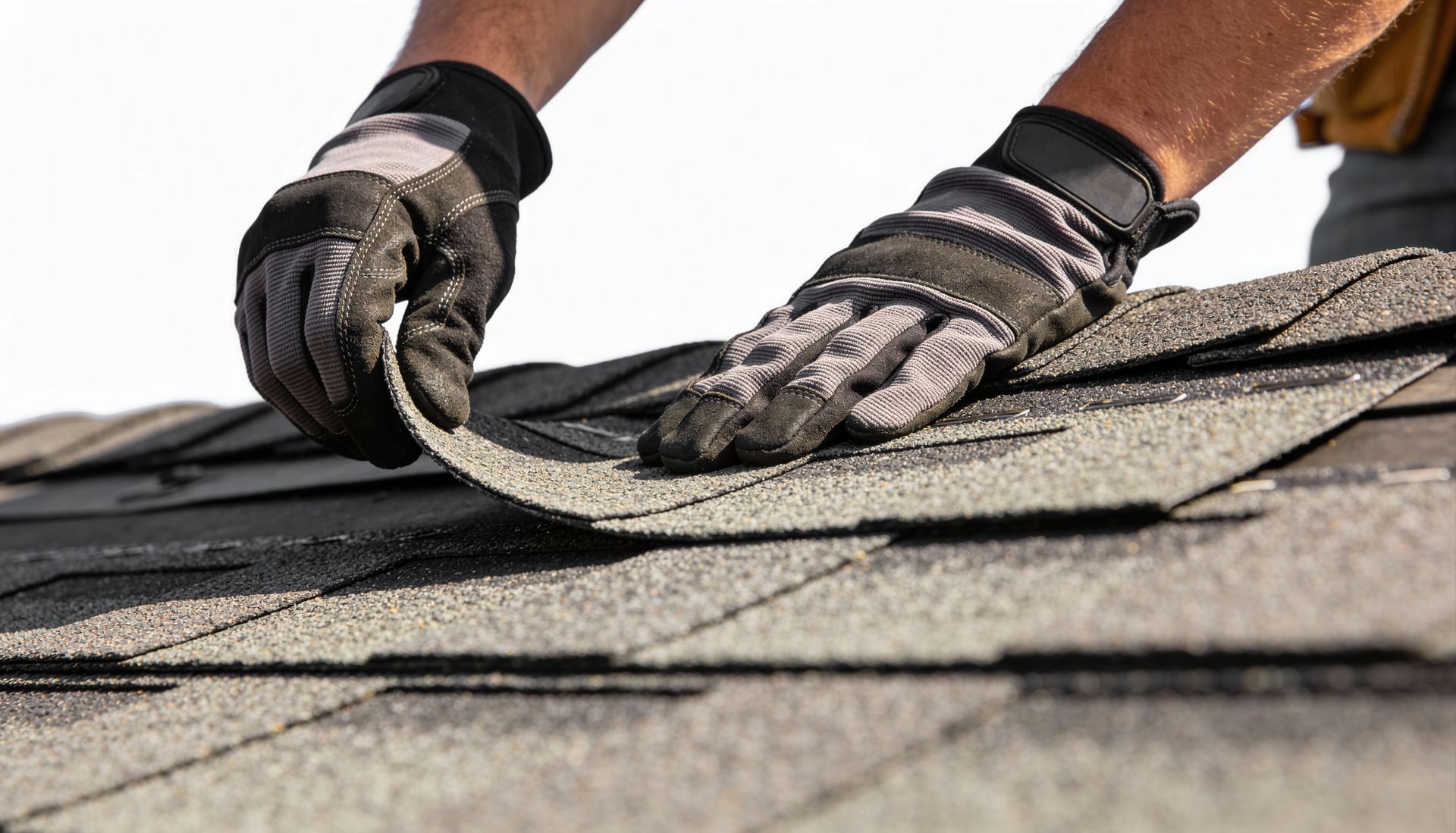
Once the roof is properly prepared, installation of the new system begins.
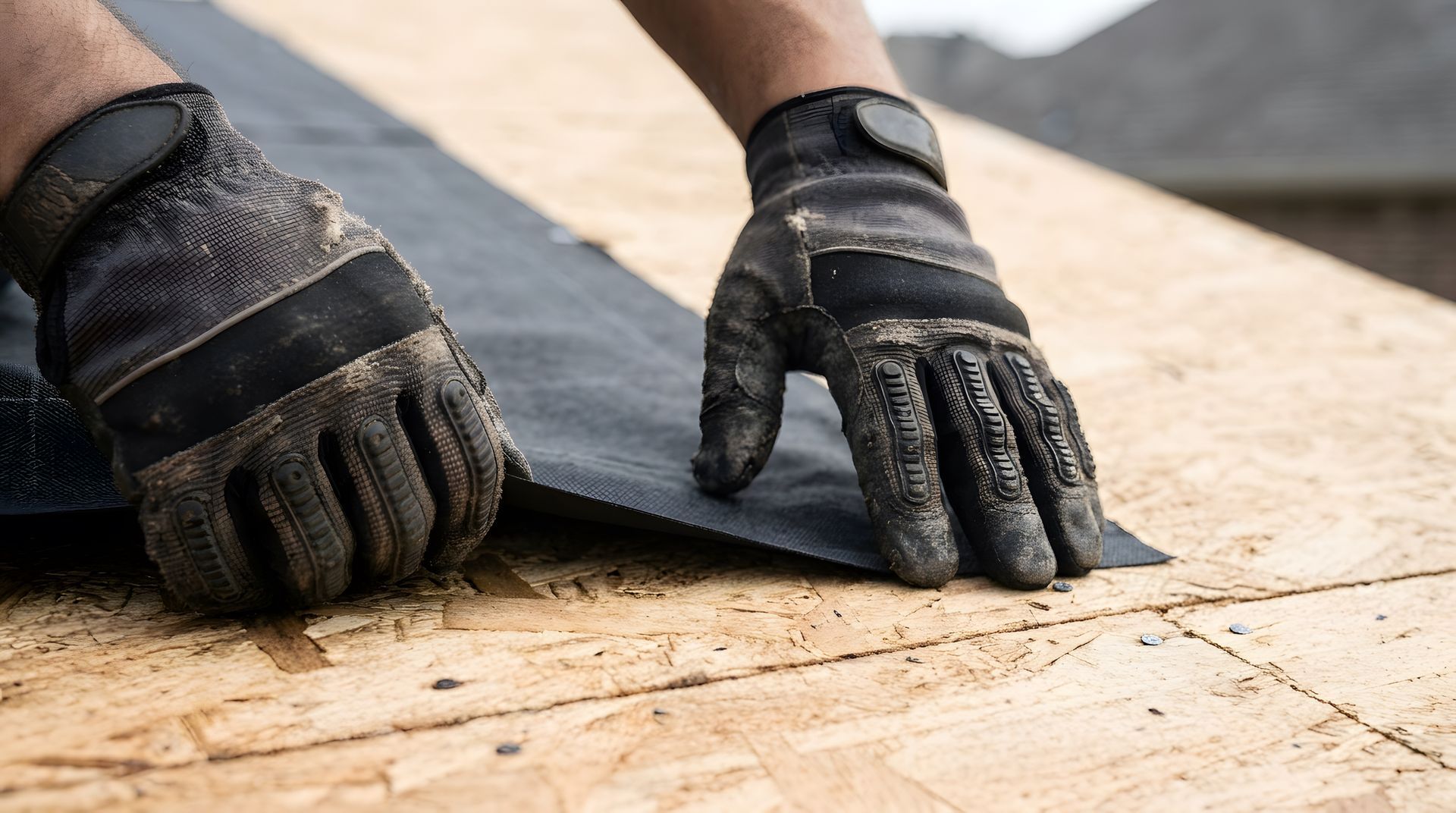
Depending on the roofing system, the work can involve underlayment, water-protection components, flashing, starter materials, shingles or other roof coverings, ridge components, and ventilation.
Each part of the system contributes to how the finished roof manages water and protects the home.
Step 5: Clean Up and Complete the Final Inspection
A professional roof replacement isn't finished when the final shingle is installed.
The property should be cleaned, roofing debris removed, and the completed roof inspected. Overmyer Roofing's installation process includes cleanup and a final walkthrough to confirm that the project has been completed properly.
Can a Roof Really Be Replaced in One Day?
Yes, some residential roofs can be replaced in one day, but homeowners shouldn't assume every project will be.
A relatively simple asphalt shingle roof with good access, favorable weather, an experienced crew, and no significant underlying damage may move very quickly.
A larger or more complicated roof could require several days.
The better question to ask your contractor is:
“How long do you expect my specific roof replacement to take, and what could change that timeline?”
That gives you a much more useful answer than relying on a generic estimate.
Should You Stay Home During Roof Replacement?
You can often remain home while a roof is being replaced, but you should expect significant noise and activity.
Tearing off roofing materials and installing a new roof involves footsteps, tools, equipment, and repeated fastening directly above your living space. Anyone who works from home, has small children, or has pets sensitive to noise may prefer to make other arrangements during the busiest portions of installation.
Before work begins, ask your contractor about:
- Expected start and finish times
- Where you should park
- Areas of the property to avoid
- How pets should be secured
- Where materials and disposal equipment will be placed
- Who to contact with questions during installation
A little preparation can make installation day much easier.
How Can You Prepare for a Faster, Smoother Roof Replacement?
Homeowners can't control every factor, especially weather or hidden decking damage, but preparation can help prevent avoidable delays.
Before your scheduled installation:
- Move vehicles away from the work area.
- Clear outdoor furniture and decorations near the house.
- Secure pets indoors or make other arrangements.
- Remove fragile items from walls or shelves if you're concerned about vibration.
- Make sure gates and other necessary access points are available.
- Confirm material selections before installation day.
- Discuss special property concerns with your roofing contractor ahead of time.
Owens Corning's roof replacement process guide also recommends clearing potential obstructions around the work area and discussing roof access with your contractor before installation.
Why Is a Professional Installation Worth the Time?
When your roof protects your home from rain, snow, wind, and seasonal temperature changes, speed shouldn't be the only measure of a successful project.
Correct installation matters.
A properly planned roof replacement allows time to remove deteriorated materials, inspect the underlying roof deck, address vulnerable areas, install the roofing system correctly, and complete a thorough cleanup.
Pennsylvania homeowners should also understand contractor requirements. The Commonwealth explains that most home improvement contractors performing residential work must register with the Pennsylvania Attorney General's Office under the Home Improvement Consumer Protection Act. You can learn more through the
Pennsylvania contractor licensing and registration guidance when evaluating a contractor.
Choosing an experienced roofing company can help ensure that efficiency doesn't come at the expense of workmanship.