Roof Flashing Types: Step Flashing, Counterflashing, and More
Roof shingles are one of the most visible parts of a roofing system, but they aren't the only materials responsible for keeping water out of your home. Roof flashing plays an essential role in protecting areas where shingles meet walls, chimneys, vents, skylights, and other roofing features.
The most common types of roof flashing include step flashing, counterflashing, apron flashing, valley flashing, drip edge flashing, and pipe flashing. Each serves a different purpose, helping direct rainwater and melting snow away from vulnerable areas of the roof.
Understanding how these components work can help homeowners recognize potential problems and know when to schedule professional roofing repairs.
What Is Roof Flashing and Why Is It Important?
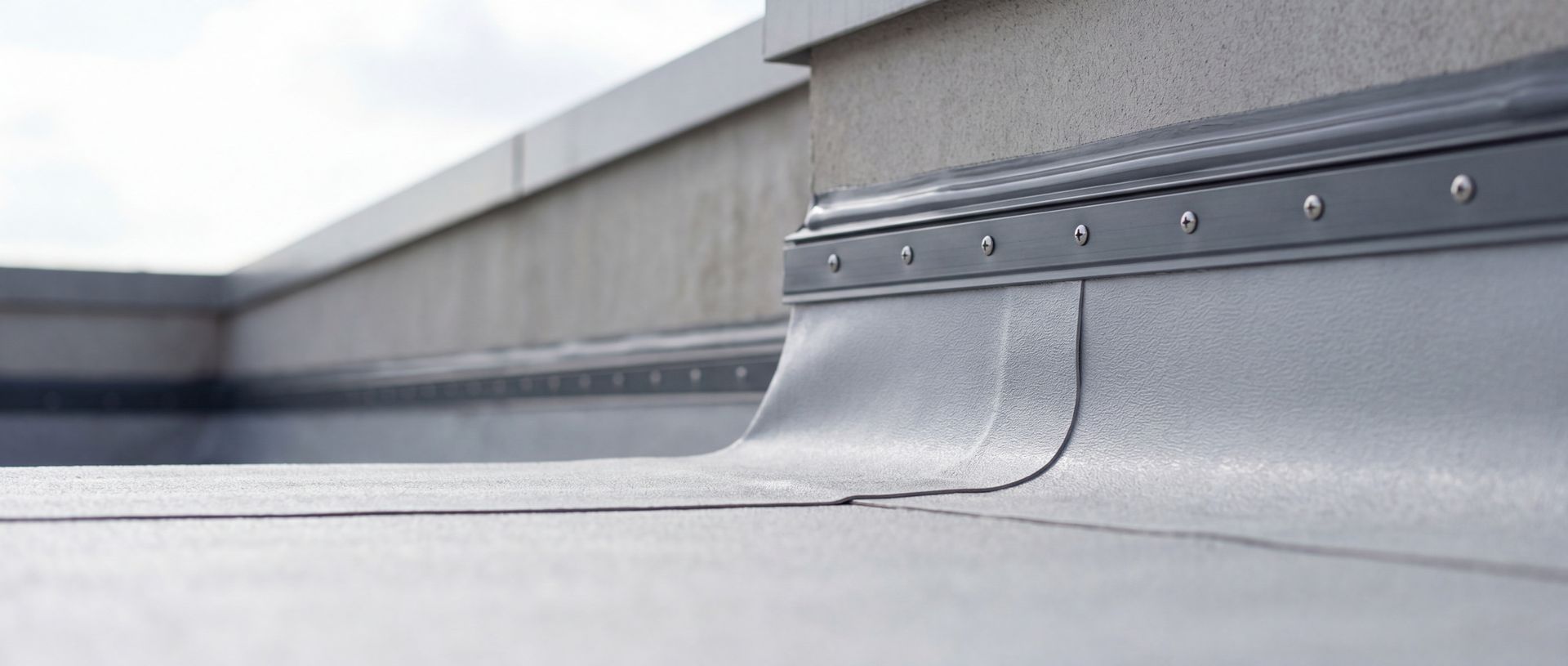
Roof flashing is a water-shedding component, typically made from metal, installed around roof intersections, penetrations, and edges where additional protection is needed.
Although shingles help shed water across the main roof surface, certain areas require specialized materials to manage water flow.
These areas include:
- Chimneys
- Roof-to-wall intersections
- Plumbing vent pipes
- Skylights
- Roof valleys
- Roof edges
- Dormers and other roof projections
Flashing helps guide water onto the roofing surface or into the appropriate drainage path rather than allowing it to enter gaps between building materials.
When flashing becomes damaged, loose, corroded, or improperly installed, water may penetrate the roofing system and cause leaks.
For a broader explanation of roofing components, explore our guide to the parts of a residential roofing system.
What Are the Different Types of Roof Flashing?
Different roof areas require different flashing designs. The correct type depends on the roof's configuration, the materials being installed, and the location where water needs to be redirected.
1. Step Flashing
Step flashing is commonly installed where a sloped shingle roof meets a vertical sidewall, such as the wall of a dormer or an adjoining section of a home.
It consists of individual, typically L-shaped metal pieces that are integrated with successive courses of shingles.
Each piece overlaps the one below it, creating a layered system that helps direct water down the roof.
Where step flashing is used:
- Dormer sidewalls
- Roof-to-wall intersections
- Certain chimney sidewalls
- Other sloped roof sections adjoining vertical walls
Step flashing works with the shingles to create a water-shedding assembly.
If individual pieces are missing, incorrectly overlapped, or damaged, water may enter behind the roofing materials.
2. Counterflashing
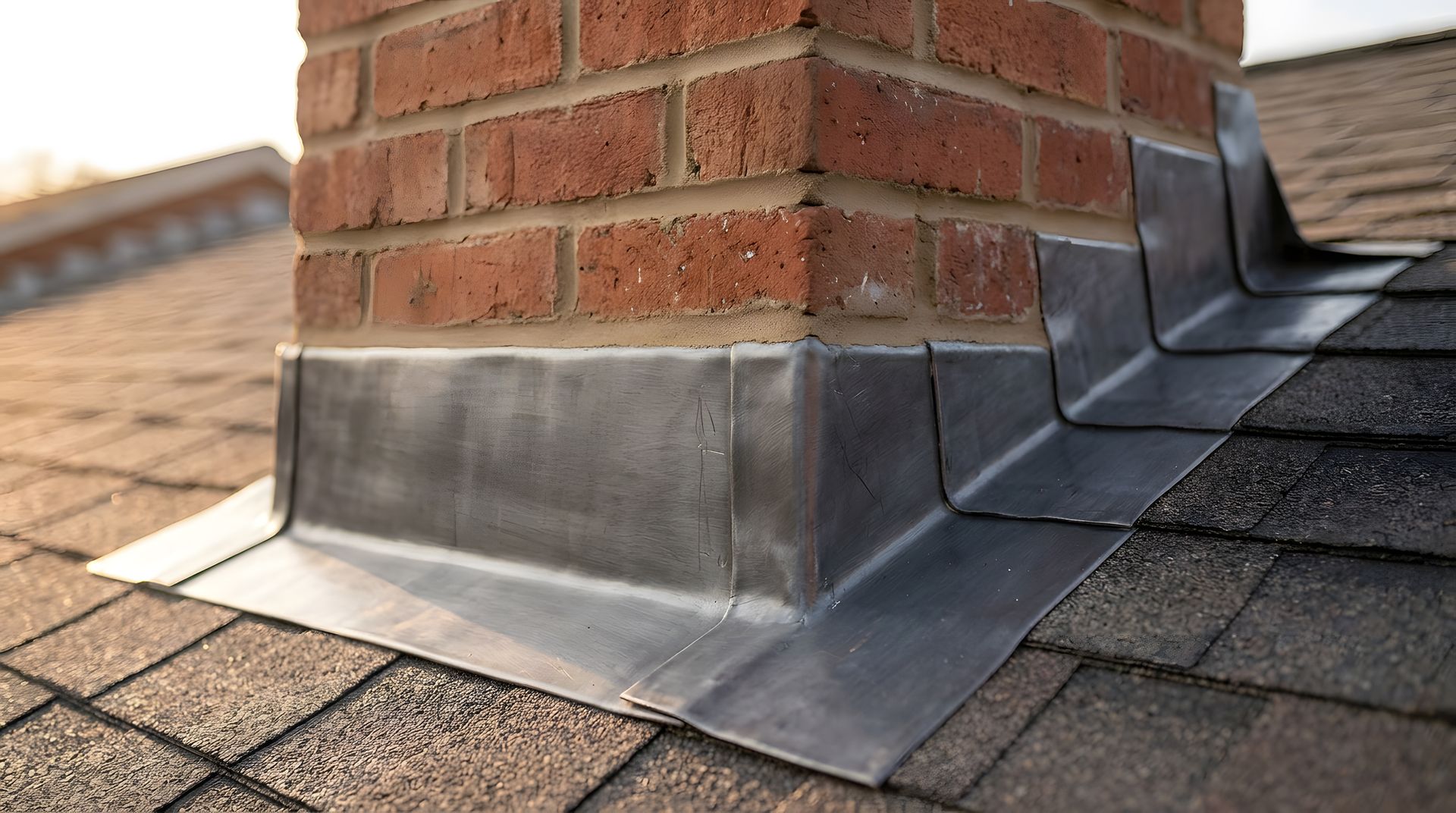
Counterflashing is installed over base flashing or step flashing to help protect the upper edge of the flashing assembly.
It is particularly common around masonry chimneys.
For example, step flashing may protect the intersection between a chimney sidewall and the roof, while counterflashing covers the upper portions of those pieces.
This layered arrangement helps prevent water from entering behind the flashing.
Where counterflashing is used:
- Masonry chimneys
- Certain masonry wall intersections
- Roof-to-wall connections requiring a separate upper flashing component
Proper counterflashing installation is especially important because water can enter through poorly sealed joints or incorrectly installed metal.
Depending on the assembly, counterflashing may be installed into a masonry joint or reglet and detailed to shed water over the base flashing.
Simply applying caulk over deteriorated flashing is not necessarily a permanent repair.
3. Apron Flashing
Apron flashing, sometimes called front-wall flashing or headwall flashing depending on its application, is used where a roof meets the front or lower-facing side of a vertical structure.
One common example is the downhill side of a chimney.
The flashing extends from the vertical surface onto the roof, helping direct water away from the intersection.
Common applications include:
- The downhill side of chimneys
- Certain roof-to-wall intersections
- Some dormer and roof projection details
Apron flashing must be integrated correctly with adjacent roofing materials so water flows over the flashing rather than beneath it.
The exact configuration depends on the roof design and the manufacturer's installation requirements.
4. Valley Flashing
A roof valley is the area where two sloping roof planes meet and channel water toward the roof edge.
Because valleys collect runoff from multiple roof sections, they can experience concentrated water flow during heavy rainfall and snowmelt.
Valley flashing is commonly used in open metal valley systems, where exposed metal directs water down the valley.
Some roofing systems use closed-cut or woven valley configurations instead, with different underlayment and installation requirements.
Why valley flashing matters:
- It helps manage concentrated roof runoff.
- It protects a vulnerable roof intersection.
- It supports proper drainage during rain and snowmelt.
- It helps reduce the risk of water intrusion when installed correctly.
Damaged or improperly detailed valleys can become a source of recurring roof leaks.
GAF provides roofing professionals with technical guidance on proper steep-slope roofing installation, including important roofing details and water-shedding practices.
5. Drip Edge Flashing
Drip edge flashing is a metal component installed along roof edges.
Its purpose is to help direct water away from vulnerable roof-edge materials and into the intended drainage path.
Drip edge is commonly installed at the eaves and rakes of asphalt shingle roofs.
Benefits of properly installed drip edge include:
- Helping protect roof decking edges
- Directing runoff away from fascia and other roof-edge materials
- Supporting proper shingle-edge detailing
- Reducing the risk of water reaching vulnerable roof-edge components
Drip edge placement and overlap requirements vary depending on whether it is installed at the eaves or rakes and the roofing system being used.
For this reason, it should be installed according to applicable building codes and the roofing manufacturer's instructions.
6. Pipe Boot Flashing
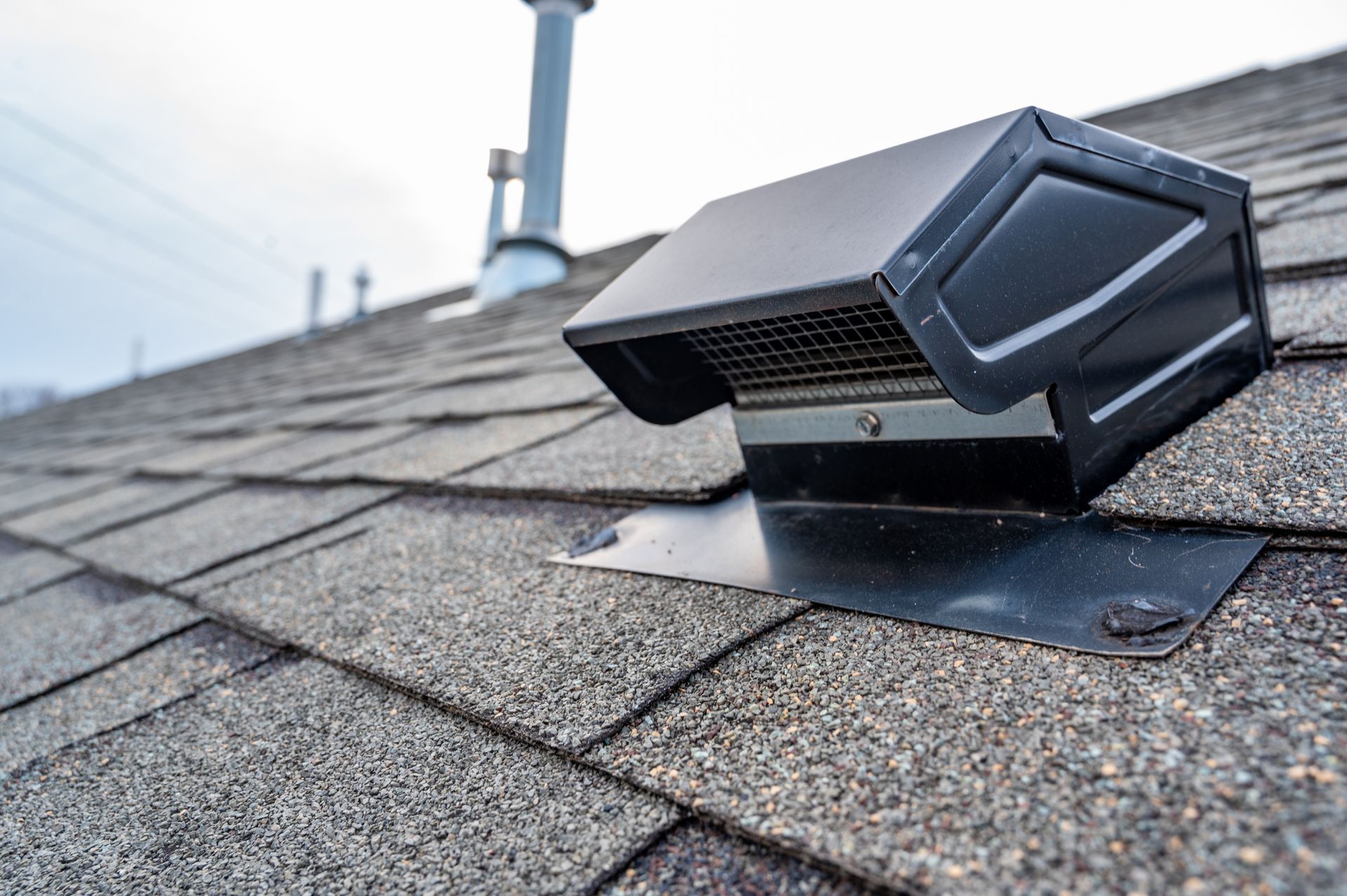
Pipe boot flashing is used around plumbing vent pipes and certain other roof penetrations.
These flashing assemblies commonly include a metal or other compatible base and a flexible collar that fits around the pipe.
The flashing helps seal the opening where the pipe passes through the roofing system while directing water away from the penetration.
Over time, some pipe boot collars can crack, deteriorate, or lose their ability to maintain a watertight seal.
Warning signs of pipe flashing problems include:
- Cracked or split rubber collars
- Loose flashing bases
- Visible gaps around vent pipes
- Water stains near plumbing vent locations
- Deteriorated sealant or surrounding roofing materials
Pipe flashing problems can sometimes be repaired without replacing the entire roof, depending on the condition of the surrounding materials.
7. Skylight Flashing
Skylights require carefully designed flashing systems to protect the intersection between the skylight frame or curb and the roofing materials.
Depending on the skylight and roof design, these systems may include step flashing, head flashing, sill flashing, and other manufacturer-specific components.
Some skylights use prefabricated flashing kits designed for particular roof materials and pitches.
Proper installation is important because skylights interrupt the continuous roof surface.
Water stains around a skylight may indicate flashing problems, but condensation, glazing issues, or other skylight defects can also contribute to moisture.
A professional inspection can help determine the actual cause.
8. Kickout Flashing
Kickout flashing is installed at the lower end of certain roof-to-wall intersections.
Its purpose is to redirect water away from the adjoining wall and toward the gutter or other intended drainage path.
Without properly installed kickout flashing, water traveling down the roof-to-wall intersection may run behind siding or along the exterior wall.
Over time, this can contribute to moisture damage in wall assemblies.
Kickout flashing is particularly important where a sloped roof terminates against an exterior wall.
Because the water may enter behind siding, problems are not always immediately visible from inside the home.
What Is the Difference Between Step Flashing and Counterflashing?
Step flashing and counterflashing are often used together, but they serve different purposes.
Step flashing consists of individual overlapping pieces installed with shingle courses along certain roof-to-wall intersections. It helps carry water down the roof.
Counterflashing covers the upper portion of the underlying flashing assembly, helping prevent water from entering behind it.
Around a masonry chimney, these components can work together to create a layered water-shedding system.
Neither should be considered interchangeable with the other when the roofing detail requires both.
For more information about problems around chimney intersections, read our article on common causes of chimney roof leaks.
What Materials Are Used for Roof Flashing?
Roof flashing can be manufactured from several materials, depending on the application and roofing system.
Common materials include:
- Galvanized steel: A commonly used metal flashing material with a protective zinc coating.
- Aluminum: Lightweight and corrosion-resistant in appropriate applications.
- Copper: Durable and often used in specialty or architectural roofing details.
- Stainless steel: Used where particular durability or corrosion-resistance requirements apply.
- Flexible flashing materials: Used in certain penetrations, transitions, or manufacturer-designed flashing assemblies.
Material compatibility is important. Certain metals should not be installed in direct contact with incompatible materials because corrosion or other deterioration may occur.
The correct flashing material also depends on roof type, installation requirements, local conditions, and the manufacturer's specifications.
How Can You Tell if Roof Flashing Is Damaged?
Damaged flashing is not always easy to identify from the ground.
However, homeowners may notice warning signs around vulnerable roofing areas.
Common Signs of Roof Flashing Problems
- Water stains near chimneys, skylights, or exterior walls
- Rusted or visibly corroded metal flashing
- Loose or displaced flashing pieces
- Cracked or deteriorated pipe boot collars
- Gaps around roof penetrations
- Recurring leaks during heavy rainfall or snowmelt
- Moisture damage around dormers or roof-to-wall intersections
Water can travel along roofing components before becoming visible indoors, so the location of an interior stain does not always reveal the exact source of the leak.
If you notice these warning signs, consider scheduling professional roof inspection services to identify the source of the problem.
Can Damaged Roof Flashing Be Repaired?
Yes. Many roof flashing problems can be repaired without replacing the entire roofing system.
The appropriate repair depends on the flashing type, the extent of the damage, and the condition of the surrounding roofing materials.
Possible repairs may include:
- Replacing damaged step flashing
- Repairing or replacing chimney counterflashing
- Replacing deteriorated pipe boots
- Correcting improperly installed flashing
- Replacing damaged roofing materials around a penetration
- Addressing deteriorated roof-to-wall connections
However, simply applying roofing cement or sealant over damaged flashing may not address the underlying issue.
Long-lasting repairs generally require correcting the defective flashing detail and restoring the proper water-shedding arrangement.
Overmyer Roofing provides professional roof repair services to help homeowners address leaks and other roofing problems.
Does Roof Flashing Need to Be Replaced During a Roof Replacement?
Roof flashing should be carefully evaluated during a roof replacement.
Some existing metal flashing may remain serviceable, but other components may be damaged, deteriorated, improperly installed, or unsuitable for reuse.
Whether flashing can be reused depends on its condition, the new roofing system, manufacturer instructions, and applicable code requirements.
Certain flashing components may also be difficult to remove and reinstall without damage.
A professional roofing contractor should evaluate the entire flashing system rather than assuming all existing materials can be reused.
When planning a new roof, learn more about roof replacement services and the importance of properly installed roofing components.
How Does Roof Flashing Help Prevent Winter Roof Leaks?
Roof flashing is important throughout the year, but winter weather can place additional demands on vulnerable roof intersections.
Snow accumulation, melting snow, freezing temperatures, and repeated freeze-thaw cycles can expose existing flashing defects.
For example, water from melting snow may reach a damaged chimney flashing joint or deteriorated pipe boot and enter the roofing system.
Flashing also works alongside underlayment, shingles, and other roofing materials to help protect vulnerable areas.
However, flashing alone cannot prevent every winter roofing problem. Proper attic ventilation, insulation, drainage, and overall roof condition also influence winter performance.
Homeowners should address known flashing defects before severe weather whenever possible.
What is the most common type of roof flashing?
Step flashing is one of the most common flashing types used on asphalt shingle roofs, particularly where sloped roof sections meet vertical sidewalls. Other common types include drip edge, pipe boot flashing, and chimney flashing.
What is the difference between step flashing and counterflashing?
Step flashing is installed in overlapping pieces along roof-to-wall intersections to direct water down the roof. Counterflashing covers the upper portion of underlying flashing to help prevent water from entering behind it.
Can roof flashing cause a leak?
Yes. Damaged, missing, deteriorated, or improperly installed flashing can allow water to enter around roof penetrations and intersections, potentially causing leaks and moisture damage.
How long does roof flashing last?
Roof flashing lifespan depends on the material, installation quality, environmental exposure, and maintenance. Some metal flashing can remain functional for decades, while flexible pipe boot collars and other components may deteriorate sooner.
Can roof flashing be replaced without replacing the entire roof?
Yes. Many flashing components can be repaired or replaced independently, depending on the condition of the surrounding shingles and roofing materials. A professional inspection can determine the appropriate repair.
Protect Your Home With Professional Roof Flashing Services
Roof flashing may be less noticeable than shingles, but it is an essential part of a properly functioning roofing system.
From step flashing and counterflashing to pipe boots and drip edges, each component helps manage water around vulnerable roofing areas.
If your home has recurring leaks near a chimney, skylight, vent pipe, or roof-to-wall intersection, damaged flashing may be contributing to the problem.
Overmyer Roofing serves homeowners throughout Northeast Pennsylvania, including Monroe County, Northampton County, and surrounding communities.
Our team can evaluate your roofing system, identify potential flashing problems, and recommend appropriate repairs or replacement solutions.
Contact Overmyer Roofing or call 570-656-5964 to discuss your roofing concerns and schedule a professional evaluation.