The Precision of Fastener
Placement and Pneumatic Depth Metrics
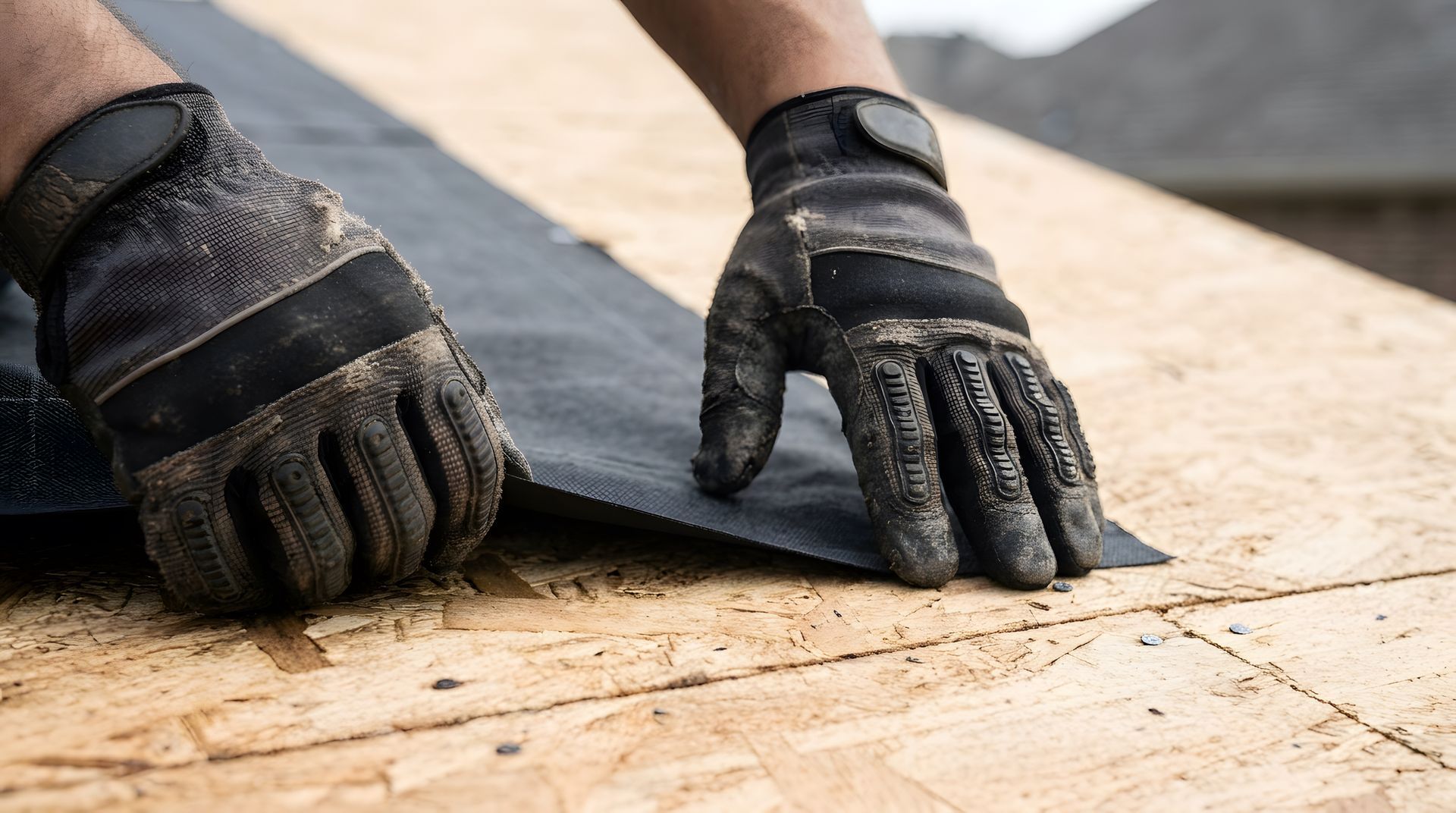
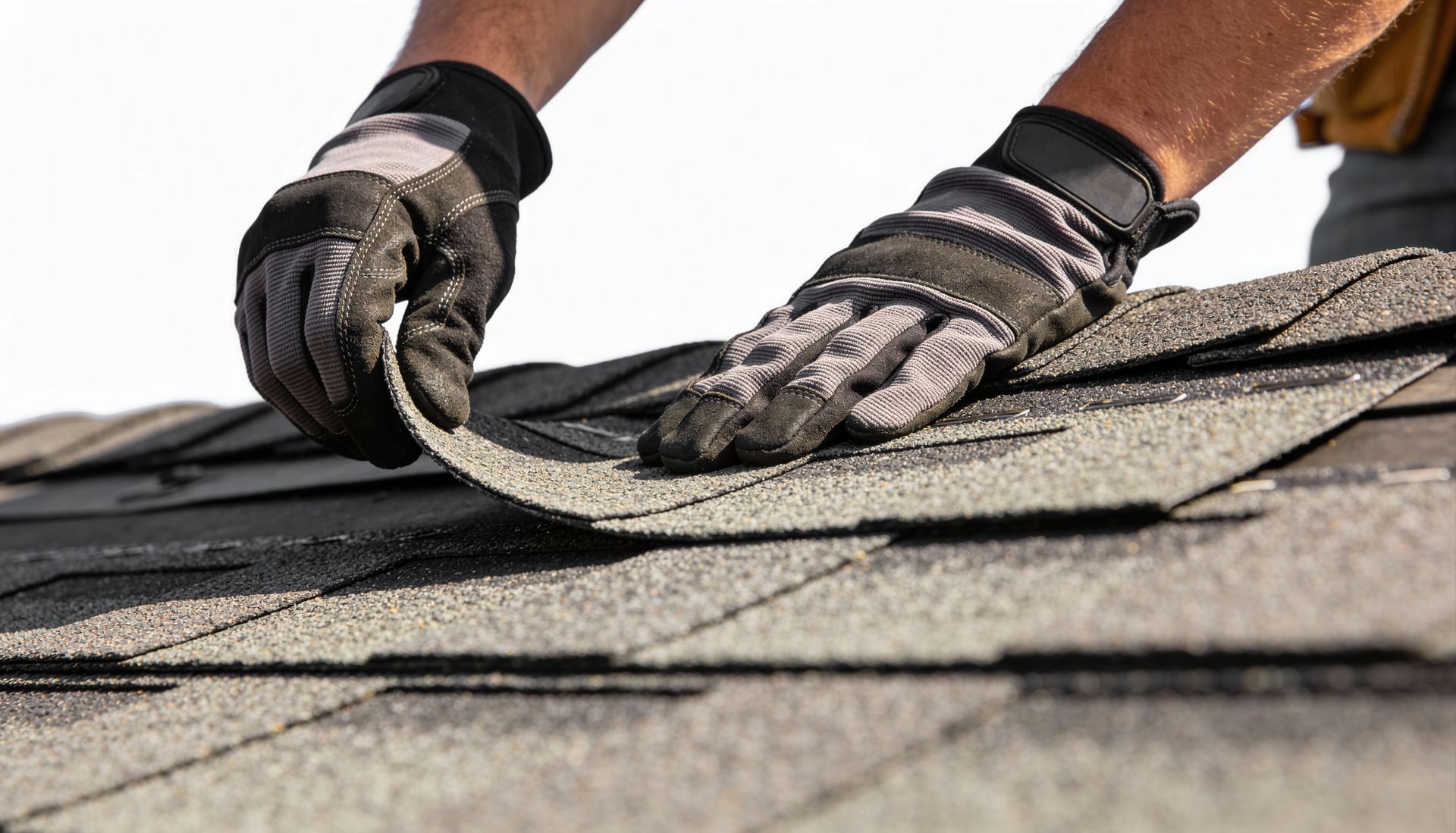
The structural integrity of a shingle installation is entirely dictated by the mechanical precision of its underlying fasteners. Roofing nails serve as the primary anchors holding the asphalt sheets against the wood roof deck, acting as the frontline defense against heavy wind uplift forces and structural blow-offs during severe storms. A comprehensive
roof inspection checklist requires physically examining the nail line to confirm that the proper quantity of fasteners was driven directly through the reinforced common-bond zone of each shingle.
The Physics of Fastener Depth
The exact mechanical depth at which pneumatic nail guns drive a fastener into the decking is just as critical as its physical location on the shingle face. If a compressor's air pressure is set too high, it leads to overdriven nails. Overdriven heads slice completely through the delicate fiberglass matting, destroying the nail's holding capacity and instantly voiding the manufacturer's wind warranty.
Conversely, if the air pressure is too low, underdriven nails occur. Underdriven fasteners feature heads that protrude upward, which physically prevents the overlapping shingle from dropping flush and engaging its thermal self-sealing adhesive strip. This leaves the entire course uniquely vulnerable to catching high winds and peeling away.
Why Straight Shingle Lines Dictate Structural Performance
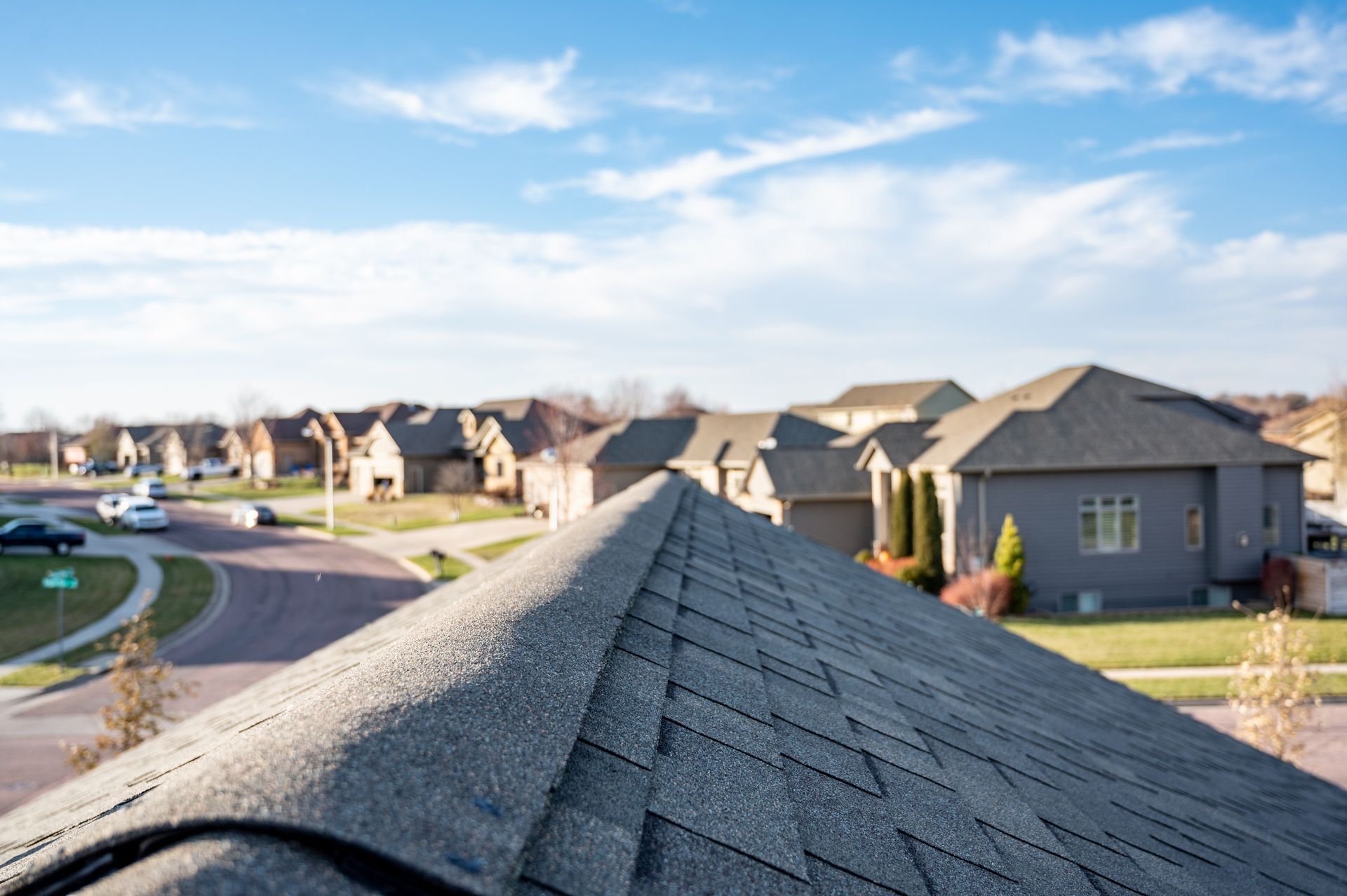
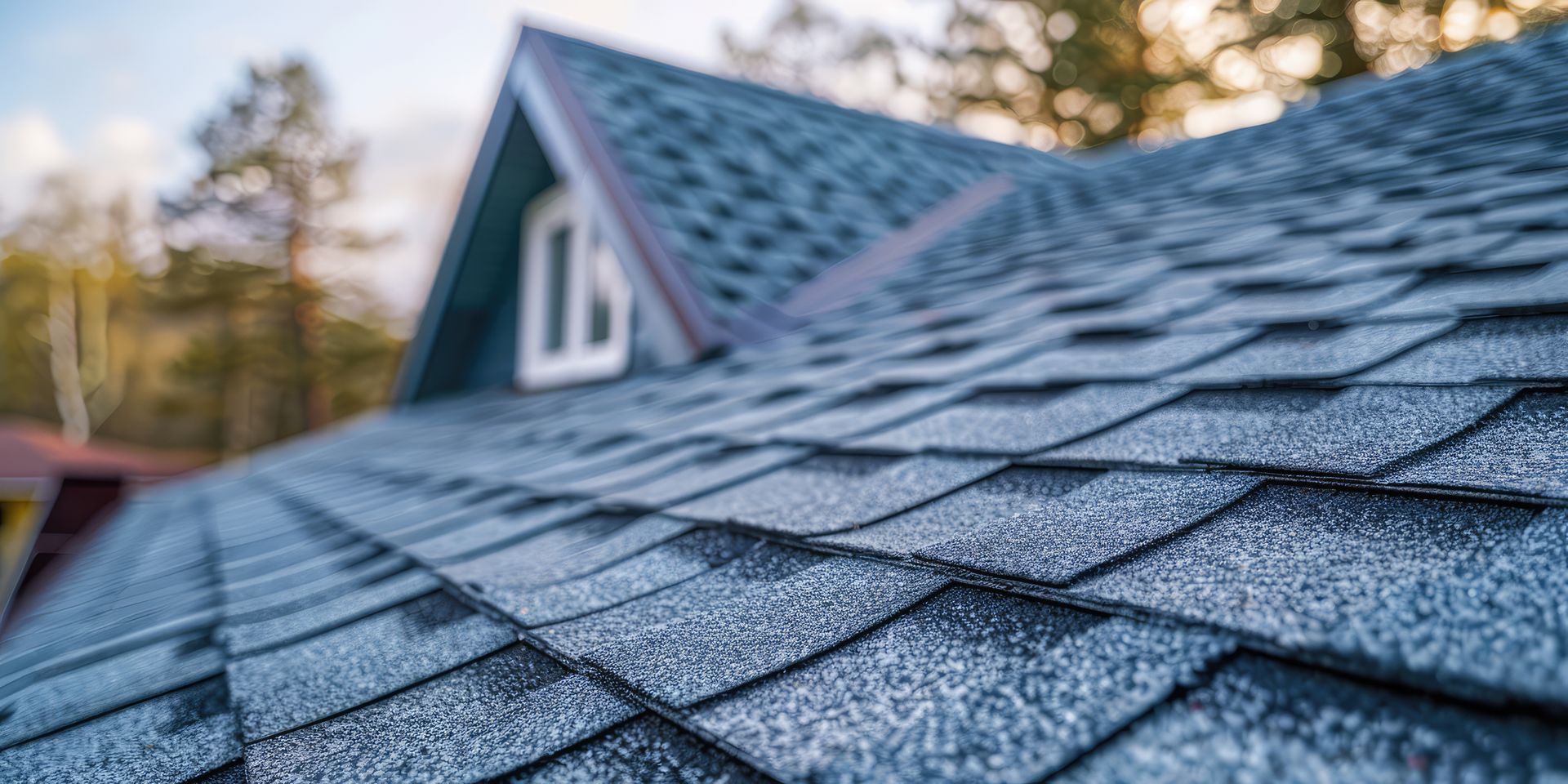
While crooked or misaligned shingles are an immediate threat to your home's curb appeal, maintaining perfectly linear
shingle lines is primarily a mechanical necessity. Modern architectural laminate shingles are designed with precise geometric offsets and overlapping dimensions to create a completely cohesive, watertight water-shedding system.
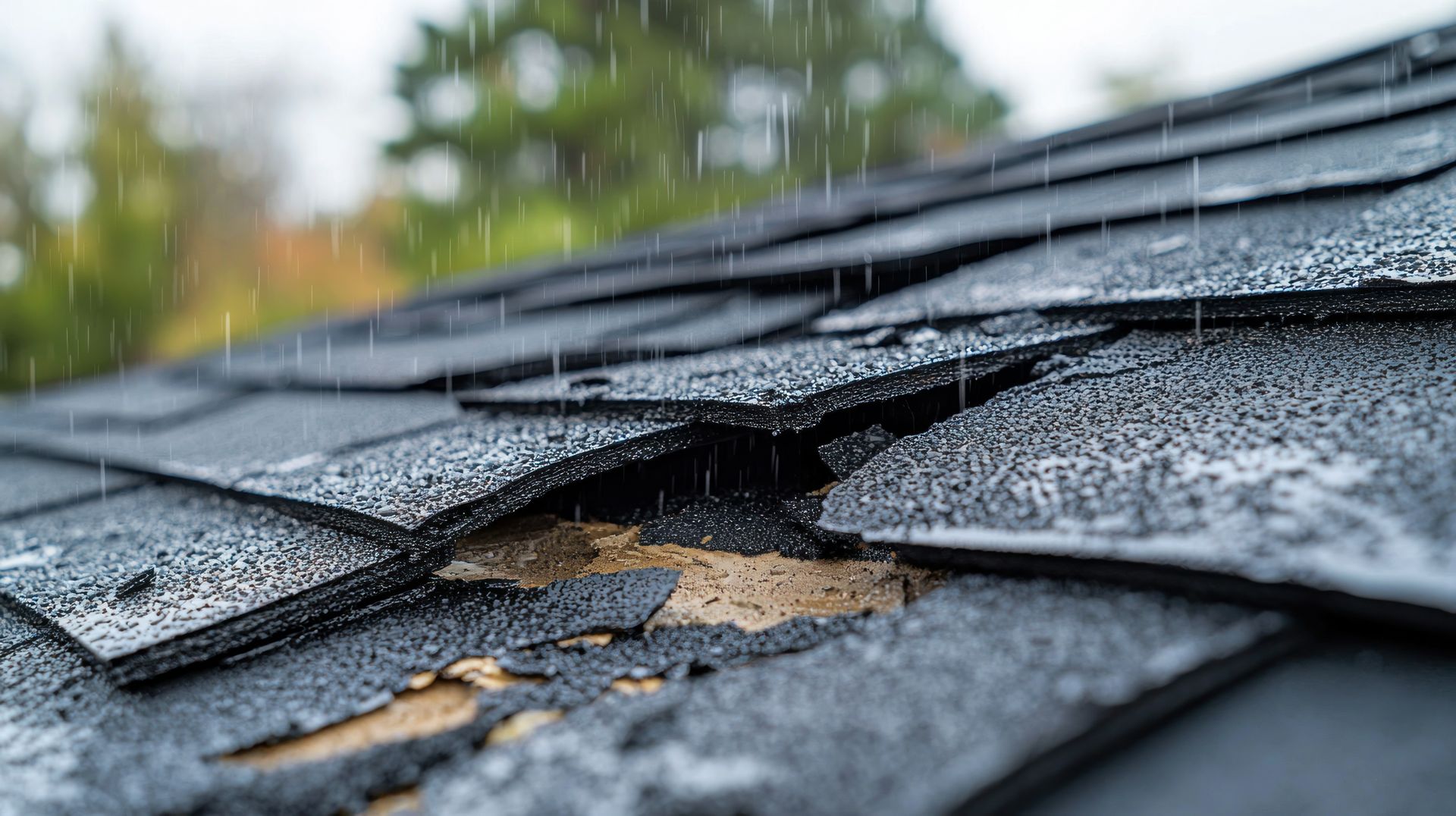
When a layout drifts off-parallel or skips straight-line chalking runs, the physical overlapping tolerances are severely compromised. This shift leaves structural seams exposed, channels rainwater directly toward exposed deck gaps, and causes uneven weathering. Evaluating your roof's global alignment from multiple sightlines confirms that the vertical and horizontal tracking remains perfectly uniform, guaranteeing that stormwater slides cleanly down the roof slope rather than backing up beneath the shingle edges.
Critical Intersections: Flashing Integrity and Penetration Seals
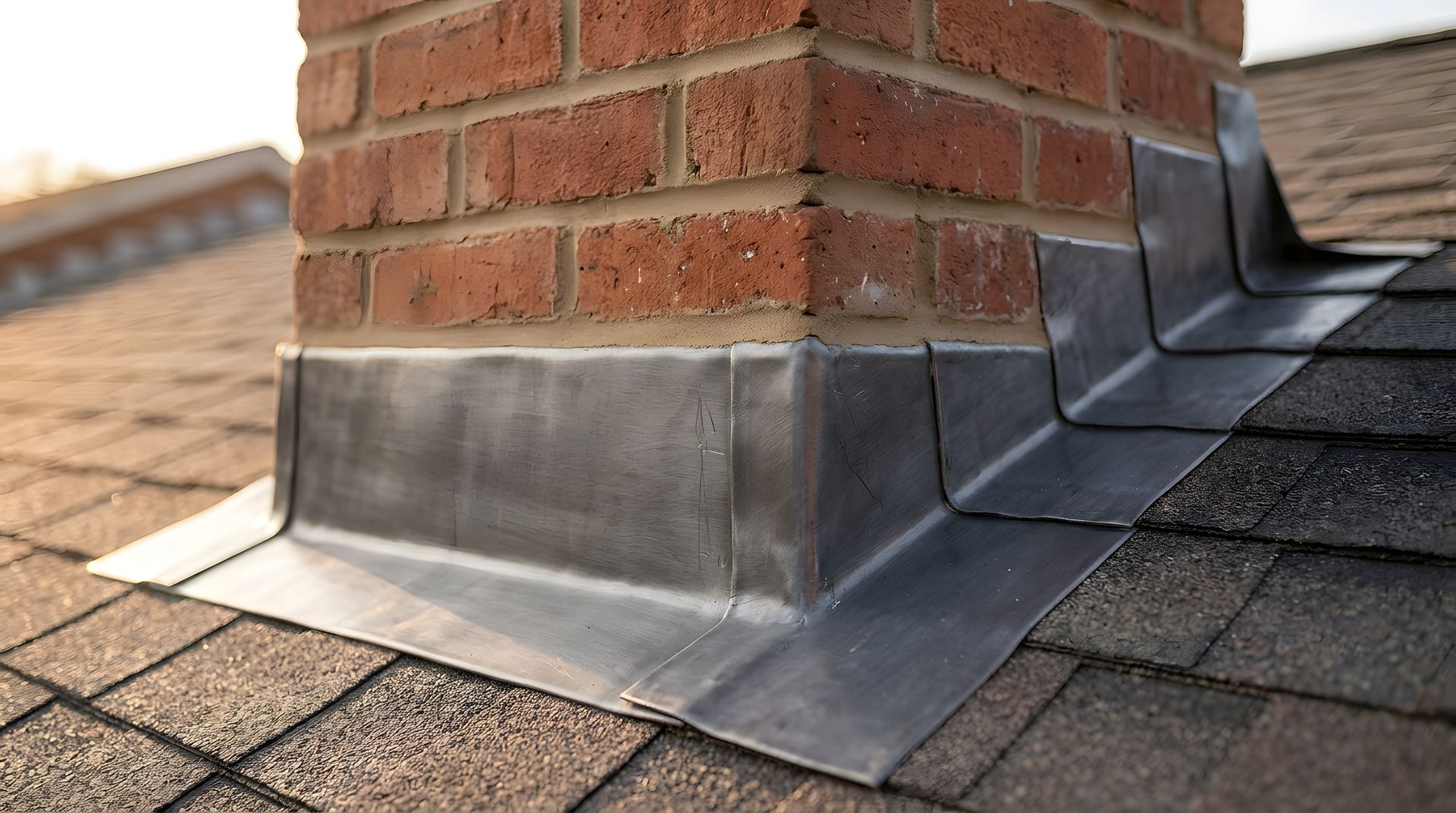
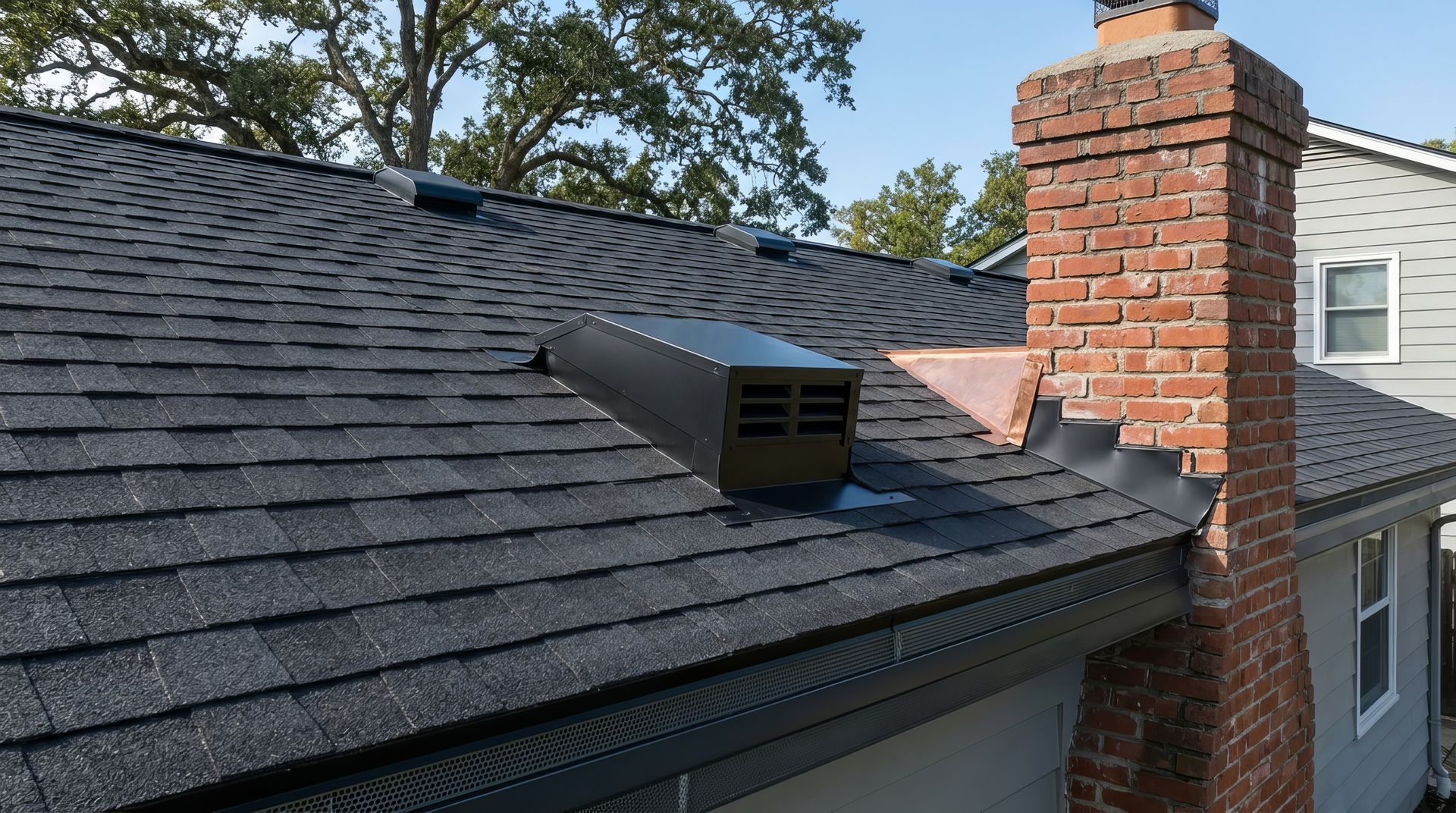
The vast majority of residential roof leaks do not originate in the flat field of shingles; they manifest at structural transition joints, vertical valleys, and roof penetrations. A premium quality assurance review demands a meticulous, close-up examination of all installed aluminum or copper flashing profiles. This includes evaluating step flashing along sidewalls, counter-flashing embedded inside chimney mortar, and seamless valley liners.
Improperly bent, overlapping, or nailed flashing remains the leading trigger for sudden, hidden interior drywall damage. Additionally, your inspection must verify that all plumbing boot penetrations, attic fans, and intake hoods are sealed using commercial-grade elastomeric sealants and heavy-duty collar rings. Ensuring these critical, high-risk intersection points are perfectly integrated prevents moisture from bypassing your
shingle installation and damaging your rafters.
Balancing Ventilation Dynamics and Final Site Remediation
A pristine exterior installation is completely useless if your attic space is trapping destructive heat and humidity from below. A professional post-roofing evaluation must review your global
roof ventilation
system to ensure it achieves a perfectly balanced intake and exhaust ratio. Technicians verify that fresh air intakes at the soffits are completely clear of insulation blockages and that ridge vents or motorized exhausts are venting air efficiently. Proper airflow drops summer attic temperatures below 150°F, preventing the shingles from baking from the inside out and stopping winter ice dams from forming.
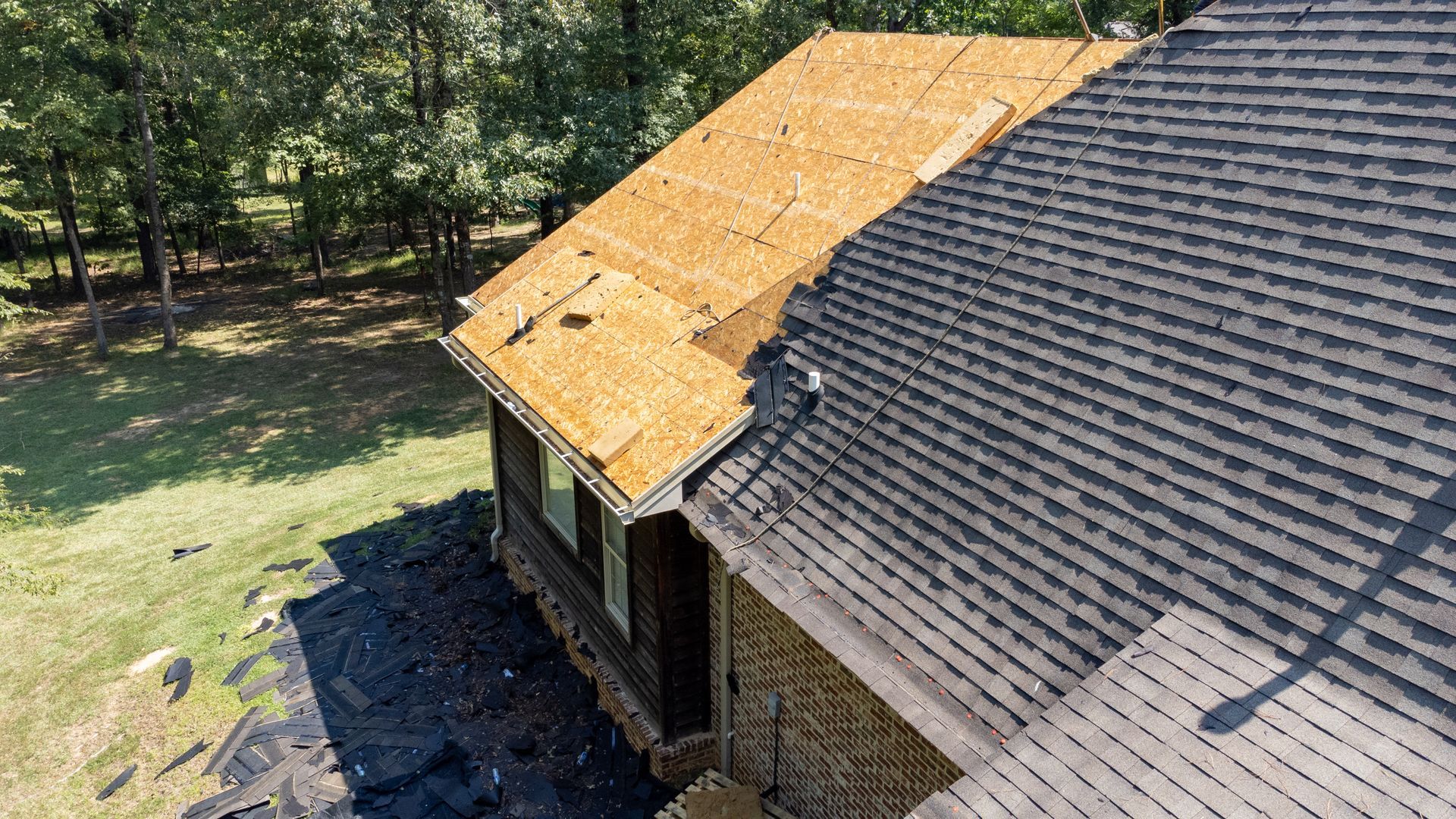
Finally, a true quality control blueprint extends all the way down to your lawn. Elite contractors treat your entire property as part of the worksite ecosystem. A thorough ground cleanup requires running high-power magnetic sweeps across your driveway, turf grass, and landscaping beds to gather dangerous stray roofing nails and metal shingle clippings. It also involves inspecting your gutters to clear away fallen aggregate granules, ensuring your home is left in immaculate structural and cosmetic condition.
Secure Your Investment with Overmyer Roofing
Your home's roof is a complex, multi-layered shield that requires total mechanical perfection to defend your family from the elements. Trusting the safety of your property to basic assumptions without performing an intentional, post-construction verification can leave hidden installation errors unaddressed until a costly interior leak occurs. True, long-lasting peace of mind requires formal, data-driven validation.
At
Overmyer Roofing, we reject cutting corners. Every residential installation we execute is automatically subjected to a comprehensive, multi-point
roof quality control inspection led by an independent project manager. We meticulously verify fastener depth calibrations, structural flashing geometry, and ventilation balance to guarantee your roof outperforms industry benchmarks. Secure the absolute full life-cycle of your home improvement investment—contact us today to lock in a comprehensive
roof inspections plan and discover the confidence of master-certified protection.