Why Asphalt Shingles Are More Delicate Than People Realize
A lot of homeowners think shingles are hard enough to withstand pressure washing because they protect the home from weather every day.
But
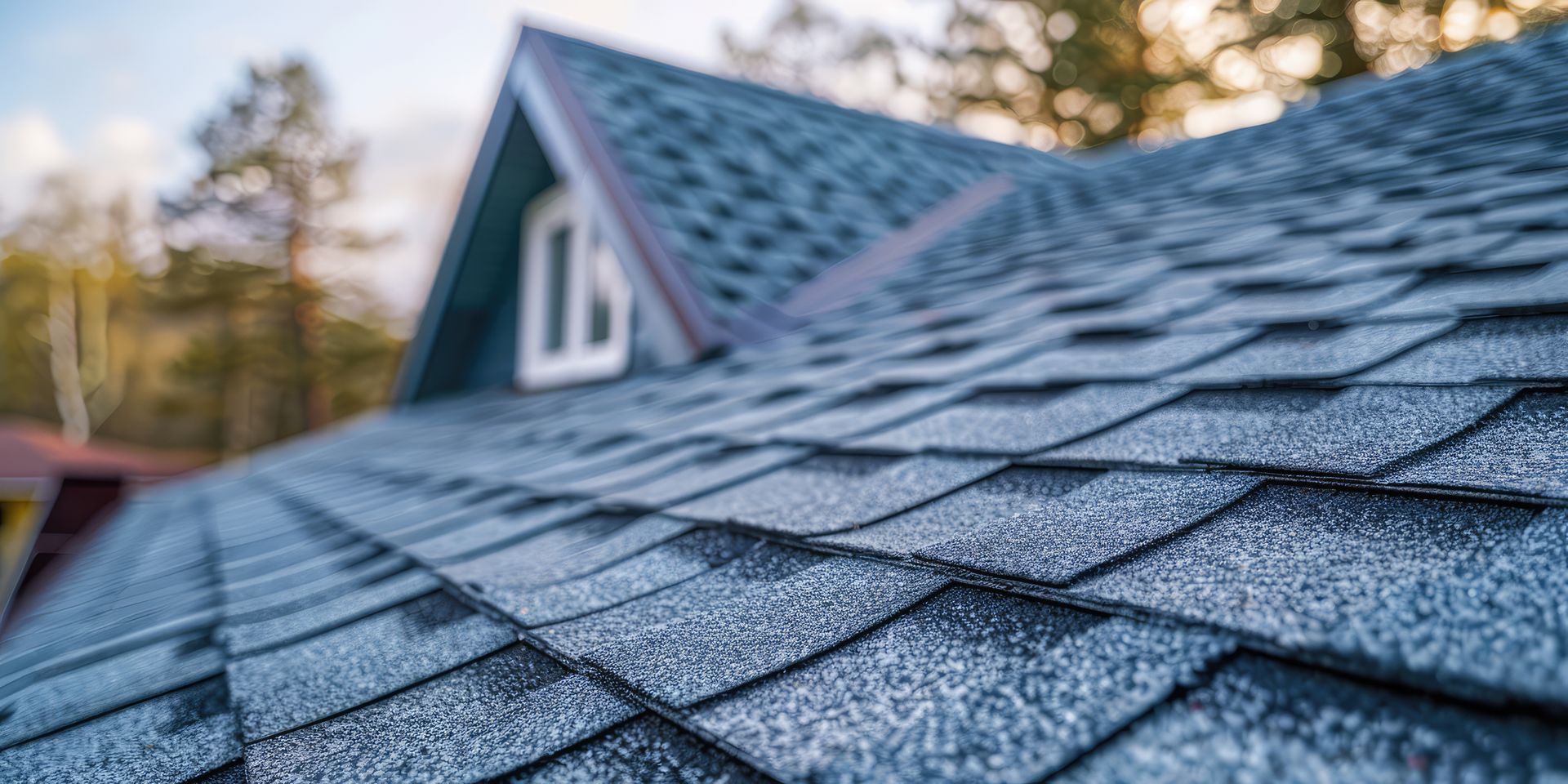
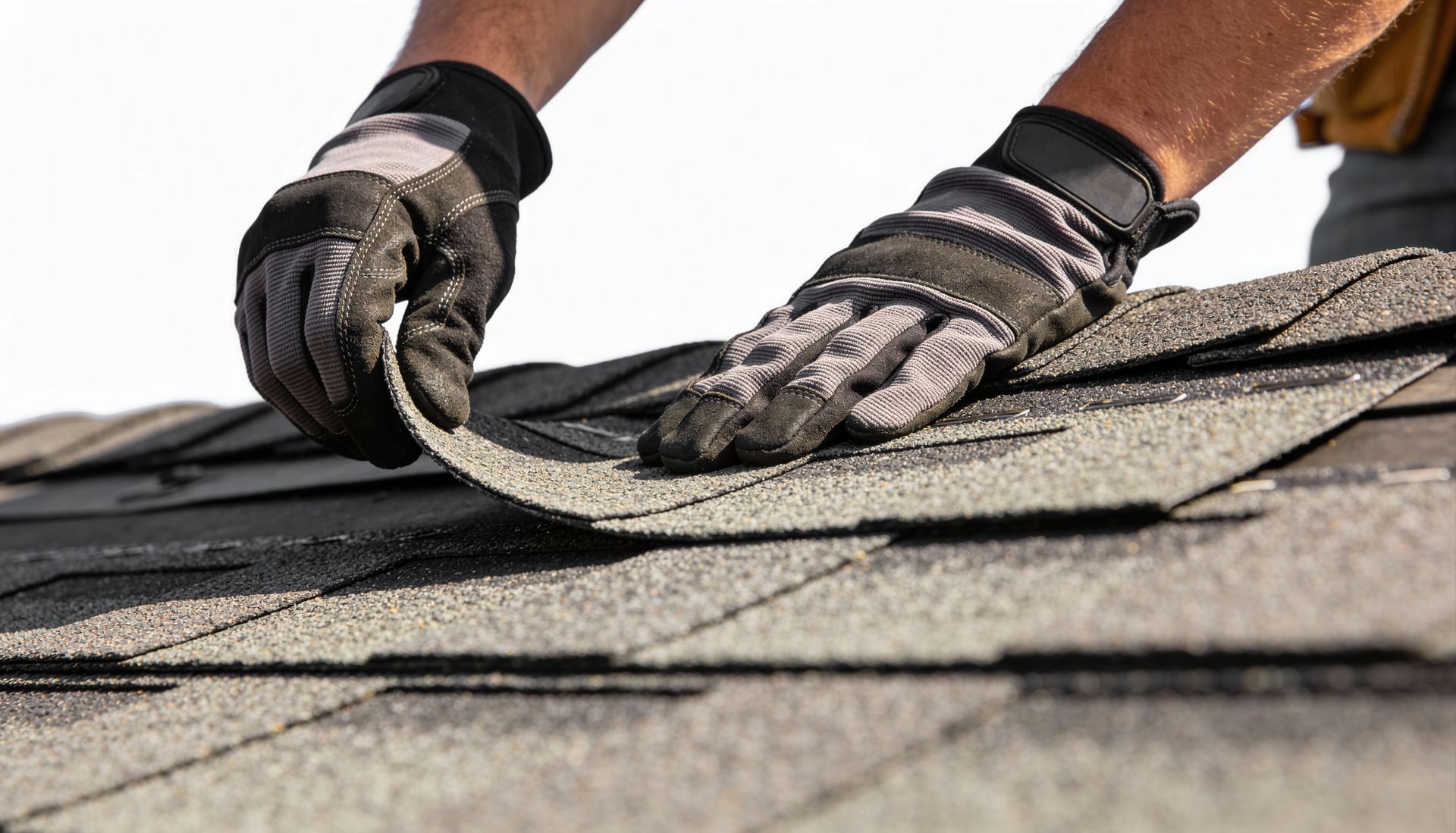
asphalt shingles are designed differently than hard surfaces like concrete or brick.
Shingles rely on:
- protective granules
- layered construction
- water-shedding design
- seal integrity
High-pressure water can disrupt all of those protective features surprisingly quickly.
How Pressure Washing Damages Roof Shingles
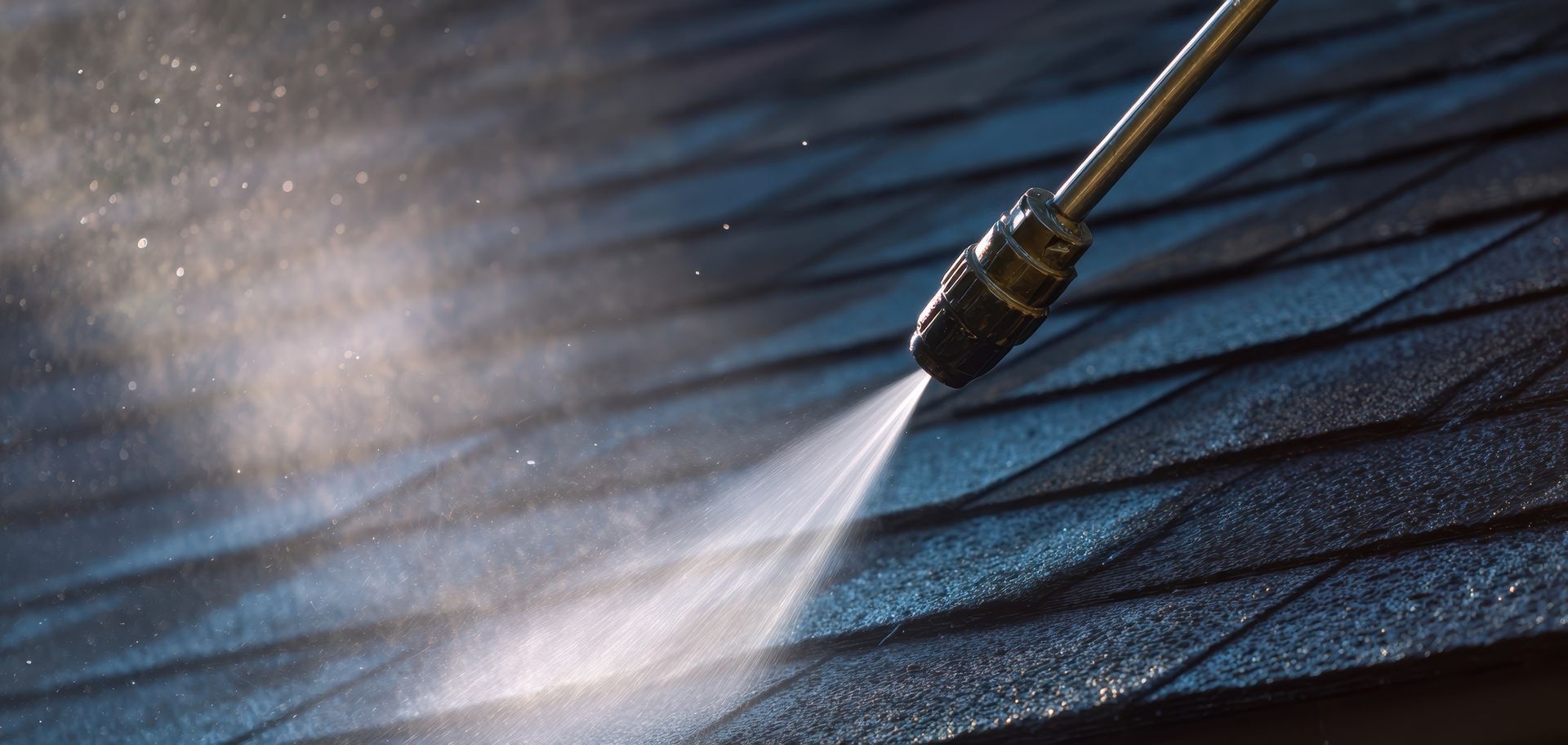
One of the biggest dangers of
roof pressure washing is
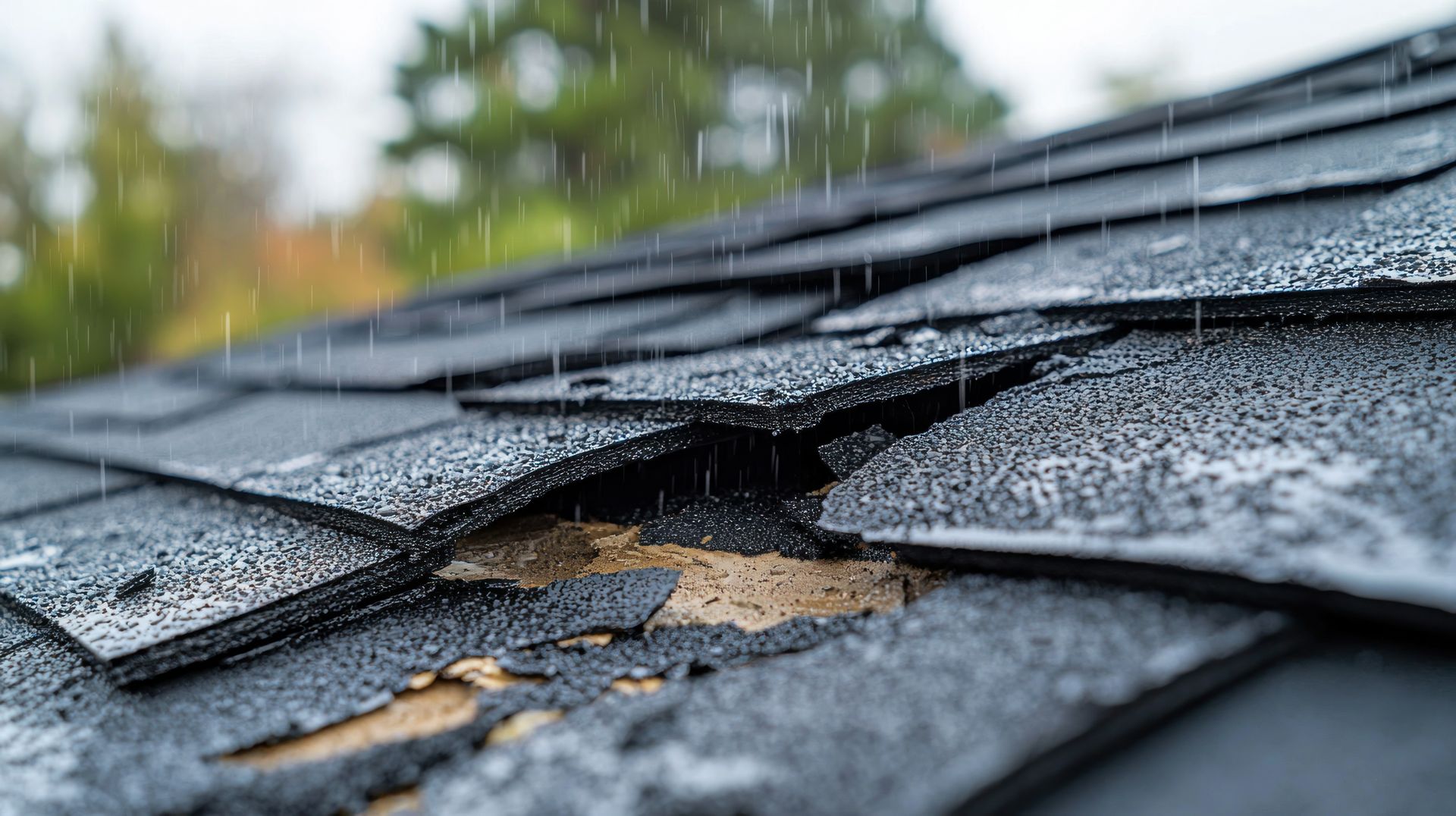
granule loss.
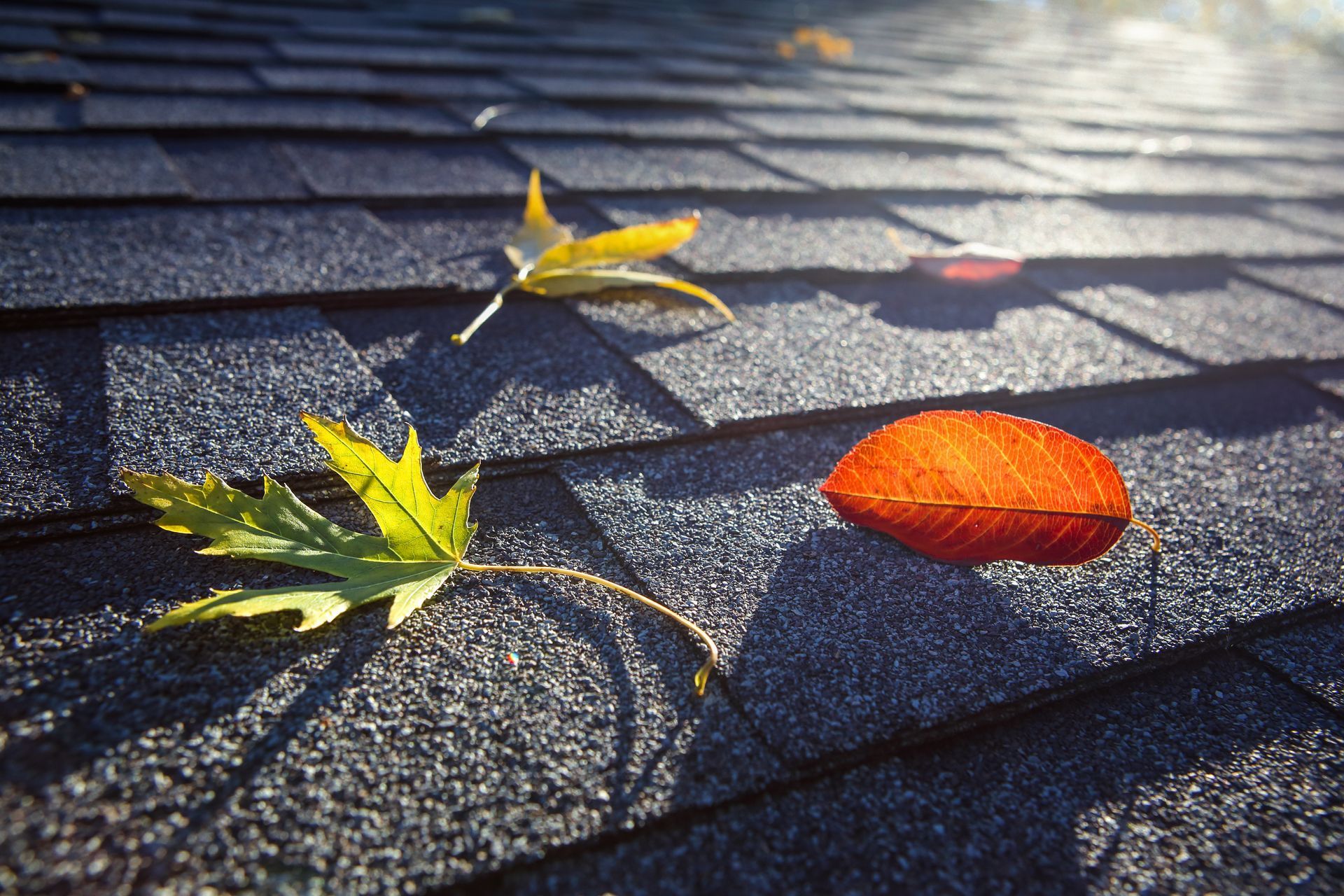
The small granules covering asphalt shingles help:
- protect against UV rays
- slow deterioration
- improve fire resistance
- extend roof lifespan
Pressure washing can strip away those granules prematurely.
Once granules are removed, shingles become more vulnerable to:
- UV damage
- cracking
- curling
- premature aging
In many cases, the roof may visually look “cleaner” while actually becoming weaker.
Water Intrusion Is Another Major Risk
A roof is designed to shed water downward, not withstand high-pressure water blasting upward beneath the shingles.
Improper
pressure washing roof shingles can force water into:
- underlayment layers
- roof decking
- attic spaces
- ventilation systems
This may eventually lead to:
- leaks
- mold growth
- wood rot
- insulation damage
And because moisture can travel, damage may continue unnoticed for long periods.
Why Moss and Algae Require a Different Approach
One reason homeowners attempt
roof cleaning is to remove:
- algae streaks
- moss buildup
- lichen growth
The problem is that pressure washing often removes visible growth temporarily without addressing the underlying issue.
Professional
soft wash roof cleaning methods instead use:
- lower pressure
- specialized cleaning solutions
- controlled application methods
This approach helps clean the roof while reducing the risk of surface damage.
The Hidden Cost of “DIY Roof Cleaning”
A lot of homeowners attempt roof pressure washing themselves to save money.
But the long-term risks can become expensive quickly.
Potential consequences include:
- shortened roof lifespan
- damaged shingles
- water intrusion repairs
- voided roofing warranties
- premature roof replacement
In many situations, improper cleaning creates repair costs far greater than the original staining issue.
Why Roofing Warranties May Be Affected
Some roofing manufacturers specifically warn against improper
roof pressure washing methods.
Aggressive cleaning may:
- void manufacturer warranties
- accelerate material failure
- create preventable roof deterioration
This is one reason homeowners should always consult roofing professionals before attempting aggressive cleaning techniques.
Soft Washing Is Becoming the Preferred Solution
In 2026, more roofing companies are recommending
soft wash roof cleaning instead of traditional pressure washing.
Soft washing focuses on:
- low-pressure application
- safer cleaning methods
- algae treatment
- longer-lasting results
The process is designed to clean the roof without aggressively damaging the shingles themselves.
For most asphalt roofing systems, this is the far safer option.
Why Roof Appearance Still Matters
Roof stains and algae are not just cosmetic concerns.
Heavy buildup can:
- trap moisture
- accelerate deterioration
- impact curb appeal
- reduce property appearance
The key is choosing cleaning methods that preserve the roof instead of weakening it.
Protecting Your Roof Means Cleaning It the Right Way
A roof is one of the most important protective systems on a home, and cleaning methods matter more than many homeowners realize. While pressure washing may seem effective initially, the long-term damage can be significant.
Overmyer Roofing provides professional roofing inspections, maintenance, and safer
roof cleaning solutions designed to protect asphalt shingles and extend roof lifespan.