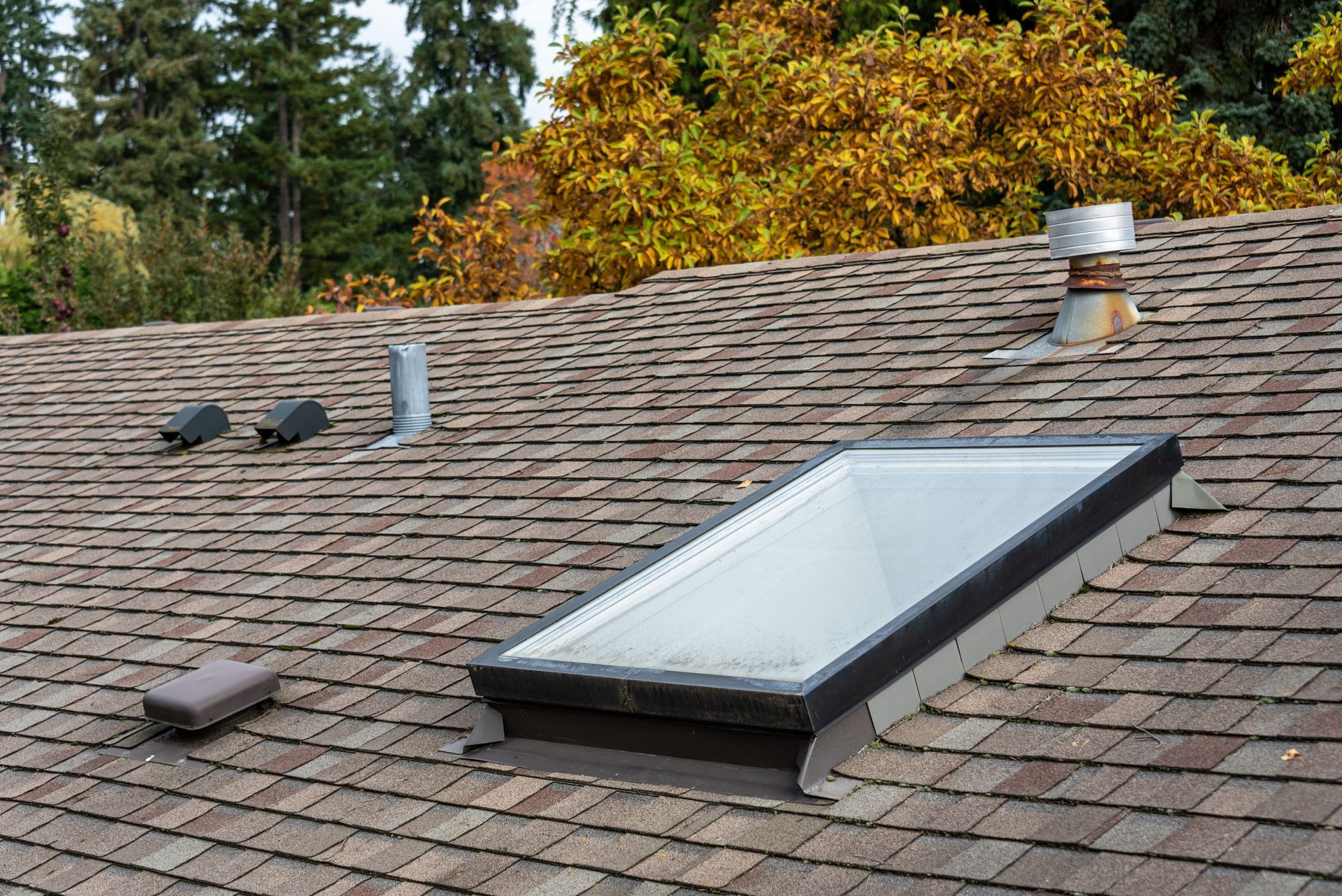
Why Older Skylights Become a Roofing Risk
Even high-quality skylights eventually age.
Over time, older
residential skylights may develop:
- deteriorating seals
- flashing failures
- condensation problems
- cracked components
- water intrusion risks
And because skylights directly penetrate the roof system, even small issues can eventually lead to:
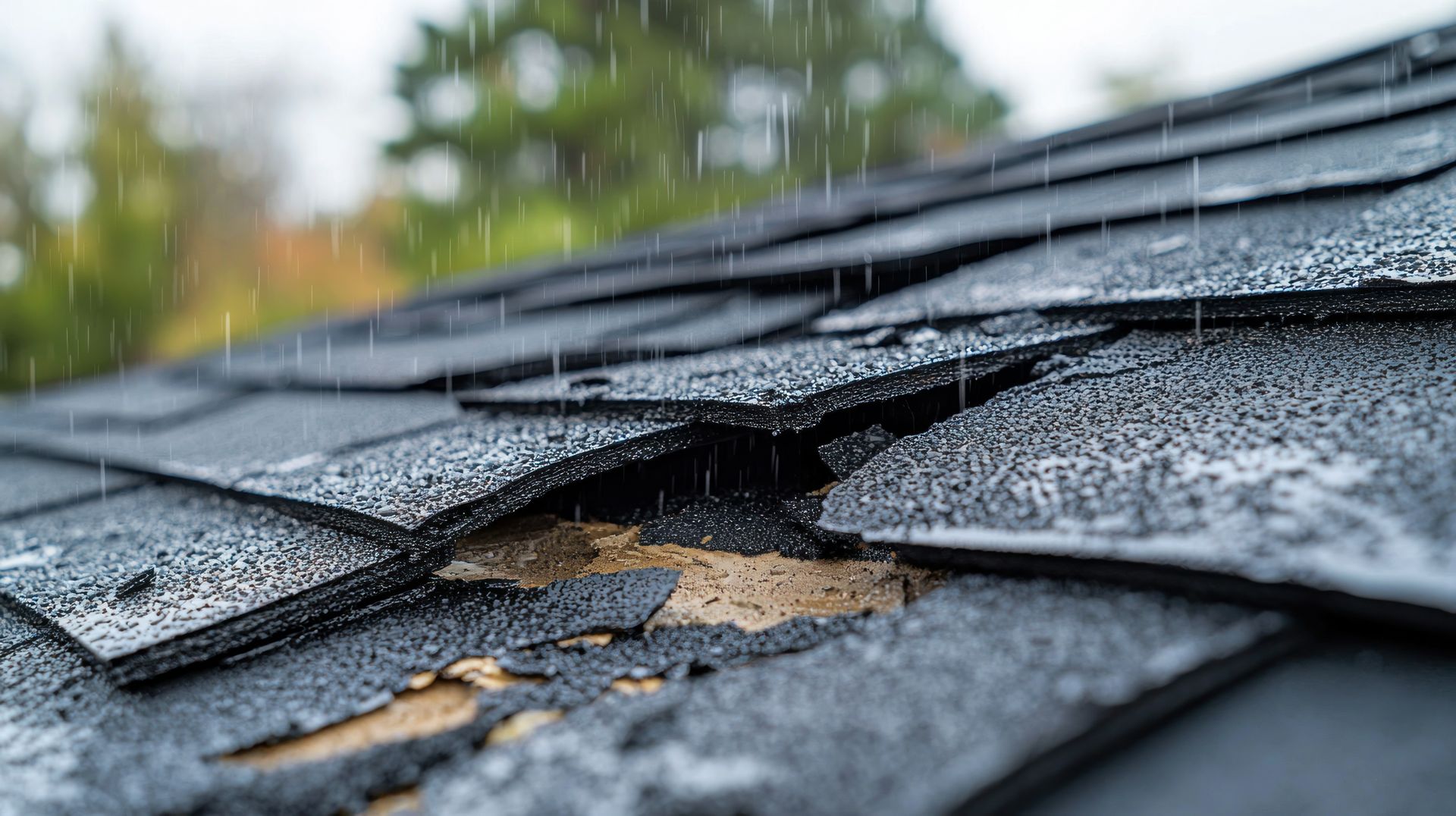
- roof leaks
- water damage
- mold growth
- interior drywall damage
The older the skylight, the higher the likelihood of future problems after a new roof is installed around it.
The Biggest Mistake Homeowners Make During Roof Replacement
One of the most common roofing mistakes is installing a brand-new roof around an aging skylight.
At first, this may seem like a way to save money.
But if the skylight fails a few years later, homeowners often end up paying for:
- additional labor
- partial roof removal
- shingle replacement
- flashing repairs
- interior damage restoration
In many cases, the roof surrounding the skylight must be disturbed again to properly complete the replacement.
That extra work is exactly why many roofing professionals recommend combining both projects upfront.
Why Replacing the Skylight During Roofing Is More Cost Effective
During a full
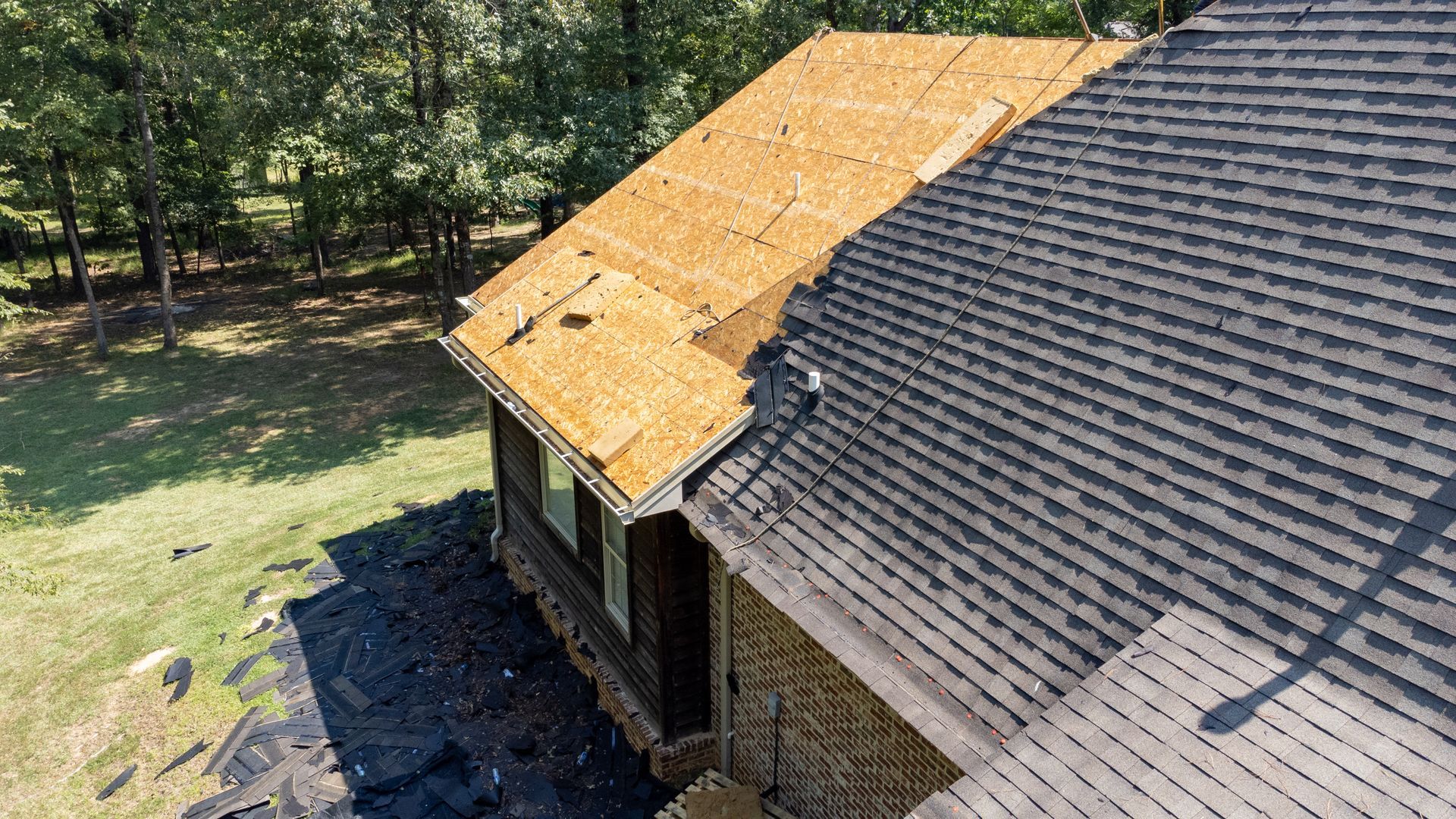
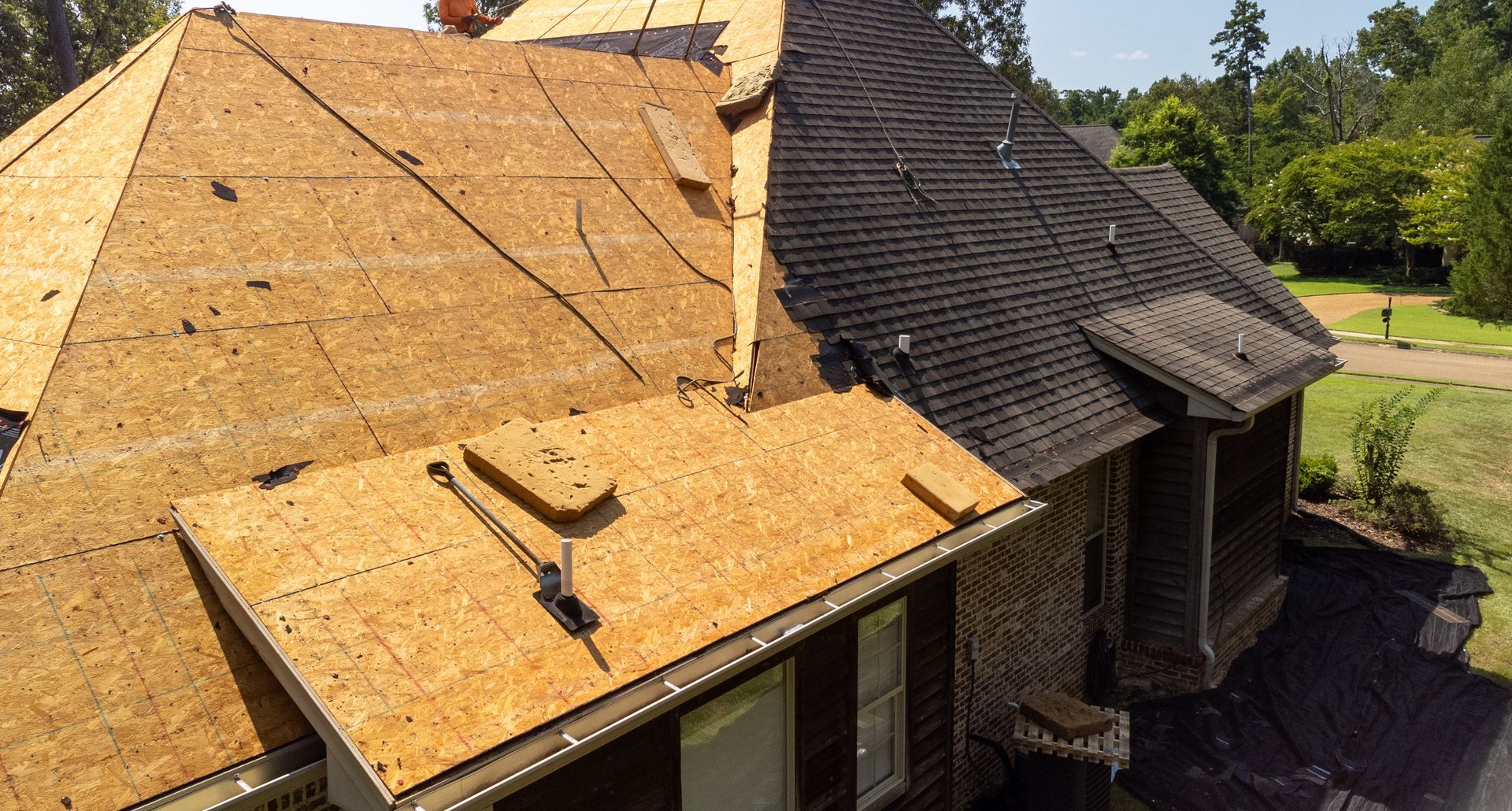
roof replacement, contractors already have:
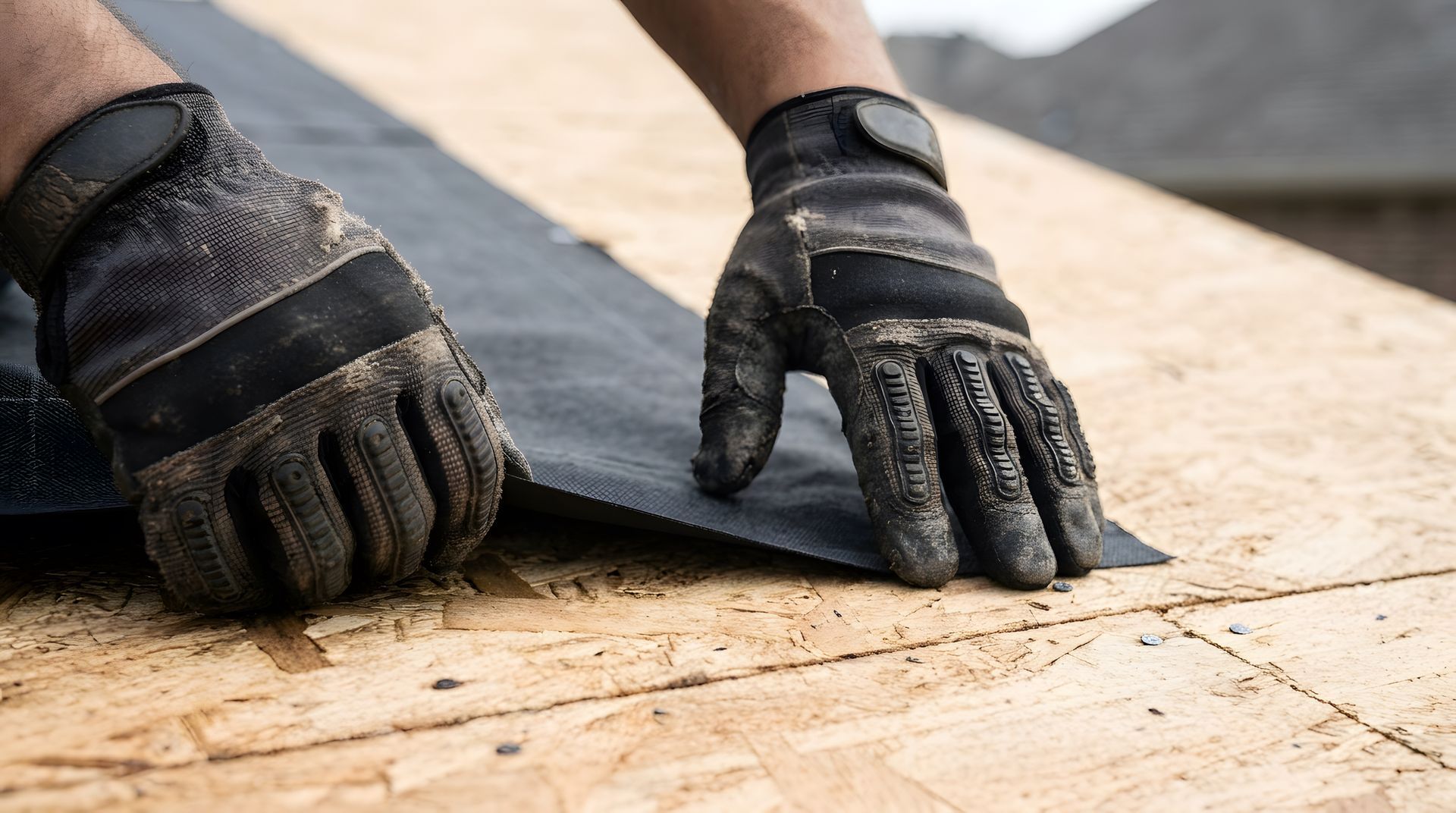
- shingles removed
- roof decking exposed
- flashing areas accessible
- roofing crews on-site
This significantly reduces labor complexity.
Replacing the skylight at the same time often:
- lowers installation costs
- reduces duplicate labor
- improves flashing integration
- minimizes future disruption
The result is a cleaner, more efficient roofing system overall.
Modern Skylights Are Far More Efficient Than Older Models
A lot of older skylights were installed decades ago using outdated materials and insulation technology.
Today’s
energy-efficient skylights offer major improvements in:
- insulation performance
- UV protection
- leak resistance
- condensation control
- temperature regulation
For homeowners upgrading their roof anyway, installing a newer skylight often improves both comfort and energy efficiency inside the home.
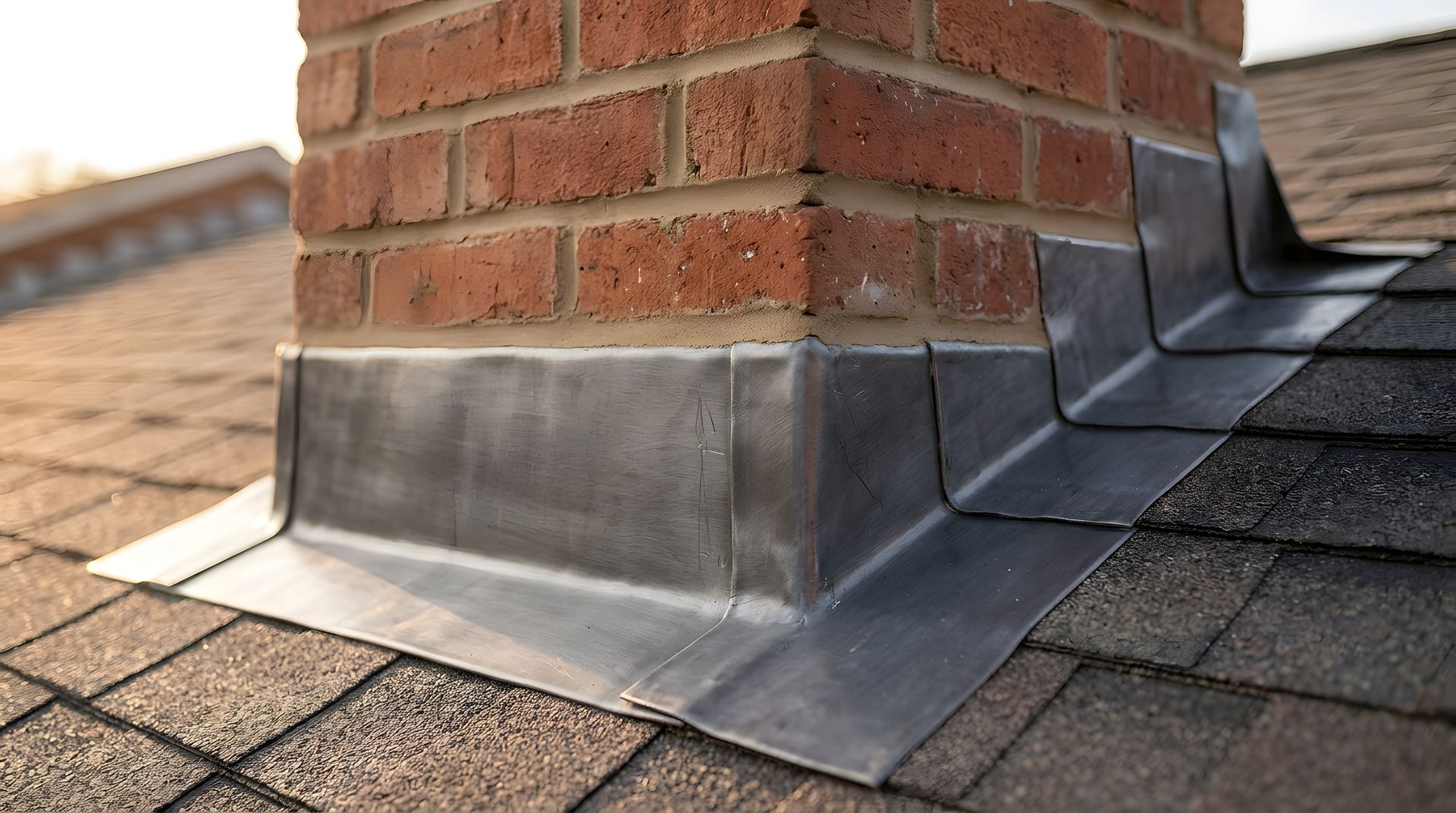
Flashing Is One of the Most Important Parts of Skylight Protection
One of the biggest causes of
skylight leaks is flashing failure.
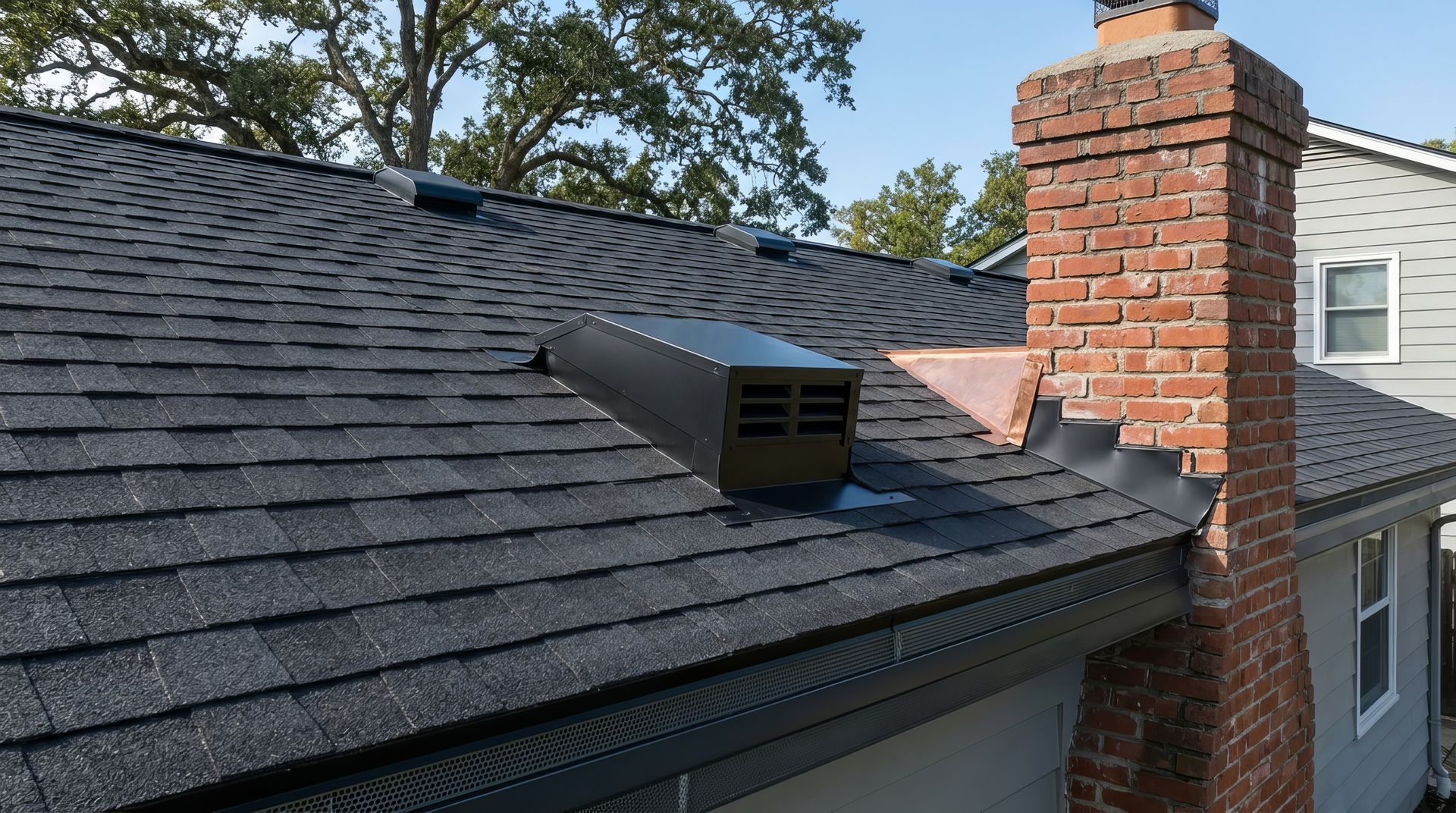
Flashing is the waterproof material surrounding the skylight that helps direct water away from vulnerable roof penetrations.
When flashing ages or becomes improperly integrated, water intrusion becomes far more likely.
Installing a new skylight during roofing allows contractors to:
- integrate new flashing systems properly
- improve waterproofing
- create cleaner transitions between roofing materials
That integrated installation dramatically reduces long-term leak risk.
Why Leak Prevention Matters More Than Most Homeowners Realize
A small skylight leak may seem minor initially, but water intrusion can spread quickly.
Over time, leaks may damage:
- insulation
- drywall
- framing
- ceilings
- flooring
- attic spaces
And because moisture often travels before becoming visible, damage can continue unnoticed for long periods.
Preventive
skylight replacement during roofing helps reduce the chance of these expensive hidden problems.
Roofing Systems Work Best When Everything Ages Together
One reason professionals recommend replacing older skylights during roofing is system consistency.
A new roof paired with an aging skylight creates:
- uneven lifespan expectations
- mismatched material performance
- increased maintenance risks
When both systems are upgraded together, the roof performs more cohesively long term.
That consistency simplifies future maintenance and improves overall reliability.
The Long-Term Investment Perspective
Homeowners in 2026 are increasingly focused on:
- preventive maintenance
- long-term value
- durability
- efficiency
- minimizing future repairs
Replacing an aging skylight during a
roof replacement aligns perfectly with that mindset.
Instead of paying for separate labor and future roof disruption later, homeowners solve both issues at once while protecting the new roofing investment.
Protecting Your Roof Starts with Protecting Every Penetration
A roof is only as strong as its most vulnerable points, and skylights are one of the most important areas to evaluate during replacement projects. Addressing aging skylights proactively helps improve waterproofing, efficiency, and long-term roofing performance.
Overmyer Roofing provides professional
skylight replacement and
roof replacement services designed to improve durability, leak protection, and long-term value for homeowners.