Why System Age Dictates Your Return on Investment
While simple chronological age does not entirely determine whether an structure is ready for the landfill, it remains the primary variable in calculating your potential return on investment. The vast majority of standard dimensional
asphalt shingle roofs are engineered to provide reliable performance for roughly two to three decades. This operational window depends directly on initial installation precision, regional weather extremes, and continuous structural upkeep.
As petroleum-based materials cross into the upper half of their lifespan, the volatile oils locked inside the core naturally begin to dissipate. A targeted repair that makes perfect logistical sense on a resilient, flexible seven-year-old roof can backfire completely on an advanced system. On an older asset, the surrounding materials are often too brittle to withstand the manual manipulation required to execute a secure patch, meaning a simple repair can accidentally trigger a chain reaction of adjacent leaks.
When Targeted Roof Repair Is the Definitive Best Option
There are many instances where pursuing a targeted
roof repair is the most logical, financially responsible path forward. You do not need to replace a whole asset simply because a localized failure has occurred. A precision repair is an exceptional choice if the system matches the following criteria:
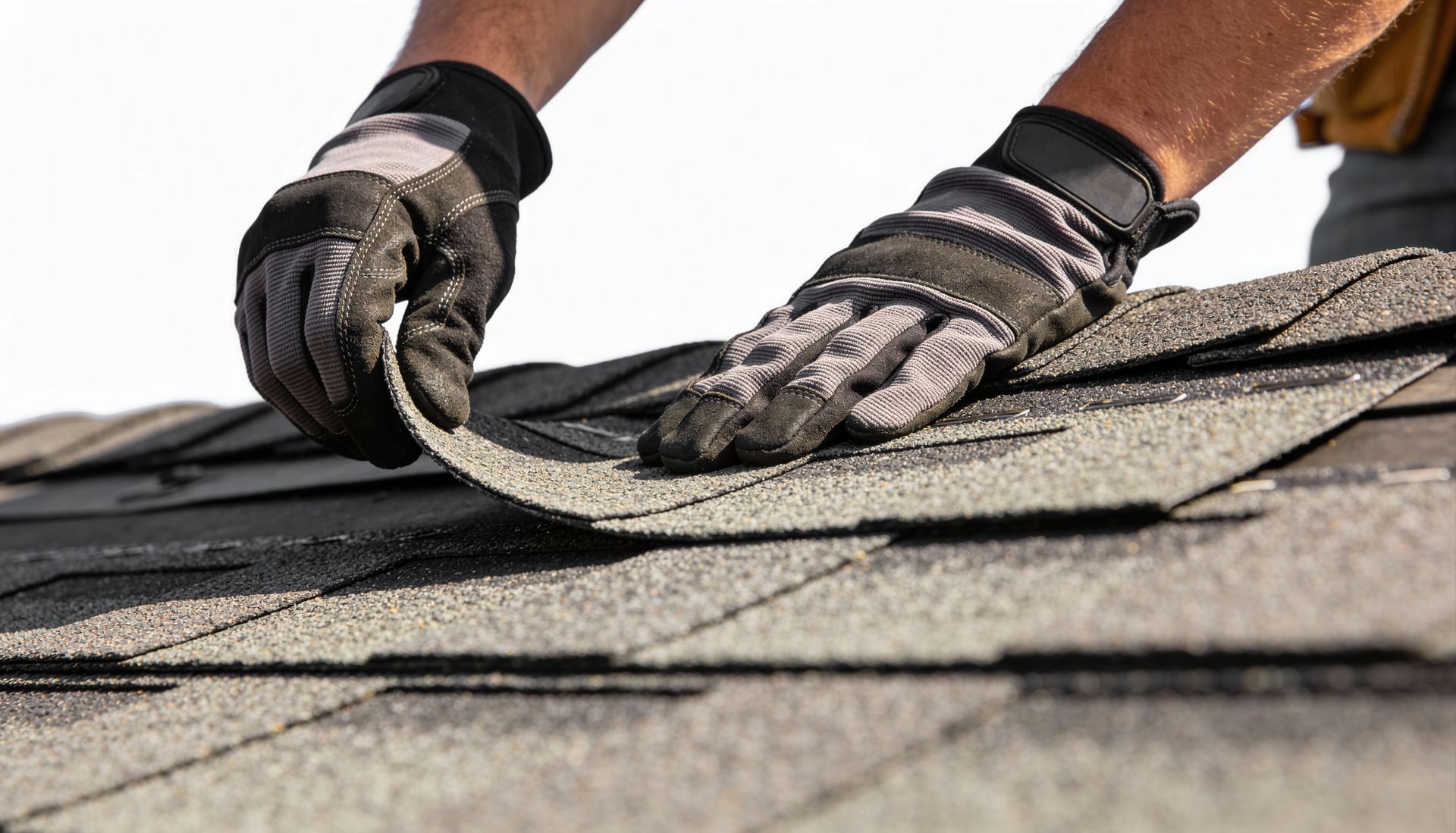
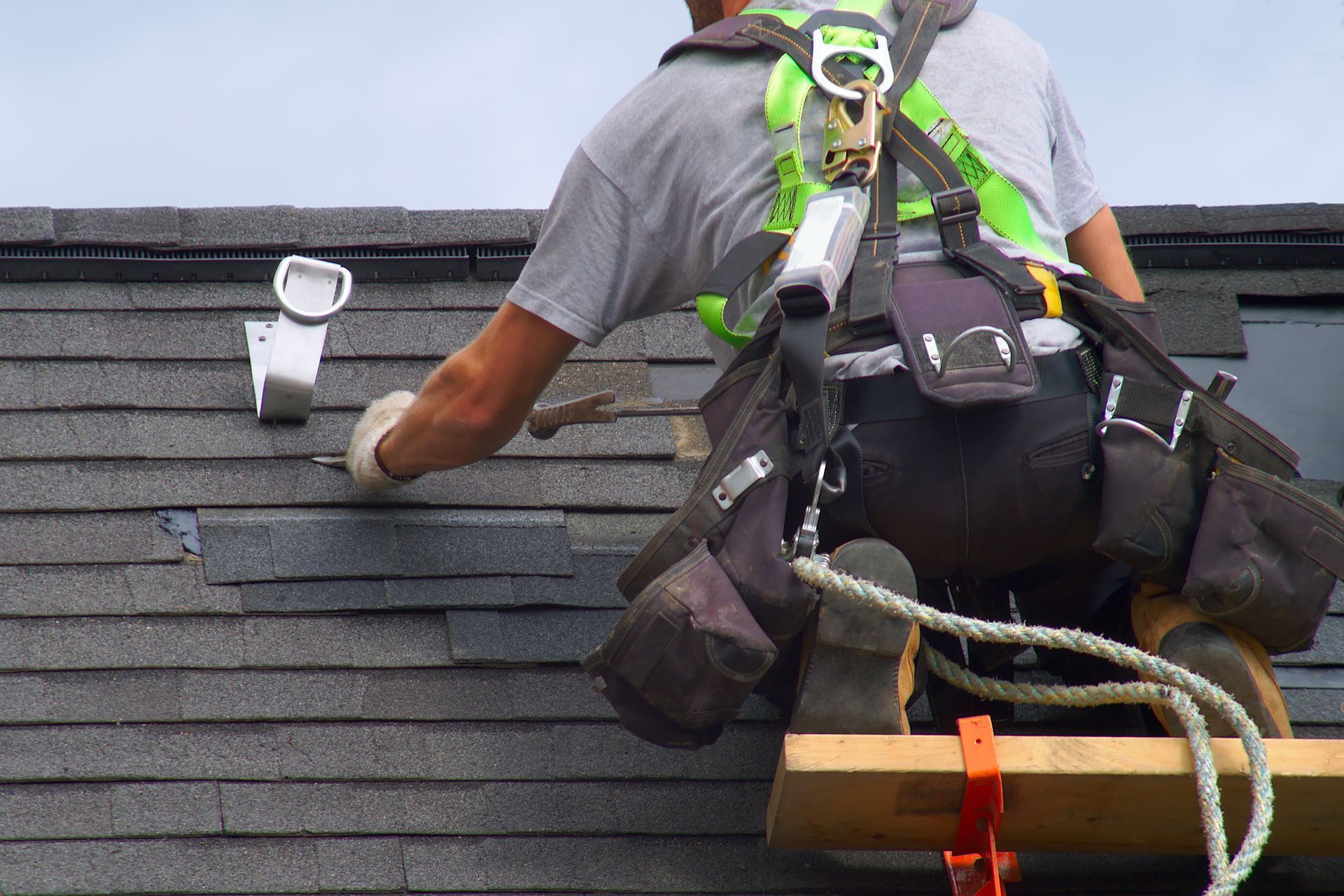
- Isolated Material Defect: The problem is confined to a specific zone, such as a few shingles torn away by high localized winds or a branch strike.
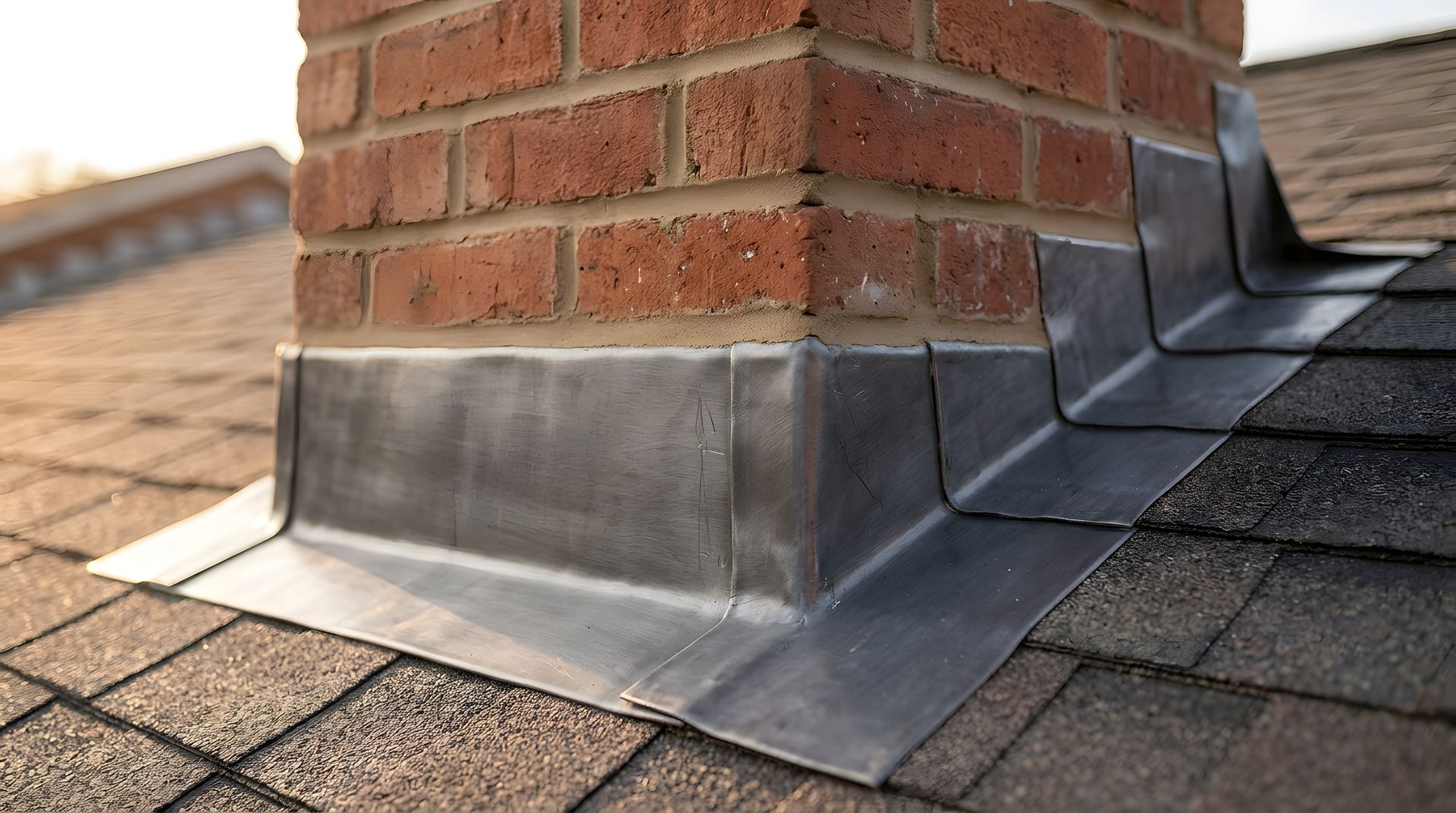
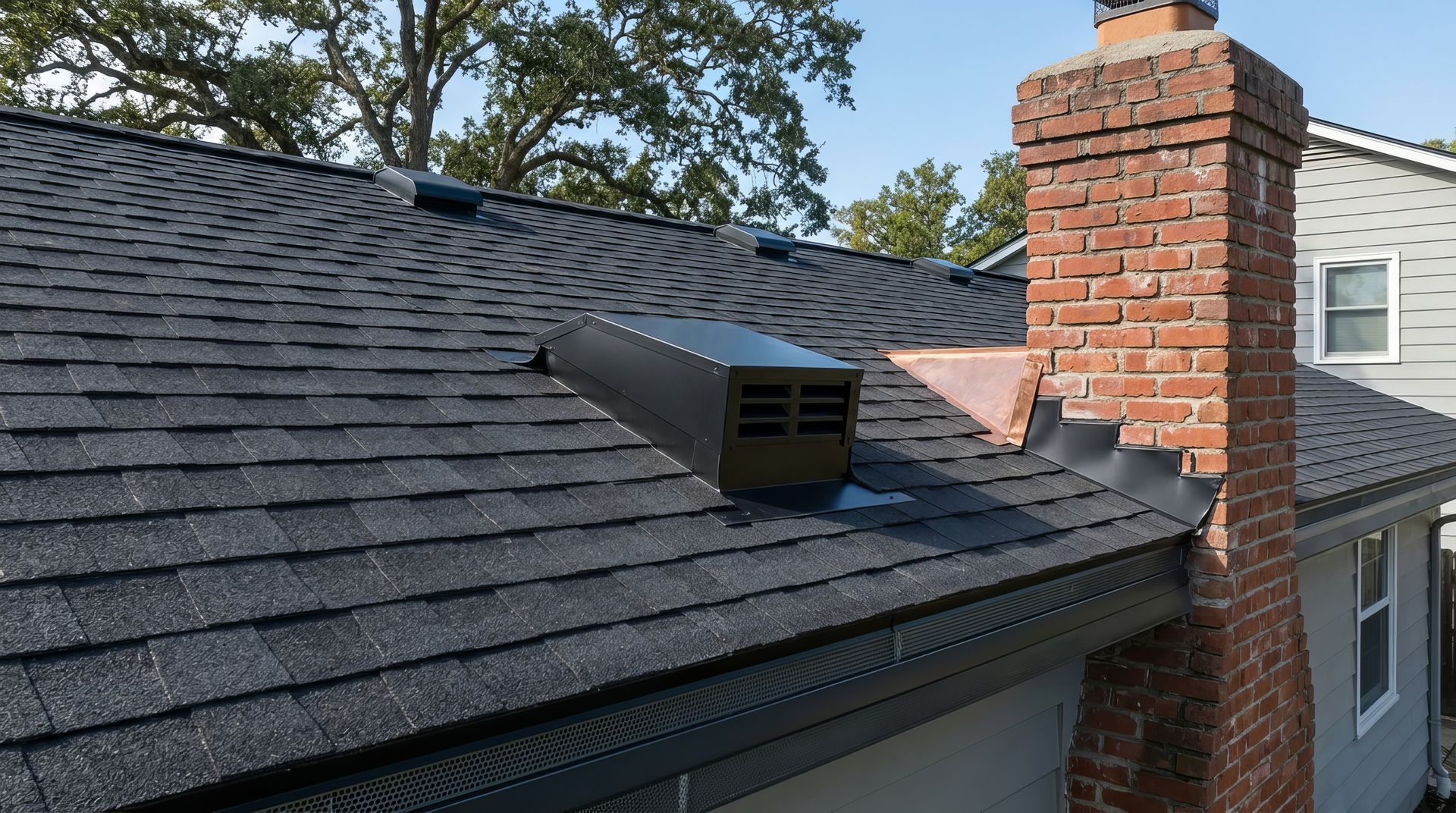
- Flashing Failures: The main field materials are healthy, but the thin metal flashing surrounding a brick chimney, plumbing vent boot, or roof valley has rusted or pulled away.
- Structural Youth: The asset is well under its fifteen-year mark, and the existing shingles still retain a high volume of internal oils and protective granulates.
Addressing these minor physical issues early prevents water from rotting out the underlying plywood deck, protecting the global system without forcing you into an premature replacement.
The Tipping Point: Signs Spot Repairs Are No Longer Providing Value
As an exterior envelope degrades, localized failures start to happen closer together. Continuing to pay for emergency patches on a failing surface is the equivalent of trying to preserve a sinking ship with duct tape. Homeowners must learn to recognize the clear, structural warnings that signify a system has reached total failure.
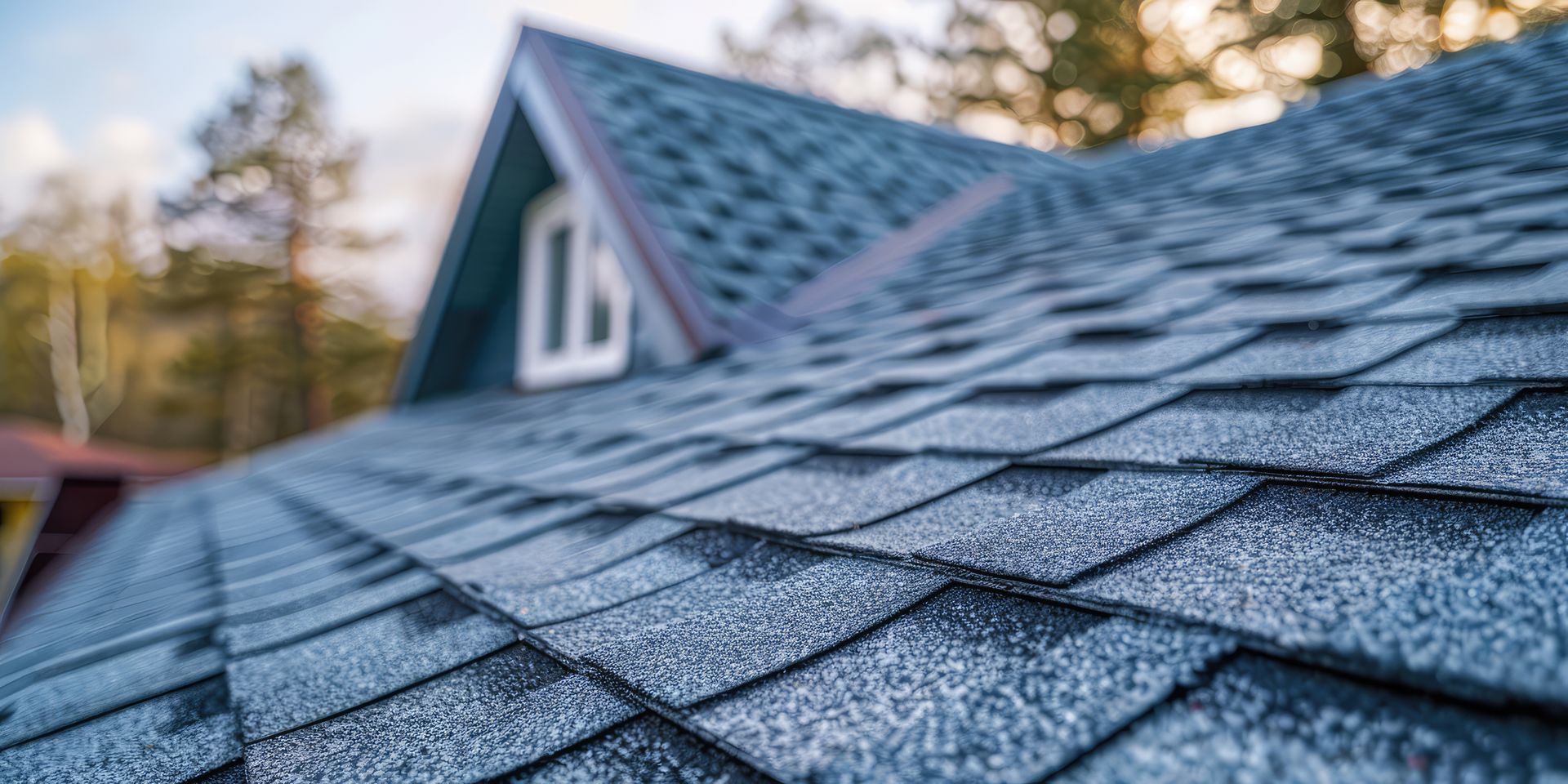
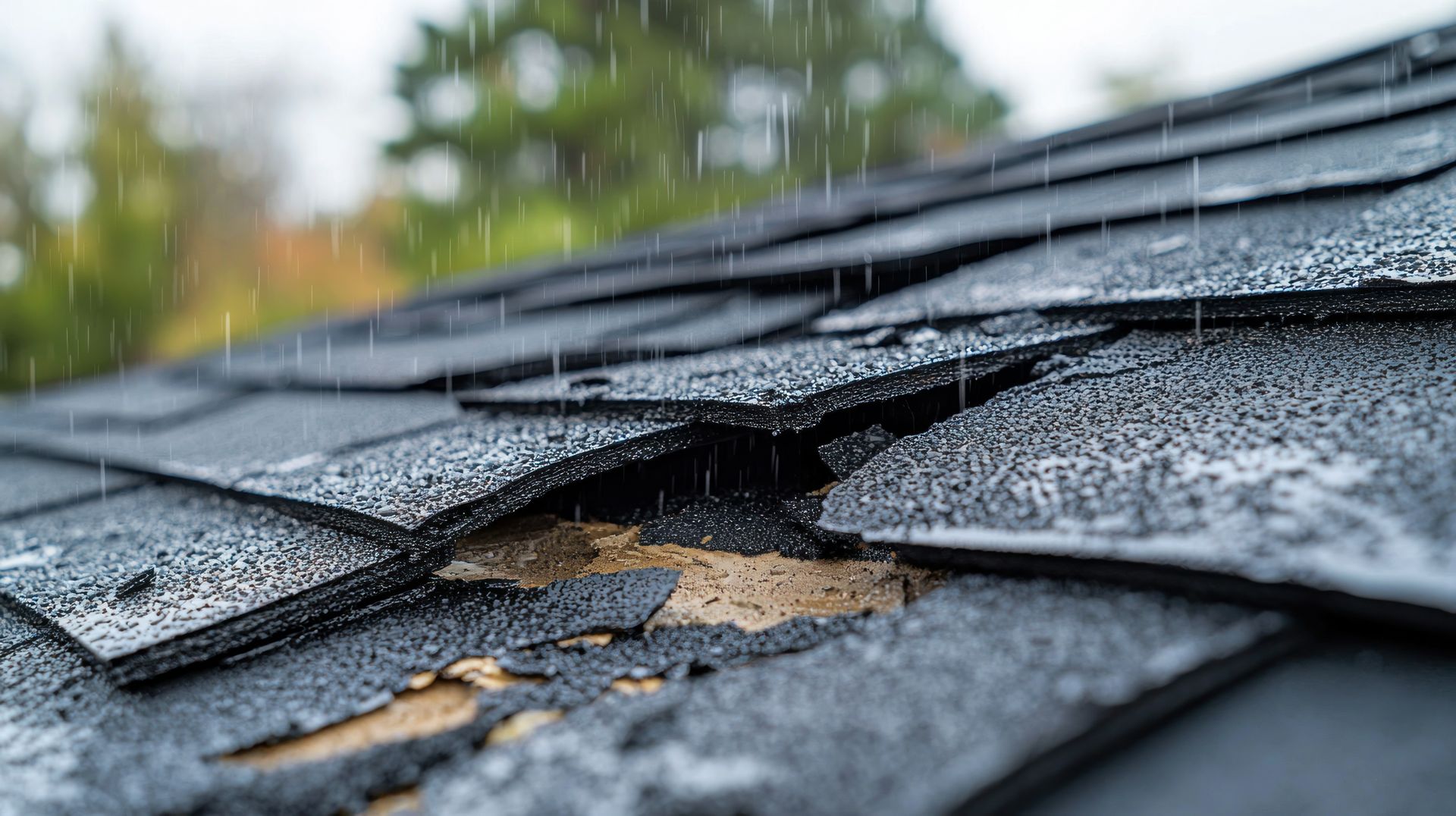
One of the most obvious signs is extensive, widespread granule loss. The tiny ceramic granules coated onto the surface are not decorative; they are custom shields engineered to block destructive UV radiation. Once these granules wash away into your gutters, exposing the bare black asphalt mat below, the sun will rapidly dry out and crack the structure. If you notice widespread shingle curling, heavy cracking, or materials that break like glass when touched, individual patches can no longer protect your home. At this stage, choosing a complete
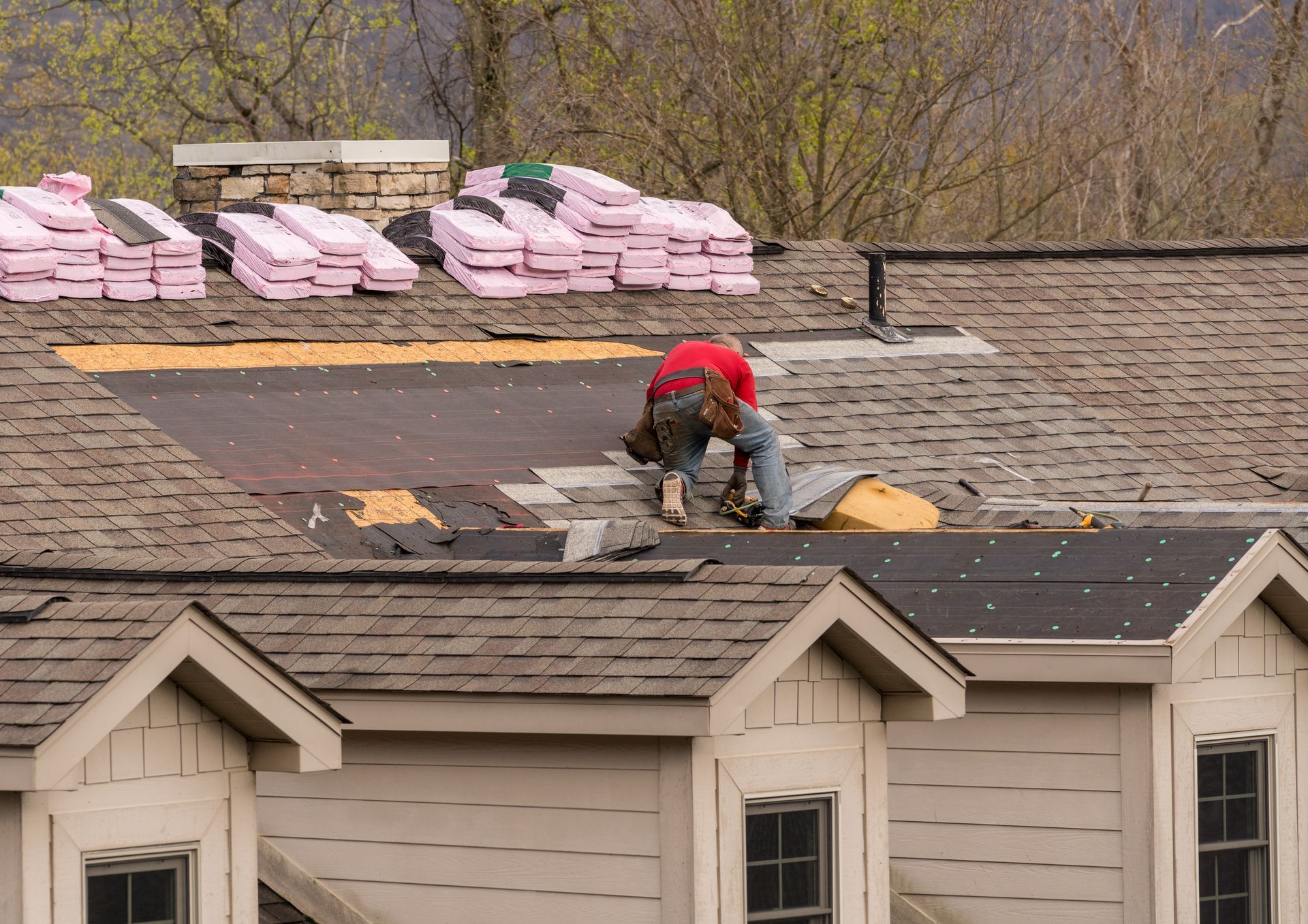
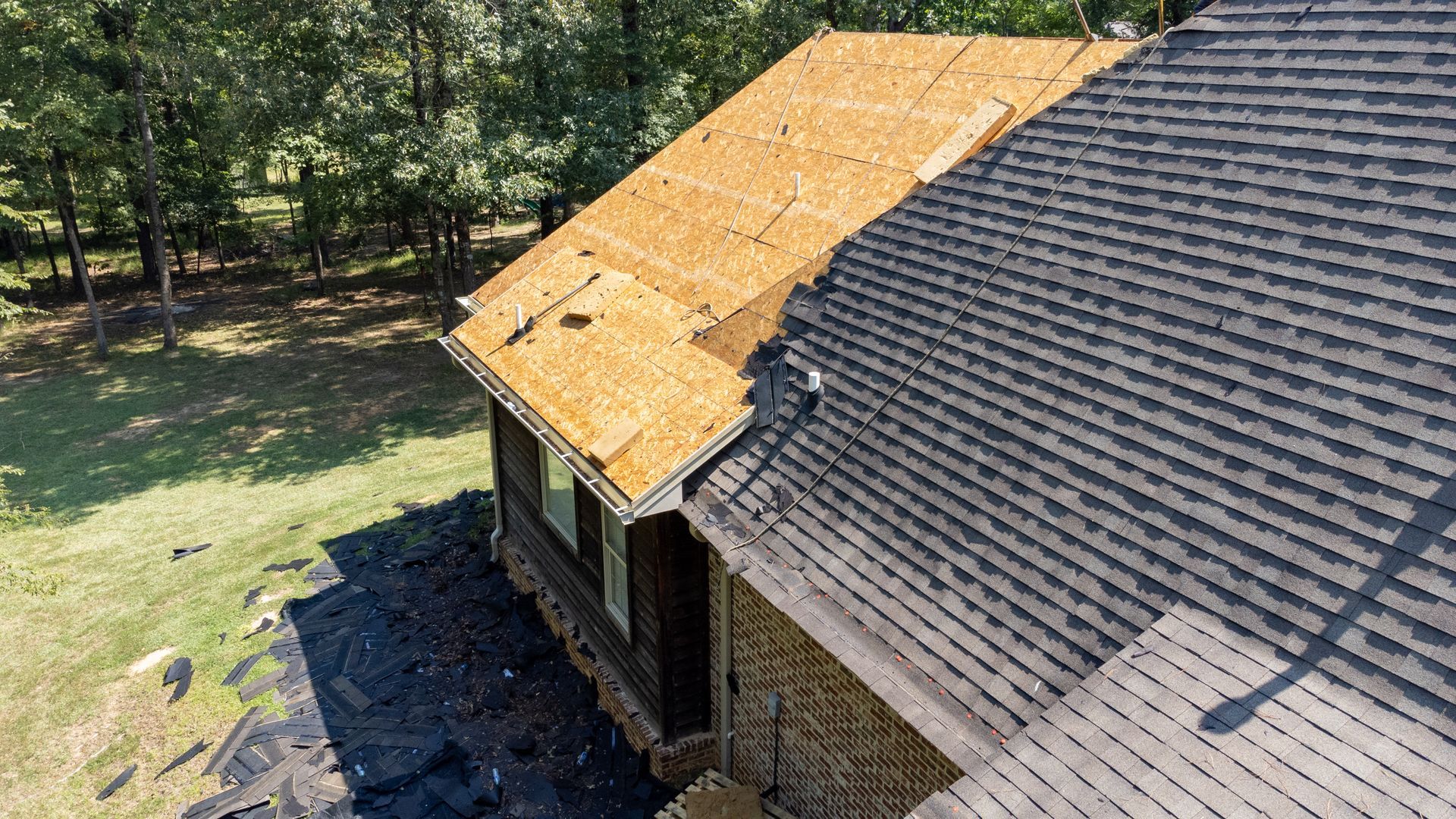
roof replacement is the only way to secure the structural frame.
Hidden Decking Damage and the Critical Role of Attic Ventilation
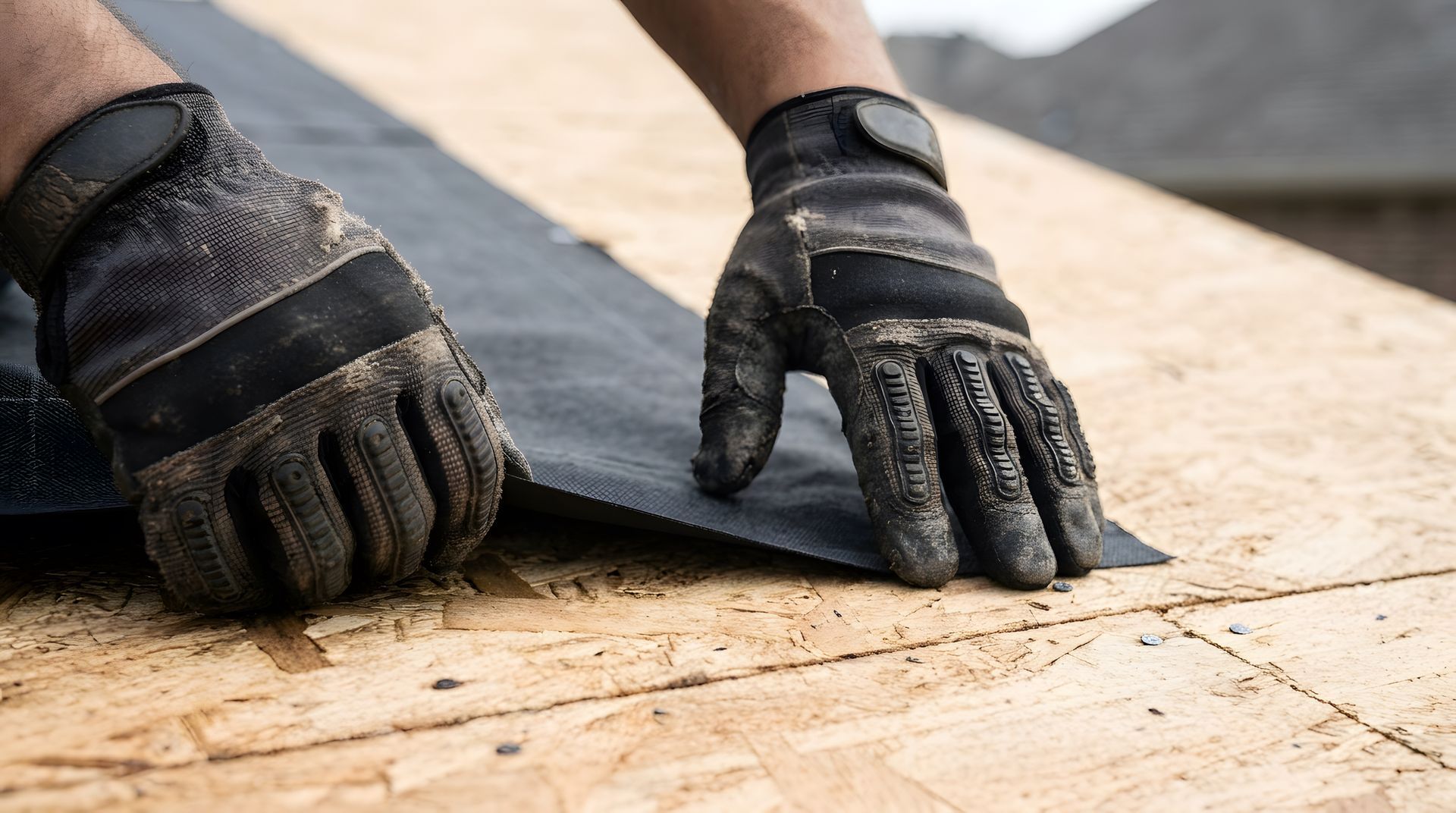
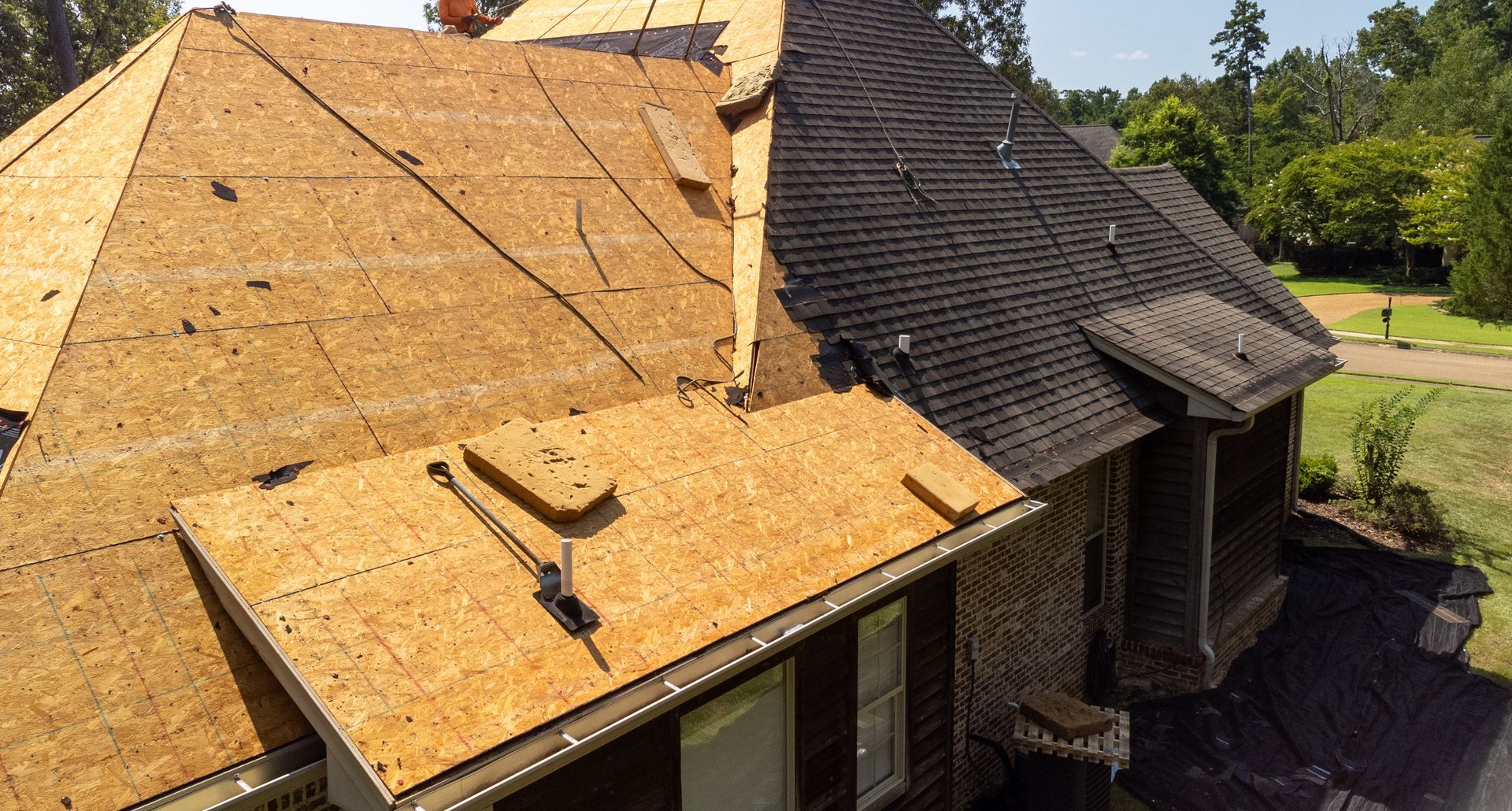
A major trap when evaluating an aging roof is focusing exclusively on the top layer of shingles that are visible from the ground. A structure can appear relatively flat and secure from your driveway while hiding severe rot directly beneath the surface. Slow, unaddressed leaks over years can completely compromise the structural integrity of your wooden roof decking, warping the panels and rusting out the fasteners. Executing a comprehensive professional
roof inspection is the only secure method for discovering whether your underlying foundation is still safe to support a patch.
The Thermal Factor
Very often, premature shingle failure is directly driven by an unbalanced attic climate rather than a product defect. An effective, balanced attic ventilation system utilizes low intake soffit vents and high ridge exhausts to continuously flush out stagnant heat and humidity.
When your ventilation path is blocked or inadequate, your attic space becomes a furnace during the summer, trapping heat that rises up to cook the shingles from the inside out. This accelerated thermal baking shortens the natural lifecycle of your roof, causing shingles to blister and curl years before their time. If these root structural issues are not re-engineered during a
roof replacement services deployment, even a brand-new roof will degrade prematurely, highlighting why a comprehensive system evaluation is essential.
Protect Your Asset with Overmyer Roofing
Your home's roof represents your primary shield against the elements, and managing its lifecycle dictates the security of your entire property investment. Relying on generic contractors who push a single service path without executing an diagnostic review leaves you vulnerable to repeating leaks and wasted capital. Achieving long-term performance demands an honest, scientific evaluation of your total exterior envelope.
At
Overmyer Roofing, we are dedicated to helping property owners navigate these big decisions with complete transparency and elite craftsmanship. Our expert teams utilize advanced forensic inspection protocols to check your shingle pliability, verify underlying deck health, analyze your attic's ventilation balance, and locate deep-set leaks. Whether your home requires an affordable, precision maintenance patch or a full, high-performance architectural replacement, we deliver tailored solutions engineered to protect your family. Reclaim your peace of mind this season—schedule a meticulous roof inspection with our specialists today and guarantee structural safety for the long haul.