What Is EPDM Roofing? Understanding the Synthetic Matrix
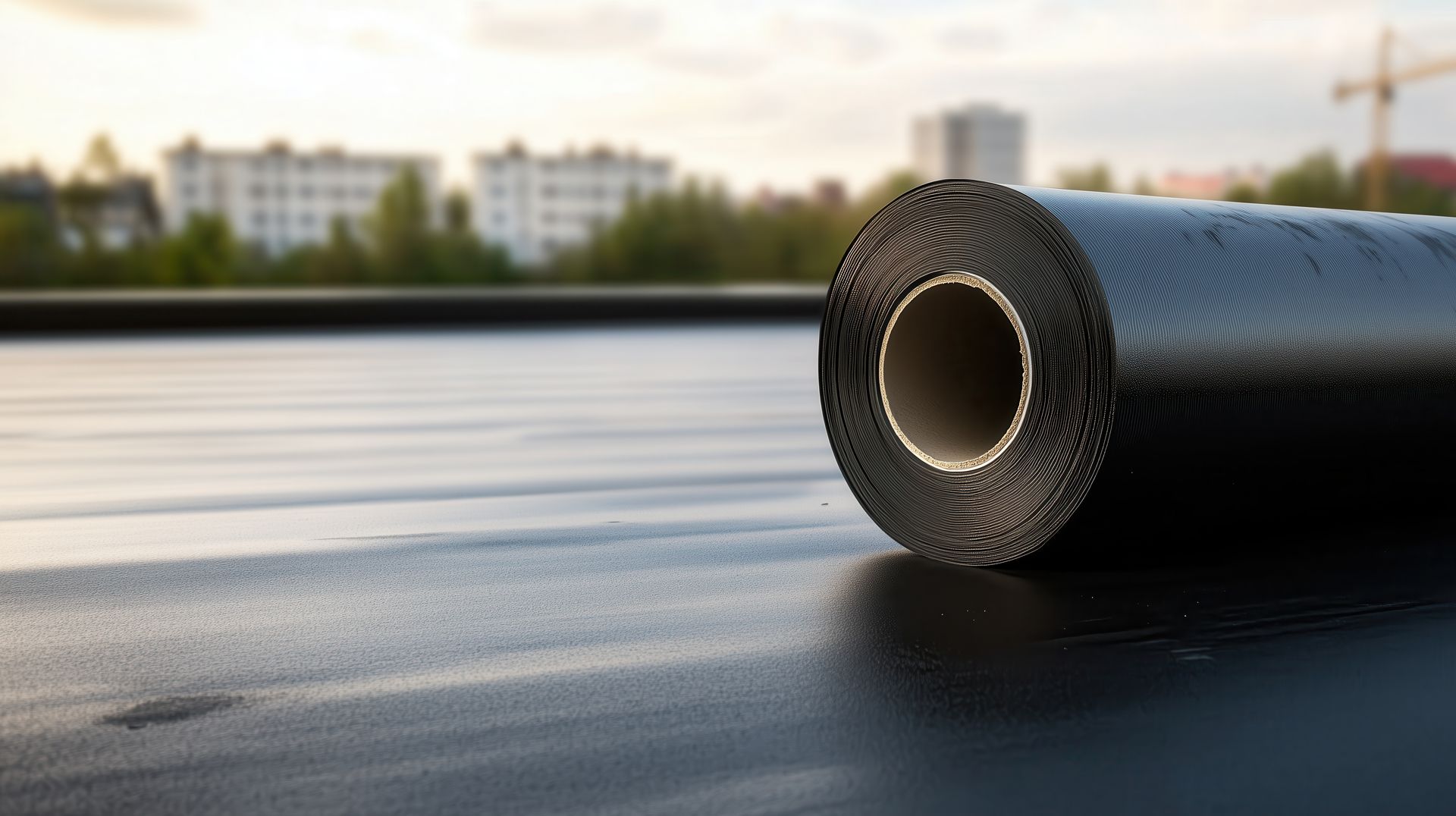
The acronym EPDM stands for Ethylene Propylene Diene Monomer, a high-density, single-ply synthetic rubber membrane engineered specifically for flat and low-slope architectural footprints. This advanced elastomer is cross-linked during manufacturing to create a chemically stable sheet that refuses to degrade under relentless environmental exposure. The material is fundamentally designed to withstand extreme UV radiation, severe ozone oxidation, dynamic temperature swings, and prolonged ponding water conditions without cracking or splitting.
The material’s natural physical elasticity is its greatest engineering asset. Unlike rigid roofing materials that become brittle over time,
EPDM roofing can flex, stretch, and contract up to 300% of its original dimension. This flexibility allows the membrane to adjust fluidly to building settling, thermal expansion, and intense seismic vibrations, making
commercial rubber roofing one of the most mechanically reliable and leak-resistant configurations available on the commercial market today.
Identifying the Warning Signs of Commercial Membrane Failure
While targeted repairs can patch up minor, isolated punctures, there comes a critical tipping point where full-scale asset liquidation is the only smart fiscal choice. Commercial property managers should closely monitor their low-slope assemblies for clear indicators of advanced wear, including persistent internal leaks, blistered insulation boards, and deep pools of standing water that fail to drain 48 hours after a rain storm.
Membrane Shrinkage and Seam Stress
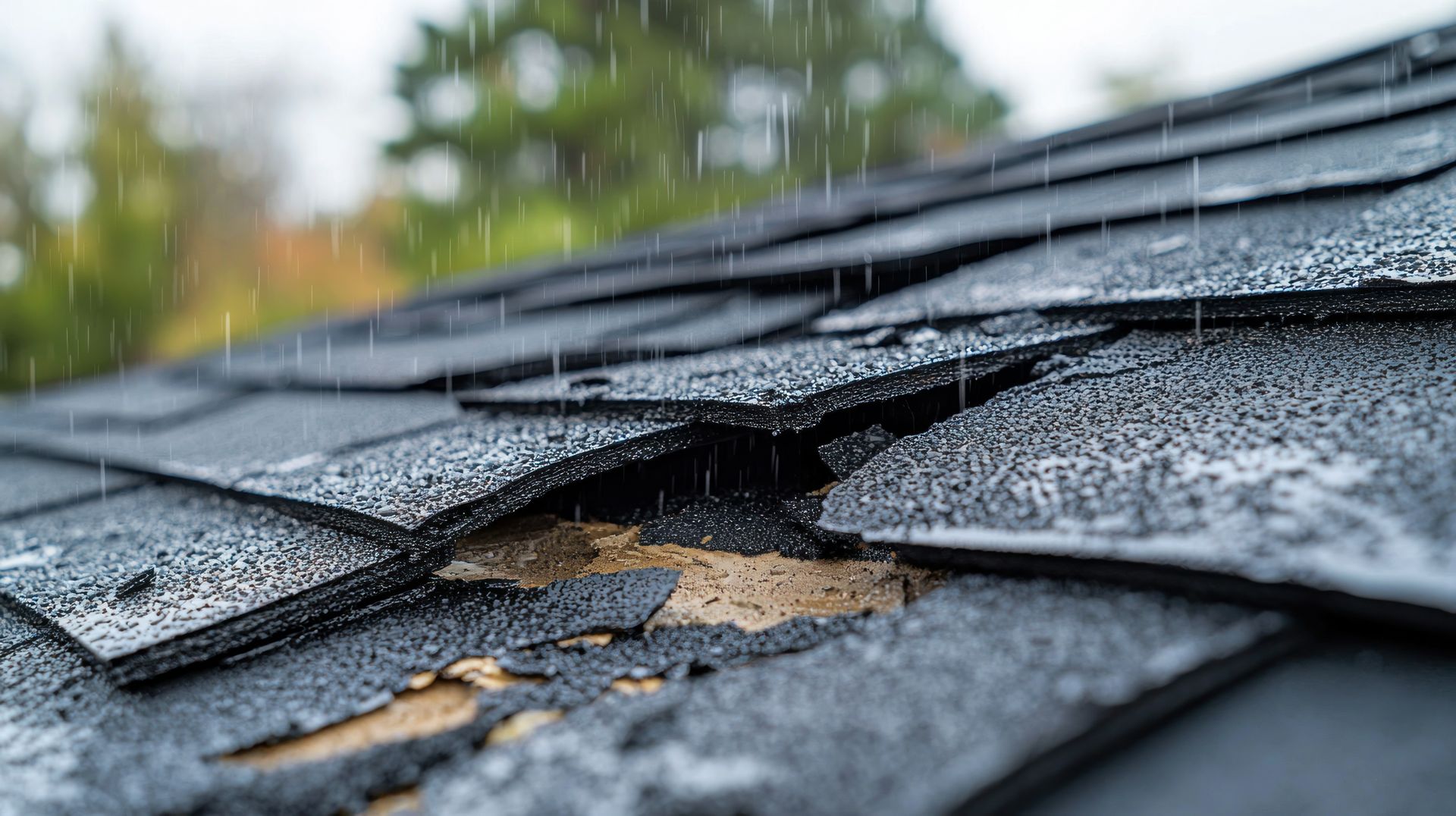
The most definitive sign of an expiring rubber system is progressive membrane shrinkage. As decades of intense UV exposure deplete the system's internal plasticizers, the rubber sheet will naturally begin to contract and pull inward. This shrinkage places immense mechanical stress on the layout, causing seam separation, buckled insulation boards, and pulling the flashings entirely away from the parapet walls. Once your seams split and the field sheets begin to tear away from their anchor plates, continuing to invest in temporary patches is an inefficient use of your facilities budget.
Thermal Performance Gains and Minimizing Operational Downtime
Opting for a comprehensive
rubber roof replacement delivers an excellent opportunity to heavily upgrade your building's structural energy efficiency. During the tear-off phase, roofing teams can entirely replace old, waterlogged insulation with high-performance Polyisocyanurate (Polyiso) boards featuring an elevated R-value. Upgrading your thermal envelope drastically reduces your building’s heating and cooling load, lowers monthly utility expenses, and lightens the daily burden on your facility’s HVAC infrastructure.
A primary concern for any stakeholder is the potential impact that a massive construction project can have on daily corporate output. Fortunately, an expert
commercial roof replacement project can be strategically phased to protect your facility’s pipeline. By dividing your footprint into isolated quadrants, crews can systematically remove, flash, and seal specific zones during off-peak hours or weekends, ensuring your tenants, employees, and logistics lines remain completely undisturbed and safe beneath the workspace.
The Critical Importance of Specialized Field Installation
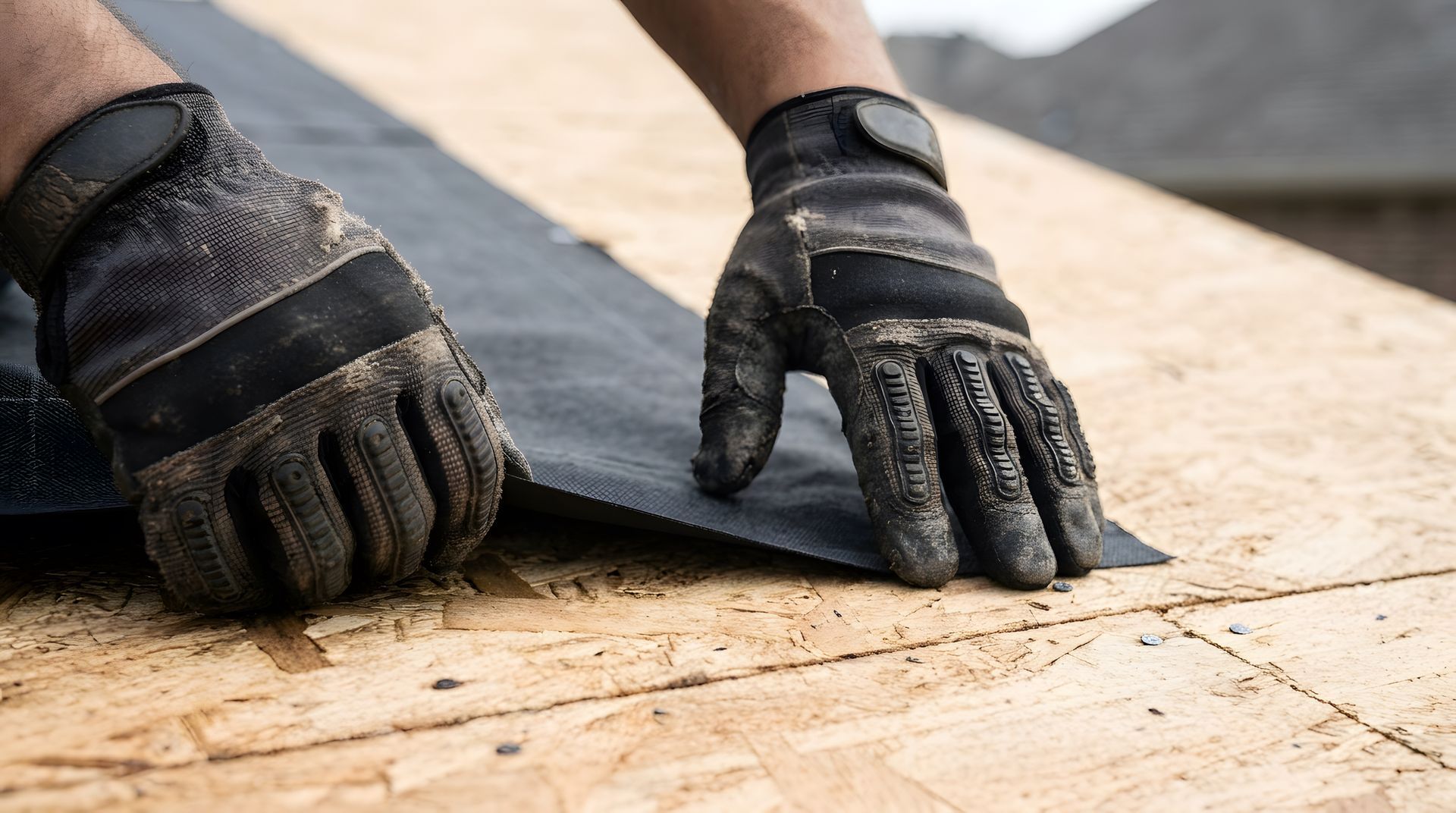
The ultimate performance and lifespan of a single-ply rubber assembly depend entirely on the technical precision of the field installation. Even the most expensive, heavy-duty 90-mil membrane will rapidly fail if your contractor cuts corners during the flashing and adhesive phases. A true professional installation requires careful planning around three primary attachment methods: fully adhered systems using commercial bonding adhesives, mechanically attached configurations using heavy-duty target plates and fasteners, or ballasted assemblies utilizing thick river stone to anchor the field sheets.
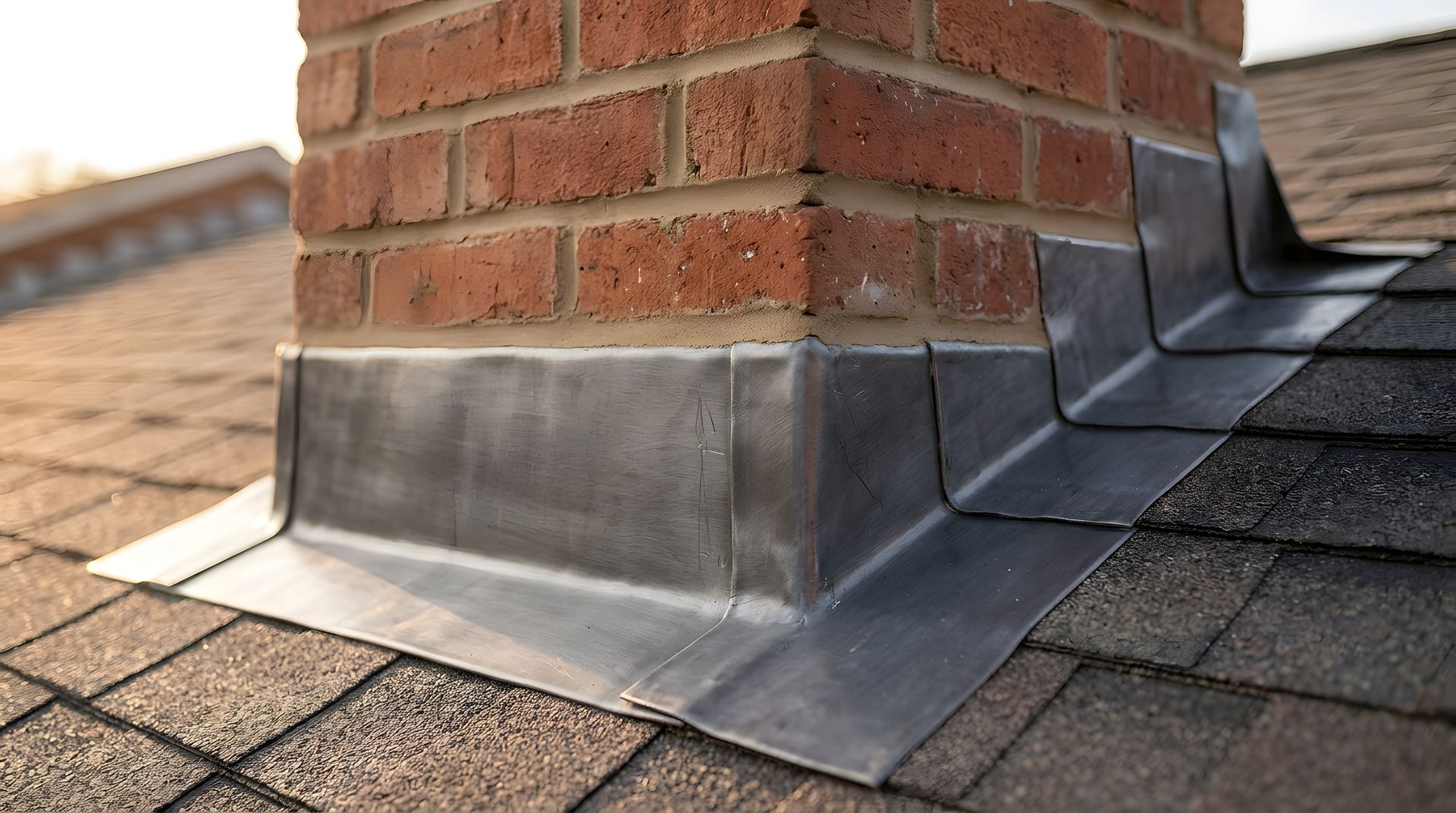
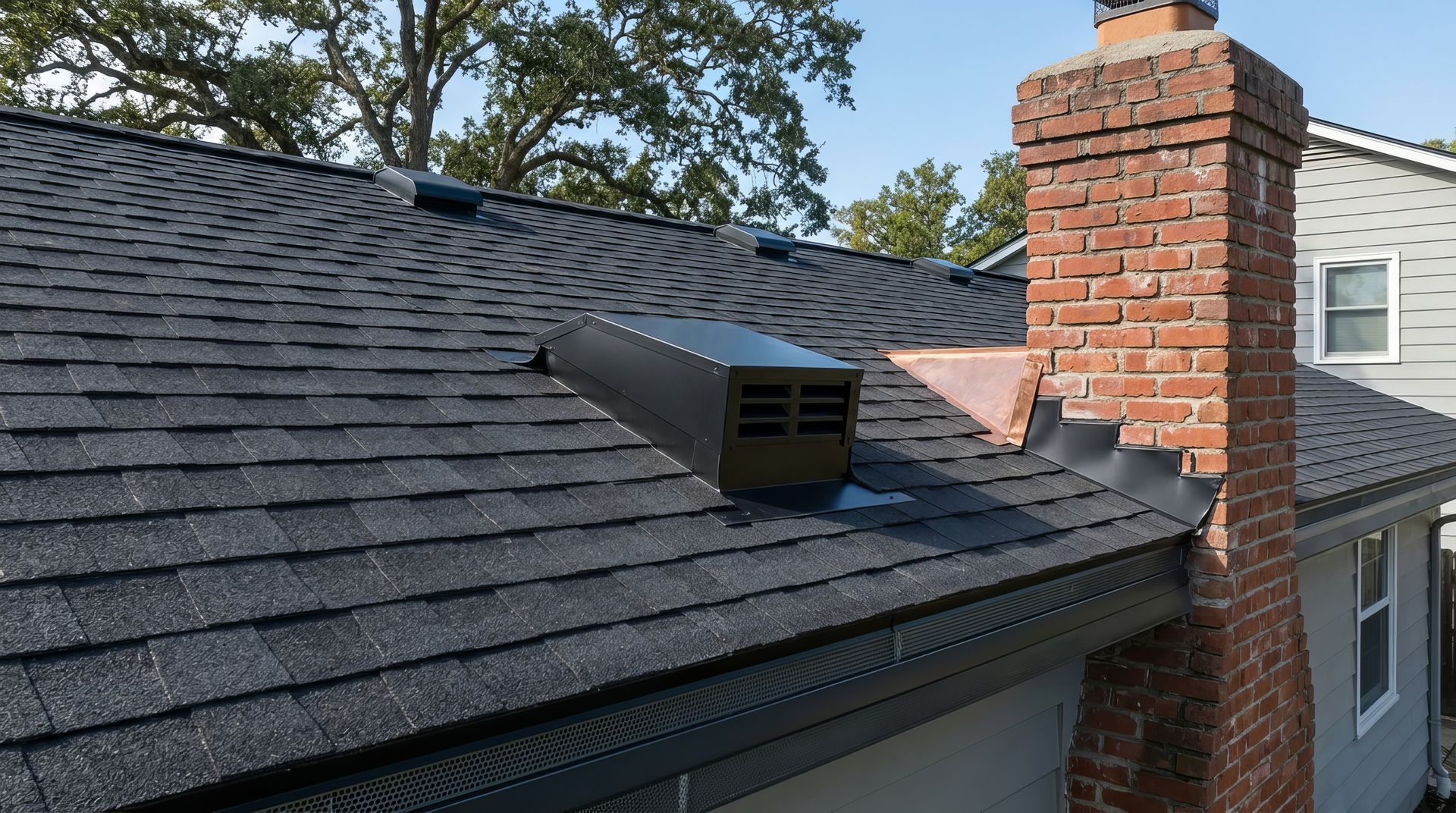
Achieving a watertight seal requires absolute perfection across every technical detail. This includes executing flawless chemical seam splices using specialized primer and EPDM cover tape, installing custom-molded pipe boots around HVAC penetrations, and double-sealing all terminal parapet bars. Entrusting your commercial asset to a certified, factory-trained master elite
commercial roofing systems professional guarantees that your project complies with strict International Building Codes (IBC) and qualifies for maximum manufacturer labor and material warranties.
Protect Your Commercial Asset with Overmyer Roofing
Your roof is a critical shield protecting your business assets, employees, and investments. Letting an aging, shrinking membrane sit unaddressed on your commercial property exposes you to severe interior damage and sudden, expensive building closures. Managing your facility with proactive, high-performance building materials is the most efficient method for securing long-term capital preservation.
At
Overmyer Roofing, we bring elite engineering insight and commercial-grade execution to every low-slope property we service. Our highly experienced teams specialize in the absolute precision demanded by advanced single-ply
EPDM rubber roofing. From our initial core-sample structural testing and insulation mapping to final termination bar completion, we build systems designed to stand the test of time. Protect your facility and insulate your business capital—contact us
today to secure a transparent site assessment and discover the power of master-crafted commercial protection.