What Does Attic Ventilation Actually Do?
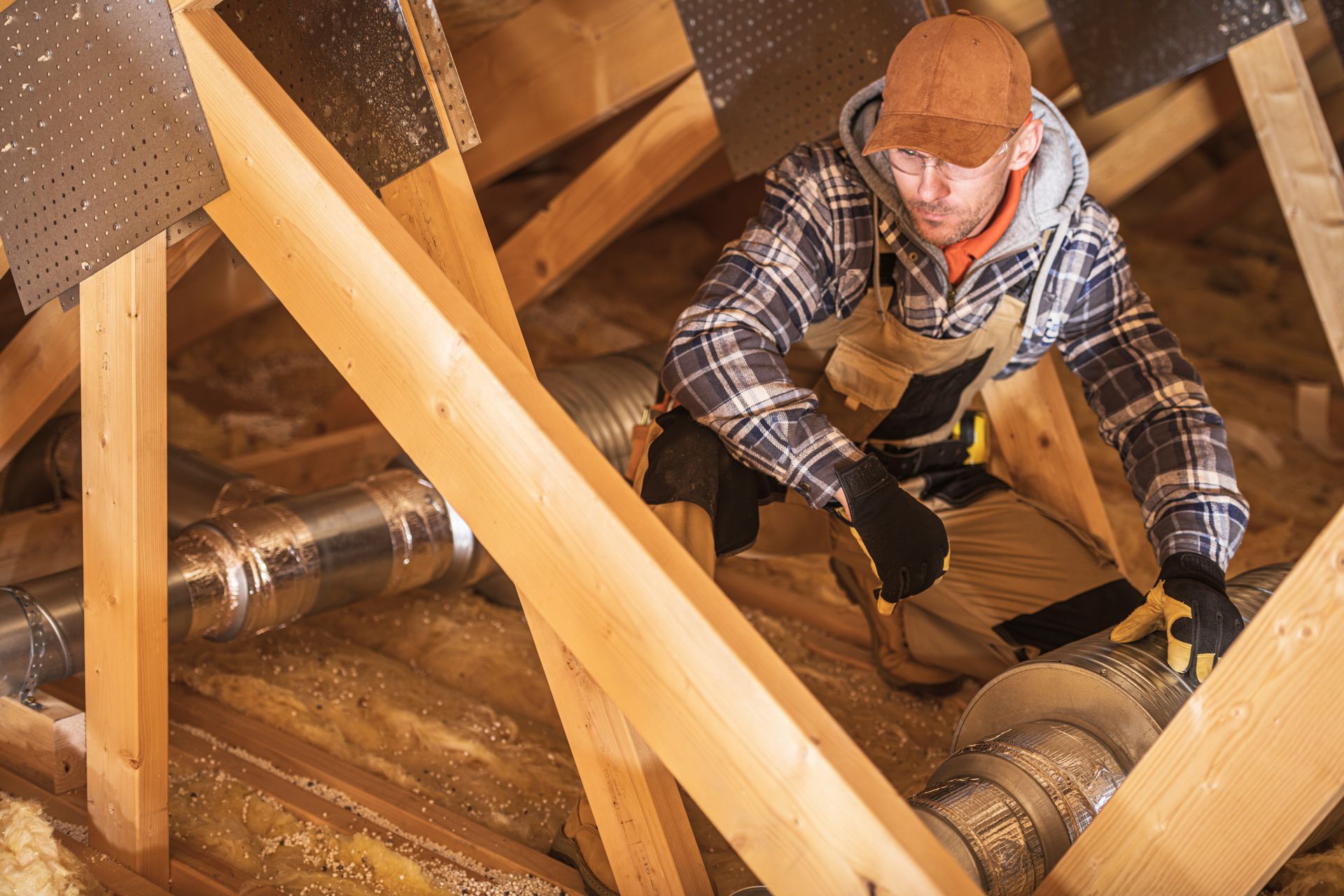
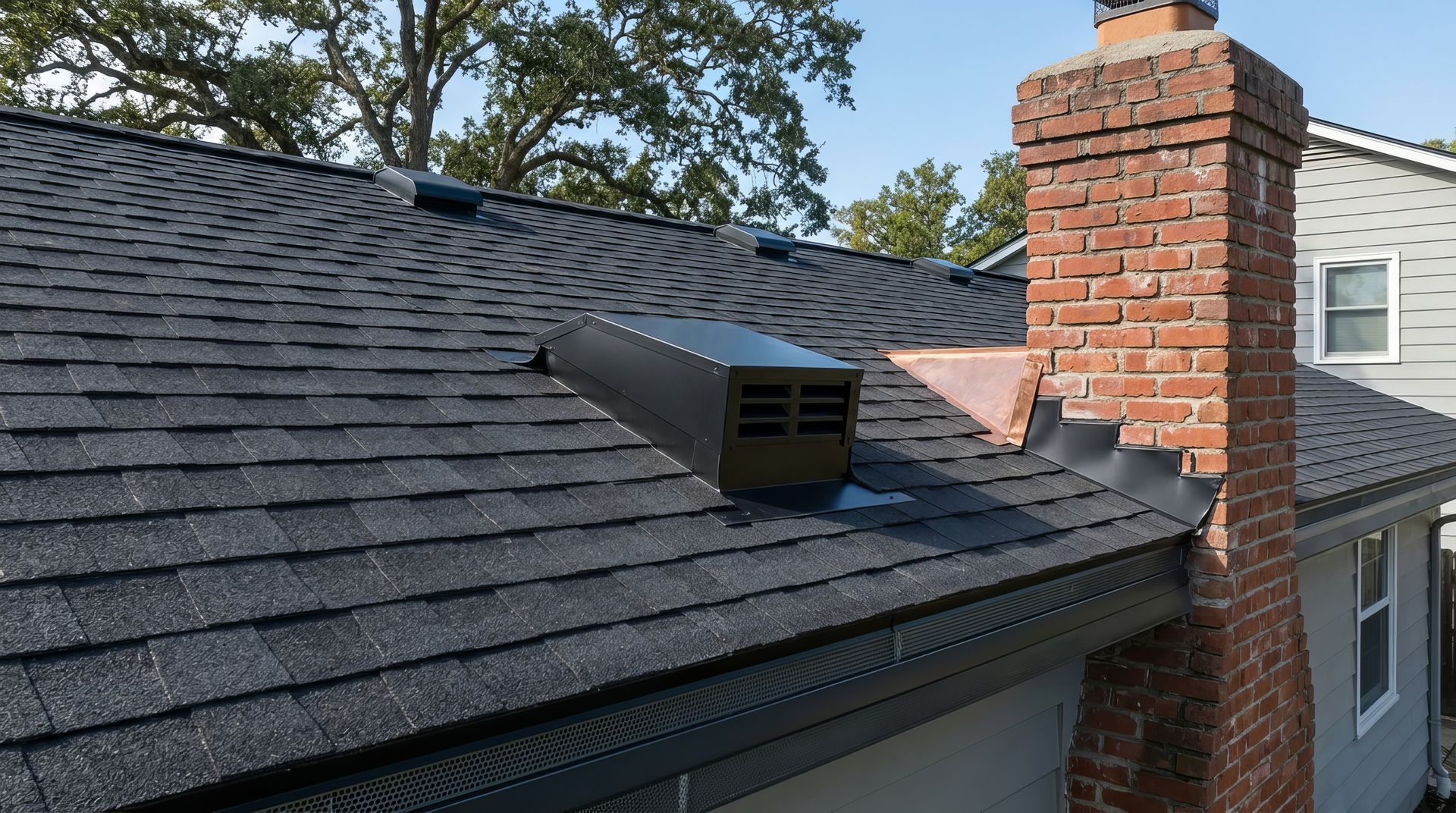
A properly engineered intake and exhaust system allows fresh outside air to continuously circulate through the upper structural envelope of your home. This passive movement of air is not just about temperature comfort; it regulates the microclimate directly beneath your roof deck. When functioning correctly, continuous airflow purges stagnant humidity, keeps the roof deck cool, protects vulnerable underlayment, and drastically improves the energy efficiency of the entire household.
To work effectively, a system requires an equal balance of intake vents (typically located at the lower soffits or eaves) and exhaust vents (located high at the ridge line). This setup utilizes the natural law of thermodynamics—hot air rises and escapes through the top, pulling cooler air in through the bottom. When this cycle is restricted by blocked soffits or inadequate venting area, the air stalls, causing temperatures in the attic space to skyrocket past 150 degrees Fahrenheit on an average summer afternoon.
The Double-Heat Effect: How Trapped Air Bakes Shingles
When a home suffers from
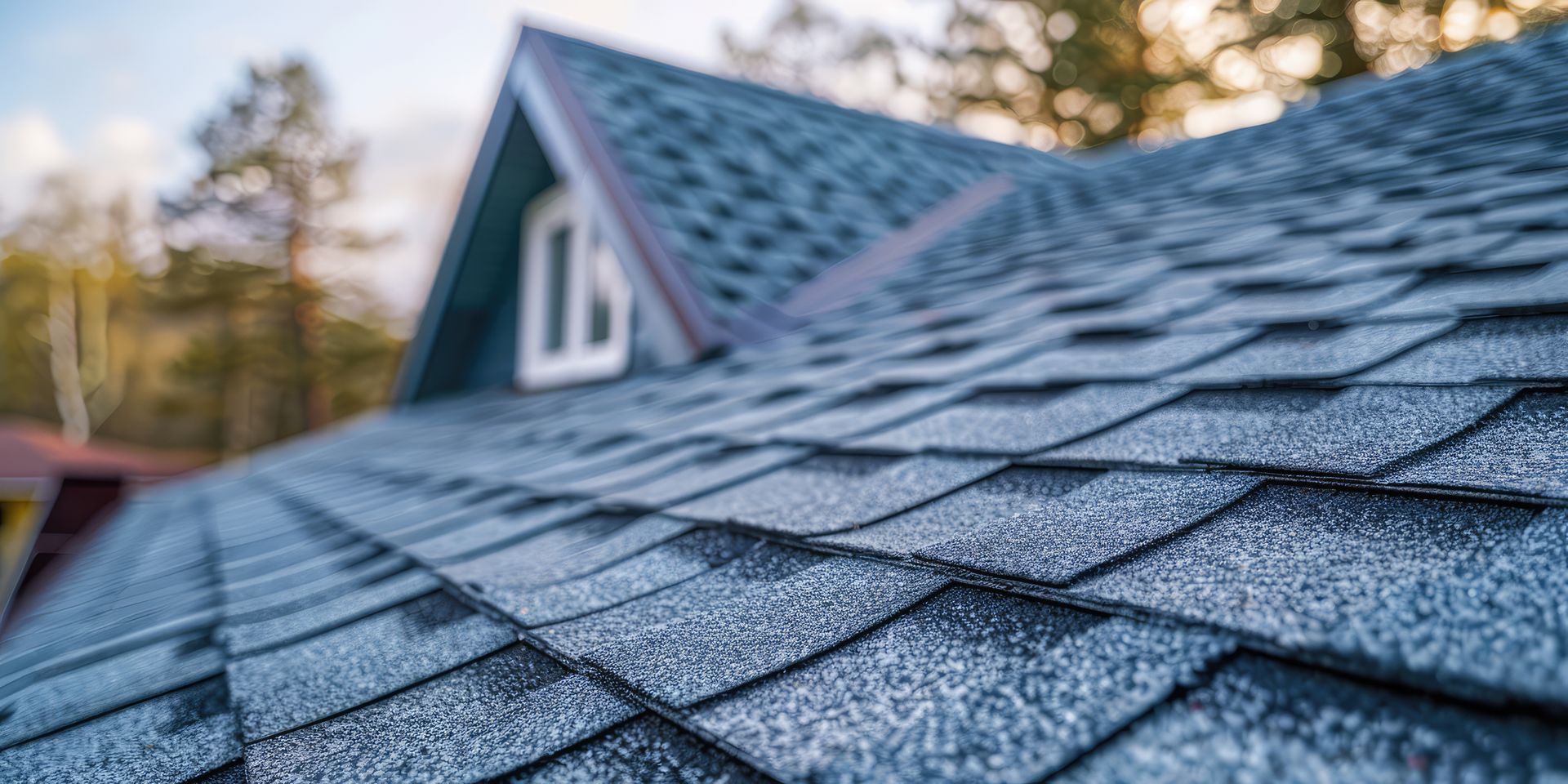
poor attic ventilation, the installed roofing materials are subjected to an aggressive thermal trap. Instead of facing heat from just the sun, the shingles become squeezed between two opposing heat sources: intense radiant energy from the sun above, and a superheated reservoir of trapped air pushing up from the attic space below.
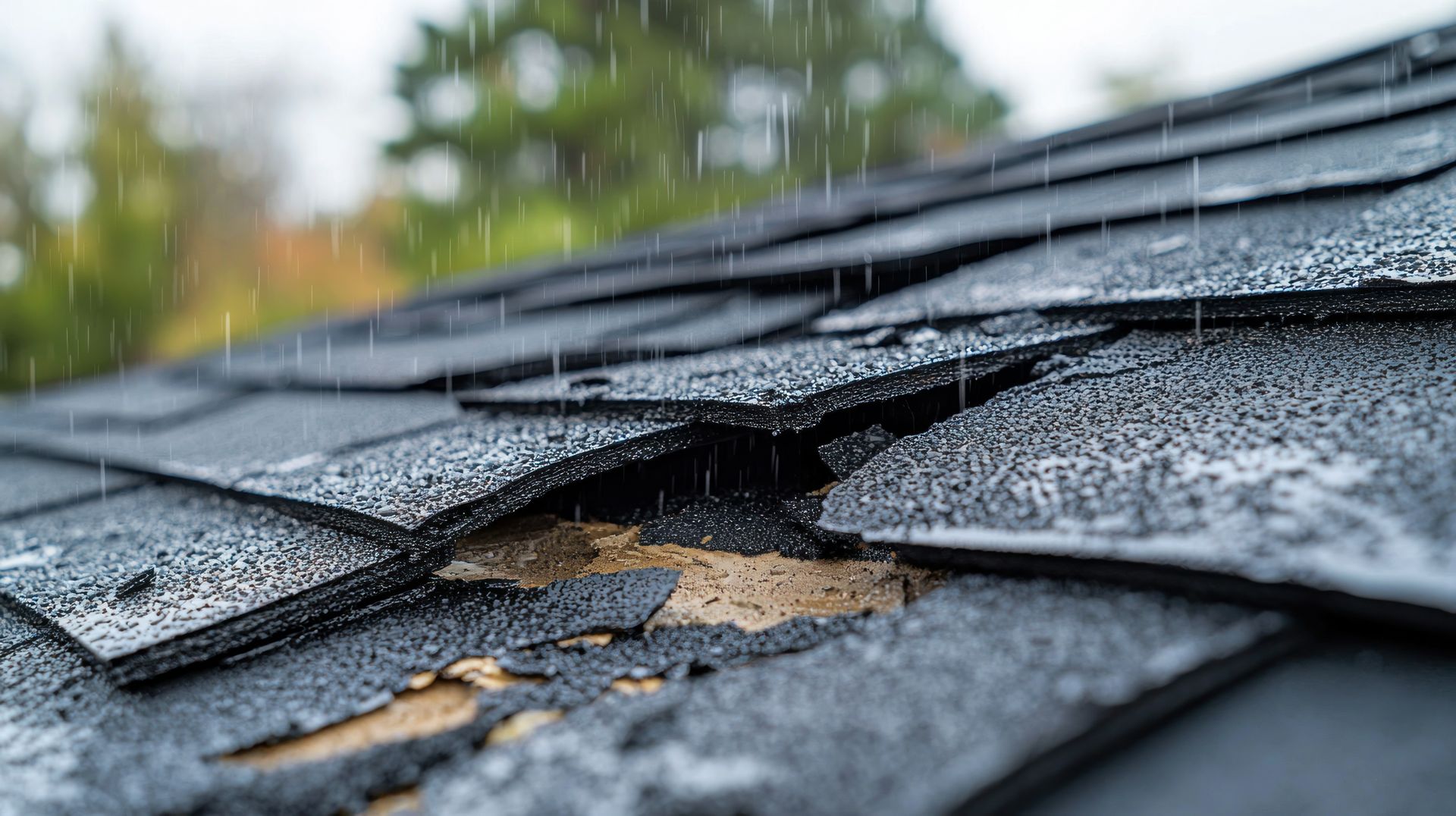
This extreme temperature sandwich causes rapid physical and chemical breakdown of the materials. The intense heat literally bakes the volatile petroleum oils out of the asphalt mixture, causing the shingles to become exceptionally dry, brittle, and structurally weak. This accelerates the degradation process, manifesting as premature aging, heavy protective granule loss, cracking, and severe curling along the edges. Once shingles lose their flexibility and protective granule coating, they are easily ripped away by standard wind or compromised by heavy rainfall.
Thermal Shock and the Destructive Moisture Cycle
The damage caused by poor airflow is compounded daily by a phenomenon known as thermal shock. Throughout a hot summer day, a roof expands dramatically as it absorbs heat. When the sun sets and ambient temperatures drop, the materials rapidly contract. When an attic remains trapped at a high temperature into the evening, this expansion and contraction cycle becomes highly uneven and severe, placing immense structural stress on the fasteners, roof decking, and shingles, which ultimately shears the system apart.
The Hidden Threat of Stagnant Moisture
Heat is only one half of the equation; trapped humidity is equally destructive. Everyday household activities like cooking, showering, and running the laundry vent immense amounts of moisture upward into the attic. Without continuous
roof ventilation to sweep this moisture away, the humid air condenses against the underside of the cold wooden roof deck.
Over time, this hidden condensation triggers wood rot, rusts out structural roofing fasteners, destroys the R-value of your insulation, and fuels toxic mold growth. As the wooden roof decking absorbs moisture, it warps, buckles, and sags. This shifting deck directly destabilizes the
asphalt shingles anchored above it, breaking their water-tight seals and paving the way for devastating internal leaks.
Spotting the Signs of Inadequate Airflow
Many homeowners only discover a ventilation failure after a catastrophic leak occurs. However, your home will provide several clear warning signs before total structural failure takes place. Skyrocketing utility bills are often the first clue; when your attic acts as a massive radiator, that heat transfers directly through your ceiling, forcing your air conditioning system to run continuously to keep living spaces cool.
On the exterior of your property, look for localized damage such as shingles that are cupping, clawing, or blistering. Indoors, look for musty mildew odors, visible frost or condensation on attic rafters, or an attic space that feels noticeably hotter than the rest of the home. Catching these subtle indicators early allows you to pursue localized remediation before the entire system requires complete liquidation.
Protect Your Investment with Overmyer Roofing
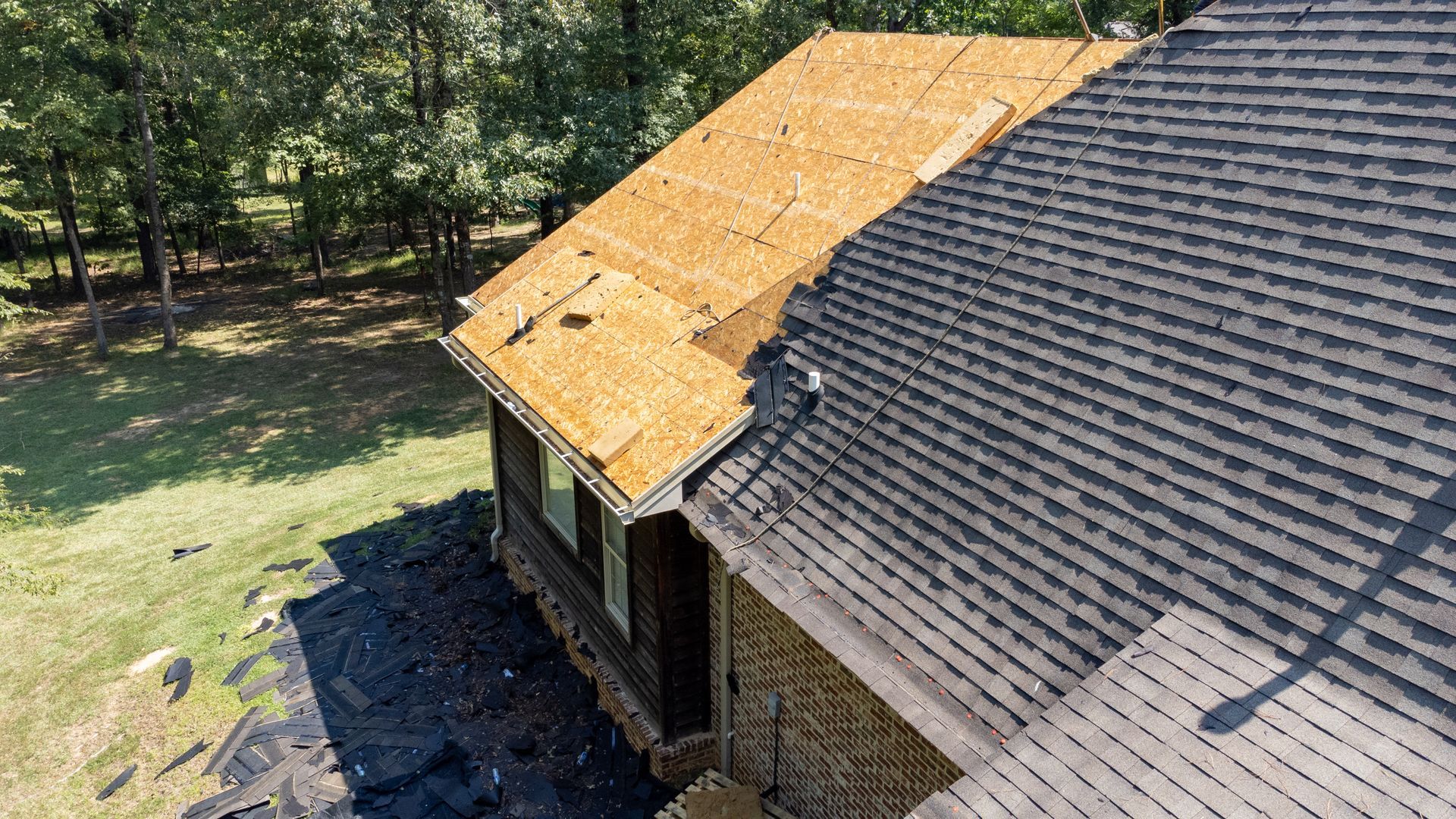
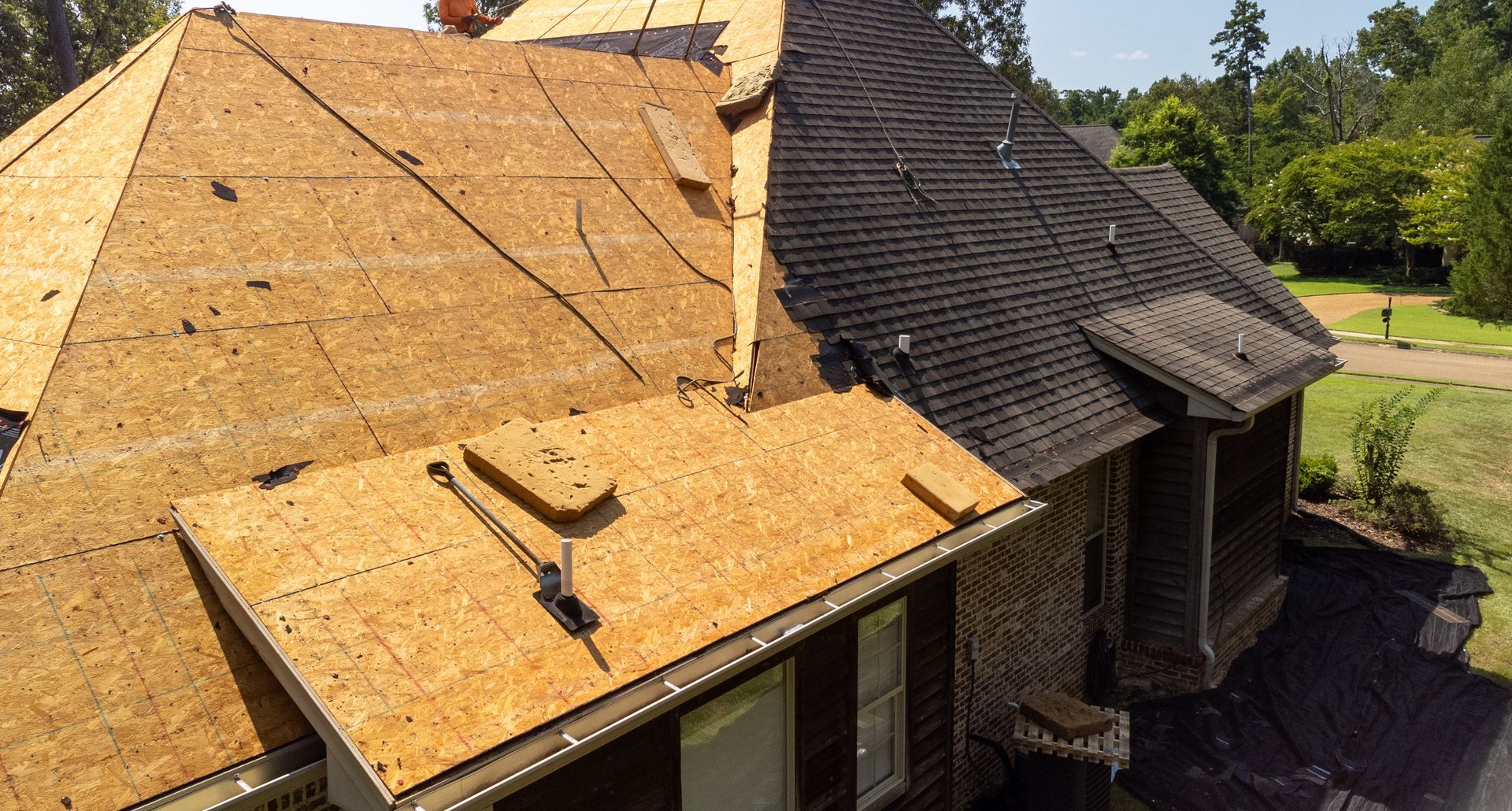
A brand-new, premium roof can still experience premature structural failure if the underlying ventilation path is choked. True long-term roofing performance relies on an integrated system where high-grade shingles, robust underlayment, and a perfectly balanced intake and exhaust design work in harmony. Neglecting the airflow beneath the deck can also completely void manufacturer material warranties, leaving you unprotected against early wear.
If you suspect your home is trapping destructive summer heat, getting an expert opinion is vital. At
Overmyer Roofing, we specialize in comprehensive exterior safety and performance. Our experienced team can perform a detailed
roof inspection to evaluate your attic’s airflow patterns, unblock restricted intake pathways, and install advanced venting solutions tailored to your home’s exact architecture.
Contact
our team today to optimize your ventilation and extend the life of your roof.