The Standing Seam Advantage: Why Metal Roofs Are Worth the Long-Term Investment.

May 1, 2026

When homeowners compare roofing options, the conversation often starts with upfront cost. But in 2026, more property owners are shifting their focus toward something bigger:

long-term value.

That shift is one reason standing seam metal roofs continue gaining popularity across residential roofing projects. While the initial investment is higher than traditional asphalt shingles, many homeowners are discovering that the durability, efficiency, and longevity of metal roofing can outweigh the upfront expense over time.


And beyond performance, standing seam systems have also become one of the most visually modern roofing options available today.


For homeowners planning to stay in their home long term, the investment conversation looks very different once maintenance, lifespan, and energy efficiency are considered.

What Is a Standing Seam Metal Roof?

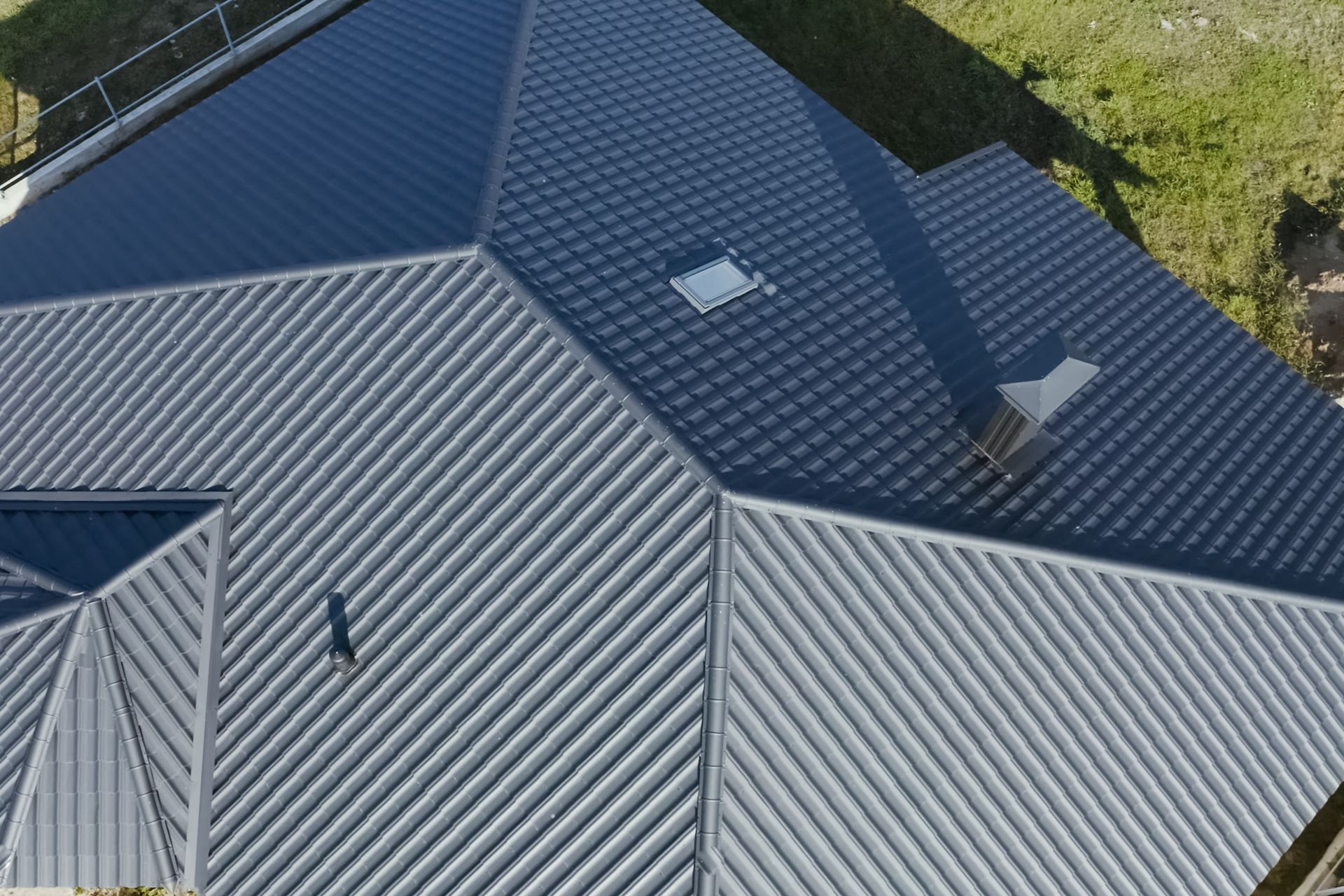
A standing seam metal roof is a roofing system made of vertically aligned metal panels connected by raised seams.


Unlike exposed-fastener systems, the fasteners are concealed beneath the seams themselves.


This design helps:

  • improve weather resistance
  • reduce leak risks
  • allow thermal expansion
  • create a cleaner appearance

The result is a roofing system known for both durability and modern curb appeal.


Why Standing Seam Roofs Last So Long

One of the biggest reasons homeowners choose metal roofing systems is lifespan.


Traditional asphalt roofs may eventually experience:

  • curling shingles
  • granule loss
  • cracking
  • weather deterioration


By comparison, properly installed standing seam metal roofs are designed to withstand:

  • heavy rain
  • snow
  • UV exposure
  • temperature fluctuations
  • high winds

Many systems can last decades longer than traditional roofing materials with proper maintenance.


The Energy Efficiency Advantage

Energy efficiency has become a major priority for homeowners in 2026.


One reason energy-efficient metal roofing performs so well is because metal reflects solar heat more effectively than many traditional roofing materials.


This may help:

  • reduce attic heat buildup
  • improve indoor comfort
  • lower cooling demands during summer

For homeowners dealing with rising energy costs, efficiency is becoming an increasingly important part of roofing decisions.


Why Homeowners Like the Modern Appearance

The popularity of standing seam roofing is not just about performance.


Many homeowners prefer the:

  • clean lines
  • architectural appearance
  • modern aesthetic
  • upscale curb appeal


Standing seam roofs work especially well with:

  • contemporary homes
  • modern farmhouse styles
  • mountain homes
  • custom residential designs

The visual impact alone often becomes a major selling point.


How Concealed Fasteners Improve Performance

One of the biggest advantages of concealed fastener metal roofing is moisture protection.


Traditional exposed-fastener systems may eventually face:

  • fastener loosening
  • water intrusion
  • gasket deterioration

Standing seam systems hide fasteners beneath raised seams, helping reduce direct weather exposure.


That added protection is one reason these roofs are often viewed as a premium long-term solution.


Metal Roofs Require Less Maintenance Over Time

No roofing system is completely maintenance-free, but standing seam metal roofs generally require less ongoing upkeep compared to aging asphalt roofs.


Homeowners often experience:

  • fewer repairs
  • less weather-related wear
  • improved durability
  • lower long-term maintenance concerns

That reduced maintenance becomes increasingly valuable over the lifespan of the home.


Why Metal Roofing Performs Well in Harsh Weather

In areas with changing seasonal conditions, roofing durability matters significantly.


Professional metal roofing installation helps create systems designed to handle:

  • snow accumulation
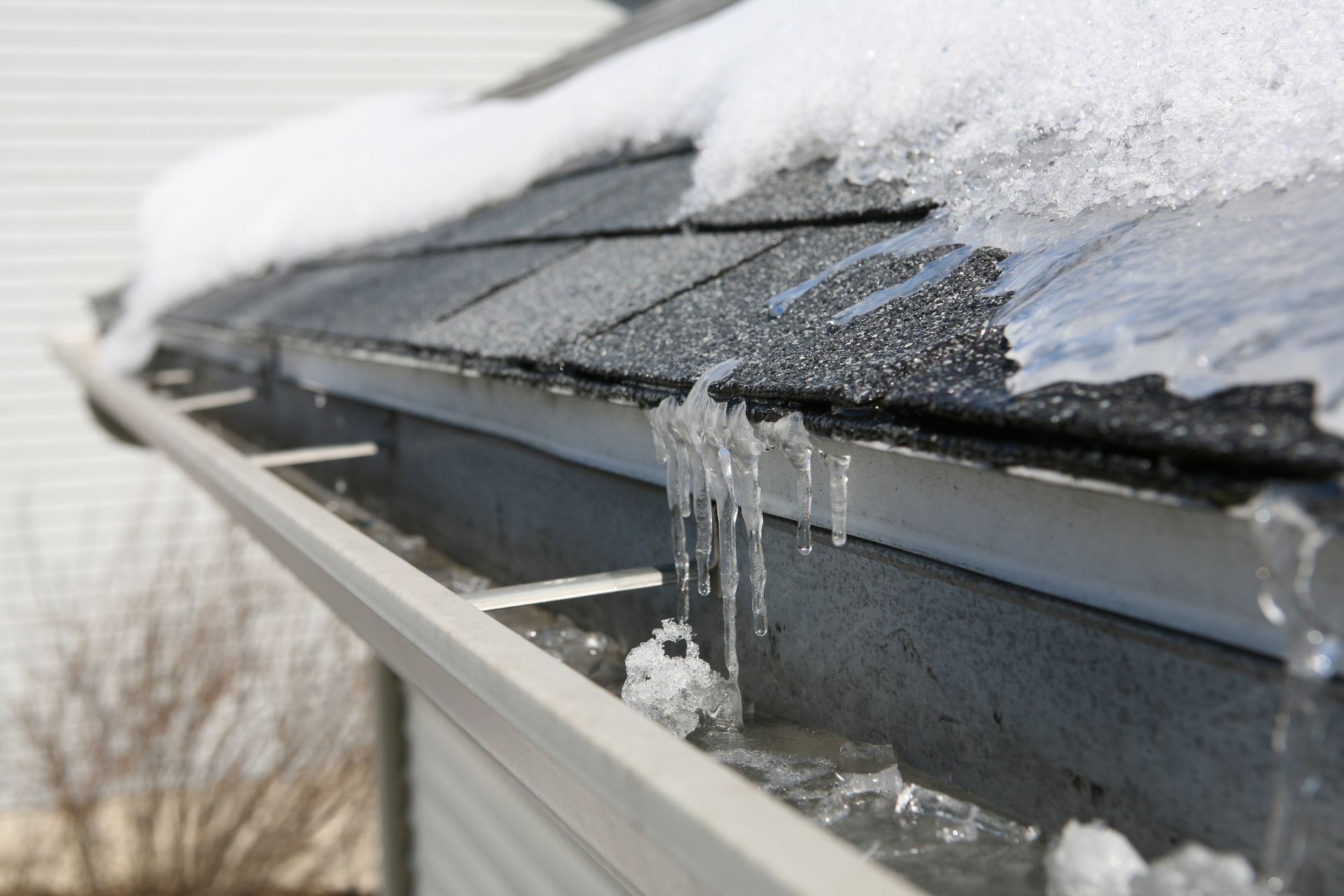
  • ice
  • wind exposure
  • heavy rainfall
  • freeze-thaw cycles

This is especially important in climates where weather conditions place constant stress on roofing materials throughout the year.


The Long-Term Investment Perspective

At first glance, asphalt shingles may appear less expensive.


But long-term roofing value involves more than initial cost alone.


Homeowners increasingly evaluate:

  • roof lifespan
  • repair frequency
  • maintenance expenses
  • energy efficiency
  • resale value
  • durability

When viewed over decades instead of years, many property owners find the investment in standing seam roofing makes far more financial sense long term.


A Roof Designed for Performance and Longevity

A roof is one of the most important protective systems on any home. Choosing a roofing material designed for durability, efficiency, and long-term performance can significantly impact both comfort and property value over time.


Overmyer Roofing provides professional standing seam metal roof installation and roofing solutions designed to deliver long-lasting protection, energy efficiency, and modern curb appeal.
  • What is a standing seam metal roof?

    A standing seam metal roof uses vertical metal panels with concealed fasteners and raised seams.

  • Why do standing seam roofs last longer?

    They resist weather exposure, corrosion, and moisture intrusion more effectively than many traditional materials.

  • Are metal roofs energy efficient?

    Yes. Energy-efficient metal roofing reflects heat and may help reduce cooling costs.

  • Do standing seam roofs require maintenance?

    Describe the item or answer the question so that site visitors who are interested get more information. You can emphasize this text with bullets, italics or bold, and add links.
  • Are standing seam roofs worth the investment?

    Many homeowners believe the durability, efficiency, and longevity justify the higher upfront cost.


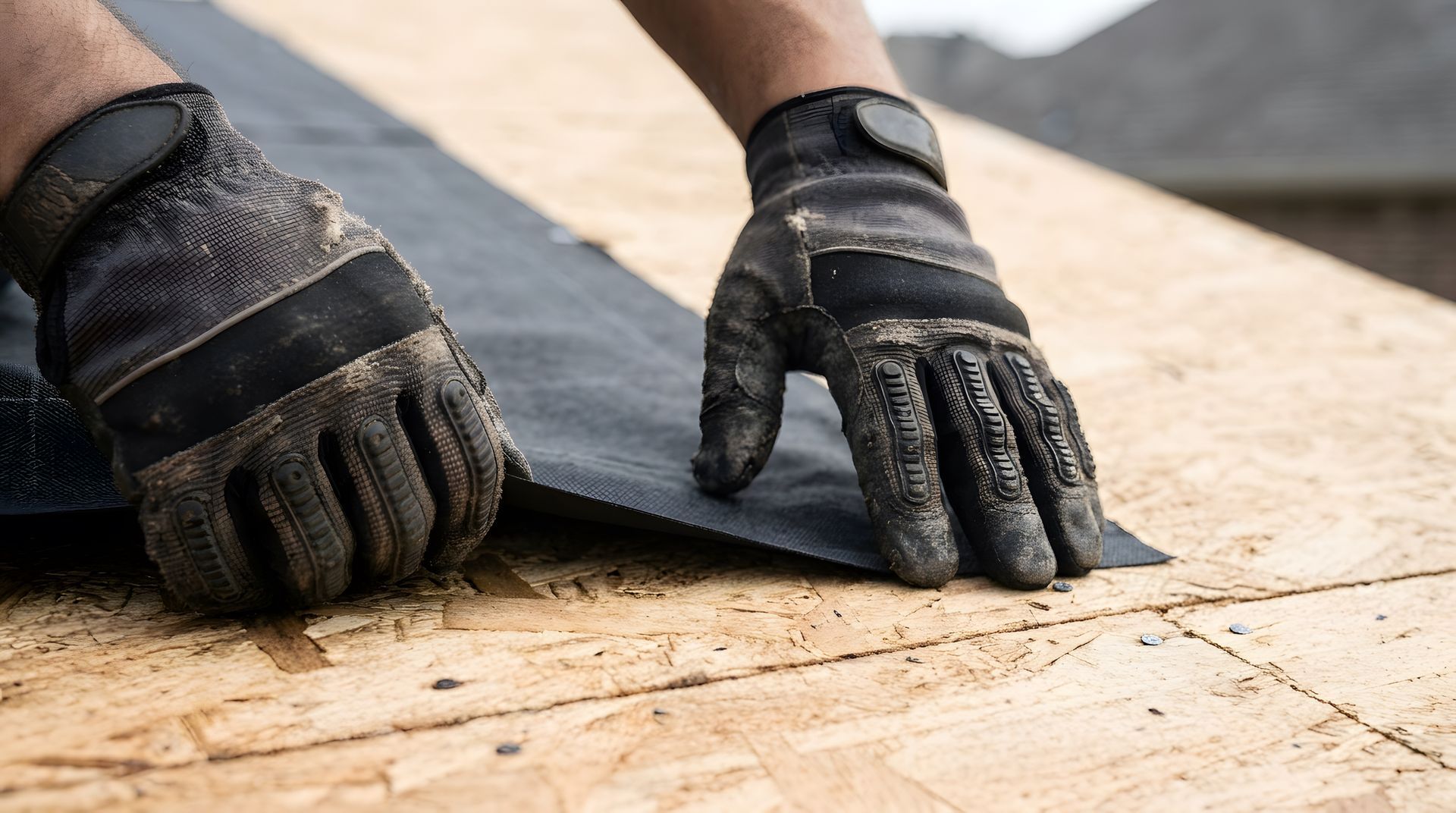
Gloved hands installing black roofing underlayment on a wooden roof deck
August 21, 2026
Learn what roof underlayment is, how it protects your roof deck, common types, and why proper installation matters for your home.
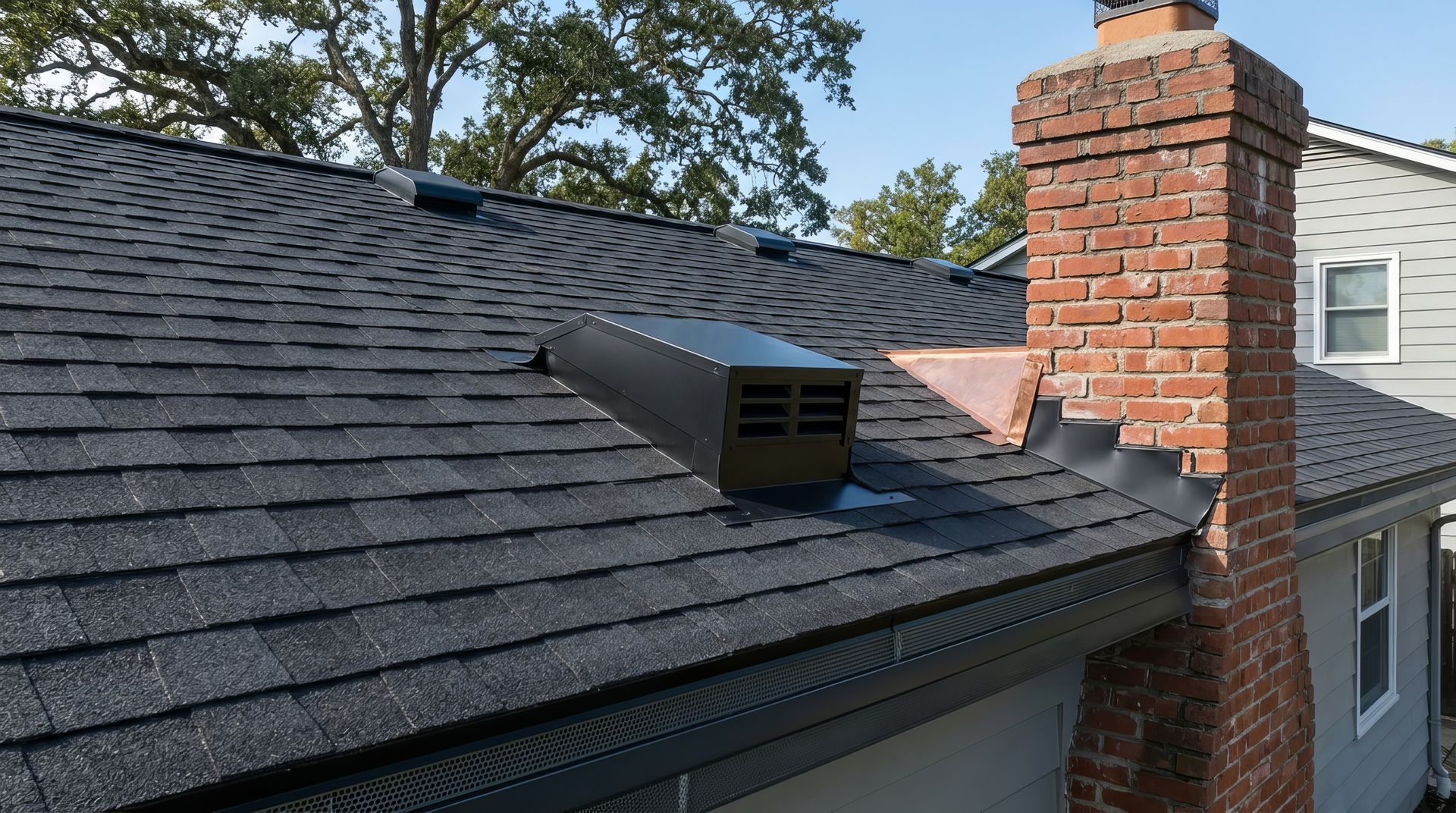
Slate roof with a brick chimney and small vent under a clear sky
August 17, 2026
Learn eight factors that affect roof replacement cost, from roof size and materials to pitch, decking, ventilation, and project complexity.
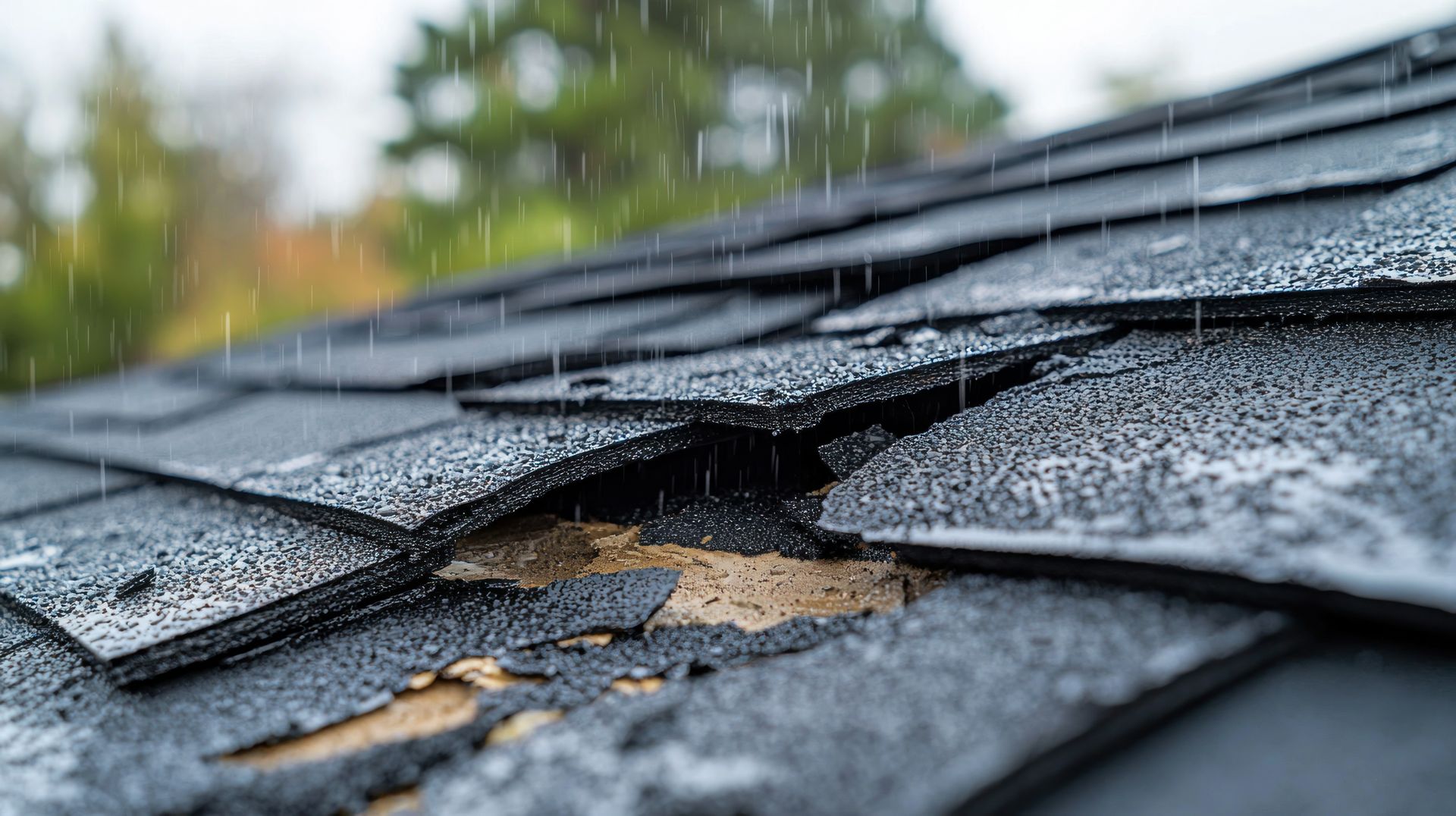
Damaged roof shingles with a broken, exposed section after rain
August 14, 2026
Learn seven common causes of roof leaks, the warning signs to watch for, and when to call a professional roofer for repairs.
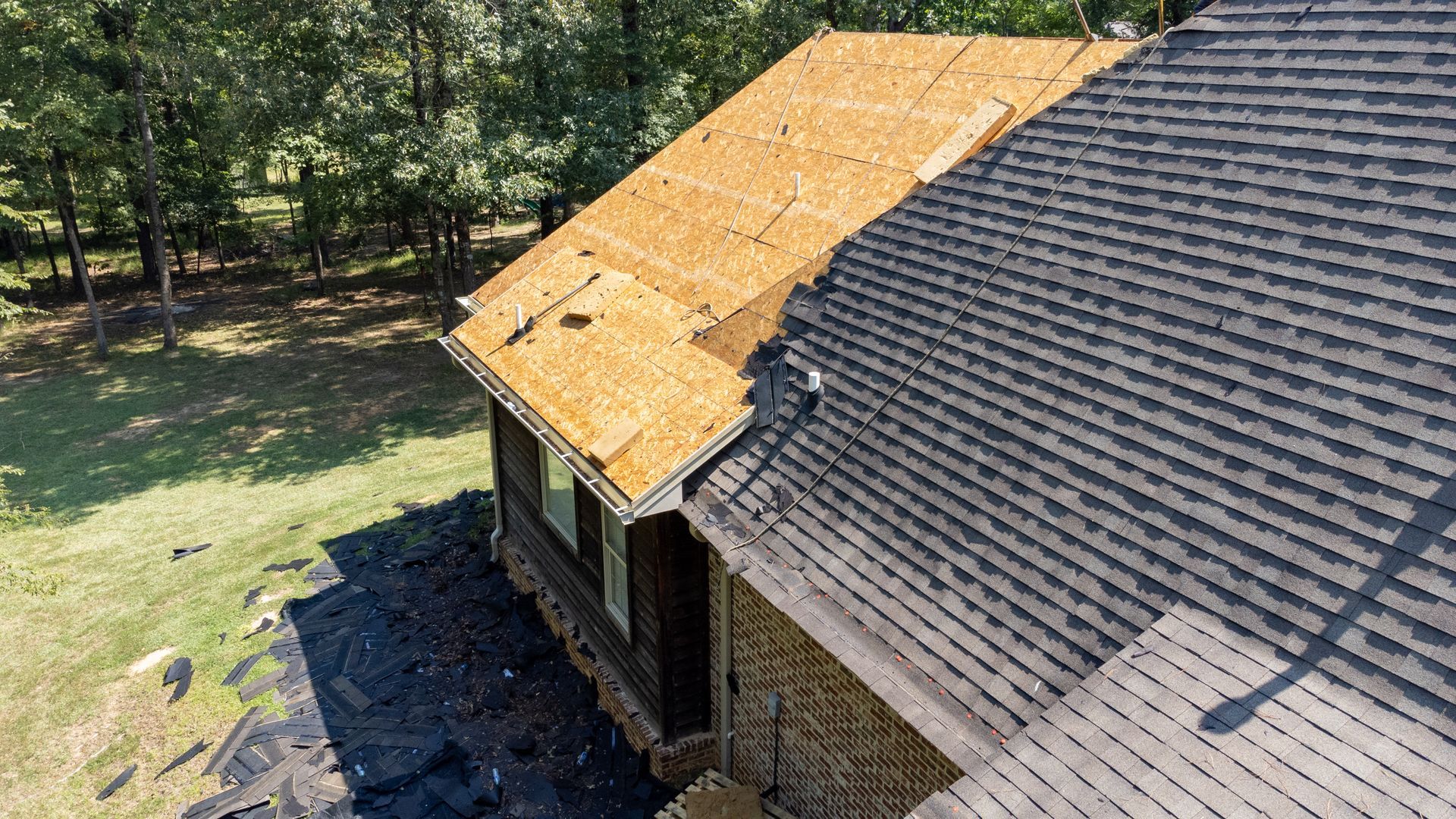
House roof with dark shingles and a partially repaired plywood section, viewed from above near trees
August 11, 2026
Learn how long roof replacement takes, what can affect the timeline, and what to expect during a professional roof installation.
Roof under construction with exposed plywood sheathing and sections of old dark shingles, viewed from above.
July 24, 2026
Not sure if your roof needs repairs or replacement? Learn the key factors to consider and schedule a professional roof inspection with Overmyer Roofing.
Gloved hands installing gray asphalt shingles on a roof
July 17, 2026
Learn what to expect during a professional roof inspection and discover how routine evaluations help protect your home and extend your roof's lifespan.
Roofing worker on a sloped shingle roof, wearing a safety harness and reaching toward a vent pipe.
July 10, 2026
Learn how routine roof maintenance and inspections can help extend the life of your roof and protect your home from costly repairs.
Damaged shingle roof with torn and missing sections exposing wood under a blue sky
July 3, 2026
Learn five common signs of roof storm damage and discover when it's time to schedule a professional roof inspection with Overmyer Roofing.
Gray brick wall with horizontal mortar lines and a narrow black border along the bottom
June 24, 2026
Learn how roof quality control inspections verify shingle installation, fastener placement, and overall roofing workmanship after installation.
Rolled black roofing membrane on a rough stone surface outdoors
June 18, 2026
Learn the benefits of EPDM roof replacement, signs of roof failure, and why commercial rubber roofing remains a popular choice for flat roofs.
Show More